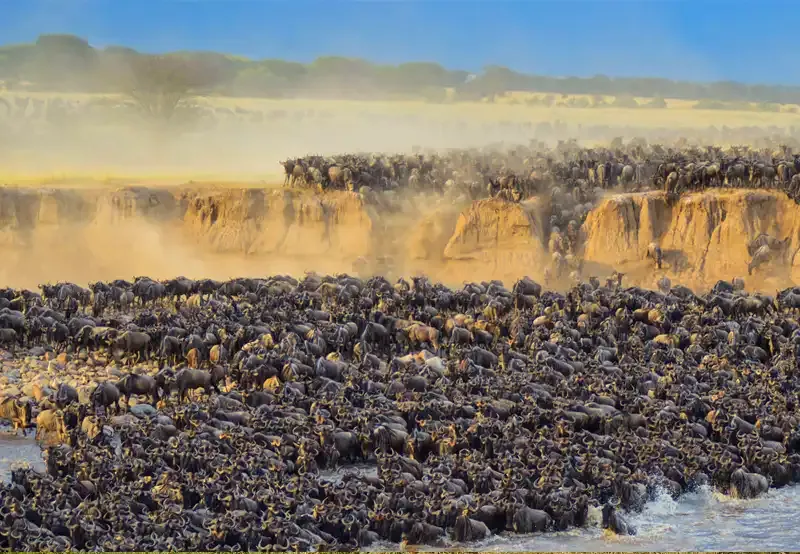
Serengeti vs Maasai Mara: Differences, Seasons and Which to Choose
The Serengeti and the Maasai Mara are two halves of one ecosystem. Here is how they differ, when each is at its best, and how to choose.
The Serengeti in Tanzania and the Maasai Mara in Kenya are not rivals so much as neighbours. There is no fence between them: the same grasslands, rivers and animals continue across the border, and the Great Migration moves between the two. But they are managed differently, they feel different on the ground, and the best one for you depends on when you travel and what you want.
One ecosystem, two countries
The Greater Serengeti–Mara ecosystem covers a huge area of northern Tanzania and south-western Kenya. Most of it lies in Tanzania: the Serengeti National Park, the Ngorongoro Conservation Area and surrounding reserves. The Maasai Mara National Reserve and the conservancies around it form the smaller, northern end in Kenya.
Size and feel
- Serengeti: about 14,763 km² of national park, with very different regions, from the short-grass plains of the south to the wooded hills of the north and the long Western Corridor. You can drive for hours without seeing another vehicle away from the centre.
- Maasai Mara: the reserve is about 1,510 km², with a ring of private conservancies around it. Wildlife is concentrated and sightings come quickly, but the main reserve can be busy in peak season.
The Great Migration: timing is everything
| Months | Serengeti (Tanzania) | Maasai Mara (Kenya) |
|---|---|---|
| December – March | Herds and calving on the southern plains (Ndutu) | Resident wildlife; few migration herds |
| April – June | Herds move through the central and western Serengeti | Resident wildlife |
| July | Herds reach the northern Serengeti; first Mara River crossings | Herds begin arriving late in the month |
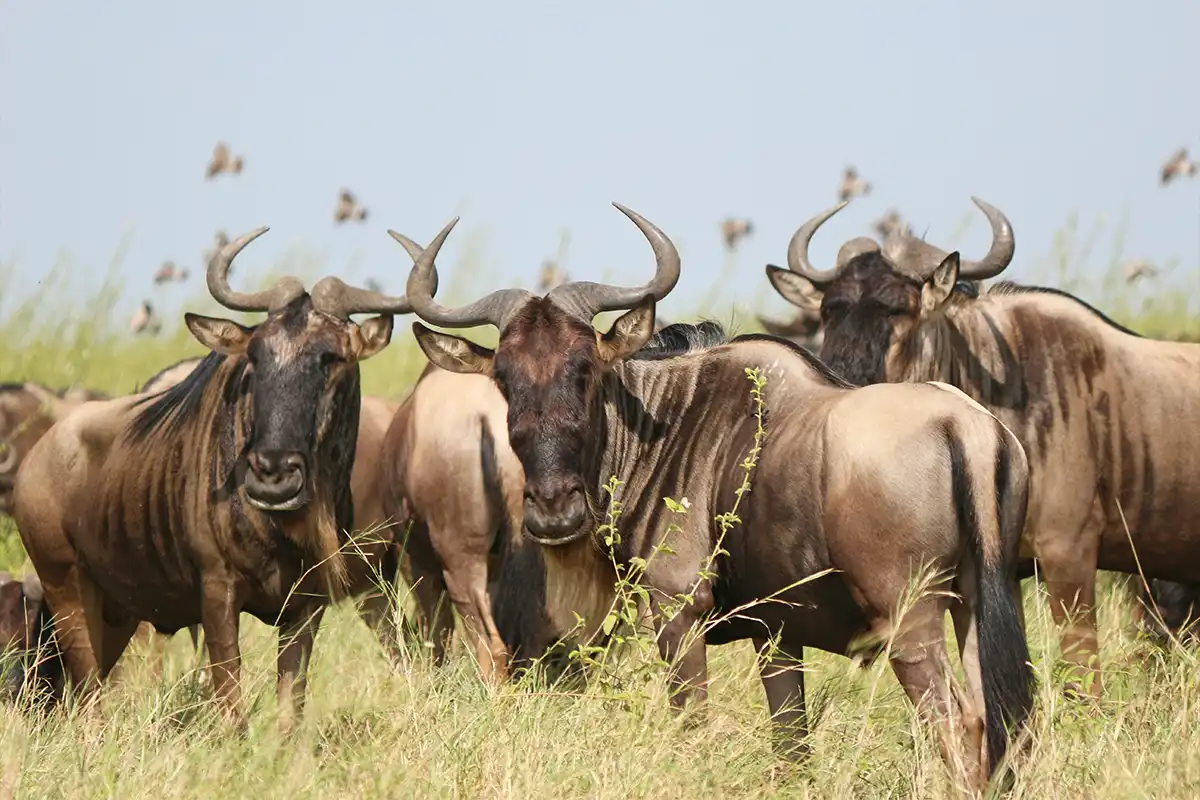
| August – October | Northern Serengeti crossings continue | Peak migration and crossings |
| November | Herds head south through the east | Herds leave |
The pattern changes with the rain each year. In short: for calving and most of the year, the Serengeti. For August to October crossings, both, with the Mara at its busiest.
Resident wildlife
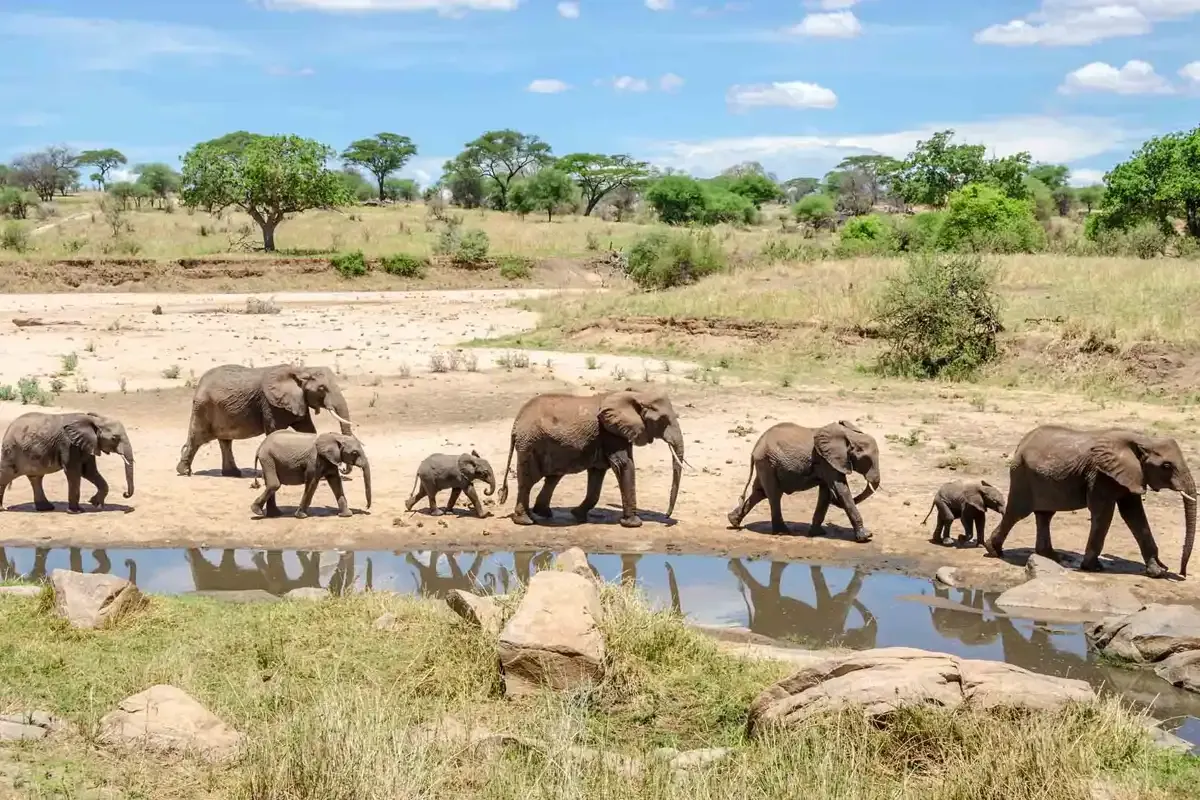
Both have excellent resident wildlife, including lions, leopards, cheetahs, elephants and buffalo. The Mara is famous for its big cat sightings in a compact area. The Serengeti's central Seronera valley is one of Africa's best places for leopards, and its southern plains for cheetahs. Black rhino are rare in both; for a better chance, add the Ngorongoro Crater.
Crowds and conservancies
In peak months, popular crossing points on both sides can attract many vehicles. Kenya's private conservancies around the Mara limit the number of vehicles and allow activities that are not permitted in the reserve, such as walking, night drives and off-road driving. In the Serengeti, the sheer size of the park, the less-visited regions and some private concessions on its edges give you space.
Access and cost
- Maasai Mara: about 45 minutes by light aircraft from Nairobi or a 5–6 hour drive. Easy for short trips.
- Serengeti: a full day by road from Arusha through the Ngorongoro highlands, or 1–2 hours by light aircraft.
Park fees in Tanzania are generally higher, and the distances are larger, so a Serengeti safari can cost more per day. Read our Tanzania safari cost guide.
Which should you choose?
- January–March: the Serengeti, for calving in the south.
- April–June: the Serengeti, quieter and green, with the herds on the move.
- July: the northern Serengeti, as the crossings begin.
- August–October: either, or both. The northern Serengeti tends to be quieter than the Mara reserve.
- Short trip from Nairobi: the Mara.
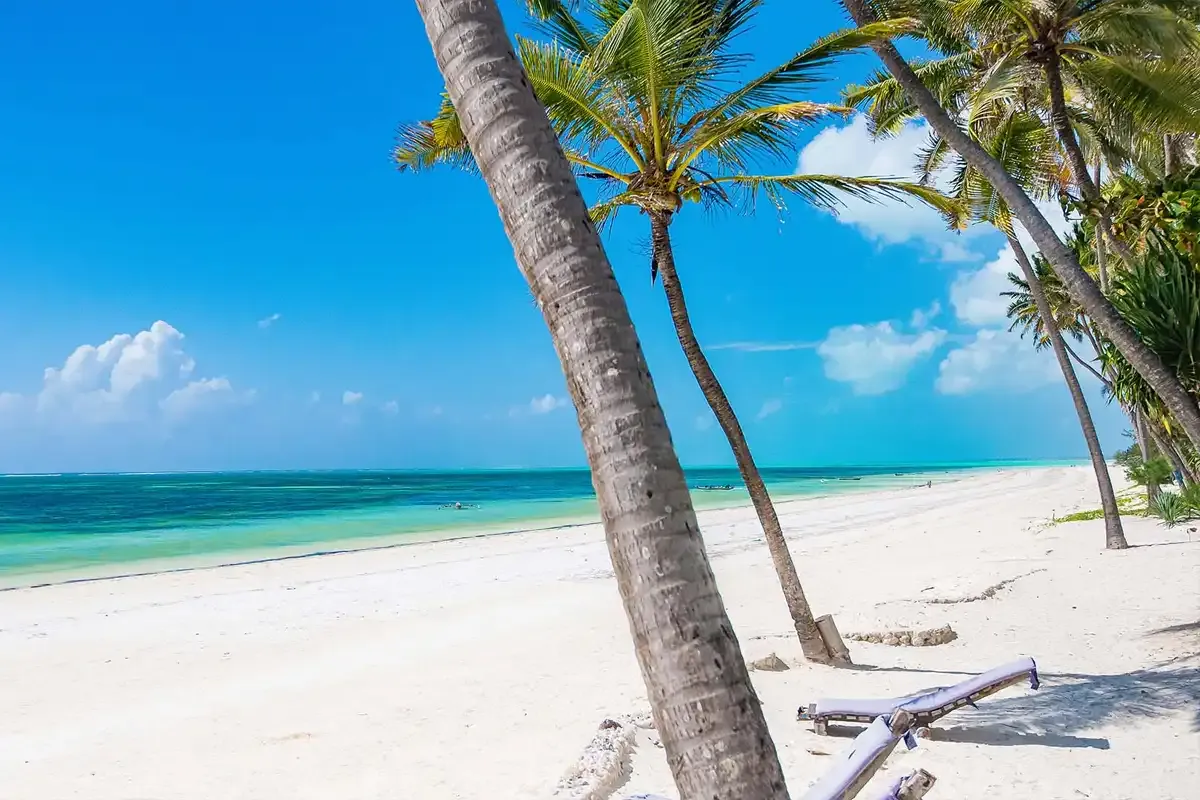
- First safari with Kilimanjaro or Zanzibar: the Serengeti.
Doing both
Many travellers combine them: a few nights in the Mara, then cross into Tanzania for the Serengeti and the Ngorongoro Crater. See our Kenya guide and Tanzania vs Kenya comparison, or ask us to plan it.
A day in each park
In the Serengeti you might leave camp at sunrise with a picnic, drive for an hour across open plains without seeing another vehicle, find a cheetah on a termite mound, and spend the afternoon with a lion pride resting on a kopje. Distances are large, so full-day drives are common.
In the Maasai Mara the drives are shorter. Within minutes of leaving camp you may be watching lions or elephants, and the rolling grassland makes animals easy to spot. In a private conservancy, you might add a bush walk in the morning and a night drive after dinner.
What else is nearby?
- From the Serengeti: the Ngorongoro Crater for black rhino, Olduvai Gorge, Lake Eyasi and Tarangire on the way back to Arusha, and Zanzibar by air.
- From the Mara: Lake Nakuru, Amboseli with its Kilimanjaro views, and the Kenyan coast.
Our view
We love both. If you have only a few days and are flying into Nairobi, the Mara works beautifully. For a longer trip, the variety of the Serengeti and the parks around it is hard to beat, and outside August to October the herds are almost always in Tanzania.
Common mistakes when choosing
- Going to the Mara in February. The herds are in the southern Serengeti then; the Mara has resident wildlife but no migration.
- Planning one night in the Serengeti. The park is far from Arusha; two nights is the minimum, three is better.
- Expecting a guaranteed crossing. In both parks, crossings happen when the herds decide. Give yourself several days.
- Ignoring the conservancies. In Kenya, a conservancy camp can make the difference between a crowded and a private experience.
- Forgetting the rest of Tanzania. A Serengeti safari combines easily with the Ngorongoro Crater, Tarangire and Zanzibar.
Getting the most from either park
Whichever you choose, the same rules make the biggest difference: start early, take full-day drives with a picnic, and give yourself enough nights. A good guide who knows where the herds have moved in the last few days is worth more than any lodge upgrade.
Frequently asked questions
Are the Serengeti and the Maasai Mara the same park?
No, but they are one ecosystem. The Serengeti is in Tanzania and the Maasai Mara in Kenya, with no fence between them.
When is the migration in the Maasai Mara?
Usually from about August to October. For the rest of the year the herds are in Tanzania's Serengeti.
Which is less crowded?
The Serengeti is much larger, so it is easier to find quiet areas. In the Mara, staying in a private conservancy gives you more space.
Is the Serengeti or Maasai Mara better for big cats?
Both are excellent. The Mara offers quick sightings in a small area; the Serengeti has great leopard viewing in Seronera and cheetahs on the southern plains.
Can I visit both on one trip?
Yes. Many safaris combine the Mara with the Serengeti and the Ngorongoro Crater, crossing at the border or flying.
Do I need a separate park fee for each?
Yes. The Serengeti and the Maasai Mara are separate protected areas in different countries, each with its own fees.
Is it easy to cross from the Serengeti to the Mara?
There is no tourist border crossing inside the parks. Most travellers fly via the nearest towns or travel by road through the official border posts, which takes time. We plan the best route for your dates.
Which park is better for photography?
Both are superb. The Serengeti offers more variety of landscapes and fewer vehicles in many areas; the Mara offers quick sightings and dramatic crossings in a compact area.