Tanzania's National Parks: A Guide to Where to Go
Tanzania protects a huge share of its land. A guide to the main national parks and reserves by region, and what each one is best for.
Tanzania has more than twenty national parks, plus conservation areas, game reserves and marine parks. Together, protected areas cover a large part of the country. Most are managed by Tanzania National Parks (TANAPA), while the Ngorongoro Conservation Area has its own authority.
This guide groups the main parks by region and explains what each is best for, so you can choose where to go.
The northern circuit
The most visited region, close to Arusha and Kilimanjaro Airport.
| Park | Best for |
|---|---|
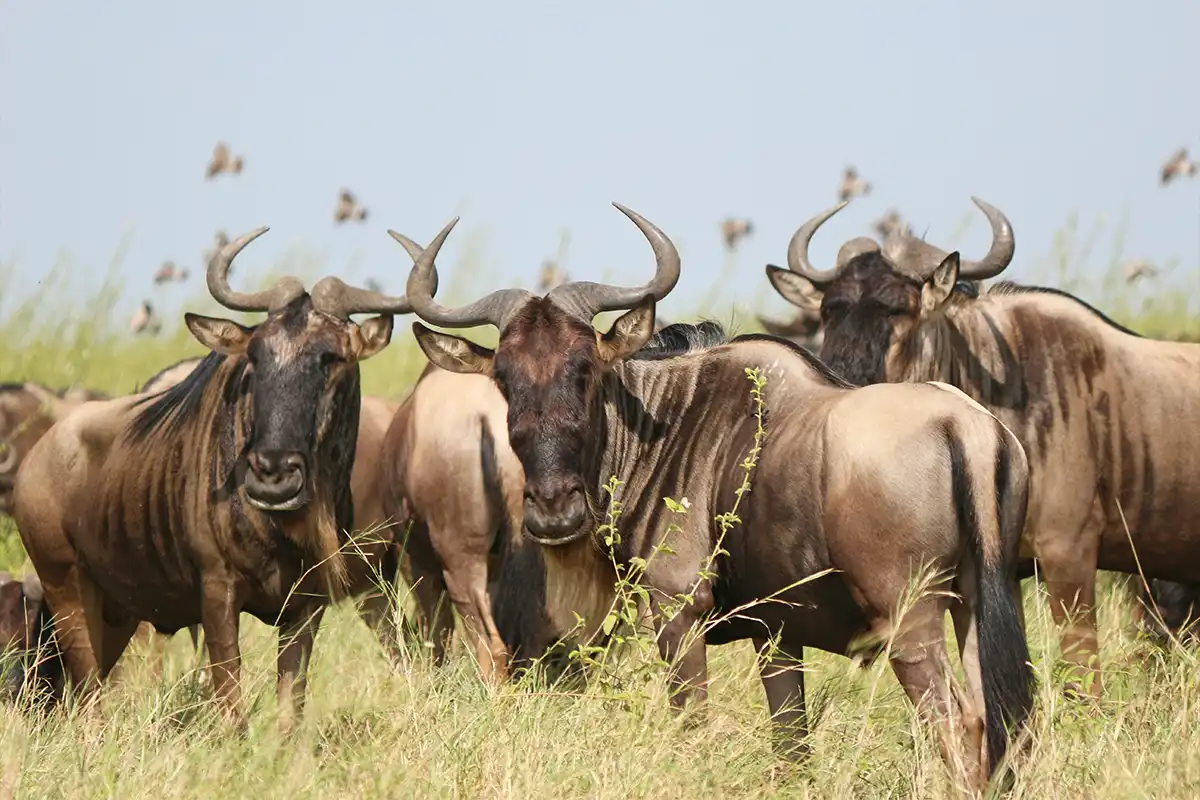
| Serengeti National Park | The Great Migration, big cats, endless plains |
| Ngorongoro Conservation Area | The crater's dense wildlife and black rhino, Maasai highlands, Olduvai Gorge |
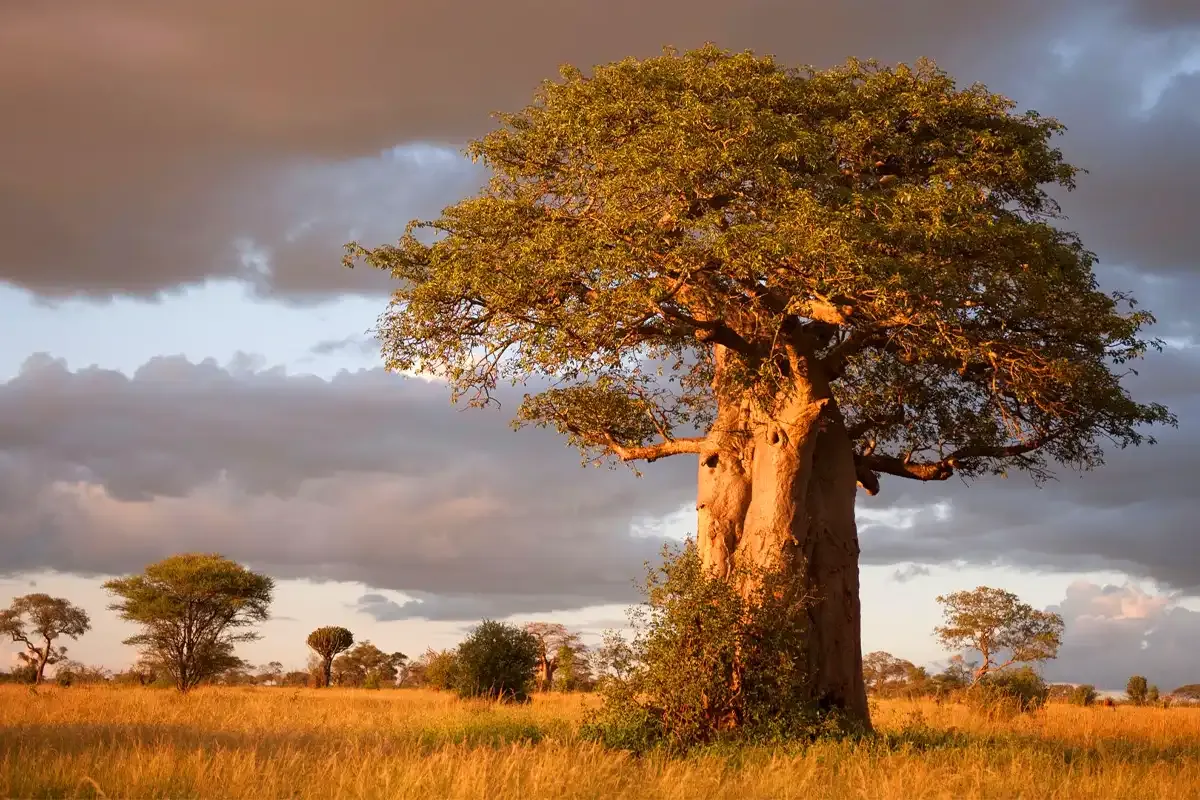
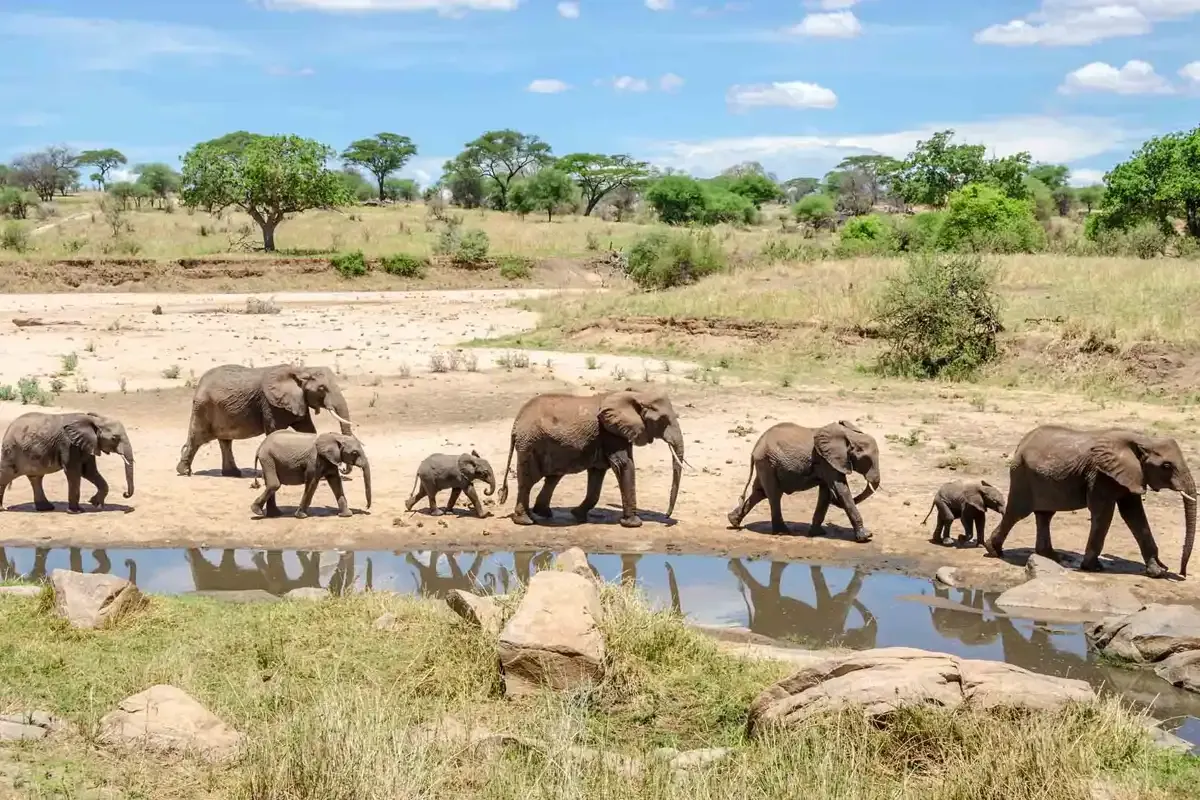
| Tarangire National Park | Elephants, baobabs, birds |
| Lake Manyara National Park | Forest, lake birds, tree-climbing lions |
| Arusha National Park | Forest, crater, lakes, walking and canoeing, Mount Meru |
| Kilimanjaro National Park | Africa's highest mountain |
Note: the Ngorongoro Conservation Area is not a national park; Maasai communities live within it alongside the wildlife.
The southern circuit
Wilder, larger and much quieter, usually reached by air.
| Park | Best for |
|---|---|
| Nyerere National Park | Boat and walking safaris, wild dogs; Tanzania's largest national park |
| Ruaha National Park | Big lion prides, elephants, kudu and sable, wilderness |
| Mikumi National Park | Easy access from Dar es Salaam, open plains |
| Udzungwa Mountains National Park | Rainforest hiking, waterfalls, rare primates |
The western parks
Remote, wild and unforgettable.
| Park | Best for |
|---|---|
| Katavi National Park | Buffalo herds and hippo pools in the late dry season |
| Mahale Mountains National Park | Chimpanzees, Lake Tanganyika beaches |
| Gombe Stream National Park | Chimpanzees, Jane Goodall's research site |
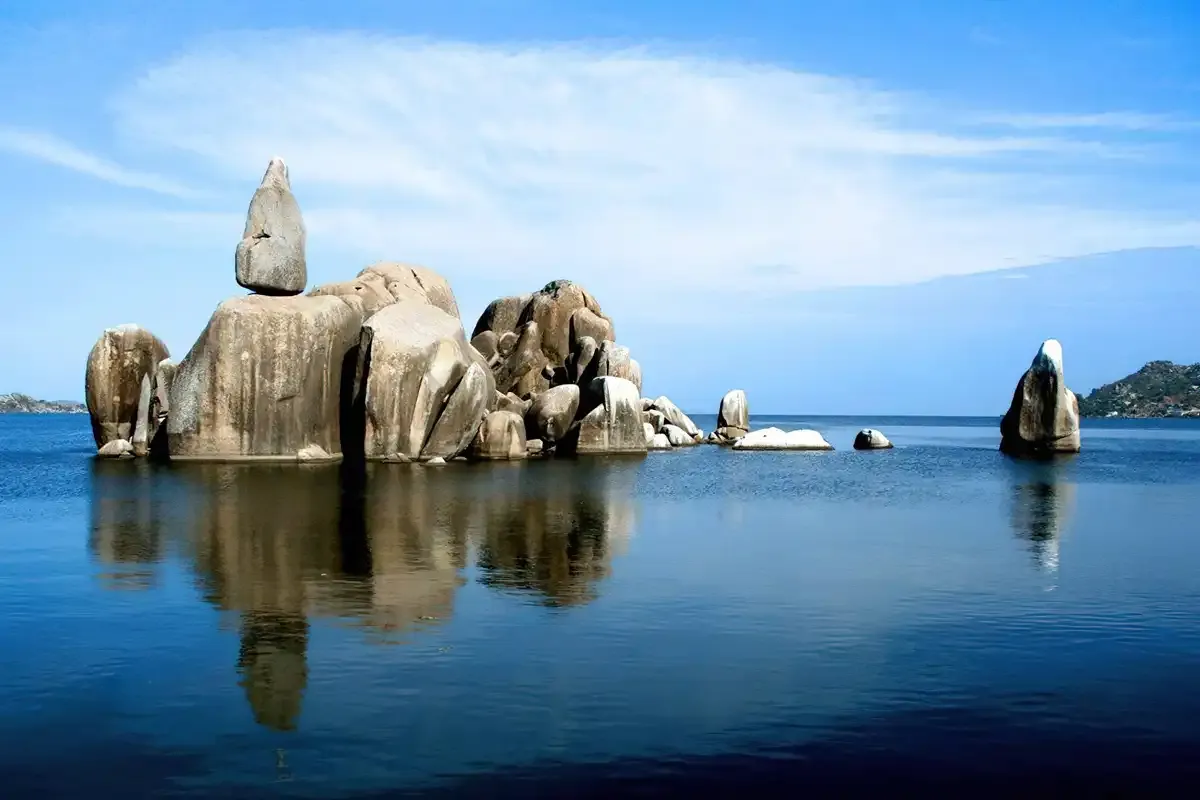
| Rubondo Island National Park | An island in Lake Victoria, birds and forest |
Coast and islands
- Saadani National Park: where the bush meets the beach, on the coast north of Dar es Salaam.
- Marine parks around Mafia Island and Mnemba (Zanzibar) for snorkelling and diving.
- Zanzibar: Jozani Chwaka Bay National Park, home of the Zanzibar red colobus.
How to choose
- First safari: the northern circuit (Serengeti, Ngorongoro, Tarangire).
- Second safari or no crowds: Ruaha and Nyerere in the south.
- Something extraordinary: Katavi and Mahale in the west.
- Short trip from the coast: Mikumi or Nyerere.
- Climbing: Kilimanjaro or Mount Meru (in Arusha National Park).
Park fees
Park fees in Tanzania are charged per person, usually per 24 hours, and vary by park. They pay for protection and management of the parks. Our safari quotes include the park fees for the parks you visit.
Read our Tanzania safari guide and hidden gems of Tanzania, then tell us which parks interest you.
Northern circuit parks in more detail
Serengeti: about 14,763 km², known for the Great Migration and big cats. Plan two to four nights.
Ngorongoro Conservation Area: about 8,292 km², with the crater, the highlands, Olduvai Gorge, Empakaai and Ndutu. One night and a crater day is typical.
Tarangire: about 2,850 km², best from June to October for elephants. One or two nights.
Lake Manyara: compact and varied, often visited as a half or full day.
Arusha National Park: close to town, for walking, canoeing and Mount Meru.
Southern and western parks in more detail
Nyerere: Tanzania's largest national park, with boat safaris on the Rufiji. Three nights.
Ruaha: about 20,000 km², big cats and wilderness. Three nights.
Mikumi: easy from Dar es Salaam, two or three days.
Katavi and Mahale: remote, often combined, three to four nights each.
Conservation areas, game reserves and community areas
Besides the national parks, Tanzania has conservation areas such as Ngorongoro, game reserves, forest reserves, and community-run wildlife management areas around the parks. Some of these allow activities not permitted in national parks, such as walking safaris and night drives, and help local communities benefit from tourism.
Rules in the national parks
- Drive only on the tracks and stay in the vehicle except at designated places.
- Be out of the park or at your lodge by the closing time.
- Don't feed animals, play loud music or leave litter.
- Respect speed limits; animals cross the roads.
- Drones are not allowed without special permits.
How to combine parks in one trip
- Classic north (6–8 days): Tarangire, Lake Manyara, the Serengeti and the Ngorongoro Crater.
- North with culture (8–10 days): add Lake Eyasi, Olduvai Gorge or Lake Natron.
- South (6–8 days): Ruaha and Nyerere by light aircraft, often with Zanzibar.
- West (8 days): Katavi and Mahale by air.
- Mountains: Kilimanjaro or Mount Meru, followed by a short northern safari.
Each region works best on its own or with one neighbour; combining north, south and west in one trip needs a lot of flying.
Best time by region
| Region | Best months | Notes |
|---|---|---|
| North | All year; June–October and December–February are ideal | Migration timing varies by month |
| South | June–October | Many camps close in April–May |
| West | July–October | Remote; flights on set days |
| Mountains | January–mid-March, June–October | Avoid April–May |
Fees, permits and rules for climbers
Kilimanjaro National Park and Mount Meru in Arusha National Park have their own climbing fees, hut or camping fees and rescue fees, separate from the safari park fees. These are included in our climbing packages. Climbers must go with licensed guides and follow the park's rules on routes, campsites and waste.
Frequently asked questions
How many national parks are there in Tanzania?
More than twenty, commonly quoted as 22, plus conservation areas, game reserves and marine parks.
What is the most famous national park in Tanzania?
The Serengeti, known for the Great Migration and its big cats.
Is the Ngorongoro Crater a national park?
No. It is part of the Ngorongoro Conservation Area, where Maasai communities live alongside the wildlife, with its own management authority.
What is the largest national park in Tanzania?
Nyerere National Park, created in 2019 from the northern part of the Selous Game Reserve.
Which parks are best for a first safari?
The northern circuit: the Serengeti, the Ngorongoro Crater, Tarangire and Lake Manyara.
Which national park is closest to Arusha?
Arusha National Park, less than an hour from town. Tarangire and Lake Manyara are about two hours away.
Can I visit several parks in one safari?
Yes. On the northern circuit, Tarangire, Lake Manyara, the Ngorongoro Crater and the Serengeti fit together easily.
Are the parks open all year?
Yes. Some camps in the south and west close in the long rains (around April and May), but the parks themselves remain open.
What is the best national park for a first-time visitor?
The Serengeti, ideally combined with the Ngorongoro Crater and Tarangire for a complete northern safari.
Do I need a guide to visit the parks?
For safaris, travelling with a licensed operator and professional guide is the norm and the safest way to explore the parks.
What is the difference between a national park and a game reserve?
National parks protect wildlife for conservation and tourism, with strict rules. Game reserves and other protected areas can have different rules and uses.
Which park is best for chimpanzees?
Mahale Mountains and Gombe Stream on Lake Tanganyika, in the far west of Tanzania.
Which park is best for walking safaris?
Nyerere, Ruaha and Arusha National Park offer guided walks with armed rangers, and some camps on the edges of other parks do too.
Which park has the most elephants?
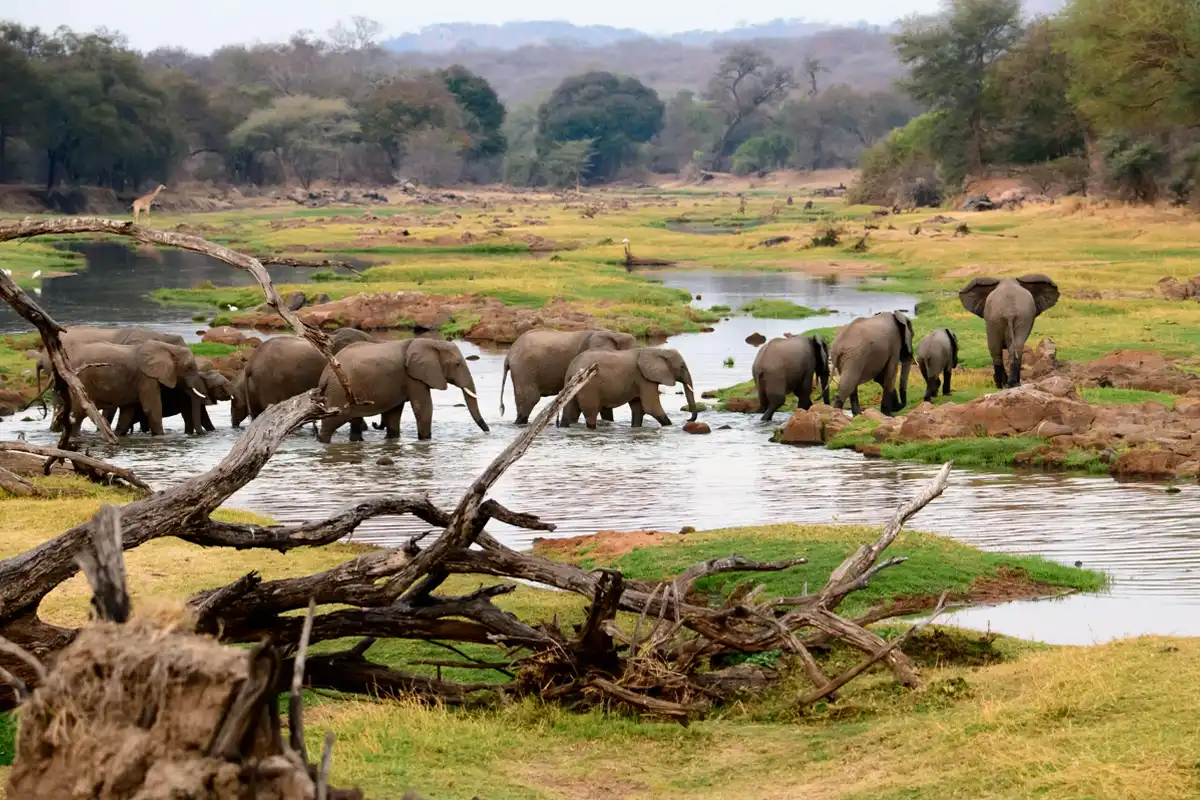
Tarangire in the dry season is famous for large elephant herds in northern Tanzania, and Ruaha and Nyerere also have important populations.