Located in northern Tanzania, about 118 km (75 miles) southwest of Arusha, Tarangire National Park is part of the country’s Northern Safari Circuit. It covers approximately 2,850 square kilometers and is the sixth-largest park in Tanzania.
Despite its size and incredible wildlife, it often gets overlooked for its more famous neighbors, Serengeti and Ngorongoro, which makes it a more peaceful and less crowded safari destination.
Let’s break it down:
Elephant Central: Tarangire is famous for hosting one of the largest concentrations of elephants in Africa, especially during the dry season when thousands of them gather near the Tarangire River.
Baobab Trees: These ancient, upside-down trees dominate the landscape and create an otherworldly setting.
Birdwatcher’s Paradise: Over 500 bird species call this park home, so if you’re a birder, this is your heaven.
Seasonal Migration: During the dry season (June to October), the park becomes a hotspot for wildlife migrating in search of water.
Off-the-Beaten-Path: Fewer crowds = better experiences, especially for photographers or couples looking for a quiet escape.
Although it’s best known for elephants, Tarangire has plenty of other stars in its cast.
| Animal | Why It’s Notable in Tarangire |
|---|---|
| Elephants | Huge herds, often seen bathing or crossing the river |
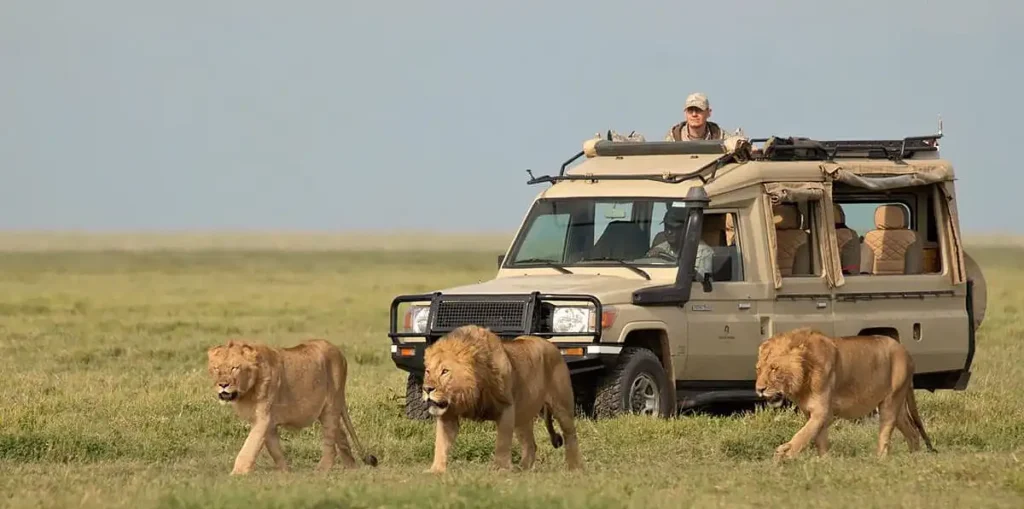
| Lions | Can be spotted lounging in the shade or stalking prey |
| Leopards | Elusive but present, especially in wooded areas |
| Cheetahs | Less common but possible in open plains |
| Buffalos & Zebras | Common sights during the dry season |
| Giraffes | Gracefully browsing on tall acacia trees |
| Wildebeest | Part of seasonal migration, especially from July to Oct |
| Baboons & Monkeys | Regularly seen near picnic sites and forested zones |
Customise one of our recommended trips or design your own from scratch
or call us on: +255754982525
Though the park is open year-round, timing can really shape your experience.
| Season | Months | What to Expect |
|---|---|---|
| Dry Season | June to October | Best for wildlife viewing—animals gather at the river |
| Green Season | November to May | Lush landscapes, fewer tourists, but some roads may be muddy |
| Peak Elephant Time | July to September | Massive herds; great photography opportunities |
💡 Note: The green season is great for birdwatchers, as migratory birds arrive and vegetation is vibrant.
Every Tanzania safari we offer is crafted from scratch, fully customized to match your preferences, travel style, and budget. The sample itineraries below are simply starting points, designed to spark ideas and showcase the incredible possibilities for your personalized safari adventure.
Serengeti National Park, Ngorongoro Crater, Tarangire National Park
Serengeti National Park, Lake Eyasi, Ngorongoro Crater, Zanzibar
Tarangire National Park, Serengeti National Park, Lake Manyara National Park
Serengeti National Park, Ngorongoro Crater
Tarangire National Park, Serengeti National Park, Lake Eyasi, Lake Manyara National Park, Ngorongoro Crater, Materuni
Tarangire National Park, Serengeti National Park, Ngorongoro Crater
Serengeti National Park, Ngorongoro Crater, Tarangire National Park, Lake Manyara
Tarangire National Park, Serengeti National Park, Ngorongoro Crater, Zanzibar
Tarangire National Park, Serengeti National Park, Lake Manyara National Park, Ngorongoro Crater


 Verified
 Verified
 Verified
 Verified
 Verified
 Verified
 Verified
 Verified
 Verified
 Verified
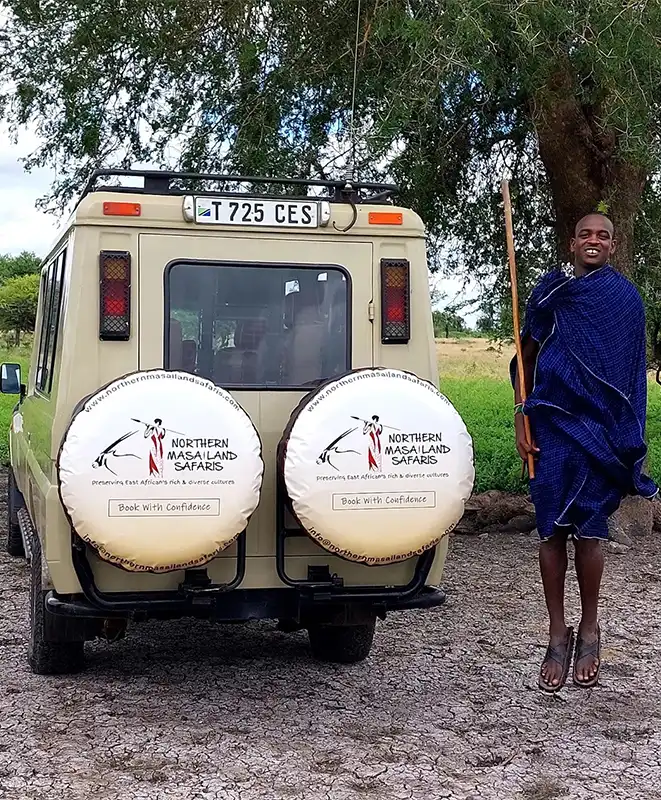
Book Your 2025/2026 Safari Now & Get a Free Masai Culture Tour!
The Maasai are a proud and vibrant tribe known for their distinctive customs and way of life. This free tour offers a unique opportunity to interact with the Maasai people.
Still Have Questions? We’re Here to Help! Contact Us
To secure the best lodges and ensure park availability, we recommend booking at least six months in advance, especially if you’re planning to travel during peak seasons, such as June to October or December to February.
It’s simple. Reach out to us directly through our website, email, or WhatsApp. Let us know your:
Preferred travel dates
Group size
Budget and interests
We’ll send you a customized itinerary within 24–48 hours.
We’ll need your:
Travel dates (fixed or flexible)
Number of travelers (adults and children)
Safari preferences (e.g., luxury, mid-range, or budget)
Activities you’re interested in (e.g., game drives, hot air balloon, cultural visits)
To confirm your safari, we ask for a 30–50% deposit depending on the itinerary. The remaining balance is due 30 to 45 days before your safari begins.
Yes, it’s highly recommended. Your policy should cover medical emergencies, trip cancellation, and baggage loss.
A 30% to 50% deposit is required to confirm your safari booking.
The balance must be paid in full no later than 30 to 45 days before the safari start date.
Bookings made within 30 days of the safari require full payment at the time of confirmation.
We accept the following payment options:
Bank wire transfer (details provided upon request)
Credit/Debit card (processing fees may apply)
Mobile payment options are available in Tanzania
USD ($) is the preferred currency for all transactions
Please note: All bank charges and currency conversion fees are the responsibility of the client.
If you choose to cancel your safari, the following refund terms apply based on the number of days before your safari start date:
| Notice Period Before Travel | Refund on Total Payment |
|---|---|
| More than 60 days | 90% refund |
| 45 – 59 days | 75% refund |
| 30 – 44 days | 50% refund |
| 15 – 29 days | 25% refund |
| Less than 15 days | No refund |
All refunds exclude transaction, bank, and administrative fees.
No refunds will be issued for no-shows, missed departures, or unused services once the safari begins.
In the unlikely event that we must cancel your trip due to unforeseen circumstances (e.g. natural disaster, political instability, or other force majeure events), you will be offered:
A full refund, or
The option to reschedule your safari at no extra cost
Date or itinerary changes are allowed free of charge up to 30 days before departure, subject to availability.
Within 30 days, amendments may incur extra charges based on supplier policies (lodges, airlines, etc.).
All approved refunds are processed within 14 business days.
Refunds are returned using the same method of original payment, unless otherwise agreed.
Passport Validity: Must be valid for at least 6 months from your entry date into Tanzania, with at least two blank pages.
Tourist Visa: Required for most nationalities. You can:
Apply online via the official Tanzania Immigration website: https://visa.immigration.go.tz
Or get a visa on arrival at major airports (Kilimanjaro, Dar es Salaam, Zanzibar)
Cost: Typically $50 USD, $100 USD for U.S. citizens (subject to change)
Tip: We recommend applying online at least 2–3 weeks before travel for faster processing.
Yellow Fever Vaccination:
Required only if you are arriving from or transiting through a yellow fever–risk country (e.g., Kenya, Uganda, Ethiopia).
You must carry your Yellow Fever certificate if applicable.
Recommended Vaccines:
Tetanus, Hepatitis A and B, Typhoid, and COVID-19 (not mandatory but encouraged)
Malaria Prevention:
Tanzania is a malaria-risk zone; consult your doctor for suitable anti-malarial medication.
Use mosquito repellent and wear long sleeves at dawn/dusk.
Travel insurance is mandatory when booking with Northern MasaiLand Safaris. Your policy should cover:
Medical emergencies and evacuation
Trip cancellation or interruption
Lost or delayed baggage
COVID-19-related delays (if applicable)
You must provide proof of insurance before arrival.
Main Airports:
Kilimanjaro International Airport (JRO) – most common for Northern Circuit safaris
Julius Nyerere International Airport (DAR) – for southern Tanzania or Zanzibar connections
Zanzibar Airport (ZNZ) – for beach holidays
Domestic Flights: We can book internal connections (Arusha to Serengeti, Zanzibar, etc.) as part of your itinerary.
Currency: Tanzanian Shilling (TZS), though USD is widely accepted.
Cards: Credit/debit cards accepted at most lodges (some with surcharges), but carry cash for tips, local markets, and small purchases.
ATMs: Available in major towns (Arusha, Moshi, Zanzibar), but not in national parks.