Hidden Gems of Tanzania: 10 Places Most Visitors Miss
Beyond the Serengeti and the crater: ten places in Tanzania that most visitors miss, and how to add them to your trip.
The Serengeti, the Ngorongoro Crater and Zanzibar are famous for good reason. But Tanzania is a big country, and some of its most memorable places see only a small share of its visitors. If you have already done the classic northern circuit, or simply want something quieter, here are ten places our guides love.
1. Lake Natron
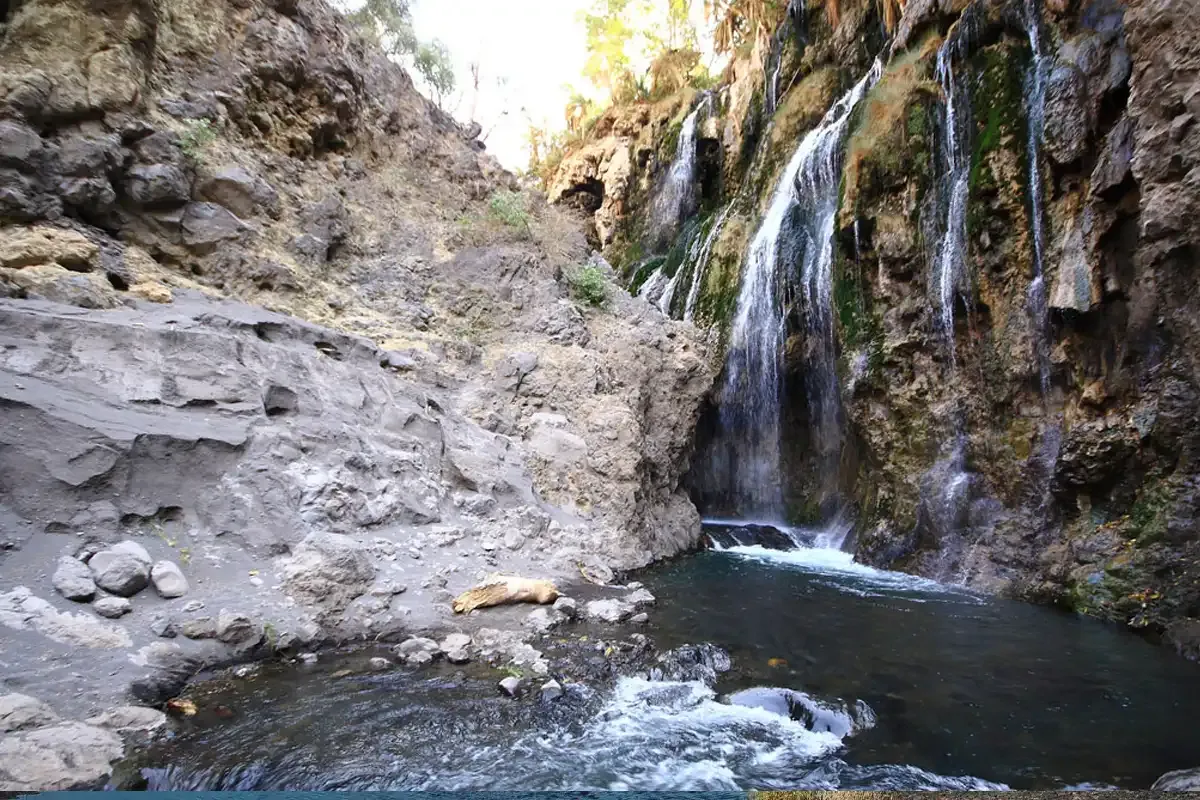
A blood-red soda lake below the active volcano Ol Doinyo Lengai, where lesser flamingos breed. Walk up a narrow gorge to the Ngare Sero waterfall, see ancient human footprints in volcanic mud, and visit Maasai families who live in this harsh, beautiful landscape. Read our Lake Natron guide.
Add it: two nights between Mto wa Mbu and the northern Serengeti, in the dry season.
2. Empakaai Crater
A smaller caldera in the Ngorongoro highlands with a soda lake at its bottom. With a ranger, you walk down through the forest to the shore, often to see flamingos, with views across to Ol Doinyo Lengai. See Empakaai Crater.
Add it: a day on the way to Lake Natron.
3. Lake Eyasi
Home of the Hadzabe, among the last hunter-gatherers in Africa, and the Datoga blacksmiths. A dawn walk with the Hadzabe is one of the most remarkable cultural experiences in Tanzania, if done respectfully. See Lake Eyasi.
Add it: one or two nights between Karatu and the Serengeti.
4. Ruaha National Park
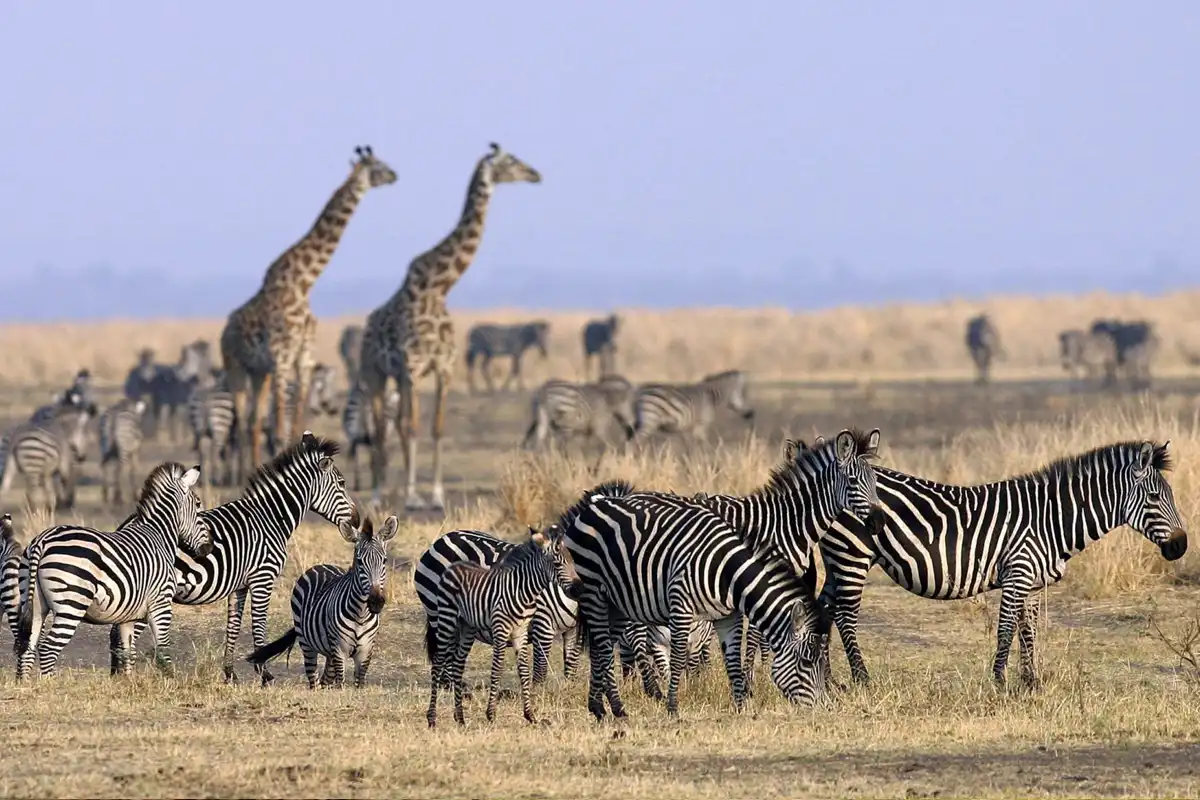
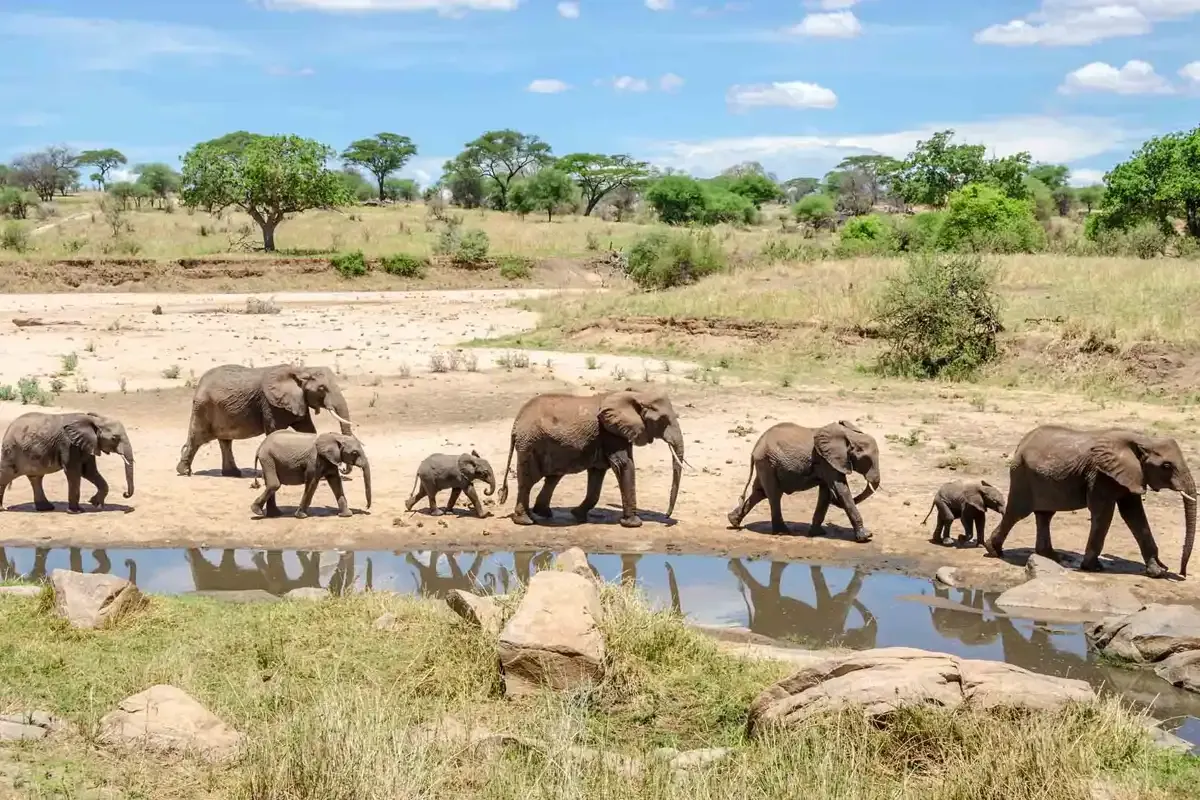
One of the largest national parks in Africa, with big lion prides, elephants, wild dogs and kudu, and very few vehicles. See Ruaha.
Add it: three nights, by light aircraft, ideally with Nyerere.
5. Katavi National Park
One of the most remote parks on the continent. In the late dry season, buffalo herds and crowded hippo pools make it unforgettable. See Katavi.
Add it: three or four nights from July to October, by air.
6. Mahale Mountains
Forested mountains above the clear water of Lake Tanganyika, home to wild chimpanzees. You arrive by plane and boat and stay on a lakeshore beach. See Mahale Mountains.
Add it: three or four nights, often combined with Katavi.
7. Arusha National Park
Overlooked because it is so close to town, but it offers forest, a crater, lakes, walking safaris and canoeing, and colobus monkeys. See Arusha National Park.
Add it: your first or last day.
8. The Usambara Mountains
Green mountains in north-eastern Tanzania with villages, forests, waterfalls and viewpoints over the plains, popular with hikers. A cooler, quieter break between the safari and the coast.
Add it: two or three nights on the way to the coast.
9. Pemba Island
Zanzibar's greener, quieter sister island, known for clove farms, mangroves and some of the best diving in East Africa. Far fewer visitors than Unguja.
Add it: three or four nights after a safari, by small plane from Zanzibar or the mainland.
10. Mafia Island
A marine park island south of Zanzibar, known for diving and, in season, swimming near whale sharks with responsible operators. Small, quiet and relaxed.
Add it: three or four nights, easily combined with Nyerere National Park.
How to plan a trip off the beaten track
- Travel in the dry season (June–October) for the remote parks; some camps close in the rains.
- Fly where it saves days: Ruaha, Katavi, Mahale and the islands are best reached by air.
- Mix classic and hidden: many guests combine the Serengeti with one or two quieter places.
Tell us what kind of trip you dream of, and we will suggest the hidden gems that fit it. Also see our southern circuit guide and adventure safaris.
Three trips built around hidden gems
The highlands and the Rift Valley (7 days): Tarangire, the Ngorongoro Crater, a day walking into Empakaai Crater, then two nights at Lake Natron with the flamingos, the waterfall hike and a Maasai village visit. Return via Mto wa Mbu.
The wild south (8 days): fly into Ruaha for three nights of big cats and walking, then Nyerere for boat and walking safaris, and end with three nights on Mafia Island for snorkelling and diving.
The far west (8 days): Katavi for buffalo herds and hippo pools, then Mahale for chimpanzees and a beach on Lake Tanganyika. See our 8 Days Katavi & Mahale Chimpanzee Safari.
Why go off the beaten track?
- Space: in many of these places you rarely see another vehicle.
- Variety: chimpanzees, flamingo lakes, volcanoes, islands and cultures you won't meet on the classic circuit.
- Authenticity: fewer visitors often means more genuine encounters, whether with wildlife or with people.
- A second safari: if you've already seen the Serengeti, these places make your next trip completely different.
What to expect
Remote places are rewarding, but they ask a little more of you. Roads can be rough, accommodation is simpler in some areas, flights may run only on certain days, and the heat at Lake Natron or in Katavi can be intense. Good planning makes all the difference, and our team will explain the practical details of each place before you book.
Hidden gems for culture lovers
Not every hidden gem is a park. Some of our favourite days are spent in villages and towns: a cycling tour through the banana farms of Mto wa Mbu, coffee with a Chagga family above Moshi, the old trading town of Bagamoyo on the coast, or the quiet alleys of Stone Town early in the morning before the day-trippers arrive. These experiences bring you closer to everyday Tanzanian life.
Frequently asked questions
What are the least crowded parks in Tanzania?
Ruaha, Katavi, Mahale, Nyerere and Mikumi see far fewer visitors than the northern circuit. In the north, Lake Natron and Empakaai are quiet too.
Can I combine hidden gems with the Serengeti?
Yes. Lake Natron, Empakaai and Lake Eyasi fit naturally around a northern safari. The southern and western parks are best added by air.
Are remote parks more expensive?
Often, because they are reached by light aircraft and have few camps. In return, you get wilderness and very few vehicles.
When is the best time to visit the remote parks?
The dry season, June to October. Many camps in the south and west close during the long rains.
Is Pemba different from Zanzibar?
Yes. Pemba is greener, quieter and less developed, with excellent diving and clove farms. Zanzibar (Unguja) has Stone Town and more beaches and hotels.
What is the most underrated park in Tanzania?
Many of our guides would say Ruaha: huge, wild, full of predators and kudu, and visited by only a fraction of the travellers who go to the Serengeti.
Can I visit hidden gems on a budget?
Some, yes. Lake Natron, Empakaai, Lake Eyasi and Arusha National Park can be reached by road from Arusha. The remote parks and islands are more expensive because of flights.
Are the hidden gems safe to visit?
Yes, with a licensed operator and local guides. Remote areas need good planning, which is part of what we do.
How do I get to Lake Natron?
By road from Mto wa Mbu, about three to four hours on a partly rough road, in a 4×4. Charter flights are also possible.
Which hidden gem is best for a first-time visitor?
Lake Natron or Arusha National Park, because they fit easily into a classic northern safari without long flights.