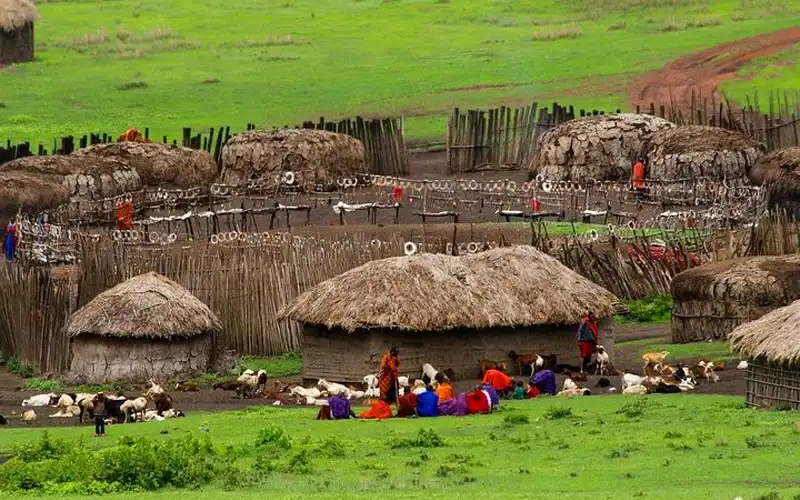
Maasai village visit
Step inside a Maasai homestead in the Ngorongoro highlands: cattle, homes of mud and sticks, songs, and families who share how they live.

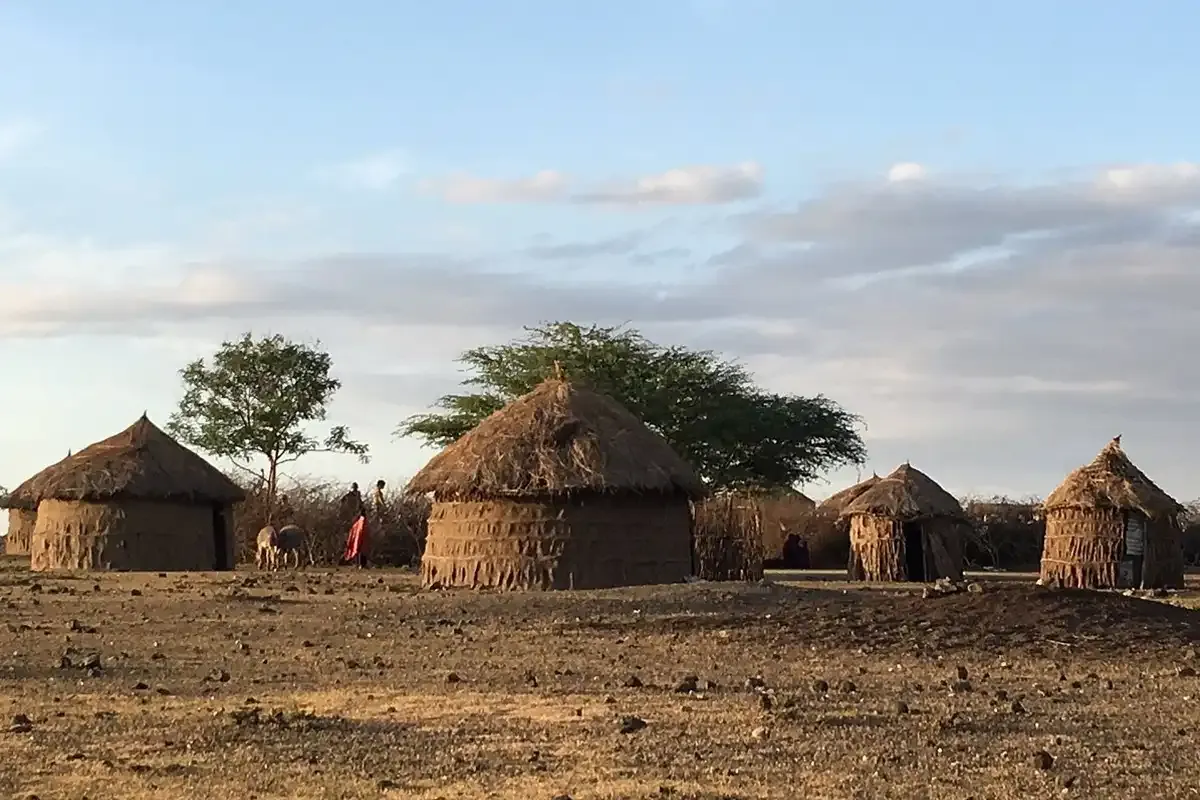
A lively market town at the gate of Lake Manyara, where people from many Tanzanian communities live together among banana farms and rice fields.
Mto wa Mbu means "river of mosquitoes" in Swahili. Don't let that put you off. This small town at the foot of the Great Rift Valley escarpment, right by the gate of Lake Manyara National Park, is one of the liveliest and greenest places on the safari route. Springs from the escarpment water its fields all year, so while the plains around it are dry and brown, Mto wa Mbu is full of banana plantations, rice paddies, palm trees and fruit stalls.
People from many different Tanzanian communities have settled here over the years, attracted by the water and fertile soil. That mix makes Mto wa Mbu one of the best places on a northern safari to see everyday Tanzanian life in a short time.
A local guide from the town's cultural tourism programme leads you on foot or by bicycle along the farm paths. A typical tour of 2–3 hours includes:
The fee supports the community and the local guides.
Mto wa Mbu can be visited all year. In the rainy months (especially April and May) the paths can be muddy, but the farms are at their greenest.
Most guests visit for a few hours on the way to or from Lake Manyara, Karatu or the Ngorongoro Crater. It is also the starting point of the road to Lake Natron. The 8 Days Luxury Tanzania Safari already includes a visit.
There are lodges and campsites in and around Mto wa Mbu, and more on the escarpment above Lake Manyara.
Read more on our cultural safaris page, or ask us to add a cultural afternoon to your safari.
Highlighted months are the best time to visit.
Open all year. The farms are green all year thanks to the springs; April and May are the wettest months, when farm paths can be muddy.
Mto wa Mbu is on the main tarmac road from Arusha to Karatu and the Ngorongoro Crater, about 2 hours from Arusha, at the entrance to Lake Manyara National Park.
Step inside a Maasai homestead in the Ngorongoro highlands: cattle, homes of mud and sticks, songs, and families who share how they live.
"River of mosquitoes" in Swahili. Despite the name, it is a lively, green and pleasant town, and the cultural tour is mostly in daylight.
A local guide takes you on foot or by bicycle through banana farms and rice fields, to craft workshops and the market, usually with a home-cooked lunch. It takes about 2–3 hours.
Yes, if you want to see everyday Tanzanian life between game drives. It is easy to add on the way to Lake Manyara or the Ngorongoro Crater.
About 2 hours by road on tarmac, on the way to Lake Manyara and Ngorongoro.
Yes. There are many craft stalls and workshops, including woodcarvings and tingatinga paintings. Bargain politely.
Every one can be changed to your dates, budget and pace.
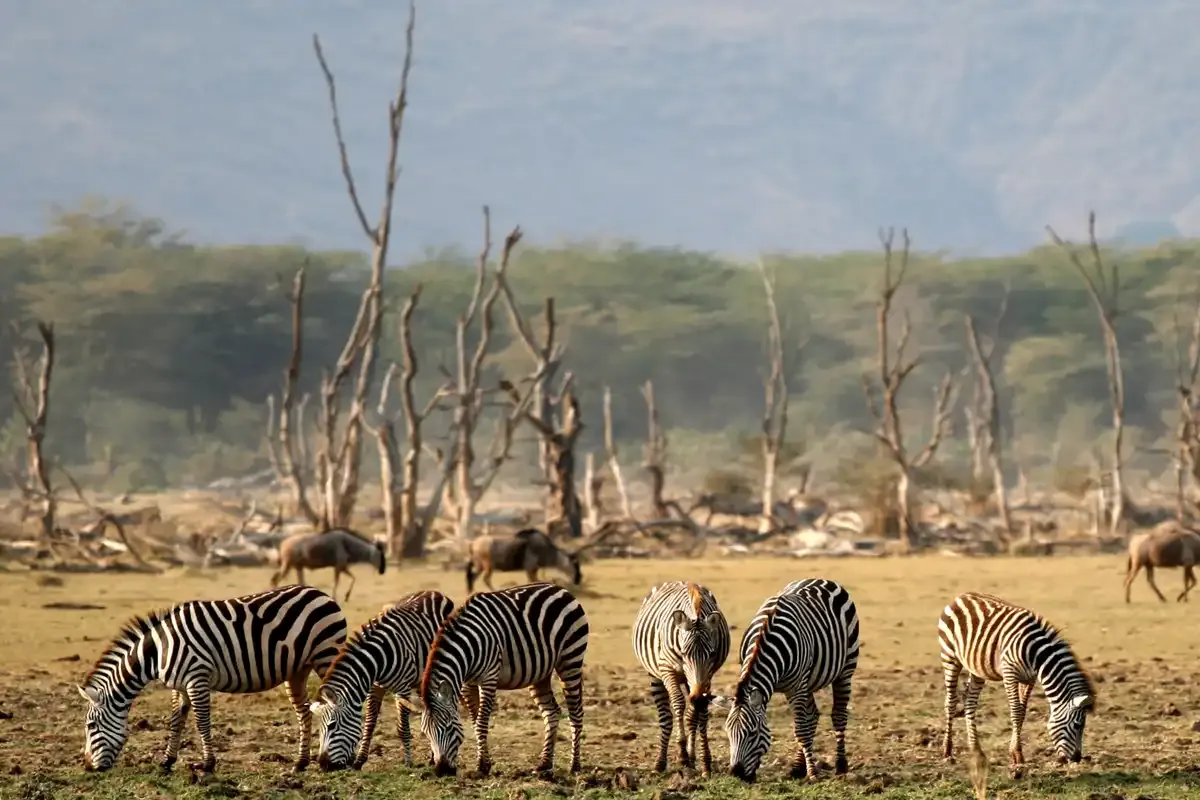
Forest, lake and Rift Valley views in one compact park, two hours from Arusha: baboons, elephants, hippos, flamingos (in season) and maybe …
Can be fully customised

A day of real Tanzanian life: banana farms, markets and craft workshops in Mto wa Mbu, a home-cooked lunch, and a visit to a Maasai family.
Can be fully customised
Ask us anything. We will reply by email with ideas for your trip.