Tanzania vs Kenya Safari: Which Is Right for You?
Both countries offer world-class safaris. Here is an honest comparison of wildlife, crowds, cost, beaches and logistics, and when it makes sense to visit both.
"Tanzania or Kenya?" is one of the first questions many travellers ask us. We are based in Tanzania, so we are not neutral, but we will try to be honest: both countries offer superb safaris, they share the same great ecosystem, and for some travellers the best answer is to visit both.
Here is how they compare on the things that matter most.
The short answer
- Choose Tanzania if you want vast, less crowded parks, the Great Migration for most of the year, the Ngorongoro Crater, Kilimanjaro and the beaches of Zanzibar.
- Choose Kenya if you have only a few days, want the Mara River crossings with a short flight from a big airport, or love private conservancies with walking and night drives.
- Choose both if you have ten days or more and want to follow the migration across the border.
Wildlife and the Great Migration
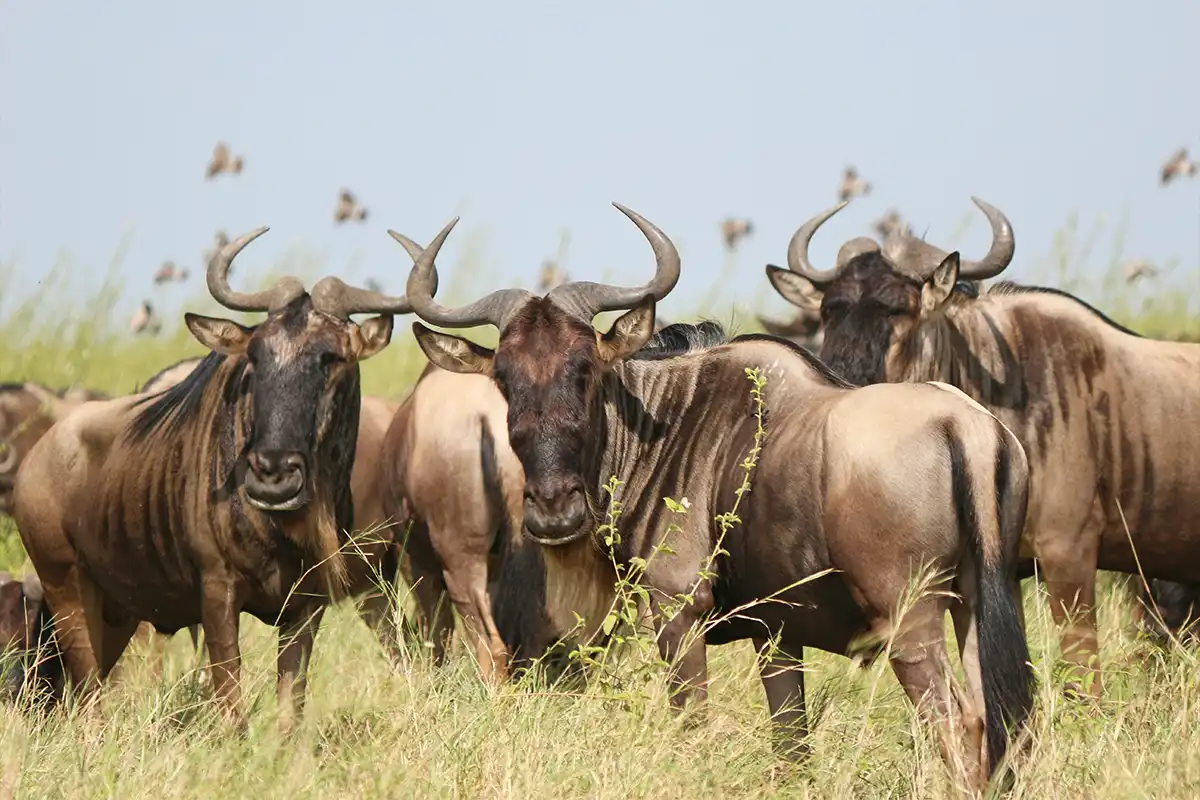
The Serengeti in Tanzania and the Maasai Mara in Kenya are one ecosystem. The herds spend most of the year in Tanzania: calving on the southern Serengeti plains from about December to March, moving through the central and western Serengeti from April to June, and reaching the northern Serengeti in July. From about August to October, many of them cross into the Maasai Mara before returning south.
So for the calving season and most of the year, Tanzania is the place. For river crossings, both countries have them: Tanzania's northern Serengeti from about July to October, and Kenya's Maasai Mara from about August to October.
Beyond the migration, both countries have the Big Five. Tanzania's Ngorongoro Crater is one of the best places in East Africa to see black rhino. Kenya's dry north (Samburu) has species you won't find in northern Tanzania, such as Grévy's zebra and the reticulated giraffe.
Size and crowds
Tanzania's parks are big. The Serengeti alone covers about 14,763 km², roughly ten times the size of the Maasai Mara National Reserve. In practice, this means more space between vehicles, especially away from the centre. The Mara is compact, so sightings come quickly but can be busy in peak season, although Kenya's private conservancies limit vehicle numbers.
In Tanzania, the southern parks and the remote west offer real wilderness with very few visitors.
Variety: mountains, culture and beaches
Tanzania packs a lot into one trip:
- Kilimanjaro, Africa's highest mountain, for climbers. See our Kilimanjaro routes.
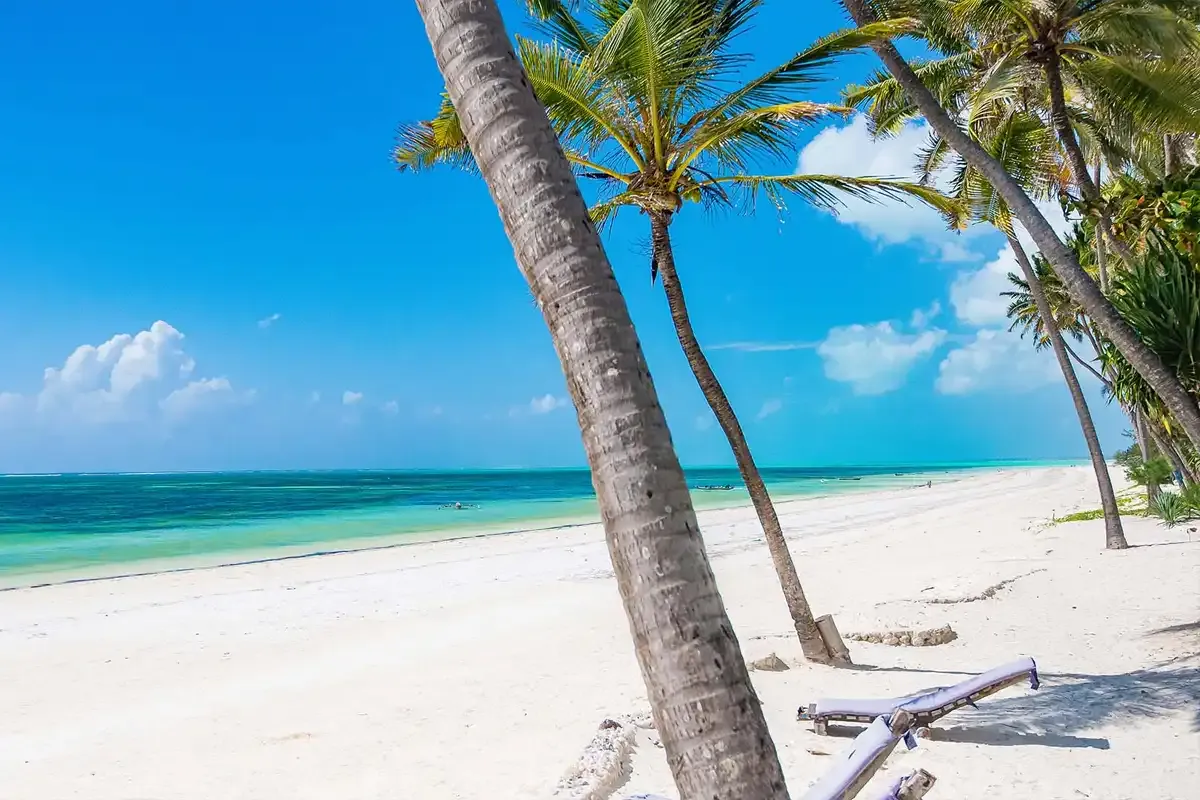
- Zanzibar, a short flight from the parks, for the beach. See our Zanzibar guide.
- Culture: Maasai communities, the Hadzabe at Lake Eyasi, and Olduvai Gorge.
Kenya has its own coast (Diani, Lamu), Mount Kenya, and strong Maasai and Samburu cultures.
Cost
Both can be done at every budget level. Park fees in Tanzania are generally higher, and the distances between parks are longer, which can make a Tanzanian safari cost more per day. Kenya can be cheaper for very short trips because the Mara is close to Nairobi. For longer trips, the difference often narrows. Read our Tanzania safari cost guide for what drives the price.
Getting there and around
- Kenya: Nairobi is a major hub with many direct international flights. The Mara is about 45 minutes by light aircraft or 5–6 hours by road.
- Tanzania: Kilimanjaro International Airport is close to Arusha, the safari capital. Many guests fly home from Zanzibar.
Crossing between the two is easy: the Namanga border lies on the road between Arusha and Nairobi, and there are flights between Nairobi and Kilimanjaro.
When to go
| Tanzania | Kenya | |
|---|---|---|
| Best overall | June–October, December–February | July–October, January–February |
| Migration calving | January–March (southern Serengeti) | — |
| River crossings | July–October (northern Serengeti) | August–October (Maasai Mara) |
| Long rains | March–May | April–May |
Can you combine both?
Yes, and it is a great way to see East Africa. A typical combination is three nights in the Maasai Mara followed by the northern Serengeti, the Ngorongoro Crater and Tarangire, then perhaps Zanzibar. You need entry permission for each country. See our Kenya guide for ideas.
Our honest advice
If it is your first safari and you have a week or more, Tanzania gives you the most: the Serengeti, the crater, and the option of Kilimanjaro or Zanzibar. If you only have three or four days, the Maasai Mara from Nairobi can be the simplest choice. And if you can, do both. Tell us your dates and we will give you an honest recommendation.
Culture and people
Both countries are home to the Maasai, whose land includes the Maasai Mara and the Serengeti–Ngorongoro area. In Tanzania you can also meet the Hadzabe hunter-gatherers and Datoga at Lake Eyasi, visit Chagga coffee farms on the slopes of Kilimanjaro, and explore Swahili history in Zanzibar's Stone Town. Kenya offers the Samburu in the north and the Swahili coast around Lamu. Wherever you go, a respectful visit with a local guide adds a lot to a safari.
Safety and practicalities
Both countries are popular, well-established safari destinations, and safaris with a licensed operator are safe. In both, take normal care in the cities, use registered taxis at night and follow your guide's advice in the parks. Visa rules differ and change from time to time, so check the latest requirements for your passport for each country. English is widely spoken in tourism in both, and Swahili is spoken in both countries, so a few words of Swahili go a long way: see our Swahili phrases guide.
A sample combined itinerary
- Days 1–3: fly from Nairobi to the Maasai Mara; game drives in a conservancy.
- Day 4: fly to the northern Serengeti (or travel via Nairobi and Kilimanjaro, depending on the routes running that season).
- Days 5–7: the Serengeti, following the herds.
- Day 8: the Ngorongoro Crater.
- Days 9–12: fly to Zanzibar for the beach.
Frequently asked questions
Is Tanzania or Kenya better for the Great Migration?
The herds spend most of the year in Tanzania's Serengeti, including the calving season from about January to March. River crossings happen in both: the northern Serengeti from about July and the Maasai Mara from about August to October.
Is a safari cheaper in Kenya or Tanzania?
Kenya can be cheaper for short trips because the Mara is close to Nairobi and park fees are generally lower. For longer trips, the difference often becomes smaller.
Which is less crowded?
Tanzania's parks are larger, so there is usually more space. The Maasai Mara is compact and can be busy in peak season, though the private conservancies limit vehicles.
Can I visit Kenya and Tanzania on one trip?
Yes. Cross by road at Namanga between Nairobi and Arusha, or fly. You need entry permission for each country.
Which is better for a first safari?
Both are excellent. With a week or more, Tanzania offers more variety: the Serengeti, the Ngorongoro Crater, and options for Kilimanjaro and Zanzibar.
Which country has better beaches?
Tanzania has Zanzibar, Pemba and Mafia, all a short flight from the safari parks. Kenya has Diani and the Lamu archipelago. Both are lovely; Zanzibar is the easiest to combine with a northern safari.
Is the food different on safari in Kenya and Tanzania?
Not much. Lodges and camps in both countries serve international dishes with local touches. In towns you can try local food such as nyama choma (grilled meat), pilau rice and chapati in both countries.
Which is better for a family safari?
Both work well. Tanzania's northern parks are close together, with short drives between Tarangire, Lake Manyara and the Ngorongoro Crater, and Zanzibar for the beach. Kenya's Mara is quick to reach from Nairobi for short trips.