
Trekking
Kilimanjaro routes
Mount Kilimanjaro is Africa's highest mountain at 5,895 metres, and the highest free-standing mountain in the world. You don't need climbing experience to reach Uhuru Peak: what you need is a good route, enough days to acclimatise, and a strong team of guides, cooks and porters behind you.
There are several routes to the summit, each with its own scenery, difficulty and number of days. Below are the climbs we run. The best choice depends on your fitness, your time and whether you prefer camping or huts. Not sure? Read our Kilimanjaro routes comparison or ask us.
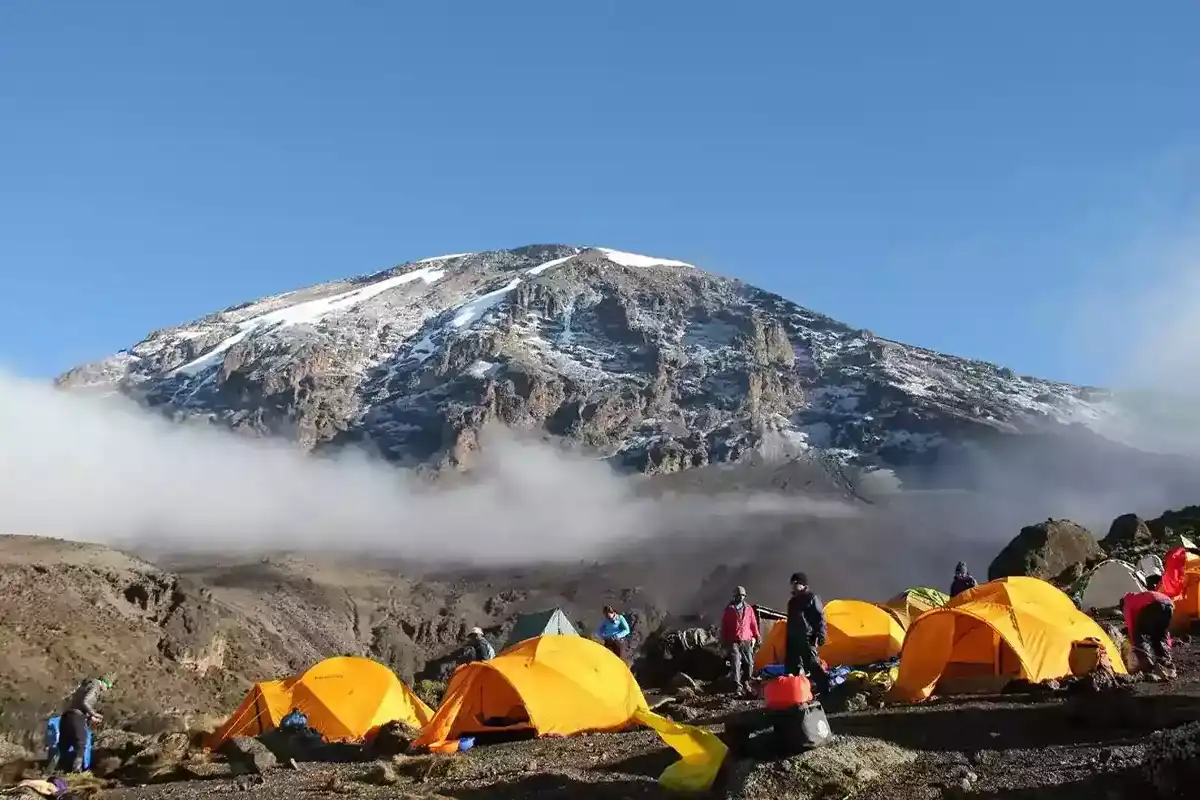
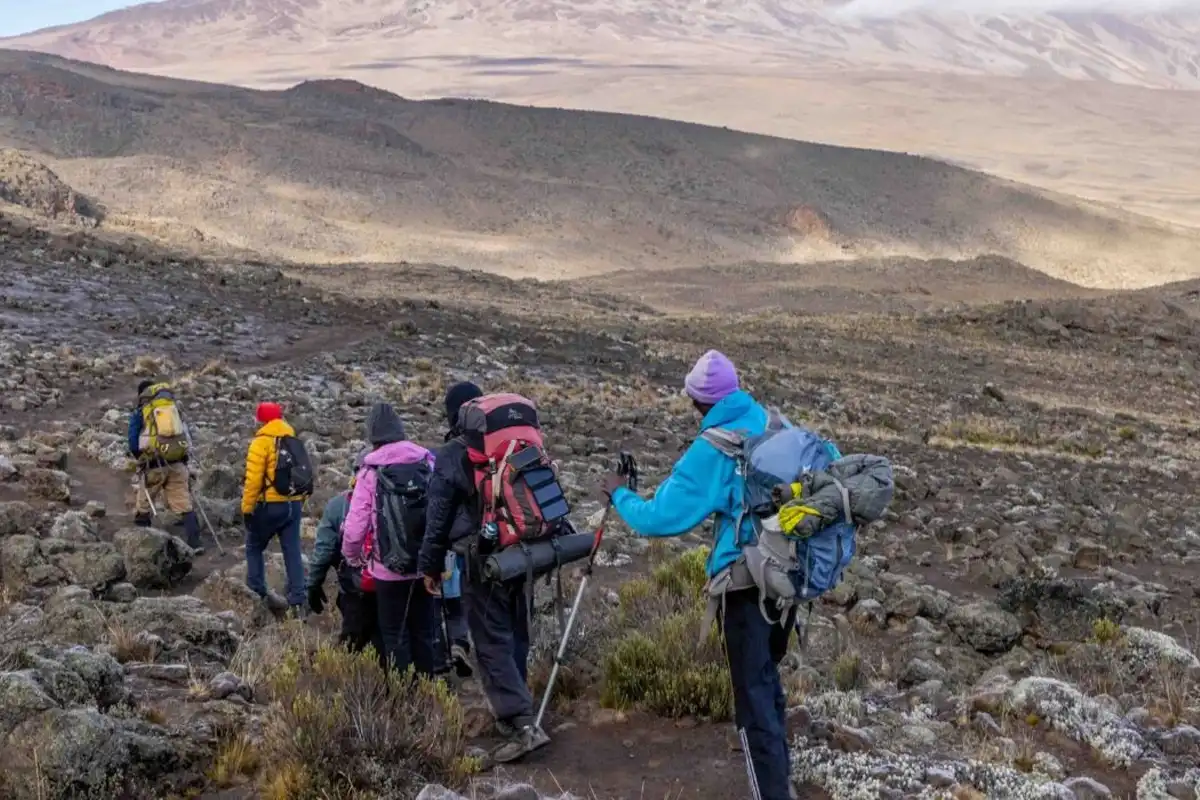
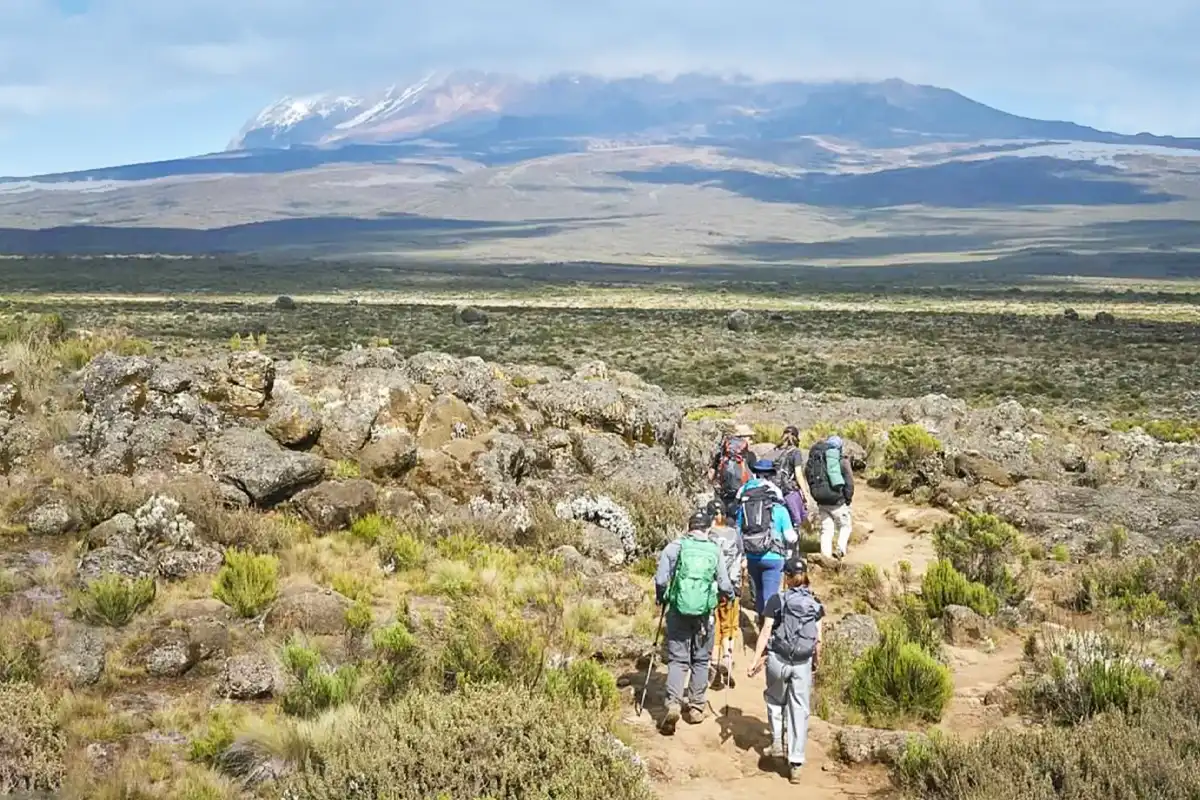
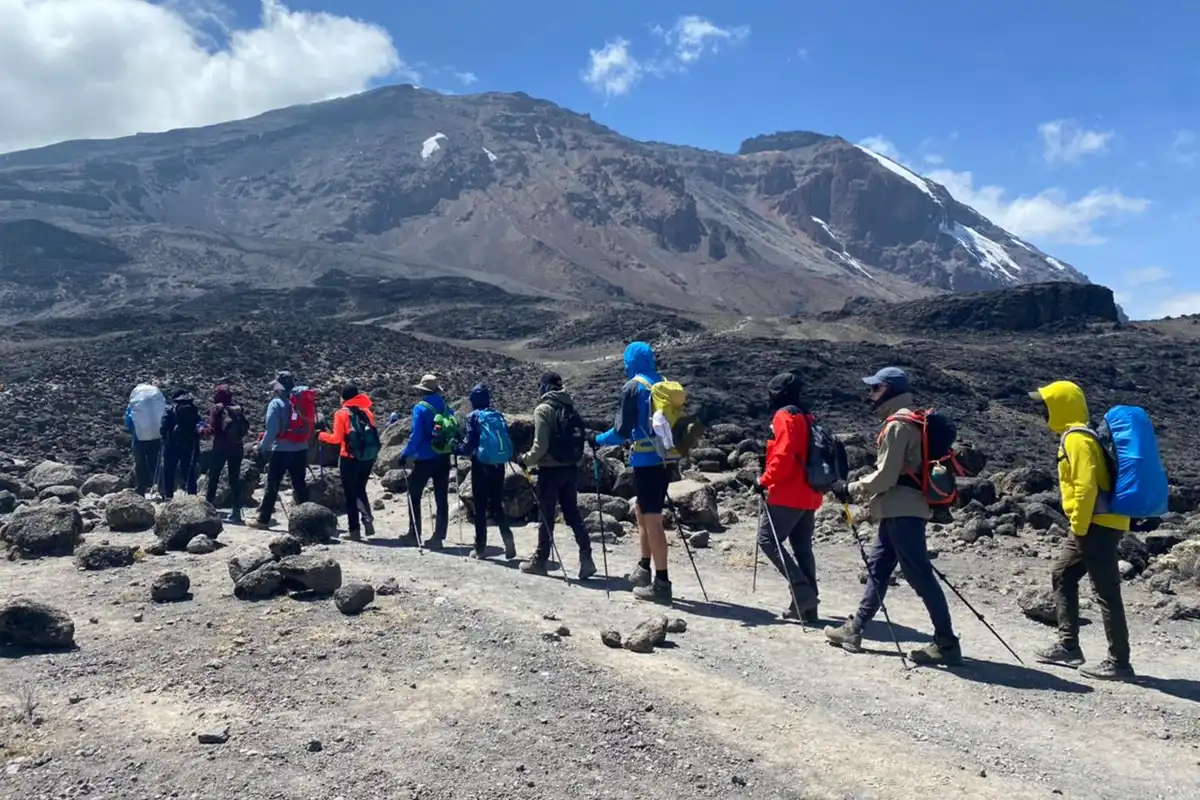
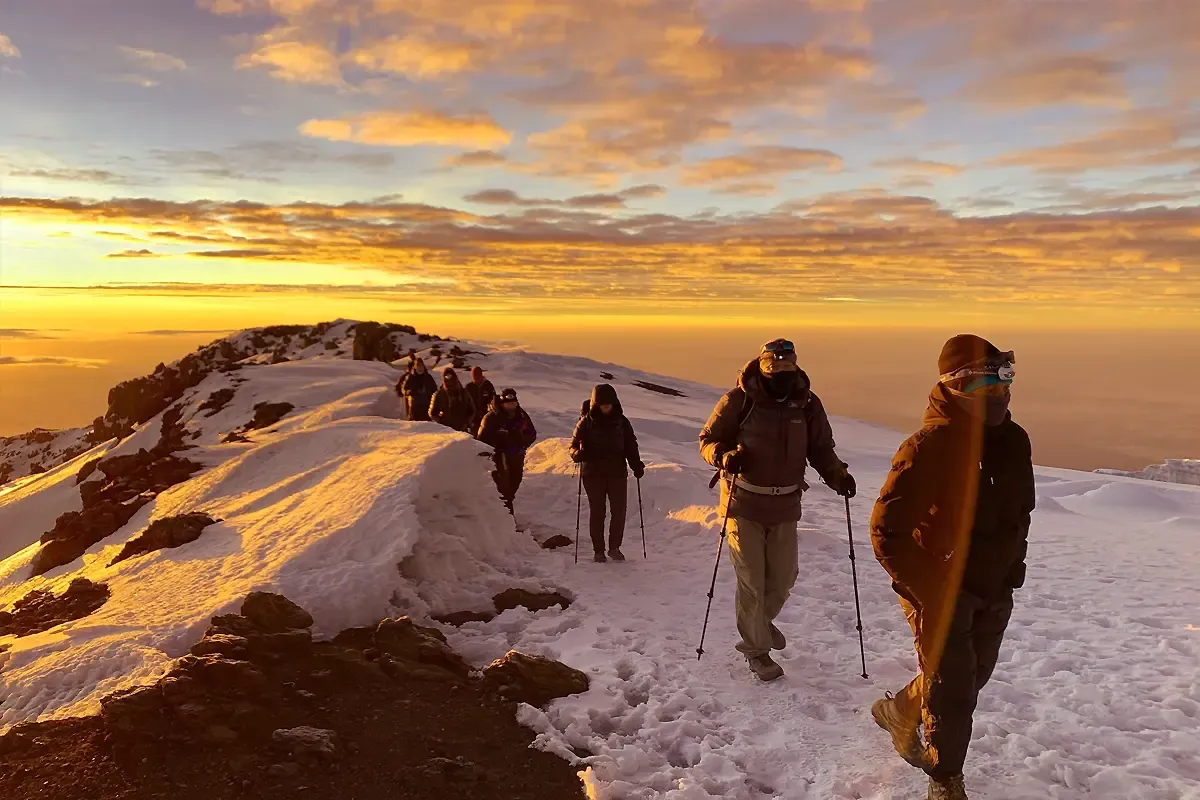
11 Days Kilimanjaro Machame Climb & Safari
Stand on the Roof of Africa, then celebrate with a safari: seven days on the Machame route followed by three days in Tarangire, Lake Manyar…
Can be fully customised
PriceOn request
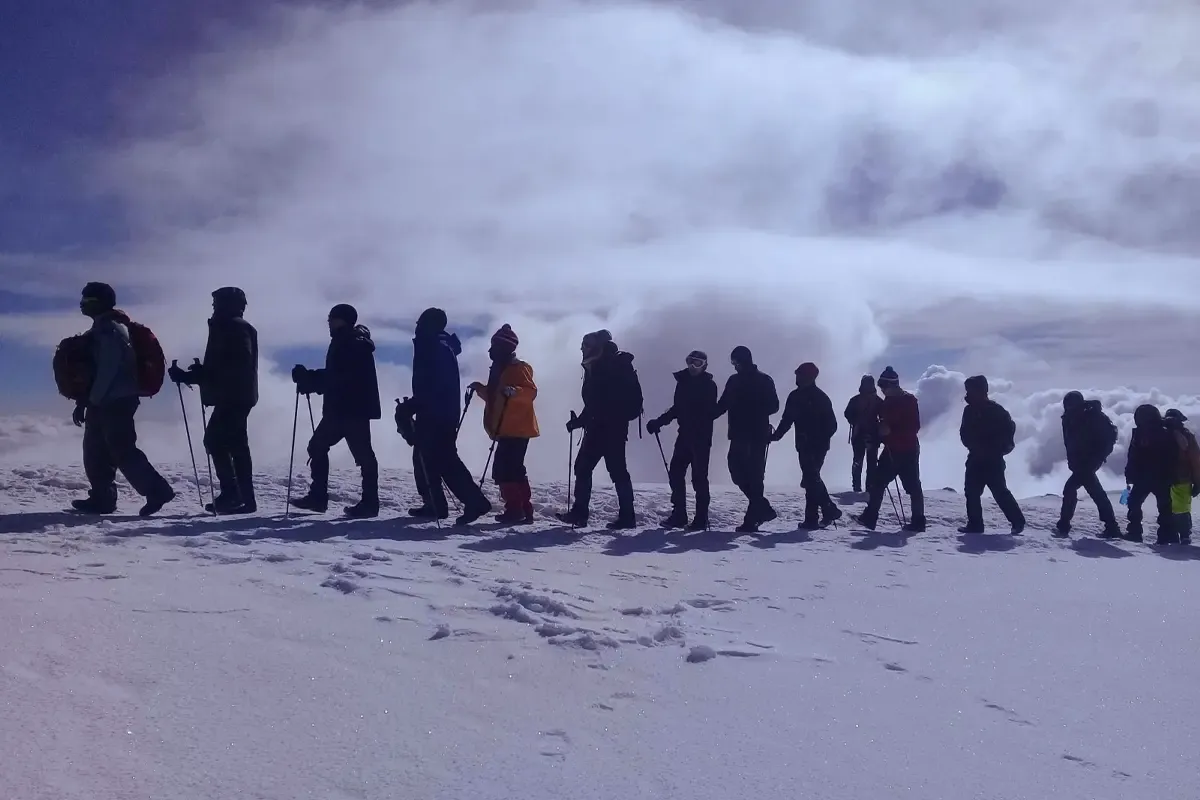
14 Days Kilimanjaro, Safari & Zanzibar
Tanzania's big three in two weeks: the summit of Kilimanjaro, a safari to Tarangire and the Ngorongoro Crater, and three nights on a Zanzib…
Can be fully customised
PriceOn request
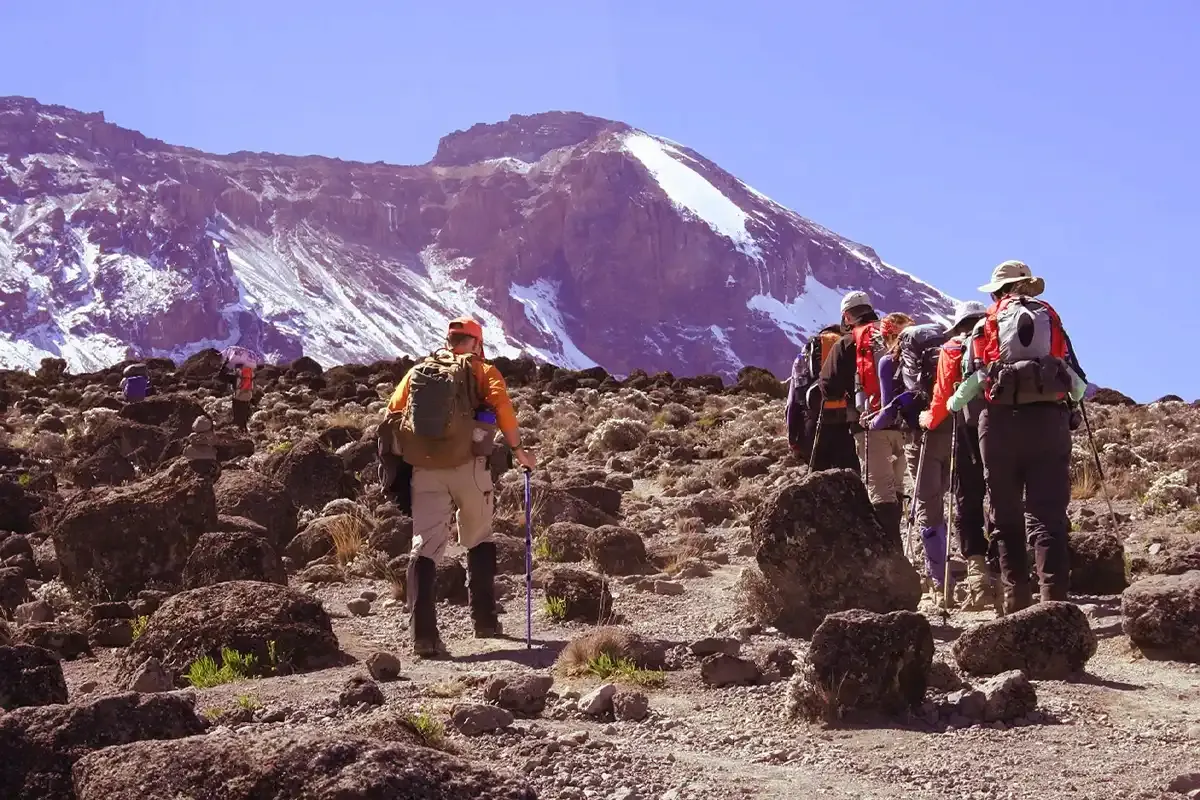
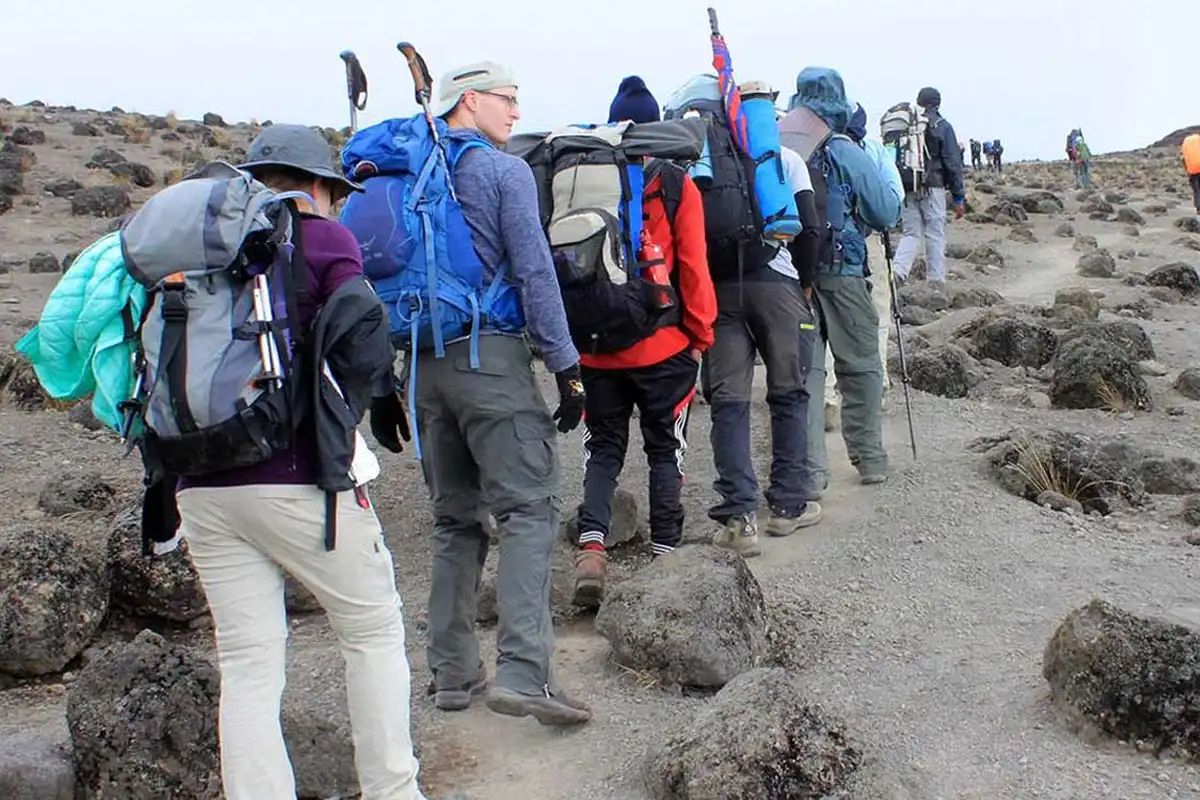
7 Days Kilimanjaro Trekking Rongai Route
The quiet way up Kilimanjaro: the only route from the north, drier and less crowded, with a night at Mawenzi Tarn and a summit attempt from…
Can be fully customised
PriceOn request
No trip matches all of those
Try fewer filters, or tell us what you want and we will build the trip for you.
Trips without a published price match any budget: we quote them for your dates and group size.
Which route is right for you?
| Route | Days | Sleeping | Good for |
|---|---|---|---|
| Marangu | 5–6 | Huts | Those who prefer a bed in a hut; the 6-day version adds an acclimatisation day |
| Machame | 6–7 | Tents | Scenery and a good acclimatisation profile; the most popular route |
| Lemosho | 7–8 | Tents | Quieter start, beautiful scenery, high success rates on longer versions |
| Umbwe | 6 | Tents | Strong, experienced hikers: steep and direct |
| Northern Circuit | 9 | Tents | The longest route, with the best time to acclimatise |
| Rongai | 6–7 | Tents | A quieter, drier route from the north |
Our advice: choose more days rather than fewer. The extra day for acclimatisation is the single biggest help in reaching the summit safely. Read more about altitude sickness and the best time to climb Kilimanjaro.
Every climb includes
Professional mountain guides, cooks and porters, park and rescue fees, meals on the mountain, tents or huts, and airport transfers, as listed on each tour. Add a safari or Zanzibar after the climb: see our Kilimanjaro climbing page.
Frequently asked questions
Which Kilimanjaro route has the best success rate?
Longer routes with good acclimatisation, such as the 8-day Lemosho or the 9-day Northern Circuit, give the best chances. Spending more days on the mountain matters more than which side you climb from.
How many days do you need to climb Kilimanjaro?
At least six days, and seven or eight if you can. The 5-day Marangu climb is possible, but the short time to acclimatise makes the summit harder.
When is the best time to climb Kilimanjaro?
The dry months, roughly January to mid-March and June to October. April and May are the wettest months.
Do I need climbing experience?
No technical climbing is needed on the main routes. You should be fit enough to walk 5–8 hours a day for several days, and the summit night is long and cold.
Which route is the easiest?
There is no truly easy route. Marangu and Rongai have gentler gradients, but the altitude is the same everywhere. A longer route is usually "easier" because you adapt to the altitude better.
Not sure which trip is right?
Tell us your dates, who is travelling and what you would love to see. We will suggest a route and send a free quote.