There is no single “perfect” month to climb Kilimanjaro — but there are definitely better and worse windows depending on your priorities. Whether you want clear summit views, fewer crowds, or the lowest possible price, this guide breaks it all down so you can choose with confidence. We are Northern MasaiLand Safaris, and we have been guiding climbers to Uhuru Peak year-round for years. Here is exactly what we tell every client before they book.
The Short Answer: Kilimanjaro’s Two Best Seasons
Kilimanjaro can be climbed in any month of the year — it never officially “closes.” But two dry seasons offer the most reliable conditions:
- January to mid-March — dry, clear, and quieter than peak season. Excellent visibility on summit day and lower temperatures at the top.
- Late June through October — the most popular window. Dry trails, stable weather, and the best overall summit success rates. July, August, and September are peak months.
If you can choose freely, these two windows are where we recommend you aim. Everything else involves trade-offs — which we will explain month by month below.
Our honest take: Weather matters, but it is not the only factor. The route you choose and the number of days on the mountain will have a bigger impact on your summit success than the month you travel. Read our full Kilimanjaro climbing guide for the complete picture.
Month-by-Month Breakdown
January & February — ⭐ Highly Recommended
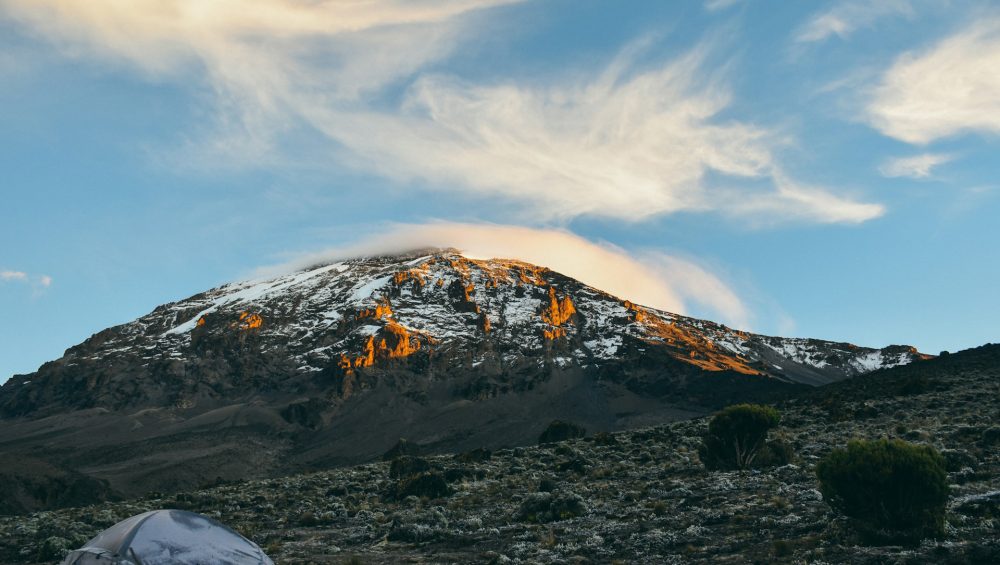
These are arguably the most underrated months on Kilimanjaro. The long dry season is in full effect: trails are firm, skies are clear, and the mountain feels genuinely uncrowded. Temperatures on the summit are cold but manageable. The only caveat is that January can begin with some residual rain from December — but by late January, conditions are typically excellent. If you want the dry-season experience without the August crowds, this is your window.
Conditions: Dry · Clear summit views · Low crowds · Cold nights
March — Acceptable (Early Month Only)
Early March can still offer good conditions, carrying the tail end of the January–February dry spell. From mid-March onwards, the long rains begin to build and trail conditions deteriorate. If you are travelling in March, aim for the first two weeks and choose a route on the drier northern face — the Rongai Route is a smart call during transitional months.
Conditions: Mixed · Early month good, late month risky · Lower crowds
April & May — Not Recommended
These are the long rain months in Tanzania, and Kilimanjaro feels it. Trails on the southern and western routes become muddy and slippery. Cloud cover is persistent, which typically means no summit views. The rainforest zone is lush and beautiful, but higher up the mountain it is wet, cold, and miserable. Operators still run climbs in these months — and some experienced trekkers appreciate the solitude and dramatic atmosphere — but first-timers should avoid April and May if at all possible.
Conditions: Very wet · Poor visibility · Cheapest prices · Very low crowds
June — Good (From Mid-Month)
June marks the start of the second dry season. The first half of the month can still carry some rain, but by late June the skies begin to clear reliably. It is a shoulder month — prices are still reasonable, crowds have not yet peaked, and conditions are improving daily. A late-June climb on the Lemosho Route or Machame Route can be an excellent choice.
Conditions: Improving · Moderate crowds · Good value
July, August & September — ⭐ Peak Season (Best Conditions)
These three months represent the gold standard for Kilimanjaro climbing. Trails are dry, summit views are spectacular, and success rates are at their highest. The trade-off is crowds — particularly in August, which is the busiest month on the mountain. If you are travelling in peak season, book well in advance (at least 4–6 months ahead for July and August departures), and consider routes that naturally carry fewer people, such as the Northern Circuit or Rongai Route.
Conditions: Excellent · Dry trails · Best summit views · High crowds · Book early
October — ⭐ Recommended (Hidden Gem)
October is one of our favourite months to send clients up the mountain. The peak-season crowds begin to thin as school holidays end, but conditions remain dry and clear well into the month. Prices drop slightly from the August peak. If you have flexibility and want the best of both worlds — great weather and manageable crowds — October is a serious contender.
Conditions: Excellent · Thinning crowds · Slightly lower prices · Highly recommended
November — Use Caution
November brings the short rains. Unlike the long rains of April and May, these are typically shorter bursts rather than all-day downpours — but the mountain still becomes wetter and cloudier. Some years November is drier than average; others it is relentless. It is an unpredictable month. If you must travel in November, the Rongai Route on the drier northern side is your best option.
Conditions: Wet and unpredictable · Low crowds · Cheaper prices
December — Mixed but Festive
December is more complex than it might appear. Early December sits at the tail end of the short rains and can be quite wet. By mid-to-late December, conditions usually improve significantly — and the Christmas and New Year window sees a notable spike in climbers and prices. Summit success rates are reasonable in late December but lower than the dry seasons. If you are going for a Christmas or New Year summit experience, book very early.
Conditions: Variable · High demand late month · Book well in advance
Quick Reference: Kilimanjaro Season Summary
| Month | Weather | Crowds | Rating |
|---|---|---|---|
| January | Dry & clear | Low | ⭐⭐⭐⭐⭐ |
| February | Dry & clear | Low | ⭐⭐⭐⭐⭐ |
| March | Mixed (rains build) | Low | ⭐⭐⭐ |
| April | Long rains | Very low | ⭐ |
| May | Long rains | Very low | ⭐ |
| June | Improving | Moderate | ⭐⭐⭐ |
| July | Dry & excellent | High | ⭐⭐⭐⭐⭐ |
| August | Dry & excellent | Very high | ⭐⭐⭐⭐ |
| September | Dry & excellent | High | ⭐⭐⭐⭐⭐ |
| October | Dry, thinning crowds | Moderate | ⭐⭐⭐⭐⭐ |
| November | Short rains | Low | ⭐⭐ |
| December | Variable | High (late month) | ⭐⭐⭐ |
Which Route Is Best for Your Chosen Month?
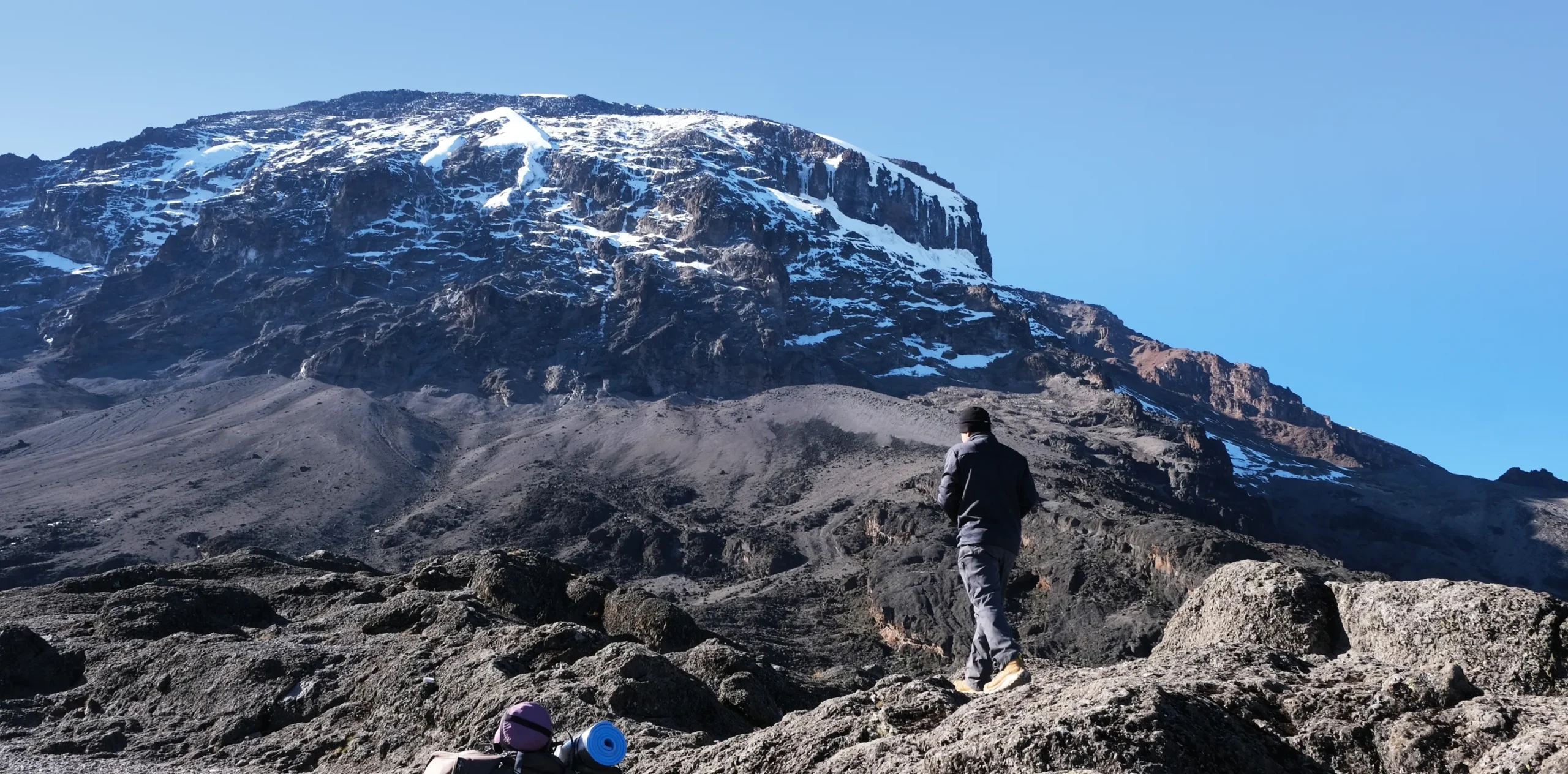
Timing and route choice go hand in hand. Some routes are better suited to wetter or transitional months because of their aspect (which side of the mountain they face) and their elevation profile. Here is a quick guide:
- Dry season (Jan–Feb, Jul–Oct): All routes are viable. We especially recommend the Lemosho Route and Machame Route for their outstanding scenery and acclimatisation profiles.
- Transitional or wetter months (Mar, Jun, Nov): The Rongai Route approaches from the drier northern side and is far less affected by the southern rains.
- Avoiding crowds in peak season: The Northern Circuit Route is the longest and most remote option — it circles almost the entire mountain and remains significantly quieter than Machame or Marangu even in August.
- Budget-conscious travel: The Marangu Route is generally the most affordable and suits those travelling in the shoulder seasons.
Not sure which route fits your travel dates? Start planning your trip with us and we will match you to the right route and timing based on your goals.
What About Temperature? What to Expect at the Summit
Summit temperatures on Kilimanjaro are cold year-round — this is an arctic environment at nearly 6,000 metres. That said, there is some seasonal variation:
- January–February: Summit temperatures typically range from −10°C to −20°C at night. Cold, but dry and still.
- April–May: Wet and cold — wind-driven rain at altitude is more dangerous than cold alone.
- July–September: −5°C to −15°C at the summit. The dry air makes cold more manageable than wet cold.
- October–November: Transitional — temperatures begin to moderate slightly but remain well below freezing on summit night.
Whatever month you climb, a sleeping bag rated to at least −15°C, a proper insulated down jacket, and layered summit-night clothing are non-negotiable. Our full Tanzania packing guide covers the complete gear list in detail.
Combining Kilimanjaro With a Tanzania Safari or Zanzibar
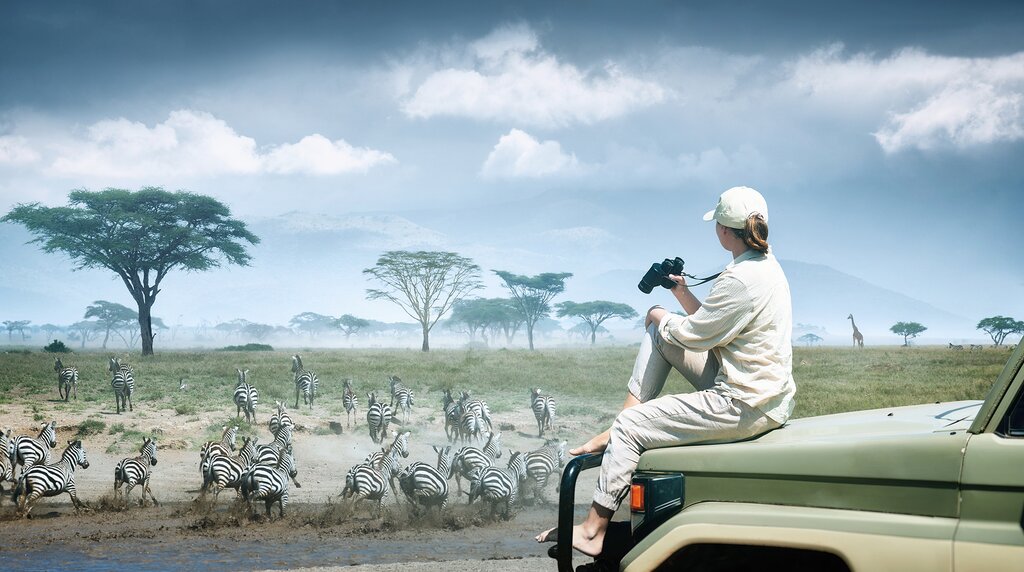
Many climbers extend their trip into a broader Tanzania adventure — and the timing of your climb often determines what else you can experience. Here are the best combinations by season:
- January–February: Pair your climb with the Great Migration calving season in the southern Serengeti — one of Africa’s greatest wildlife spectacles.
- July–October: The river crossings of the Great Migration are happening in the northern Serengeti and Masai Mara. Combine with a Serengeti safari or a descent into the Ngorongoro Crater for the ultimate Tanzania experience.
- Any time: Zanzibar’s beaches are a perfect post-climb recovery destination year-round. The Indian Ocean is warm, the beaches are beautiful, and a few days of rest after the mountain feels very well earned.
Browse our things to do in Tanzania for more inspiration, or explore our ready-made packages including the 12-day Tanzania safari and Zanzibar and the 8-day Tanzania tour.
Frequently Asked Questions
What is the absolute best month to climb Kilimanjaro?
If we had to pick one, we would say October. You get dry-season conditions, thinning crowds after the August peak, and prices that are slightly lower than July and August. January and February are a very close second — equally good conditions with even fewer people on the trail.
Can I climb Kilimanjaro in the rainy season?
Yes, it is possible but not ideal. April and May are the wettest months and carry the highest risk of poor summit conditions. If budget is the primary driver and you are an experienced trekker with the right gear, it can be done — but first-time climbers should avoid these months. See our FAQs for more detail.
How far in advance should I book?
For July and August departures, we recommend booking 4–6 months in advance. For January–February or October, 2–3 months is usually sufficient. Contact us to check availability for your preferred dates.
Does the best time to climb change depending on the route?
Slightly, yes. Southern routes (Machame, Lemosho, Umbwe) are more exposed to the long rains than the northern Rongai Route. In transitional months, choosing the right route for the season makes a real difference.
What travel documents do I need before I go?
You will need a valid passport, a Tanzania visa (available via e-visa or on arrival for most nationalities — see our visa guide), and travel insurance that covers high-altitude trekking. Full details on our Tanzania travel requirements page.
Ready to Plan Your Kilimanjaro Climb?
Now that you know when to go, the next step is choosing your route, your pace, and your package. We have guided climbers from every corner of the world to Uhuru Peak — and we would love to help you get there too.
👉 Explore all Kilimanjaro routes
👉 Start planning your trip
👉 Get in touch with our team