Kilimanjaro is not just a mountain — it is an idea. It is the quiet voice that has been whispering to you for years, saying one day. If you have found this page, that day may be closer than you think. We are Northern MasaiLand Safaris, and we have guided hundreds of climbers from the gate to the crater rim. This guide contains the honest, practical advice we give every one of them.
Why Kilimanjaro? And Why Now?
At 5,895 metres above sea level, Mount Kilimanjaro is Africa’s highest peak and the world’s tallest freestanding volcano. What makes it extraordinary is not just the altitude — it is the accessibility. Unlike Everest or K2, Kilimanjaro requires no technical climbing experience. If you can walk, stay determined, and acclimatise sensibly, the summit is within reach.
Tanzania is also one of Africa’s most remarkable countries to explore. Whether you plan to combine your climb with a Serengeti safari, a descent into the Ngorongoro Crater, or a wind-down on Zanzibar’s white-sand beaches, climbing Kilimanjaro is a perfect centrepiece for a bigger Tanzania adventure.
Choosing Your Route: An Honest Breakdown
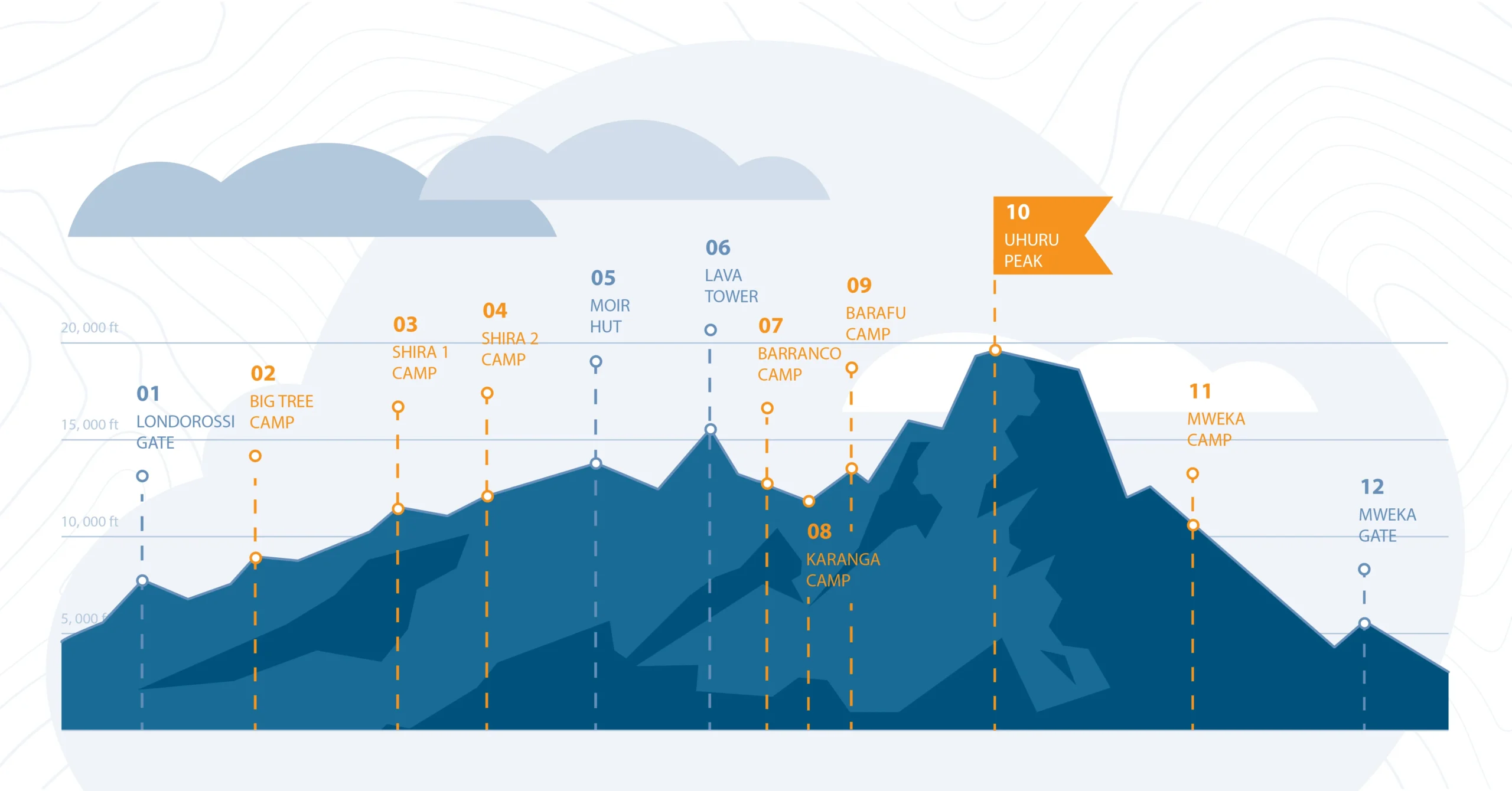
There are eight established routes up Kilimanjaro, and each has a distinct character. The right route for you depends on your experience level, the number of days you have, your budget, and — frankly — how much solitude you want on the trail. Here is a plain-English summary of every option, with links to our full route guides:
🥾 Marangu Route
The only route with hut accommodation. Shorter profile makes acclimatisation harder, but it suits travellers who prefer sleeping in a bed over a tent.
⛰️ Machame Route
The most popular route on the mountain — and for good reason. Spectacular scenery, a strong “climb high, sleep low” acclimatisation profile, and excellent success rates.
🌄 Lemosho Route
Our most recommended route. Longer, quieter, and with the best acclimatisation arc on the mountain. The 8-day variation is particularly strong.
🧭 Northern Circuit Route
The longest and most remote route, circling almost the entire mountain. Perfect for those who want maximum acclimatisation and minimum crowds.
🏔️ Rongai Route
The only route approaching from the north (Kenya side). Drier, quieter, and a good choice during the rainy season when southern routes get wet.
🌋 Shira Route
Starts at high altitude via vehicle, which can cause early acclimatisation issues but offers unique scenery across the Shira Plateau.
🔺 Umbwe Route
The steepest, most direct route — not recommended for first-timers. It is short, demanding, and has a lower success rate due to rapid altitude gain.
🌐 Western Breach Route
A technical variation that enters the crater directly. Stunning but more demanding, involving some scrambling and an early morning rockfall risk zone.
Not sure which route suits you? Start planning your trip with us and we will match you to the right route based on your fitness, timeline, and goals — at no obligation.
Our Recommended Kilimanjaro Packages
We have designed a range of guided climbing packages to suit different timelines and ambitions. Every package includes an experienced guide, certified mountain crew, all park fees, meals, and camping or hut accommodation as appropriate.
Find Your Perfect Kilimanjaro Package
From the classic 5-day Marangu to the ambitious 9-day Northern Circuit, we have a route and pace that fits your life.
When to Climb: Seasons, Weather & Timing
Kilimanjaro can be climbed year-round, but there are two optimal windows. The first is January to mid-March — dry, clear, and less crowded than the peak season. The second (and busiest) window is late June through October, which offers the driest conditions and the best summit-day visibility.
The two rainy seasons — April/May (long rains) and November (short rains) — do not make climbing impossible, but they bring more cloud cover, muddier trails, and cold, wet summit nights. If you are flexible, avoid these windows. If not, the Rongai Route on the drier northern face is a smart wet-season choice.
What to Pack: Your Kilimanjaro Gear Checklist
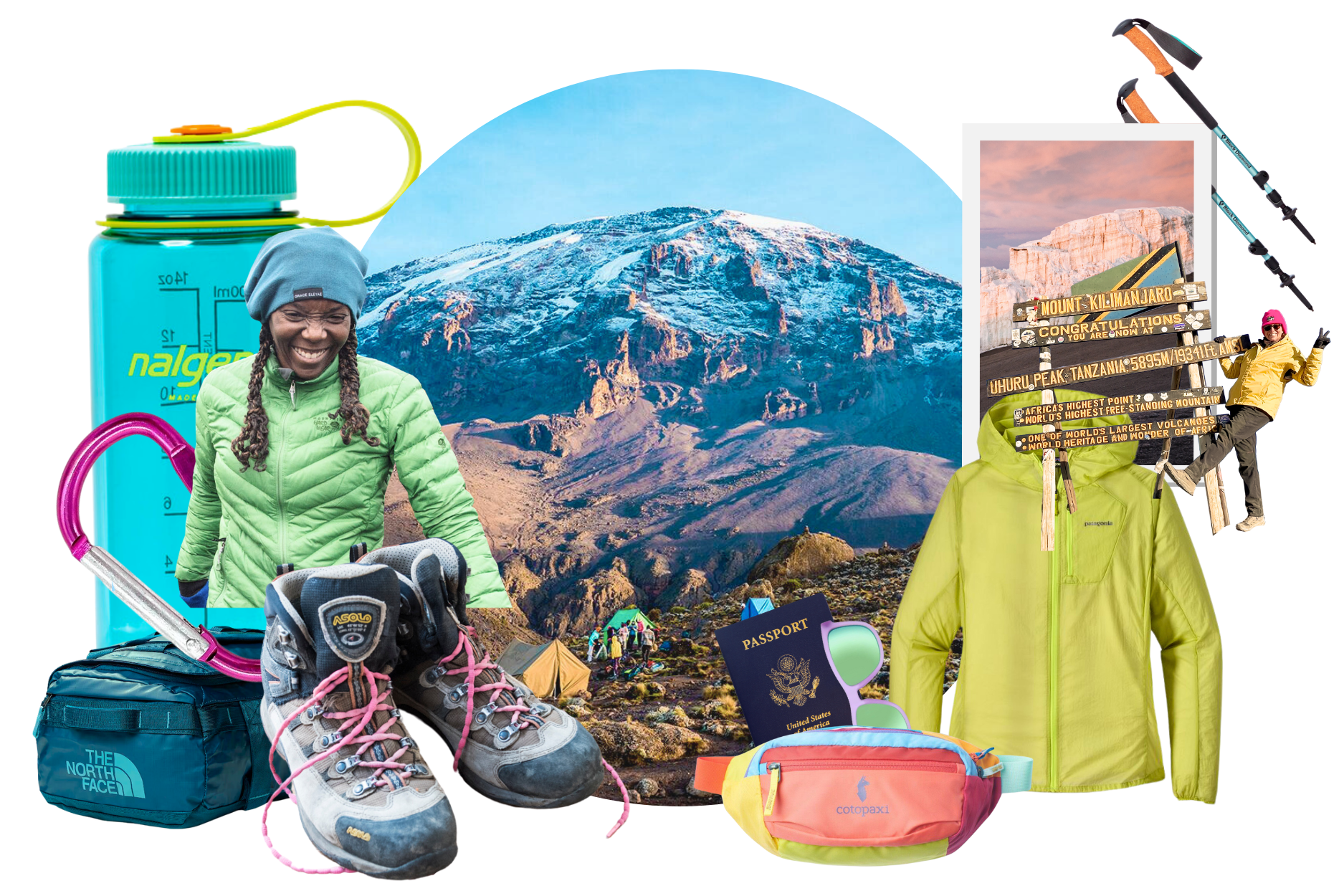
Your gear can make or break your summit bid. The mountain passes through five distinct climate zones — from equatorial rainforest to arctic summit — and you need to be equipped for all of them. We have put together a comprehensive Tanzania packing guide for reference. Here are the Kilimanjaro-specific essentials:
| Category | Essential Items | Notes |
|---|---|---|
| Clothing | Moisture-wicking base layers, fleece mid-layer, waterproof outer shell, insulated down jacket | The “pole pole” (slowly) approach keeps you dry — avoid cotton |
| Footwear | Waterproof hiking boots (broken in), warm hiking socks × 6 pairs, camp sandals | New boots on summit day = blisters. Break them in at home first |
| Sleep System | Sleeping bag rated to −15°C, sleeping mat liner | Temperatures at Barafu Camp can drop to −20°C |
| Altitude & Health | Diamox (acetazolamide), blister kit, electrolyte tablets, altitude pulse oximeter | Consult your doctor about Diamox before travel |
| Summit Night | Headlamp + spare batteries, hand warmers × 4, balaclava, liner gloves + outer mittens | Summit push begins at midnight — light and warmth are non-negotiable |
| Day Pack | 2–3 litre hydration bladder or water bottles, high-calorie snacks, trekking poles | Trekking poles reduce knee strain by ~25% on descent |
Altitude Sickness: The Real Risk — and How We Manage It
Altitude sickness (Acute Mountain Sickness, or AMS) is the most common reason climbers turn back before the summit. It is not a sign of weakness — it is the body reacting to reduced oxygen at elevation, and it can affect the fittest athletes just as readily as a first-time trekker.
The best prevention is time. A well-paced itinerary — particularly one that includes an acclimatisation day — dramatically improves summit success rates. This is why we consistently recommend the 8-day Lemosho or 9-day Northern Circuit over any 5 or 6-day option — those extra days are not luxury, they are strategy.
- 1Climb high, sleep low. Many routes include deliberate altitude exposure during the day followed by a descent to sleep. Trust the itinerary — this is intentional.
- 2Hydrate relentlessly. Aim for 3–4 litres of water per day on the mountain. Dehydration at altitude accelerates AMS symptoms significantly.
- 3Go “pole pole”. Swahili for “slowly, slowly” — it is the mantra of every experienced Kilimanjaro guide. The mountain rewards patience.
- 4Never ascend with a headache. A persistent headache is AMS. Rest, hydrate, descend if it worsens. Our guides are trained to monitor every climber daily.
- 5Consider Diamox. Acetazolamide can reduce AMS symptoms for some people. Speak to your doctor at least 4 weeks before your climb to discuss whether it is right for you.
Costs, Budgeting & What’s Included
Kilimanjaro is not a cheap adventure, and we believe you deserve full transparency about why. Tanzania’s national park fees alone — which fund conservation — represent a significant portion of the total cost. Our in-depth Tanzania safari cost guide gives an honest breakdown of where your money goes and how to budget wisely.
As a rule of thumb, a well-run guided Kilimanjaro climb with a reputable operator ranges from approximately $1,800 to $4,500+ USD depending on route, duration, and level of service. Be very cautious of operators offering prices significantly below market rate — the usual cost-cutting comes at the expense of guide quality, crew safety, food, or emergency equipment. On a mountain like Kilimanjaro, those corners matter.
Before You Arrive: Visas, Insurance & Travel Requirements
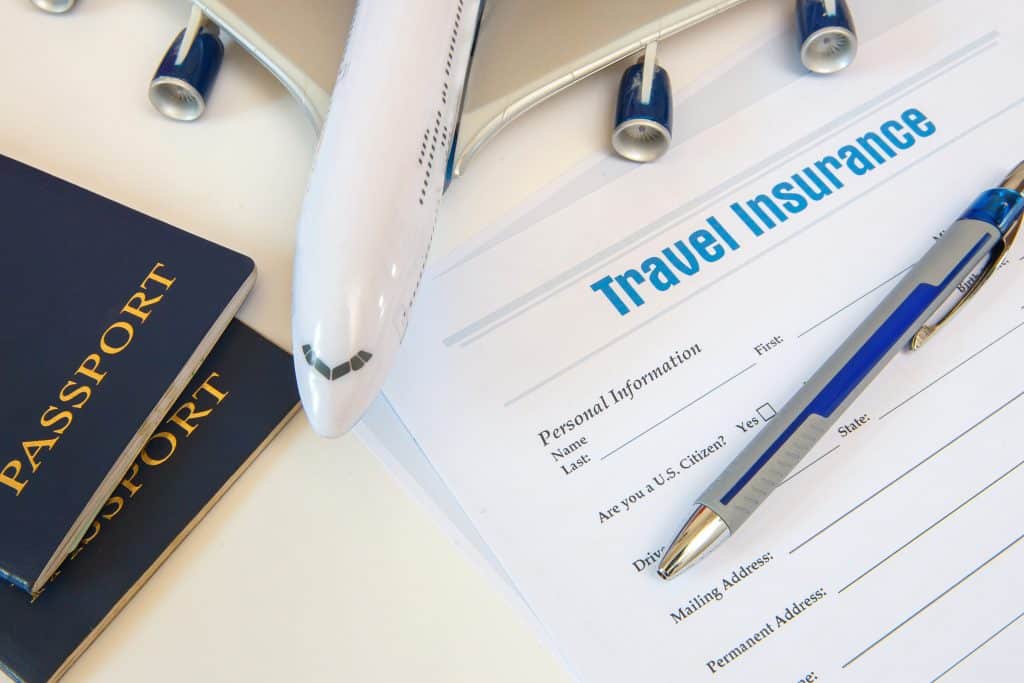
Getting your paperwork right before you land is as important as training your legs. Most nationalities can obtain a Tanzania visa on arrival or via the Tanzania e-visa portal — our dedicated visa guide walks through the process step by step, including which nationalities qualify and what documentation to bring.
Travel insurance is not optional for a Kilimanjaro climb — it is essential. You need a policy that explicitly covers high-altitude trekking above 5,000m and includes emergency helicopter evacuation. Our Tanzania travel insurance guide explains exactly what to look for, and our Tanzania travel requirements page covers vaccinations, yellow fever certificates, and health documentation.
Safety on the Mountain: Our Honest Approach
Kilimanjaro is safe when done correctly. The mountain has a strong record compared to other high-altitude destinations, and serious incidents are rare on well-managed climbs. That said, the risks are real: altitude sickness, hypothermia, and falls on the summit scree do occur, almost always when climbers push beyond their limits or when guides prioritise summits over safety.
At Northern MasaiLand Safaris, we operate with a clear philosophy: the summit is the goal, but getting you home safely is the mission. Our guides are trained in wilderness first aid, carry emergency oxygen, and are empowered to turn any climber around if symptoms warrant it. No client pressure overrides that call. For a broader look at safety across Tanzania, read our Tanzania travel safety guide.
Combining Kilimanjaro with a Tanzania Safari
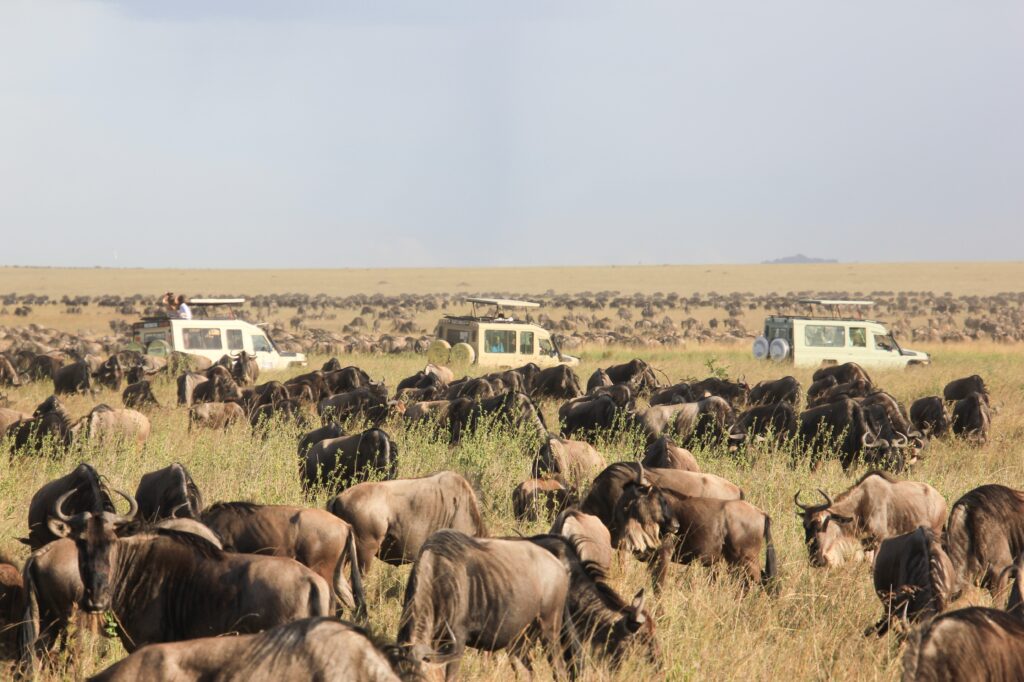
Many of our climbers — quite wisely — choose to pair their Kilimanjaro climb with a Tanzania safari. After the physical and mental exertion of the mountain, there is nothing quite like reclining in a game-drive vehicle watching lions on the Serengeti plains.
Popular combinations include a post-climb game drive through Tarangire National Park and the Ngorongoro Crater, a Great Migration safari in the Serengeti, or a full 8-day Tanzania tour that weaves together the mountain, the parks, and Zanzibar. We design every itinerary to order — if you can dream it, we can route it.
Browse our full range of things to do in Tanzania for inspiration, or explore our Tanzania safari planning guide for a deep-dive into what makes each park and destination worth your time.
Frequently Asked Questions
Do I need prior mountaineering experience to climb Kilimanjaro?
No technical climbing skills are required. Kilimanjaro is a trekking peak, meaning all routes (except the Western Breach) involve walking on established trails. Good cardiovascular fitness, mental determination, and a willingness to go slowly are your most important assets.
How fit do I need to be?
You should be able to walk comfortably for 6–8 hours per day on varied terrain. In the 3 months before your climb, we recommend regular long hikes with elevation gain, as well as cardiovascular training (running, cycling, or swimming). We have a detailed training plan available — get in touch and we’ll send it to you.
What is the minimum age for a Kilimanjaro climb?
Tanzania National Parks Authority sets the minimum age at 10 years old for Kilimanjaro. That said, we generally recommend 12+ for the longer, higher routes. We offer family safaris that can be paired with shorter Kilimanjaro day hikes for younger children.
Can I climb Kilimanjaro solo?
Independent climbing without a registered guide is not permitted on Kilimanjaro. All climbers must be accompanied by a licensed guide, which is actually a significant safety advantage. Our solo Tanzania guide covers everything you need to know if you’re travelling alone.
Is tipping expected for mountain crew?
Yes, and it matters enormously to the porters, cooks, and guides whose livelihoods depend on it. We provide a clear tipping guide in our pre-departure briefing. As a reference, the recommended total tip for a 7-day climb is approximately $200–$250 per climber, distributed across the full crew. See our FAQs for a full breakdown.