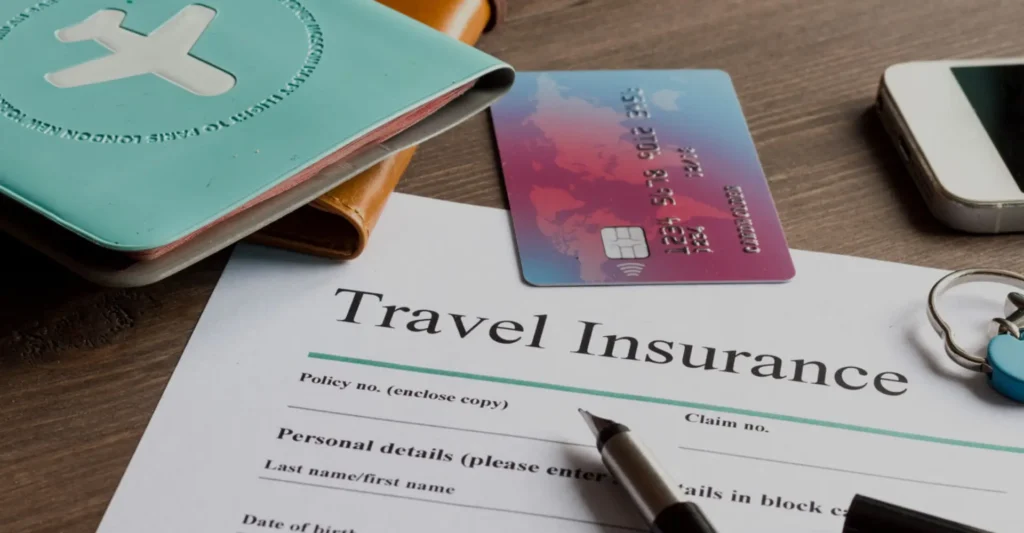
There is one item on every Tanzania pre-departure checklist that some travellers treat as optional — and it is not optional. Comprehensive travel insurance is as essential to your safari as your passport, your visa, and your vaccinations. It is the thing that turns a potential catastrophe into a manageable inconvenience.
We say this not to alarm you, but to be direct: Tanzania is a magnificent, safe, and welcoming destination. It is also a country where the national parks are remote, the roads between cities can be long, and the nearest fully equipped hospital may be a light aircraft flight away. A medical emergency in the heart of Ruaha National Park or the depths of the Selous Game Reserve without proper evacuation cover can cost tens of thousands of dollars and leave you in an impossible situation.
With the right insurance, it costs you a single phone call.
At Northern Masailand Safaris, we have been guiding travellers through Tanzania and East Africa for many years. We have seen firsthand what good insurance does for a guest in a difficult moment — and we have seen the difference it makes to have a policy that covers everything versus one that covers almost everything. This guide tells you exactly what to look for, what to avoid, and how to arrive in Tanzania knowing that whatever happens, you are protected.
Why Tanzania Travel Insurance Is Non-Negotiable
Most travellers instinctively understand that travel insurance covers flight cancellations and lost luggage. That’s true — but for a Tanzania safari, those are almost the least important benefits on the policy. Here is what actually matters in East Africa:
Emergency Medical Evacuation
This is the coverage that matters most. Tanzania’s national parks are remote — that is, of course, a large part of their appeal. But remoteness means that in the event of a serious medical emergency, you cannot simply call an ambulance. Evacuation by light aircraft to a hospital in Arusha, Nairobi, or further afield can cost anywhere from $15,000 to $50,000 or more, depending on the situation and the distance involved.
AMREF Flying Doctors and other emergency air evacuation services operate across East Africa and respond rapidly — but they require either a membership or a comprehensive insurance policy before they will act. Without one, you or your family face a bill that few people can absorb at short notice.
Every Tanzania travel insurance policy you consider must include emergency medical evacuation as a core covered benefit. This is not a nice-to-have add-on. It is the foundation of the entire policy.
Medical Treatment Costs
Quality medical care in Tanzania — particularly in Arusha and Dar es Salaam — is available, but the best private facilities are expensive by local standards and costs add up quickly. A hospitalisation for even a moderate illness can run to several thousand dollars. Medical cover of at least $100,000–$200,000 is a sensible minimum for any East Africa itinerary.
Trip Cancellation and Curtailment
Safari itineraries involve significant upfront costs — lodge deposits, park fees, and flights booked months in advance. A serious illness, bereavement, or other unforeseen event before or during your trip can mean losing all of that investment. Trip cancellation and curtailment cover reimburses you for non-recoverable costs when you cannot travel or must cut short your trip through no fault of your own.
Kilimanjaro-Specific Considerations
If your Tanzania trip includes a Kilimanjaro climb, your insurance requirements are more specific. Most standard travel insurance policies exclude high-altitude trekking above a certain elevation — typically 3,000 or 4,000 metres. Kilimanjaro’s summit sits at 5,895 metres. You must confirm explicitly that your policy covers trekking to that altitude, or purchase a specialist mountaineering policy.
Altitude sickness (Acute Mountain Sickness) is a genuine risk on Kilimanjaro and the leading cause of evacuations from the mountain. Helicopter rescue from the upper slopes of Kilimanjaro, where fixed-wing aircraft cannot land, is expensive — and the cost falls entirely on the climber without appropriate cover. This applies whether you are climbing the Lemosho Route, the Machame Route, the Northern Circuit Route, or any other route.
What Your Tanzania Travel Insurance Policy Must Cover
| Coverage Type | Recommended Minimum | Why It Matters for Tanzania |
|---|---|---|
| Emergency medical evacuation | $500,000 (unlimited preferred) | Air evacuation from remote parks to city hospitals or home country |
| Medical treatment | $100,000 – $200,000 | Hospital and clinical costs in Tanzania and neighbouring countries |
| Trip cancellation | Full trip cost | Non-refundable lodge deposits, park fees, flights |
| Trip curtailment | Full trip cost | Repatriation and non-recoverable costs if you must leave early |
| Baggage and personal effects | $2,000 – $5,000 | Camera equipment, luggage, and personal valuables |
| Personal liability | $1,000,000+ | Standard cover; required by most quality policies |
| Repatriation of remains | Included | Covers repatriation costs in worst-case scenarios |
| High-altitude trekking | To 6,000m minimum | Essential for Kilimanjaro climbers — confirm explicitly |
| Adventure activities | Included for safari activities | Covers walking safaris, light aircraft transfers, and bush activities |
| 24/7 emergency assistance line | Included | You need to be able to call someone any time, from anywhere |
What to Watch Out For: Common Policy Exclusions
Not all travel insurance is equal — and the difference between a policy that works and one that lets you down often lies in the fine print. Here are the exclusions that catch Tanzania travellers most frequently off guard:
High-Altitude Exclusions
As noted above, many standard policies exclude activities above 3,000 or 4,000 metres. If you are climbing Kilimanjaro — even on the shortest routes like the Marangu Route or the Rongai Route — this exclusion means you have no cover for the most likely emergency scenario on the mountain. Read the small print and confirm the maximum altitude covered before you purchase.
Pre-Existing Medical Conditions
Many policies exclude claims related to pre-existing medical conditions unless specifically declared and covered at the time of purchase. If you have any ongoing health conditions — even well-managed ones — declare them when you take out your policy. Failing to do so may void your entire cover, not just claims related to that condition.
Adventure Activity Exclusions
Some budget policies exclude “adventure activities” broadly — a category that can sometimes be interpreted to include game drives, walking safaris, hot air balloon flights, and light aircraft transfers. All of these are standard components of a quality Tanzania safari. Confirm that your policy explicitly covers these activities — or that it does not exclude them.
Alcohol-Related Incidents
Most policies exclude claims arising from incidents where the claimant was under the influence of alcohol. In practice this rarely affects safari travellers, but it is worth noting — particularly for incidents that might occur at camp in the evening.
Unattended Belongings
Baggage claims for theft of unattended belongings — a camera left in a vehicle, a bag left on a beach in Zanzibar — are often rejected on the basis that the items were unattended. Keep valuables on your person or secured, and be aware of this exclusion when claiming.
Travel to High-Risk Regions
Policies typically exclude cover for travel to regions against which your government has issued a “Do Not Travel” advisory. Tanzania consistently receives low-risk or normal-precautions ratings from most Western governments — but if you are extending your trip into neighbouring countries, check the advisory status for each destination. Our guides on Uganda and Rwanda cover destination-specific considerations in detail.
Travel Insurance for Multi-Country East Africa Itineraries
Many of our guests travel beyond Tanzania as part of a wider East Africa adventure — combining their safari with the Masai Mara in Kenya, gorilla trekking in Bwindi or Volcanoes National Park, or exploring the parks of Uganda or Rwanda.
If your itinerary crosses borders — and many of our best itineraries do — your insurance policy must cover every country on your trip, not just Tanzania. Most comprehensive international travel insurance policies cover all countries in a single region (typically sub-Saharan Africa or East Africa), but confirm this explicitly before purchasing. A policy that covers Tanzania but not Uganda is not adequate for a combined gorilla-and-safari itinerary.
| Itinerary Type | Countries to Confirm Coverage For | Key Insurance Considerations |
|---|---|---|
| Tanzania Northern Circuit only | Tanzania | Medical evacuation; standard safari activities |
| Tanzania + Zanzibar | Tanzania (Zanzibar included) | Water sports cover if snorkelling or diving on the island |
| Tanzania + Kilimanjaro | Tanzania | High-altitude cover to 6,000m; helicopter rescue cover |
| Tanzania + Kenya (Masai Mara) | Tanzania, Kenya | Cross-border cover; confirm both countries explicitly |
| Tanzania + Uganda gorilla trekking | Tanzania, Uganda | Cross-border cover; jungle trekking activity cover |
| Tanzania + Rwanda gorilla trekking | Tanzania, Rwanda | Cross-border cover; high-altitude forest trekking cover |
| Full East Africa multi-country | Tanzania, Kenya, Uganda, Rwanda | Full regional cover; Kilimanjaro altitude; all safari activities |
Travel Insurance and the AMREF Flying Doctors
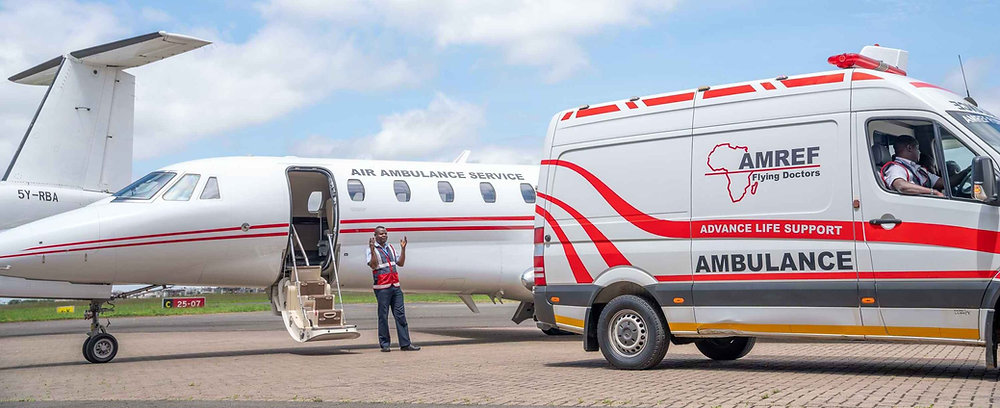
AMREF Flying Doctors is East Africa’s premier emergency air evacuation service, operating a fleet of medically equipped aircraft across Kenya, Tanzania, Uganda, and beyond. Their rapid response capability in remote areas is unmatched — but access to their services requires either a direct membership or a travel insurance policy that activates evacuation services on your behalf.
For travellers staying in very remote areas — particularly the southern circuit parks like Katavi National Park or the more remote sections of the Selous — AMREF Flying Doctors membership (available as an annual membership or a short-term visitor policy) is an additional layer of assurance worth considering on top of your standard travel insurance.
We provide all Northern Masailand Safaris guests with emergency contact details for evacuation services as part of their pre-departure documentation, alongside our own 24-hour emergency line.
How Much Does Tanzania Travel Insurance Cost?
A comprehensive travel insurance policy for a Tanzania safari typically costs between $100 and $250 per person for a trip of one to three weeks — representing roughly 3–7% of the total trip cost, which is the industry benchmark for adequate cover.
Budget policies at the lower end of the market ($30–$60) often provide inadequate medical and evacuation cover for the specific requirements of remote safari travel and should be approached with caution. The difference in premium between a budget policy and a comprehensive one is almost always negligible relative to the total cost of a safari — and the difference in protection is enormous.
| Policy Tier | Approximate Cost Per Person | Typical Medical / Evacuation Cover | Suitable for Tanzania Safari? |
|---|---|---|---|
| Budget / Basic | $30 – $70 | $10,000 – $50,000 medical; limited or no evacuation | Not recommended |
| Standard | $80 – $150 | $100,000 – $250,000 medical; evacuation often included | Acceptable — confirm evacuation and activity cover |
| Comprehensive | $150 – $250 | $500,000+ medical; full evacuation; broad activity cover | Recommended |
| Specialist (Kilimanjaro / Adventure) | $150 – $300+ | Full medical; evacuation; high-altitude and adventure activities | Essential for Kilimanjaro climbers |
Key Questions to Ask Before You Buy
When comparing policies, ask these questions directly — either from the policy document or from the insurer’s customer service:
- Does this policy cover emergency medical evacuation from remote areas in Tanzania? Confirm explicitly — not just medical treatment, but evacuation.
- What is the maximum altitude covered? Must be at least 5,895m for Kilimanjaro climbers.
- Are safari game drives, walking safaris, and light aircraft transfers covered activities?
- Does the policy cover all countries on my itinerary? Confirm each country individually if travelling multi-country.
- Are pre-existing medical conditions covered, and have I declared all relevant conditions?
- Is there a 24/7 emergency assistance line I can call from Tanzania? Store this number in your phone before you travel.
- What is the process for making a claim while I am in Tanzania? Understand this before you need to use it.
- Does the policy cover trip cancellation for the full cost of my safari package?
Practical Tips for Travel Insurance on a Tanzania Safari
- Buy your policy as soon as you book your safari — not the week before you travel. Trip cancellation cover only applies to events that occur after you purchase the policy. If you book in February for a July trip and buy insurance in June, you have no protection for the months in between.
- Store your policy number and emergency assistance line in your phone before you travel — not just in your email or in a printed document that might be in your luggage.
- Carry a physical copy of your insurance documents in addition to a digital version. Some remote camps have limited connectivity — a printed emergency contact page can be invaluable.
- Tell your travel companions your policy details. In a medical emergency, you may not be the one making the call.
- Keep all receipts and documentation for any medical treatment, emergency expenses, or lost/stolen items — you will need these to make a claim.
- Notify your insurer as soon as a claim situation arises — do not wait until you return home to report a medical emergency that occurred on day three of a ten-day trip.
Tanzania Travel Requirements Beyond Insurance
Travel insurance is one of several important pre-departure requirements for Tanzania. Before you travel, make sure you have also addressed:
- Tanzania visa: Most nationalities require a visa — apply for your e-Visa well in advance. Our complete Tanzania visa guide walks you through every step of the process.
- Travel requirements: Yellow Fever certificate, passport validity, and entry documentation — all covered in our Tanzania travel requirements guide.
- Health and vaccinations: Malaria prophylaxis, recommended vaccinations, and food and water safety — covered in our Tanzania travel safety guide.
- Packing: What to bring and what to leave behind — our Tanzania safari packing list covers everything from clothing to camera gear.
- Budgeting: Understanding what your safari will cost in total — read our honest guide to Tanzania safari cost.
For a complete overview of everything to plan and prepare, our things to do in Tanzania guide and Tanzania safari FAQ page are good starting points. And if you have questions that none of these pages answer, our team is always available to help.
We Have You Covered — Literally
When you travel with Northern Masailand Safaris, you are never navigating Tanzania alone. Our team provides every guest with pre-departure documentation that includes emergency contact numbers, evacuation service details, and a comprehensive briefing on what to do in any situation that arises during your trip.
We maintain strong relationships with emergency response services across Tanzania and East Africa. In the event of any incident — medical, logistical, or otherwise — our team activates immediately. We have helped guests through medical evacuations, lost documents, and unexpected itinerary changes, and we take that responsibility as seriously as we take the safari itself.
Insurance gives you the financial protection. We give you the human support behind it.
Whether your Tanzania journey takes you across the Serengeti, up Kilimanjaro, into the wilderness of Ruaha, or ends with sunsets on Zanzibar’s white sand beaches — come prepared, come protected, and come ready to be amazed.
Ready to start planning? Visit our trip planning page, read through our frequently asked questions, or contact our team directly. We will make sure every detail — including your insurance checklist — is properly sorted before you travel.