It’s the question sitting quietly behind every safari dream: what will this actually cost me? It’s a fair question — and one that deserves a straight, honest answer rather than a vague “it depends.”
The truth is that Tanzania safari costs vary enormously. A budget camping safari and a luxury fly-in experience can both happen in the same national park, watching the same lions at the same waterhole — yet sit worlds apart in price. What you pay is shaped by where you go, how you travel, when you book, and who you travel with.
At Northern Masailand Safaris, we’re a locally owned and operated company based right here in northern Tanzania. We don’t believe in hidden costs, inflated middleman pricing, or one-size-fits-all packages. What we do believe in is helping you understand exactly what you’re paying for — so you arrive knowing your money was spent well.
This guide breaks it all down honestly, from entry-level options to high-end luxury, so you can plan with clarity and confidence.
The Main Factors That Determine Your Tanzania Safari Cost
Before we get to numbers, it helps to understand the levers that drive the price up or down. Adjust any one of these and your budget shifts significantly.
1. Accommodation Type
This is the single biggest cost driver on any Tanzania safari. The spectrum runs from tented camping at one end to ultra-luxury private lodges with infinity pools and butler service at the other. Your choice of accommodation typically accounts for 50–70% of your total safari budget.
2. Destination and Park Fees
Tanzania’s most iconic parks — particularly Serengeti National Park and Ngorongoro Crater — carry higher conservation fees than lesser-visited parks. These fees go directly toward wildlife protection and are a non-negotiable part of safari travel. The Ngorongoro Crater descent fee alone currently runs to several hundred dollars per vehicle per visit — something budget quotes sometimes obscure until the last moment. With us, it’s always included upfront.
3. Season and Travel Dates
Tanzania has peak and low seasons, and pricing reflects them. The peak dry season (June to October) commands the highest rates — demand is at its strongest, the wildlife is extraordinary, and the Great Migration river crossings are in full drama. The low season (March to May) and shoulder seasons (November and January–February) offer lower prices meaningfully, often with the same quality of experience at a fraction of the peak cost.
4. Safari Duration
A 3-day safari will cost less in total but more per day than a 7- or 10-day itinerary. Longer trips spread fixed costs — international flights, visas, park entry — across more days, generally improving overall value.
5. Group Size
Private safaris — your own vehicle, your own guide, your own schedule — cost more per person but offer an experience that shared group departures simply cannot match. For couples, families, or small groups of friends, a private safari often works out more affordable per head than you’d expect, and the difference in quality is profound.
6. Add-On Experiences
Certain experiences carry their own cost on top of the base safari. A balloon safari over the Serengeti at dawn, for example, is a once-in-a-lifetime experience that runs to several hundred dollars per person — but for many travellers, it’s the single most memorable hour of their entire trip. Know what you want and budget for it deliberately.
Tanzania Safari Cost by Budget Level
Here’s an honest breakdown of what different budget levels look like in practice. All figures are approximate per person per day, based on two people sharing, and assume a private vehicle and driver-guide.
Budget Safari: $200 – $350 per person per day
Budget safaris in Tanzania typically involve basic tented camps or simple lodges, shared facilities, and older-model 4WD safari vehicles. They are a perfectly valid way to experience Tanzania’s wildlife, particularly for backpackers, solo travellers, or those on their first safari who simply want to get into the bush.
What this budget generally includes: accommodation, meals, a driver-guide, and park fees. What it often doesn’t include: premium guiding, flexibility in scheduling, or the kind of intimate, unhurried experience that defines a great safari.
At Northern Masailand Safaris, even our most accessible packages are built around quality guiding — because a great guide transforms any camp into a five-star experience. Contact us to discuss what’s possible within your budget.
Mid-Range Safari: $350 – $700 per person per day
This is the sweet spot for most travellers — and where Northern Masailand Safaris delivers exceptional value. Mid-range safaris offer comfortable permanent tented camps or lodges with en-suite facilities, well-maintained vehicles with pop-up roofs, experienced professional guides, and itineraries designed around what you actually want to see.
At this level, you can expect to visit the core Northern Circuit — Serengeti, Ngorongoro, Tarangire, and Lake Manyara — with full board, game drives morning and evening, and the kind of guiding that turns a sighting into a story.
This budget also opens up the Great Migration safari experience for those visiting between July and October, and offers comfortable access to the southern circuit gems like Ruaha National Park and the Selous Game Reserve.
Luxury Safari: $700 – $1,500+ per person per day
Tanzania’s luxury safari market is world-class — and genuinely justifies its price for those who choose it. At this level, expect lavish tented suites with private plunge pools, gourmet dining under the stars, private guides who feel more like old friends by day three, and access to conservancy areas and private reserves where crowds are virtually non-existent.
Luxury safaris shine particularly brightly in the Serengeti, where private conservancy access means you can track a leopard on foot in the morning and have the only vehicle at a lion kill in the afternoon. The Ngorongoro Crater floor experience at this level — a private descent with a senior guide — is extraordinary.
For couples celebrating a milestone or honeymooners seeking something truly unforgettable, our honeymoon safari packages at the luxury level create memories that last a lifetime.
What’s Typically Included in a Tanzania Safari Package
When you book with Northern Masailand Safaris, our packages are designed to be genuinely all-inclusive — no nasty surprises at checkout. Here’s what a typical package covers:
- All accommodation as per the agreed itinerary
- All meals — full board throughout, including packed lunches on game drives
- Private 4WD safari vehicle with pop-up roof
- Professional English-speaking driver-guide
- All national park entry and conservation fees
- Ngorongoro Crater descent fees (where applicable)
- All ground transfers within the itinerary
- Drinking water throughout
- Flying doctors emergency evacuation membership (for eligible itineraries)
What is typically not included: international flights, visa fees, travel insurance, tips and gratuities, alcoholic beverages, personal souvenirs, and optional add-on experiences like hot air balloon flights.
Our FAQ page covers many of the most common questions about what’s included, when to pay, and how deposits work.
The Northern Circuit: Most Popular and Most Accessible
The majority of first-time Tanzania safari visitors head to the Northern Circuit — and for very good reason. The concentration of iconic destinations within a relatively compact area makes it easy to design a multi-park itinerary of five to eight days that covers extraordinary ground without spending half your time in transit.
A classic 6-day Northern Circuit at mid-range level — covering Tarangire, Serengeti, and Ngorongoro — typically runs $2,500 to $4,500 per person for two people sharing, all inclusive of the items listed above. Peak season and luxury accommodation push this higher; shoulder season and mid-range camps bring it down.
Adding Lake Manyara extends the trip beautifully — the park’s tree-climbing lions and extraordinary birdlife make it a worthy addition to any itinerary. Start planning your Northern Circuit trip here.
The Southern Circuit: Outstanding Value and True Wilderness
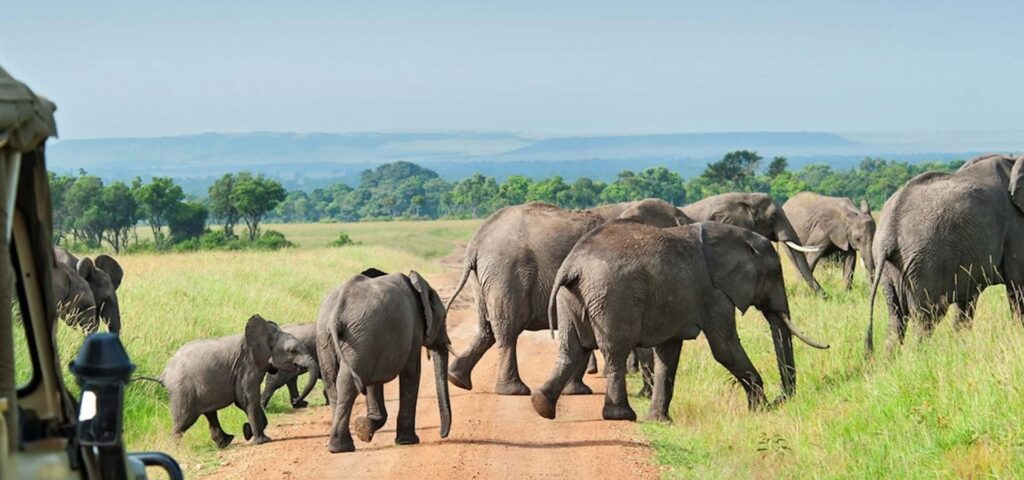
Tanzania’s southern parks are less visited than the north — and that’s precisely what makes them so compelling. Ruaha National Park is Tanzania’s largest park, a vast, ancient landscape of baobab forests and seasonal rivers where lion prides are some of the largest on the continent. The Selous Game Reserve — one of Africa’s largest protected areas — offers boat safaris and walking experiences that the northern parks simply cannot match.
For travellers on a second or third Tanzania safari, or those who specifically value solitude and wildness over tick-box highlights, the southern circuit represents extraordinary value. Accommodation costs are generally lower than comparable camps in the north, and the experience-per-dollar ratio is, in our view, the best in Tanzania.
Katavi National Park, in Tanzania’s far west, is the ultimate off-the-beaten-track destination — genuinely remote, genuinely wild, and unlike anywhere else on the continent.
Kilimanjaro: A Different Kind of Tanzania Adventure
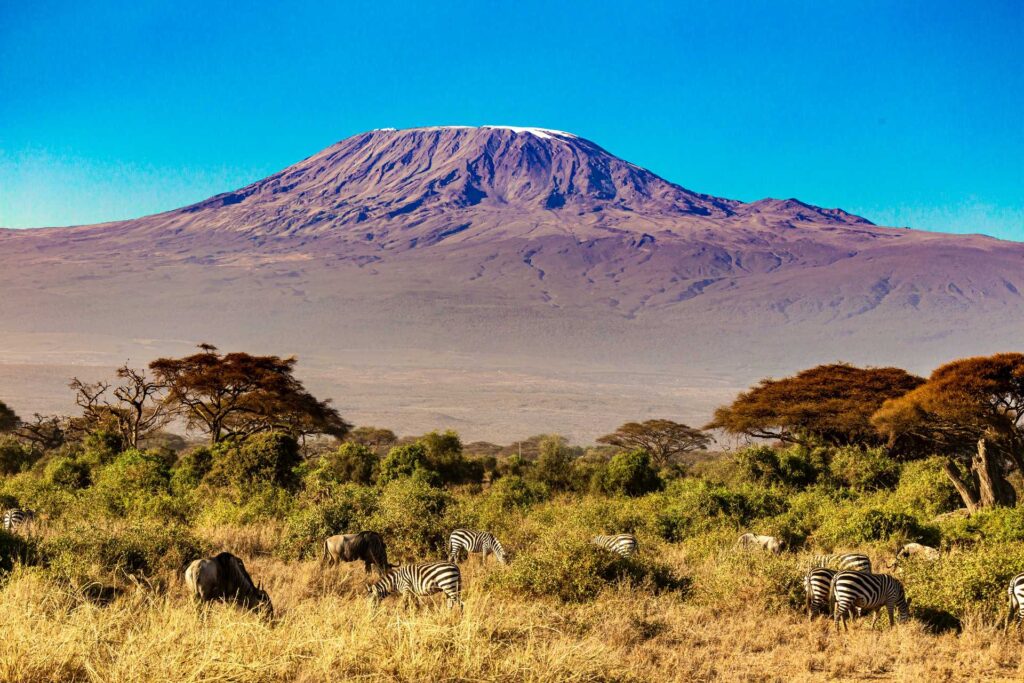
If your Tanzania plans include summiting Africa’s highest peak, the cost structure is entirely different from a wildlife safari. Kilimanjaro climbing costs vary by route and duration.
Longer, more scenic routes like the Lemosho Route and Northern Circuit Route cost more than shorter options like the Marangu Route — but they also offer significantly better summit success rates through superior acclimatisation. On Kilimanjaro, spending more on extra days is the single best investment you can make.
A quality Kilimanjaro climb with Northern Masailand Safaris typically runs from $2,000 to $4,000 per person, depending on the route and duration — all inclusive of park fees, guides, porters, meals, and camping equipment. We also offer combination packages that pair a Kilimanjaro climb with a post-summit safari, allowing you to transition from the glaciers of the summit to the golden plains of the Serengeti in a single unforgettable trip.
Extending to East Africa: Kenya, Uganda, and Rwanda
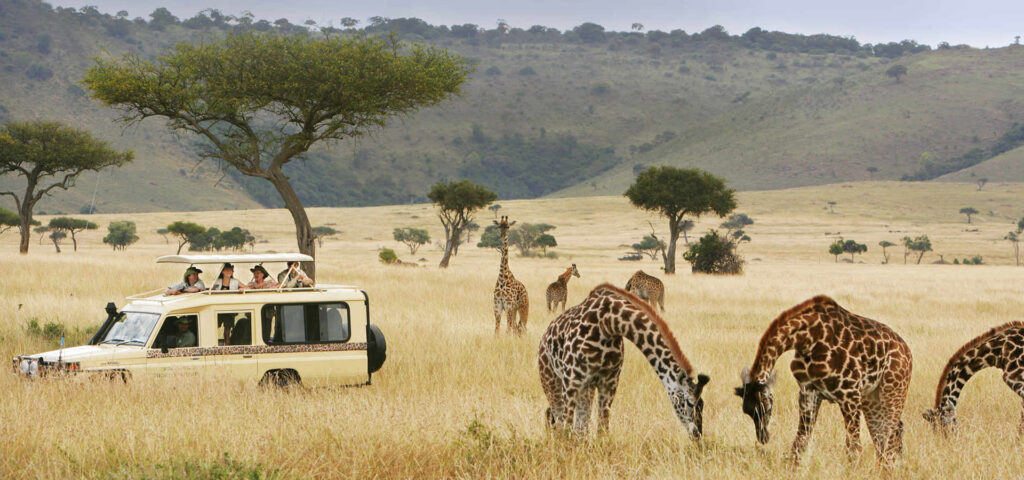
Many of our travellers choose to extend their Tanzania safari into the wider East Africa region — and it is a spectacular way to experience the diversity of this part of the world. Each destination adds its own costs but also its own irreplaceable magic.
A Tanzania–Kenya combination — the Serengeti flowing seamlessly into the Masai Mara — is one of the great wildlife journeys on Earth, particularly during the Migration season. Uganda and Rwanda offer the incomparable experience of gorilla trekking — a permit-based activity that commands a premium price (Uganda gorilla permits run $700 per person; Rwanda $1,500) but delivers an encounter that travellers consistently describe as the most profound wildlife experience of their lives.
We design multi-country itineraries seamlessly, handling all logistics across borders so you experience the journey without the friction. Talk to our team about how to combine destinations within your budget.
Tips, Gratuities, and the Costs Often Forgotten
A few costs catch first-time safari travellers off guard. Plan for them in advance and they won’t spoil the ending.
- Guide tips: The industry standard is $20–$30 per day for your driver-guide, paid directly at the end of the safari. Your guide works extremely long days and their expertise is what makes your experience extraordinary — tip generously.
- Camp staff tips: $5–$10 per person per day, left at checkout for the camp team
- Porter tips (Kilimanjaro): Porters are the unsung heroes of every Kilimanjaro climb. Budget $200–$300 total for porter and guide tips on a standard route
- Alcoholic beverages: Typically excluded from package pricing. Beers and wines at lodges are reasonably priced but not free
- Souvenirs and curio shopping: Tanzania’s markets and lodge gift shops offer beautiful Maasai crafts, fabric, and art. Budget whatever brings you joy here
- Travel insurance: Non-negotiable. A policy that covers emergency medical evacuation is essential — budget $100–$200 per person for a comprehensive policy
Why Booking Locally Makes Your Money Go Further
This is something we feel strongly about. When you book your Tanzania safari through an international tour operator or travel agency, a significant portion of what you pay never reaches Tanzania. It stays in the country where the booking was made, funding overheads and commissions rather than guides, camps, and conservation.
When you book directly with Northern Masailand Safaris — a company owned, staffed, and operated by people who live here — your money flows directly into the local economy. It pays the wages of our guides and drivers, supports the communities around our operating areas, and contributes to the conservation efforts that keep Tanzania’s wildlife alive for future generations.
It also means you get a better safari. Our guides know these parks not as tourists but as locals. They grew up near these landscapes. They understand the animals, the seasons, the hidden corners, and the secret viewpoints that no visiting operator will ever know. That knowledge is not a luxury — it’s the difference between a good safari and an extraordinary one.
Ready to Find Out What Your Safari Will Cost?
Every itinerary we create at Northern Masailand Safaris is built around you — your budget, your dream destinations, your travel dates, and the kind of experience you’re after. There’s no catalogue to browse and no standard price list, because the best safari is one designed from scratch.
Whether you’re dreaming of the drama of the Great Migration, the intimacy of a walking safari, the romance of a honeymoon in the bush, or an adventure safari that pushes every limit — we’ll design it, price it honestly, and deliver it with everything we have.
Visit our trip planning page to get started, read our frequently asked questions for more detail on pricing and payments, or simply reach out to our team today. We’ll come back to you with a personalised proposal — no obligation, no pressure, just an honest conversation about making your Tanzania dream a reality.
The safari you’ve been imagining is more within reach than you think. Let’s talk.