Animals of the Serengeti: What You Can See and Where
From lions and leopards to dung beetles and secretary birds: a guide to the animals of the Serengeti, and where and when to find them.
The Serengeti is one of the richest wildlife areas on earth. Besides the famous Great Migration, it is home to large populations of predators, plenty of resident grazers and browsers, and hundreds of bird species. Here is a guide to the animals you can see, and where your guide is likely to look for them.
The big cats
- Lions: the Serengeti has one of the largest lion populations in Africa. Prides rest on kopjes (rocky outcrops) and in the shade of acacias, and follow the herds during the migration.
- Leopards: solitary and secretive. The sausage trees and acacias along the Seronera River in the central Serengeti are among the best places in Africa to find them.
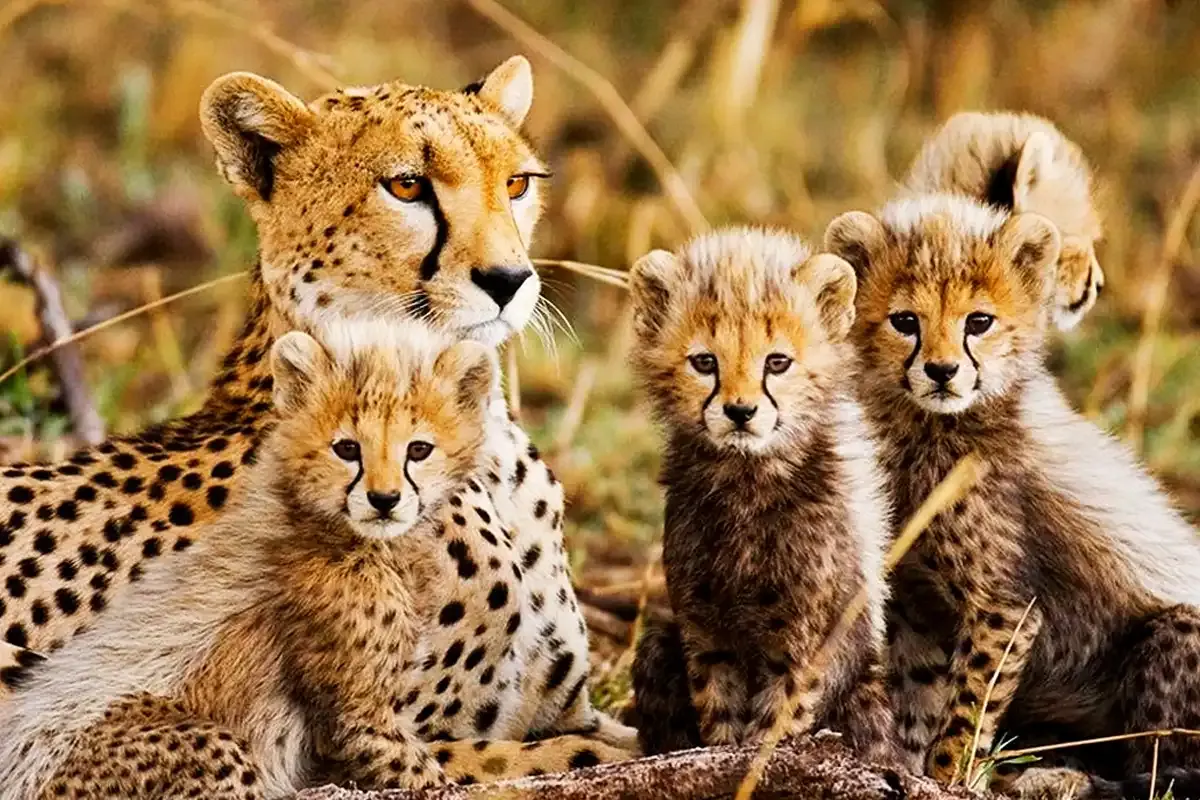
- Cheetahs: the open short-grass plains of the south and east are perfect cheetah country, especially around Ndutu and the Gol kopjes.
Read more in big cats of Tanzania.
The Great Migration herds
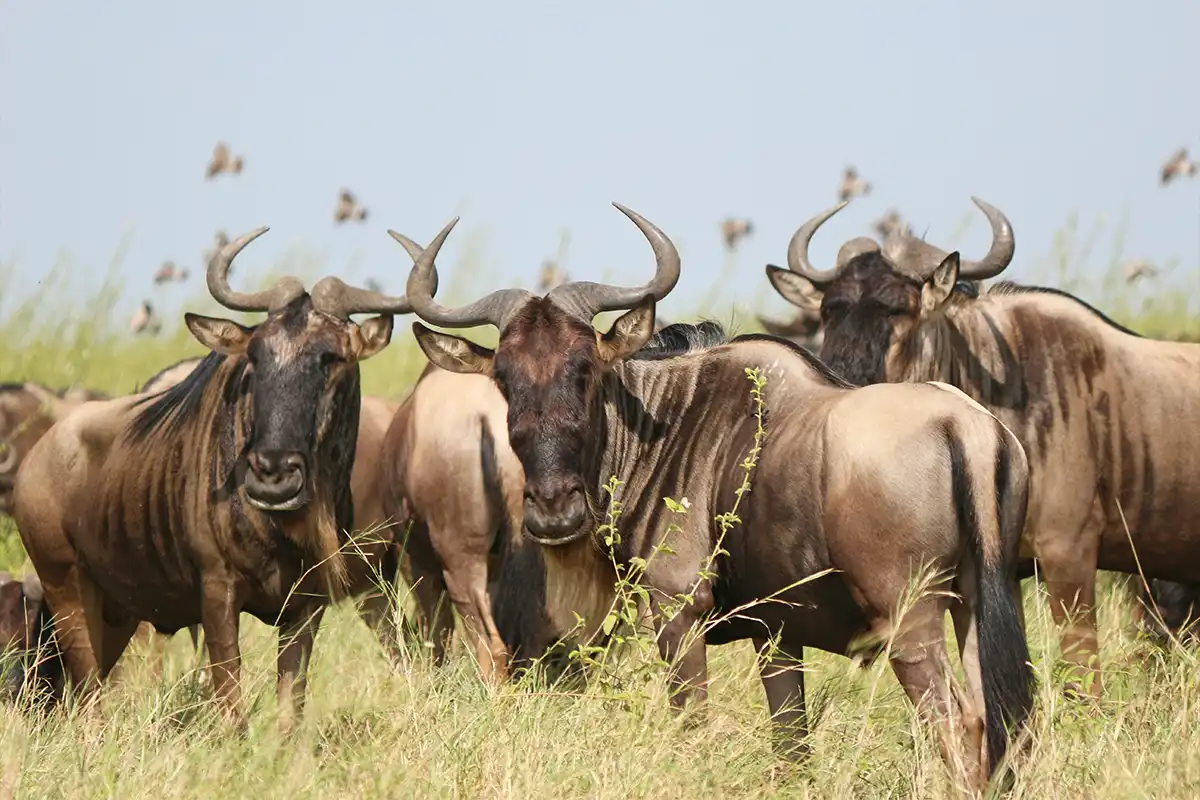
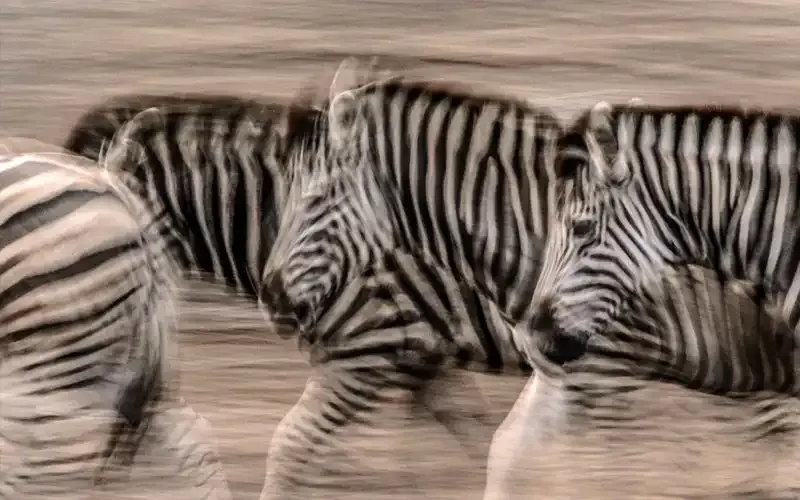
More than a million wildebeest, with hundreds of thousands of zebras and gazelles, circle the ecosystem all year. Where they are depends on the month: the southern plains from about December to March, the central and western Serengeti from April to June, and the north from July to October. See our Great Migration safaris and the Mara River crossing guide.
Other large mammals
- Elephants: more common in the north and in the woodland areas than on the open southern plains.
- Buffalo: large herds, especially near water.
- Giraffes: the Maasai giraffe, the tallest animal on earth, browses the acacias.
- Hippos: at the Retima hippo pool and along the rivers.
- Black rhino: present but rare, mainly around the Moru kopjes. For a better chance, visit the Ngorongoro Crater.
- Topi, hartebeest, eland, impala, waterbuck and warthogs are seen throughout.
Smaller predators
Keep an eye out for spotted hyenas (common and fascinating), black-backed and golden jackals, bat-eared foxes, servals, and honey badgers. African wild dogs are rare in the Serengeti today; the southern parks are better for them.
Reptiles
Nile crocodiles in the Grumeti and Mara rivers, monitor lizards, agama lizards on the kopjes, and snakes, which your guide will point out from a safe distance.
Birds
More than 500 bird species have been recorded. Look for ostriches, kori bustards, secretary birds, southern ground hornbills, vultures, lilac-breasted rollers and the grey-breasted spurfowl, found mainly in this region. See our bird watching page.
The small things
Don't forget the smaller life: dung beetles rolling their balls across the track, termite mounds, hyraxes on the kopjes, and colourful agama lizards. Good guides make these as interesting as the lions.
Where and when to look
| Area | Wildlife highlights |
|---|---|
| Central (Seronera) | Leopards, lions, cheetahs, hippos, year-round game |
| South (Ndutu, December–March) | Migration herds, calving, cheetahs, lions, hyenas |
| West (Grumeti) | Crocodiles, migration crossings around June–July |
| North (Kogatende, Lamai) | Mara River crossings July–October, elephants |
| East (Gol kopjes) | Cheetahs, lions, open plains |
Read our Serengeti National Park guide to plan your areas, then tell us your dates.
Animal behaviour to watch for
Seeing an animal is only the start. Watching what it does is what makes a sighting special:
- Lions marking territory by roaring at dawn and dusk, or cubs playing with their mothers' tails.
- Cheetahs climbing termite mounds to scan the plains before a hunt.
- Wildebeest bulls defending small territories during the rut, often around May and June.
- Elephants dust-bathing to protect their skin from sun and insects.
- Vultures circling: a sign of a kill nearby, which your guide may follow.
- Dung beetles rolling balls of dung many times their size.
The Serengeti's seasons and wildlife
The landscape changes dramatically through the year. In the green season (roughly November to May), the plains turn green, newborn animals appear and migrant birds arrive. In the dry season (June to October), the grass turns golden, animals gather near water and visibility improves. Both are excellent; they are simply different. See our Tanzania month-by-month guides.
Respect the wildlife
Stay in the vehicle, keep your voice low, never feed animals, and let your guide keep a respectful distance. Off-road driving is not allowed in most of the national park, which protects the grass and the animals. Read our game drive etiquette guide.
How to find more animals
- Talk to your guide about what you most want to see; they can plan the day around it.
- Use binoculars: many animals are first spotted far away.
- Stay out longer: full-day drives reach areas that half-day drives never do.
- Look in every direction, including up in the trees and down in the grass.
- Be quiet and patient at sightings; animals often reveal more behaviour when vehicles are calm.
- Keep a list: it's fun to tick off species, and it helps you notice the smaller ones.
Combining the Serengeti with other parks
Each nearby park adds something different: black rhino in the Ngorongoro Crater, elephant herds in Tarangire, forest and lake birds in Lake Manyara. Together they cover almost every animal on an East African wish list.
A note on numbers
You will read many different figures about the Serengeti: how many wildebeest, how many lions, how many bird species. Counts change from year to year and depend on the method used, so treat them as estimates. What matters on safari is not the exact number but the experience: the sight of herds stretching to the horizon, or a pride of lions resting in the shade.
Frequently asked questions
Can you see the Big Five in the Serengeti?
Lions, leopards, elephants and buffalo, yes. Rhinos are rare in the Serengeti; combine it with the Ngorongoro Crater for a better chance.
Where is the best place to see leopards in the Serengeti?
Along the Seronera River in the central Serengeti, where leopards rest in sausage trees and acacias.
Are there cheetahs in the Serengeti?
Yes. The open plains of the south and east, especially around Ndutu and the Gol kopjes, are excellent for cheetahs.
How many animals are in the Great Migration?
More than a million wildebeest, along with hundreds of thousands of zebras and gazelles.
When is the best time to see animals in the Serengeti?
All year. The herds move with the seasons, and resident wildlife such as lions and leopards is present every month.
How long should I spend in the Serengeti to see lots of animals?
At least two nights, ideally three or four, so you can explore different areas and follow the wildlife.
Are there giraffes in the Serengeti?
Yes. Maasai giraffes are common, especially in areas with acacia trees.
What is the rarest animal in the Serengeti?
Black rhinos and African wild dogs are among the rarest. Sightings of either are special.
Can I see the Great Migration and the Big Five on one safari?
Yes. Combine the Serengeti, where the herds and big cats are, with the Ngorongoro Crater for rhino, and you have a real chance of both.
Are there crocodiles in the Serengeti?
Yes. Large Nile crocodiles live in the Grumeti and Mara rivers, where they wait for the migration crossings.
Can I see baby animals in the Serengeti?
Yes, especially from about January to March, when wildebeest calves are born on the southern plains, and many other species also have young around the rains.