Mara River Crossings: When, Where and How to See Them
The river crossings are the most dramatic moments of the Great Migration. Here is when and where they happen, what to expect, and how to give yourself the best chance.
Thousands of wildebeest gather on a steep riverbank. Dust hangs in the air. The animals at the front hesitate, pushed forward by those behind. Then one jumps, and suddenly the whole herd pours into the water, swimming hard against the current while crocodiles wait below. A Mara River crossing is one of the great wildlife spectacles on earth, and the reason many people plan their safari around a single month.
Here is what you need to know to see one.
What is a river crossing?
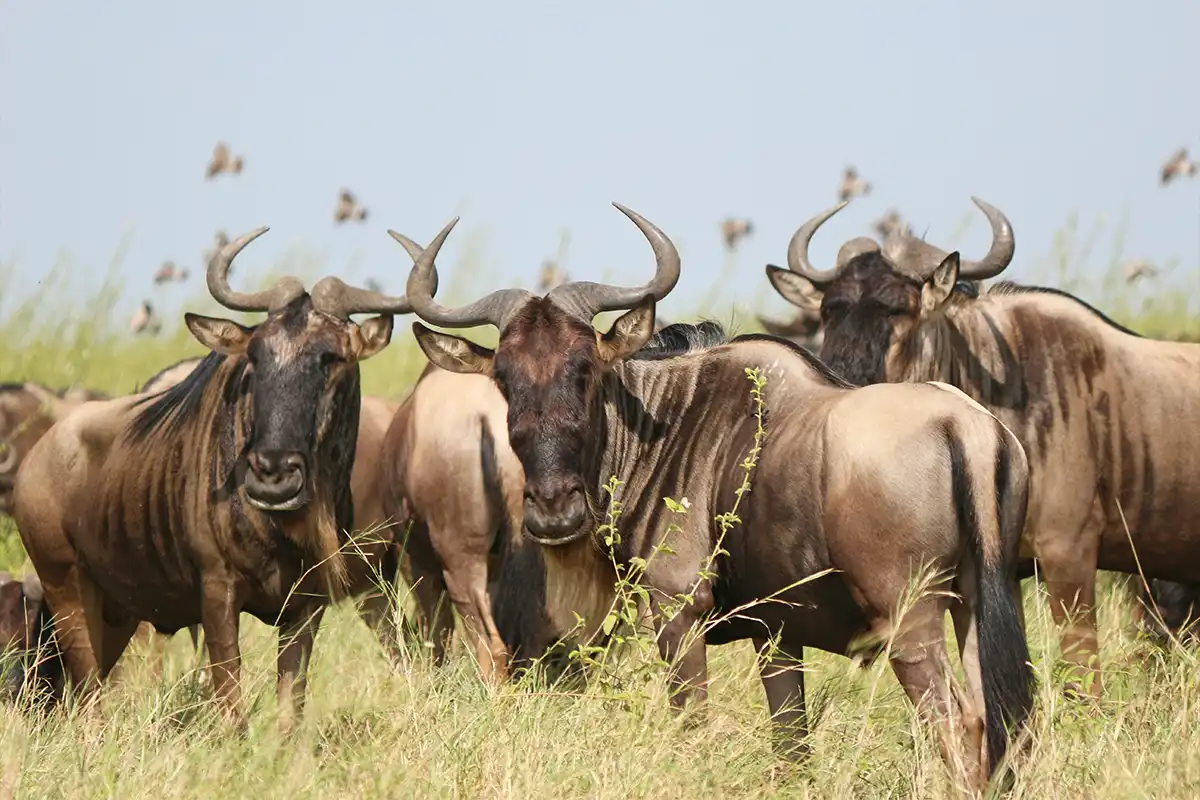
During the Great Migration, more than a million wildebeest, along with zebras and gazelles, follow the rains and fresh grass around the Serengeti–Mara ecosystem. In the dry season their route takes them across the Mara River, which runs through the northern Serengeti in Tanzania and the Maasai Mara in Kenya. Because the grazing is better on the other side, the herds cross, often many times, back and forth.
The Grumeti River in the western Serengeti sees crossings too, usually earlier in the season (around June to July), but they are smaller and less predictable.
When do the crossings happen?
| Months | What usually happens |
|---|---|
| July | Herds reach the northern Serengeti; the first crossings begin |
| August | Peak season, with frequent crossings |
| September | Crossings continue, often in both directions |
| October | Crossings become less frequent as the herds prepare to head south |
The exact timing depends on the rain each year and can shift by weeks. That is why we keep in touch with our guides in the field when planning your dates.
Where to stay
To see crossings from Tanzania, stay in the northern Serengeti, around Kogatende and the Lamai triangle, close to the main crossing points along the Mara River. Camps here are seasonal or permanent, and most guests fly in to save the long drive from Arusha. In Kenya, the crossing points are along the river in the Maasai Mara.
We recommend at least three nights in the north during the crossing season.
What a crossing day is like
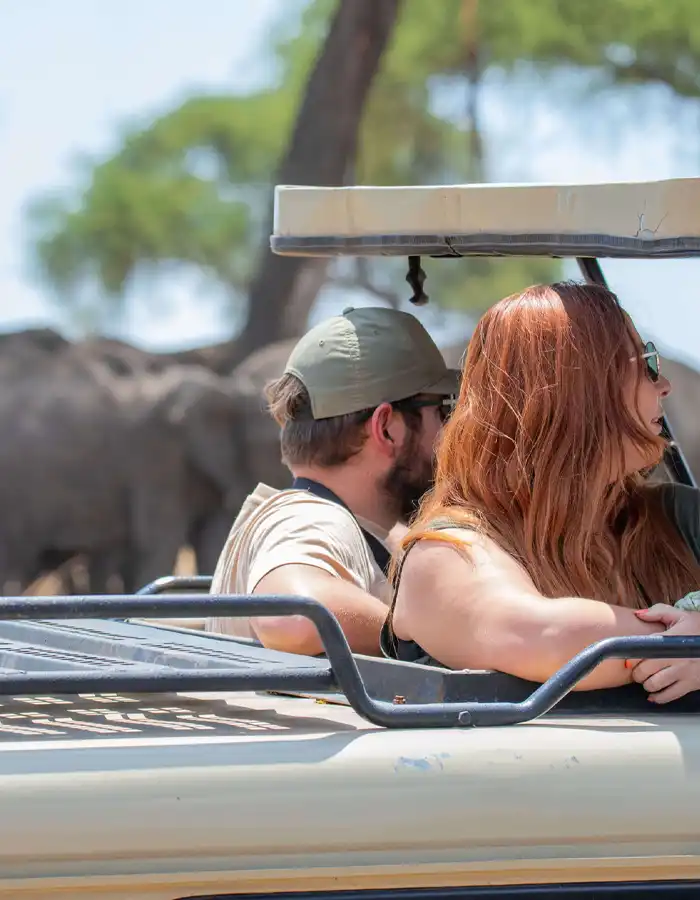
A crossing day is mostly about waiting. You set out early with a picnic. Your guide watches where the herds are gathering, checks the known crossing points, and talks with other guides. When a herd builds up on the bank, you wait at a respectful distance, sometimes for hours. Many times the animals turn away. Then, often without warning, they go. A crossing can last a few minutes or more than an hour.
It is raw nature: crocodiles take animals, some drown in the current, and lions may wait on the far bank. Your guide will prepare you for what you may see.
Tips from our guides
- Be patient. Bring water, snacks and a good book for the wait.
- Take full-day drives so your guide can follow the herds without returning to camp.
- Don't fixate only on crossings. The northern Serengeti has superb big cats and beautiful scenery.
- Respect the animals. Good guides never block the herds' path to the water; crowding a crossing point can stop it happening.
- Photography: a zoom lens (around 100–400 mm), fast shutter speeds, and a bean bag for support. Dust and backlight can make dramatic images.
Can a crossing be guaranteed?
No. Nobody can guarantee a crossing; the animals decide. With three or more nights in the right area in August or September, your chances are very good, but please treat a crossing as a highlight, not a certainty.
Plan your crossing safari
See our Great Migration safaris, the 7 Days Great Serengeti Migration Luxury Safari, and the month guides for July, August and September. Wondering whether to choose Tanzania or Kenya for the crossings? Read Serengeti vs Maasai Mara. Then tell us your dates.
Why do the wildebeest cross at all?
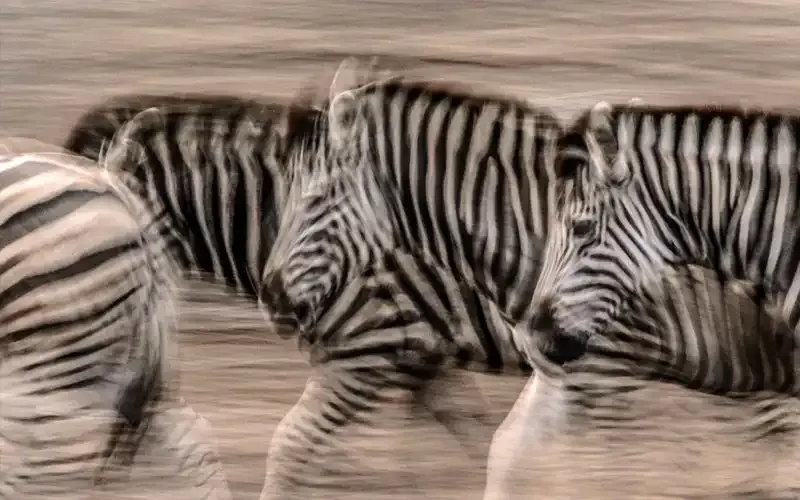
It seems strange that the herds risk crocodiles and drowning to cross a river, and then cross back again days later. The reason is food and water. Local storms bring fresh grass to one side of the river, and the herds follow it. Wildebeest also follow each other: once a few animals commit, the rest follow in a rush. Zebras, which often travel with the wildebeest, are more cautious and tend to choose their crossing points carefully.
The crocodiles
The Mara River is home to large Nile crocodiles that wait for the crossings. Most wildebeest make it across; the crocodiles take only a small number, but the drama can be intense. Hippos in the river add to the chaos, and on the banks lions, leopards and hyenas sometimes wait for exhausted animals.
Responsible viewing
Crossings have become popular, and in peak weeks many vehicles may wait at the same point. Responsible guides keep back from the river's edge, leave the herds a clear path, and don't drive across the animals' approach. Crowding can stop a crossing or cause panic. Choosing camps in quieter areas and being patient makes the experience better for you and for the animals.
Grumeti vs Mara crossings
| Grumeti River (west) | Mara River (north) | |
|---|---|---|
| When | About June–July | About July–October |
| Size | Smaller, fewer crossing points | Larger herds, many crossing points |
| Crowds | Usually quieter | Busier in peak weeks |
| Predictability | Less predictable | More frequent in peak months |
Both can be spectacular. The Western Corridor in June is a good choice for travellers who prefer fewer vehicles.
What else to see in the northern Serengeti
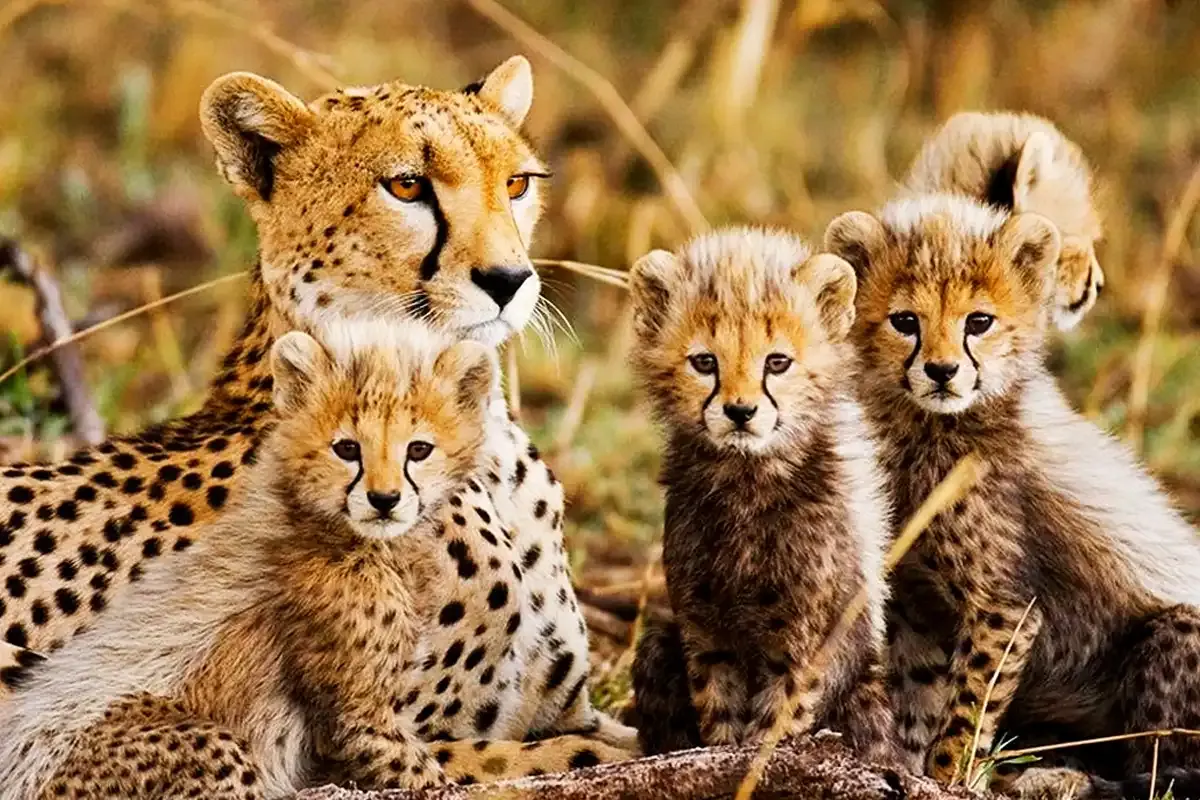
Between crossings, the north has plenty to offer: lion prides that follow the herds, elephants along the river, cheetahs on the open plains of the Lamai triangle, and spectacular landscapes of rolling hills and rocky kopjes. Many guests remember a quiet morning with a lion pride as much as the crossing itself.
Frequently asked questions
When is the best time to see a Mara River crossing?
August and September are usually the peak months, with crossings starting in July and continuing into October. The timing depends on the rain each year.
Where should I stay to see the river crossings in Tanzania?
In the northern Serengeti, around Kogatende and the Lamai triangle, close to the main crossing points.
How many days do I need to see a crossing?
At least three nights in the northern Serengeti during the crossing season. Crossings can't be predicted, so time is your best friend.
Are river crossings guaranteed?
No. The herds decide when to cross. With enough time in the right area, your chances are very good.
Can I see crossings in the Maasai Mara too?
Yes, usually from about August to October. The Mara is smaller and can be busier at the crossing points.
Do zebras cross the river too?
Yes. Zebras often travel with the wildebeest and cross with them, usually choosing their crossing points more carefully.
Is a river crossing upsetting to watch?
It can be. Some animals are taken by crocodiles or drown. Your guide will prepare you and you can always move on if you prefer.
Can I see a crossing on a short safari?
It is harder. Crossings need patience, so we recommend at least three nights in the northern Serengeti. A fly-in safari can make this possible within a week.
Do crossings happen every day?
No. In the peak months they can happen often, sometimes several times a day at different points, but there are also quiet days with none.
What time of day do crossings happen?
At any time of day, though many happen in the late morning and early afternoon. That is why full-day game drives with a picnic are best.