African Wild Dogs in Tanzania: Where to See Them in Ruaha and Nyerere
Painted, fast and endangered: African wild dogs are one of Africa's most exciting sightings. Southern Tanzania is one of the best places to find them.
Few sightings excite our guides more than a pack of African wild dogs. With their patchwork coats of black, brown, white and gold, large round ears and constant chatter, they look like no other predator. They are also one of the most endangered carnivores in Africa, and southern Tanzania is one of their last strongholds.
Meet the African wild dog
Also called the painted dog or painted wolf, the African wild dog lives in packs, usually of around 6 to 20 animals. Each dog's coat pattern is unique. The pack is led by a dominant breeding pair, and the others help to hunt, feed the pups and protect the den. They are famously social: after a hunt, adults regurgitate meat for the pups and for sick or injured members.
Wild dogs are remarkable hunters. They run their prey, often impala, to exhaustion over long distances, and their hunting success rate is among the highest of any large African predator.
Why they are endangered
Wild dogs need huge areas to roam: a single pack can range over hundreds of square kilometres. As their habitat shrinks, they come into conflict with people and livestock, and they are vulnerable to diseases such as rabies and distemper caught from domestic dogs. Only a few thousand remain in the wild across Africa, and they are listed as endangered.
Where to see wild dogs in Tanzania
- Nyerere National Park (the former Selous): one of the most important wild dog populations in Africa. Sightings are possible along the lakes and woodland in the north of the park.
- Ruaha National Park: another key population, in a vast and quiet landscape.
- Katavi and other wild areas of the south and west: occasional sightings.
- The northern circuit: wild dogs are rare in the Serengeti and Tarangire, though they are sometimes seen.
When to go
The dry season, from June to October, is best. Vegetation is thinner, and packs often den between about June and August when pups are born, which can keep them in one area for a few weeks. Camps share news of sightings, and your guide will know where packs have been seen recently.
Tips for finding wild dogs
- Stay longer. Packs move fast and far. Three nights in each park gives you the best chance.
- Be ready early. Wild dogs are most active in the early morning and late afternoon.
- Ask about dens. In the denning season, camps may know of a den; your guide will keep a respectful distance.
- Expect the unexpected. You may see nothing for days, then a pack running past your vehicle.
Plan your southern safari
Combine Ruaha and Nyerere on our 6 Days Ruaha & Nyerere Fly-in Safari, or take a short 3 Days Nyerere Fly-in Safari from Zanzibar. Read our southern circuit guide, then tell us your dates.
A day with a pack
Wild dogs spend much of the day resting in the shade, often piled together. Around sunrise and late afternoon they wake, greet each other with excited twittering and nuzzling, and set off on a hunt. They move fast and cover long distances, so following them requires a guide who knows the area and can predict where they are heading. If you are lucky enough to find them hunting, it is one of the most thrilling experiences on safari.
Conservation
Several organisations work to protect wild dogs in Tanzania, studying packs, vaccinating domestic dogs against diseases that spread to wildlife, and working with communities to reduce conflict. Park fees and responsible tourism help support this work. When you see a pack, you are seeing a real conservation success story, and helping to keep it going.
Other predators of the south
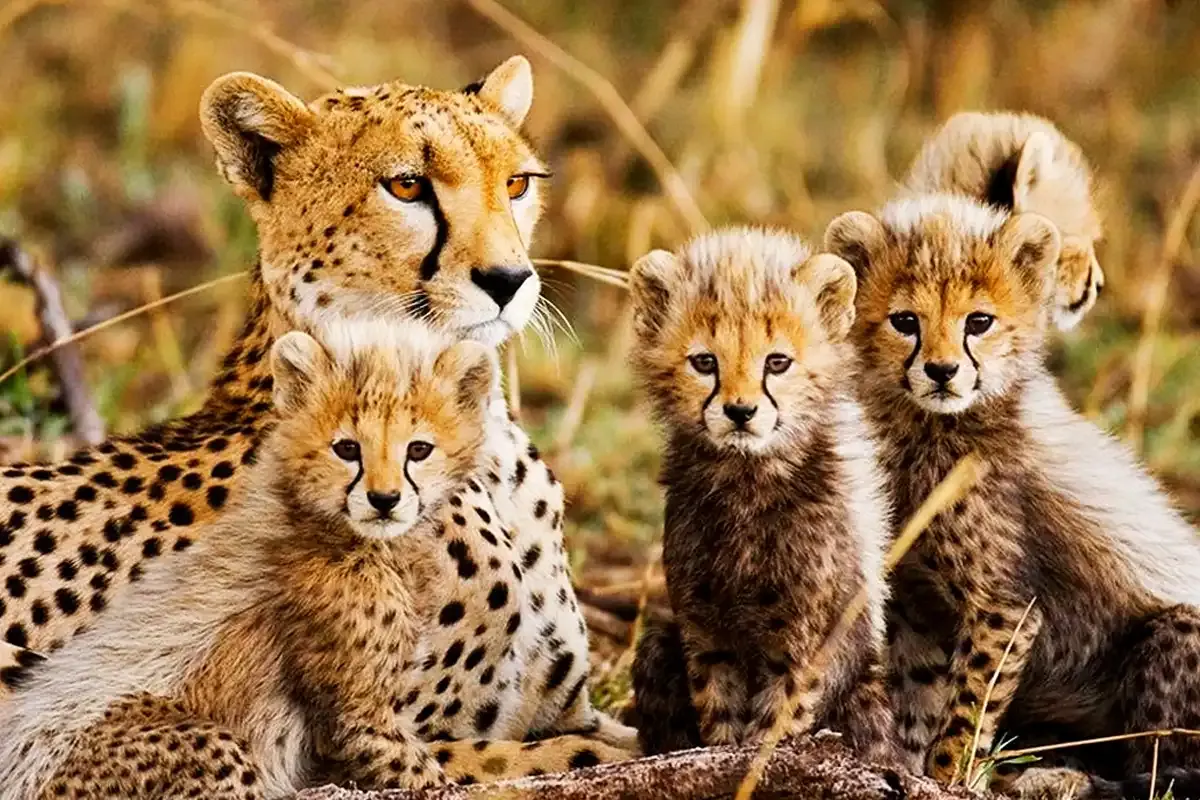
While you look for wild dogs, southern Tanzania offers excellent sightings of lions (Ruaha is known for large prides), leopards, spotted hyenas and, in Ruaha's open north, cheetahs. Nyerere's rivers and lakes add huge crocodiles to the list.
How wild dogs hunt
Wild dogs hunt as a team. They usually set off at dawn or dusk, trotting in a loose line until they find prey, often impala. Then they run it down over long distances, taking turns at the front. Their stamina, not their speed, wins the chase. Afterwards, the pack shares the kill quickly, and the pups and any adults that stayed at the den are fed by regurgitation. This co-operation is one reason why packs need many members to survive.
Wild dogs and other predators
Wild dogs often lose kills to lions and spotted hyenas, and lions kill wild dogs when they can. That is why wild dogs often do best in areas with fewer lions, and why they need such large territories.
Photographing wild dogs
Wild dogs move fast, often in low light. Use a fast shutter speed, keep your camera ready, and anticipate where the pack is heading so your guide can position the vehicle ahead of them. Early morning, when the pack wakes and greets each other, is one of the best times for photos.
A trip planned around wild dogs
A good plan: three nights in Ruaha and three in Nyerere in the dry season, with camps that report regular sightings. Combine game drives, a boat safari and a walking safari, and finish with a few days in Zanzibar.
Frequently asked questions
Where is the best place to see wild dogs in Tanzania?
Nyerere National Park (the former Selous) and Ruaha National Park in the south hold the most important populations.
Can I see wild dogs in the Serengeti?
Rarely. Wild dogs are occasionally seen in the northern parks, but the southern parks give a much better chance.
When is the best time to see wild dogs?
The dry season, June to October. Packs are easier to find when the vegetation is thin, and they stay closer to a den when they have pups.
Are wild dogs dangerous to people?
Wild dogs are not considered a danger to people on safari. As with all wildlife, stay in the vehicle and follow your guide.
Why are African wild dogs endangered?
Mainly because of habitat loss, conflict with people and livestock, and diseases from domestic dogs. They need very large areas to survive.
How fast can wild dogs run?
They can sprint quickly, but their real strength is endurance: they can keep up a fast pace over long distances until their prey tires.
Do wild dogs live in the Ngorongoro Crater?
Wild dogs are not usually seen in the crater. Southern parks such as Nyerere and Ruaha are far better for them.
Can I visit a wild dog den?
Sometimes camps know of a den in the denning season. Guides keep a respectful distance and limit time there so the pack is not disturbed.
Are wild dogs the same as hyenas?
No. Wild dogs and hyenas are different families. Wild dogs are related to wolves and domestic dogs; hyenas belong to their own family.
How big is a wild dog pack?
Packs vary, often from around six to twenty animals, led by a breeding pair. Pack size changes with births, deaths and dogs leaving to form new packs.
Do wild dogs live in Tarangire?
Wild dogs are occasionally reported in and around Tarangire, but sightings are rare. The southern parks are much more reliable.