Introduction: Tanzania Awaits — But Come Prepared
Tanzania is not a destination you visit once and forget. It gets into your blood — the smell of red dust after rain, the sound of lions calling at dusk, the impossible silence of the Serengeti under a full moon. But arriving unprepared can turn a dream trip into an anxious one. That is why we put this guide together.
At Northern MasaiLand Safaris, we have spent years guiding travellers across this extraordinary country — from the snowy summit of Kilimanjaro to the white sand shores of Zanzibar. This is not a generic checklist. This is the honest, on-the-ground advice we give every guest who books with us, now shared openly so you arrive confident, informed, and ready to fall in love with Tanzania.
1. When to Go: Seasons, Migration & Timing
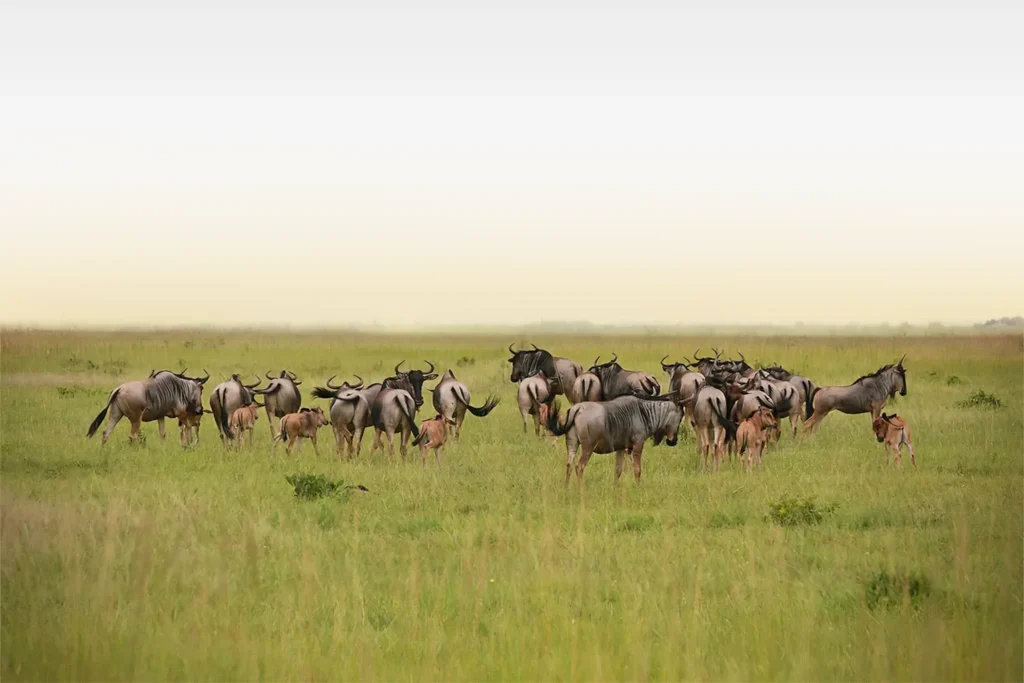
Tanzania has two dry seasons and two wet seasons. Understanding them is the single most important planning decision you will make — it determines what you see, where you go, and what everything costs.
| Period | Conditions | Best For | Season |
|---|---|---|---|
| June – October | Dry, cool mornings, minimal rain | Wildlife viewing, all parks, Kilimanjaro climbing | Peak Season |
| January – February | Hot and dry short break | Calving season in Serengeti, fewer crowds | Great Value |
| November – December | Short rains, lush and green | Photography, birdwatching, budget travel | Green Season |
| March – May | Long rains, some roads difficult | Remote parks, extreme budget travellers | Low Season |
The Great Migration is what draws most visitors. This annual movement of over two million wildebeest and zebra follows the rains in a giant circular loop across the Serengeti–Mara ecosystem. In January and February, witness the extraordinary calving season in the southern Serengeti. By June, the herds push northward. The famous river crossings typically occur between July and October near the Mara River in the northern Serengeti.
Insider Tip: Book your Great Migration safari at least six months in advance for peak season. The best mobile camps and river-crossing spots fill up fast. Start planning with us here and our team will map out the timing perfectly for you.
2. Visas & Entry Requirements
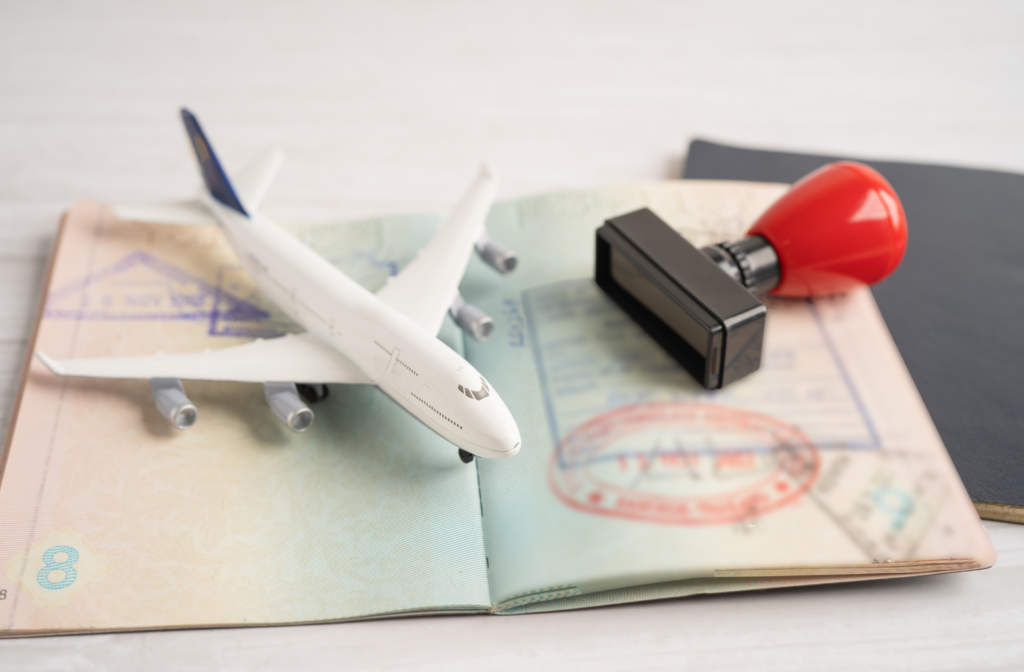
Good news: Tanzania is relatively straightforward for most nationalities. Most visitors can obtain a tourist visa on arrival at Julius Nyerere International Airport (Dar es Salaam), Kilimanjaro International Airport (near Arusha), and Zanzibar International Airport. However, applying online before you travel is strongly recommended to avoid queues.
What You Will Typically Need
- A valid passport with at least six months’ validity beyond your travel dates
- A completed visa application (available online or on arrival)
- Proof of onward travel (return or connecting flight ticket)
- Proof of sufficient funds for your stay
- Yellow fever vaccination certificate (if arriving from a country with yellow fever risk)
Visa Fees at a Glance
| Nationality | Visa Type | Approximate Cost (USD) | Method |
|---|---|---|---|
| Most nationalities | Single-entry tourist visa | $50 | Online or on arrival |
| USA citizens | Single-entry tourist visa | $100 | Online or on arrival |
| East African Community citizens | Exempt | Free | N/A |
| All nationalities | Multiple-entry visa | $100 | Online or on arrival |
For a step-by-step walkthrough — including documents to carry in your hand luggage, processing times, and common pitfalls — read our full guide: Tanzania Visa: Everything You Need to Know Before You Travel.
Also review Tanzania’s current general travel requirements, which covers vaccination certificates, customs rules, and other entry conditions that are easy to overlook until you are standing at the immigration desk.
3. Health, Safety & Travel Insurance
Tanzania is a safe and welcoming destination — hundreds of thousands visit every year without incident. But as with any international trip, especially one that takes you into remote wilderness areas, being well-prepared makes all the difference.
Health Essentials
- Malaria: Present in most low-lying areas. Consult your doctor at least six weeks before departure about antimalarial medication. Use DEET repellent (30%+), wear long sleeves at dusk, and sleep under nets.
- Yellow Fever: Vaccination required if arriving from a country with risk. Carry your certificate — it may be checked at the border.
- Routine Vaccinations: Hepatitis A, typhoid, and tetanus are advisable. Confirm all are up to date with your travel health clinic.
- Water: Drink bottled or purified water only. All reputable safari camps and lodges provide safe drinking water.
- Altitude: Relevant for Kilimanjaro climbers — see Section 7 below.
Is Tanzania Safe? An Honest Assessment
| Area | Safety Level | What to Be Aware Of |
|---|---|---|
| National parks & safari areas | Very safe | Always follow guide instructions around wildlife |
| Arusha city | Generally safe | Petty theft in busy markets; keep valuables out of sight |
| Dar es Salaam | Generally safe | Use ATMs in daylight; avoid walking alone at night in unfamiliar areas |
| Zanzibar (Stone Town) | Generally safe | Watch for bag snatching in narrow alleys; book reputable transport |
| Rural and remote areas | Very safe | Infrastructure is limited; travel with a reputable guide |
For a full area-by-area breakdown, read our Tanzania Travel Safety: An Honest Guide for Every Visitor.
Travel Insurance — Do Not Skip It
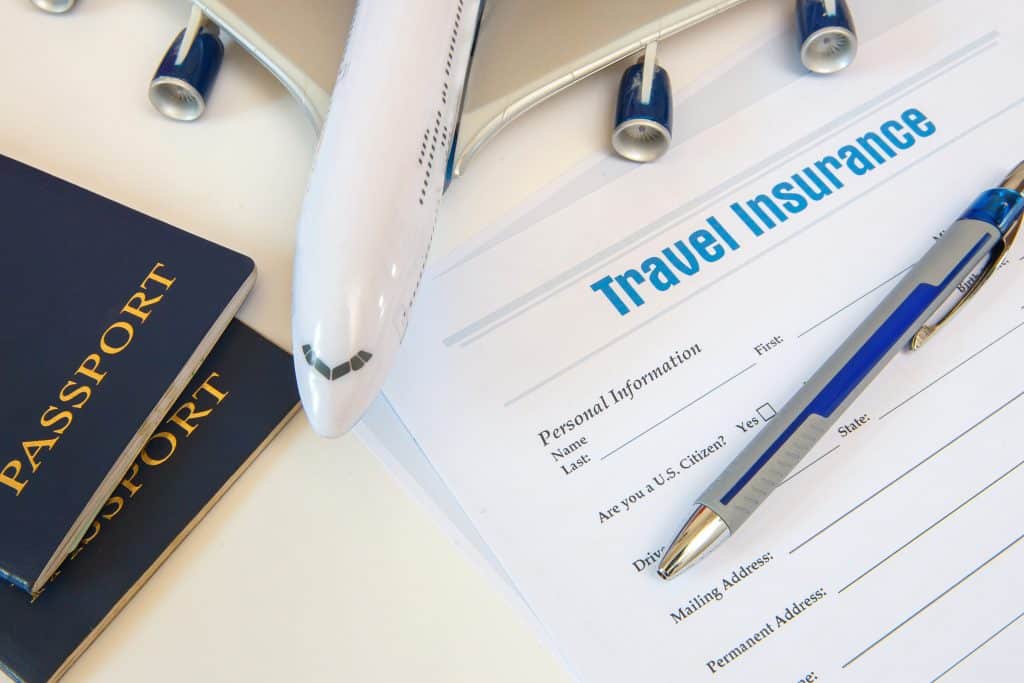
This is non-negotiable. Safari travel, Kilimanjaro trekking, and coastal adventures carry risks that standard policies may not cover. You need a policy that includes emergency medical evacuation — a helicopter rescue from a remote park or high altitude can cost tens of thousands of dollars without coverage.
Our dedicated resource on Tanzania travel insurance explains exactly what to look for, what to avoid, and how to ensure you are genuinely protected.
4. Money, Packing & Practical Tips
Currency & Money Tips

| Tip | Detail |
|---|---|
| Currency | Tanzanian Shilling (TZS). USD is widely accepted for safaris, parks, and accommodation. |
| USD notes | Carry post-2006 notes only — older bills are often refused. |
| ATMs | Available in Arusha and Dar es Salaam. Rarely available in remote parks — carry enough cash before departure. |
| Cards | Accepted at most lodges and larger shops. Always carry backup cash. |
| Tipping | Expected and important. Safari drivers: USD $15–25/day. Camp staff: $5–10/day per tent. Kilimanjaro porters: follow official recommended rates. |
Packing Essentials
| Category | What to Pack | Notes |
|---|---|---|
| Clothing | Neutral tones — khaki, olive, beige, brown | Avoid white (shows dust), bright colours (disturbs wildlife), and blue/black (attracts tsetse flies) |
| Sun protection | High-SPF sunscreen, wide-brimmed hat, UV sunglasses | The equatorial sun in open-top vehicles is fierce |
| Insect protection | DEET repellent 30%+, light long-sleeve layers for evenings | Essential in all areas, especially near water |
| Power | Universal adapter (Tanzania uses Type G / UK plugs) | Camps may only charge devices at set times — download offline content before you go |
| Photography | Long zoom lens (300mm+), extra memory cards, dust protection bag | You will never have enough memory cards — double what you think you need |
| Health kit | Antimalarials, hand sanitiser, oral rehydration sachets, blister plasters | Carry a small kit in your day bag always |
Our complete Tanzania safari packing list covers every scenario — from a luxury lodge stay to a Kilimanjaro summit attempt. And for a clear picture of what everything costs, our Tanzania safari cost guide gives you honest numbers with no vague “it depends” answers.
5. Food & What to Expect
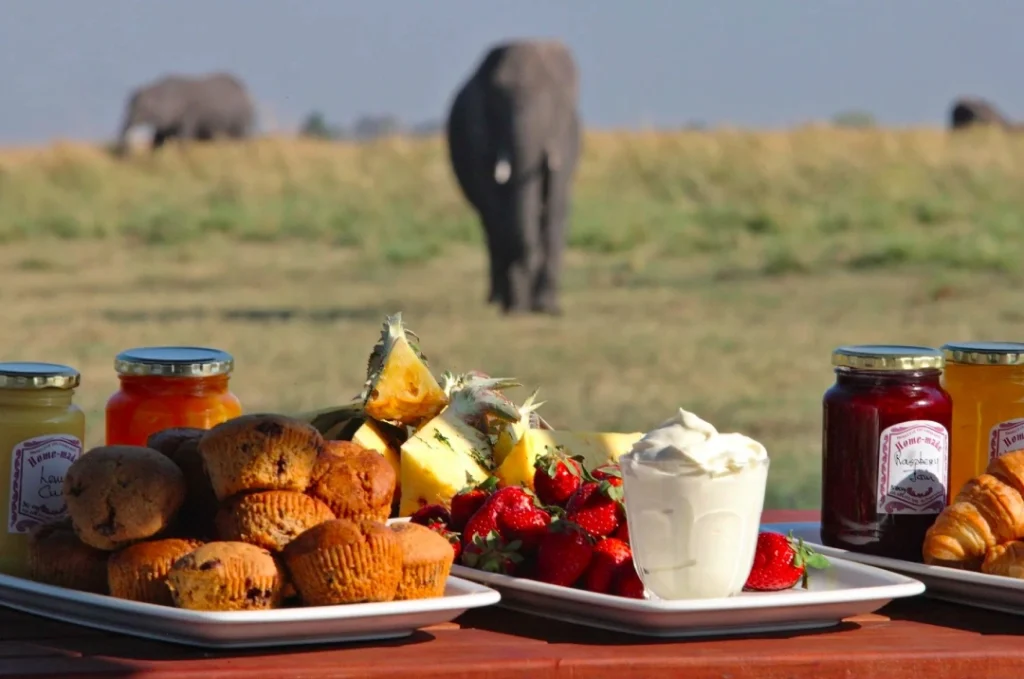
Tanzanian food is honest, warming, and deeply tied to the land and coast. Arrive curious and open, and you will eat extraordinarily well.
Foods to Know and Try
| Dish / Food | Description | Where to Find It |
|---|---|---|
| Ugali | Dense maize porridge — the cornerstone of the Tanzanian table, eaten with stew, grilled meat, or fish | Everywhere — local restaurants and homes |
| Nyama Choma | Grilled meat (usually goat or beef), slow-cooked over charcoal | Roadside grills and local restaurants |
| Pilau | Spiced rice cooked with meat — an aromatic East African classic with Indian influence | Zanzibar and coastal towns |
| Zanzibar Mix | A beloved street food plate of cassava chips, chickpeas, mango, and chilli sauce | Zanzibar Stone Town |
| Urojo (Zanzibar soup) | Tangy, complex soup made with coconut, mango, lime, and various fritters | Zanzibar local stalls |
| Fresh seafood | Grilled lobster, prawns, octopus, and fish — exceptional along the coast and in Zanzibar | Zanzibar, Dar es Salaam coastline |
| Safari camp meals | Generous buffet meals drawing on Tanzanian and international flavours — consistently good even at modest price points | All safari lodges and tented camps |
Read our full guide to Tanzania food — what to eat, what to expect, and why you will love every bite, including vegetarian options and street food safety tips.
6. Key Destinations You Should Not Miss
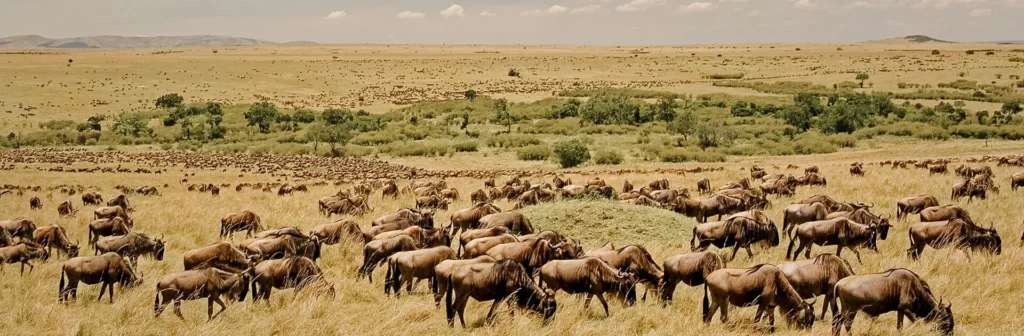
Tanzania is vast — the eleventh largest country in Africa — and its wildlife areas alone cover terrain the size of some European nations. Here is an honest guide to the places that consistently deliver.
| Destination | Why Go | Best Time to Visit |
|---|---|---|
| Serengeti National Park | Tanzania’s crown jewel — resident Big Five, the Great Migration, endless open plains and extraordinary sunsets | Year-round; June–October for Migration river crossings |
| Ngorongoro Crater | A volcanic caldera sheltering the densest wildlife concentration in Africa, including Tanzania’s most reliable black rhino population | Year-round; mornings are best before tour traffic |
| Tarangire National Park | Extraordinary elephant herds and ancient baobab trees over a thousand years old — underrated and magnificent | June–October for large elephant gatherings |
| Lake Manyara | Compact but wildly diverse — flamingoes, tree-climbing lions, and dense groundwater forest | November–June for flamingoes; year-round for wildlife |
| Ruaha National Park | One of Africa’s largest protected areas — massive lion prides, huge elephant populations, and very few tourists | June–October (dry season) |
| Selous Game Reserve | Boat safaris and walking safaris alongside traditional drives in a vast, wild southern ecosystem | June–October |
| Zanzibar | Turquoise Indian Ocean, spice-scented Stone Town, and languid island life — the perfect safari end chapter | June–October and December–February |
| Katavi National Park | Tanzania’s most remote park — staggering hippo and crocodile concentrations in an almost completely untouched wilderness | July–October only (flooded in wet season) |
Explore all experiences across Tanzania — from hot-air balloon safaris over the Serengeti at dawn to guided walking safaris through the bush, cultural safaris into Maasai communities, and dedicated photographic safaris built around the best light. Our full guide to things to do in Tanzania is your starting point.
7. Climbing Kilimanjaro: What You Need to Know
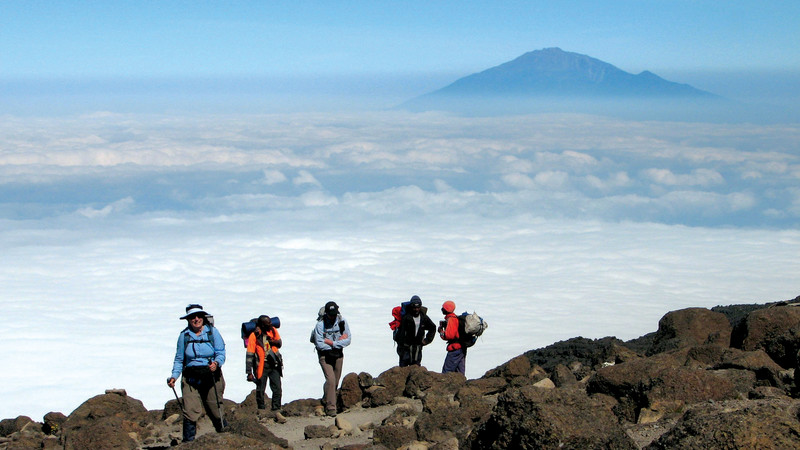
At 5,895 metres, Kilimanjaro is the highest peak in Africa and one of the world’s great trekking adventures. It requires no technical climbing skill — but it demands respect, preparation, and the right team beside you.
Kilimanjaro Routes at a Glance
| Route | Duration | Difficulty | Scenery | Best For |
|---|---|---|---|---|
| Lemosho | 7–8 days | Moderate | Outstanding | Best all-round choice; excellent acclimatisation and scenery |
| Machame | 6–7 days | Moderate–Challenging | Very good | Most popular; dramatic profile and great acclimatisation |
| Northern Circuit | 9 days | Moderate | Exceptional | Maximum solitude and the highest summit success rate |
| Rongai | 6–7 days | Moderate | Good | Quiet, dry approach from the north; great during wet season |
| Marangu | 5–6 days | Moderate | Good | Only route with hut accommodation; lower success rate due to short duration |
| Umbwe | 5–6 days | Challenging | Good | Steep and direct; for fit, experienced trekkers only |
| Shira | 7 days | Moderate–Challenging | Very good | High starting altitude — solid fitness required; joins Lemosho mid-route |
| Western Breach | 7–8 days | Challenging | Dramatic | Technical and remote; for experienced, well-prepared trekkers |
Altitude Sickness — The Honest Truth
Altitude sickness does not discriminate by fitness level. It is physiological, not a test of toughness. Symptoms — headache, nausea, fatigue, dizziness — can affect anyone above 2,500 metres. The best mitigation is time: slower routes with more acclimatisation days produce significantly higher summit success rates. Our guides are trained in altitude recognition and will always prioritise your safety over summit glory.
Browse all our Kilimanjaro routes and packages, or jump straight to our most popular treks:
- 8-Day Kilimanjaro Lemosho Route
- 7-Day Kilimanjaro Machame Route
- 9-Day Kilimanjaro Northern Circuit Route
- 6-Day Kilimanjaro Marangu Route
- 6-Day Kilimanjaro Umbwe Route
8. How to Plan Your Trip with Northern MasaiLand Safaris
We are a Tanzanian-based safari company rooted in the communities and landscapes we show you. Every itinerary we create is tailored — there is no one-size-fits-all in a country this extraordinary.
Whether you are dreaming of a romantic honeymoon safari under canvas in the Serengeti, a family safari built around early morning game drives and afternoon downtime, or an adventure safari pushing into the wild southern parks — we will build it around you.
Popular Ready-Made Packages
| Package | Duration | Highlights |
|---|---|---|
| Tanzania Classic Safari | 3 days | Perfect introduction for time-pressed travellers; Ngorongoro and Tarangire |
| Tanzania Safari | 6 days | The sweet spot between depth and efficiency; Serengeti, Ngorongoro, Tarangire |
| Big Five Luxury Safari | 5 days | Premium camps, exclusive drives; focused Big Five experience |
| Luxury Tanzania Safari | 8 days | The finest lodges across Tanzania’s iconic northern circuit |
| Great Serengeti Migration Safari | 7 days | Purpose-built around the river crossings and calving season |
| Tanzania Luxury Honeymoon Safari | 10 days | Romantic, intimate camps and exceptional service throughout |
| Luxury Honeymoon Safari & Zanzibar Escape | 15 days | Our most romantic itinerary — safari wilderness followed by Indian Ocean paradise |
| Tanzania Luxury Safari & Zanzibar | 12 days | Classic northern safari combined with a Zanzibar beach extension |
Have questions before committing? Our FAQ page answers the most common questions we receive. Or get in touch directly — a real person from our team will respond, usually within a few hours.
Tanzania is waiting. Let us take the worry out of planning and put the wonder back in. Start planning your trip with Northern MasaiLand Safaris today.