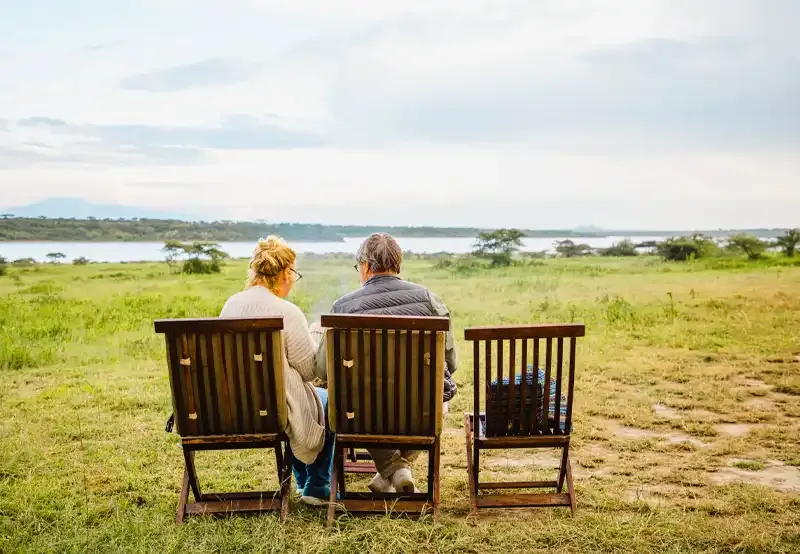
Safari for Older Travellers: A Comfortable Tanzania Safari at Any Age
A safari is one of the best trips at any age. How to plan a comfortable, well-paced safari as an older traveller, from pacing to health and insurance.
Many of our happiest guests are in their sixties, seventies and beyond. A safari doesn't require athletic fitness: most of it is spent watching wildlife from a comfortable vehicle. With the right pace and a little planning, it can be one of the most rewarding trips of your life.
Plan the pace
- Fewer parks, more nights. Two or three nights in each place means less packing and fewer travel days.
- Shorter drives: start with Tarangire, Lake Manyara and the Ngorongoro Crater, which are close together.
- Fly to the Serengeti to avoid the long drive, if boarding a small plane is comfortable for you.
- Rest in the afternoon: game drives in the early morning and late afternoon, with a rest in between.
- Skip what you don't need: no one has to go on every game drive.
Choosing parks
| Park | Why it suits |
|---|---|
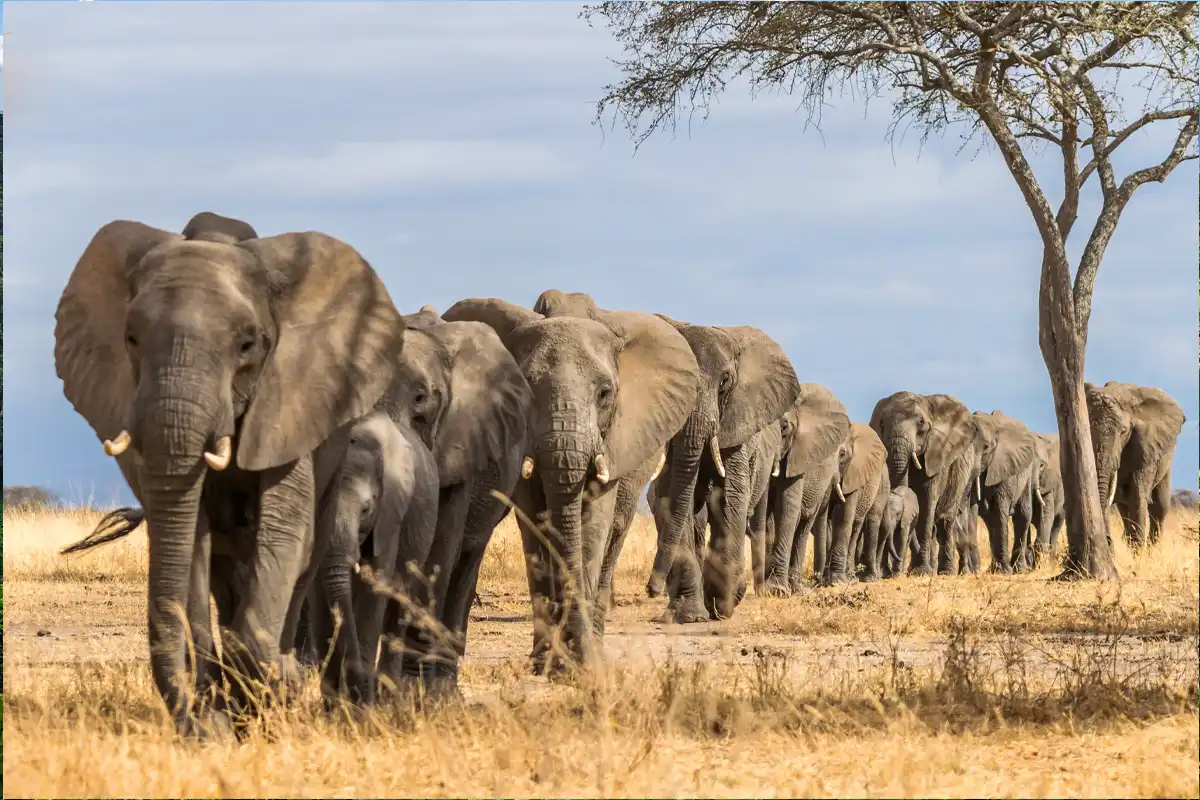
| Tarangire | Close to Arusha, lots of elephants, short drives |
| Lake Manyara | Compact, varied, near comfortable lodges |
| Ngorongoro Crater | Huge numbers of animals in one day |
| Serengeti | The highlight; fly in to save the long drive |
| Arusha National Park | A gentle first or last day |
Accommodation
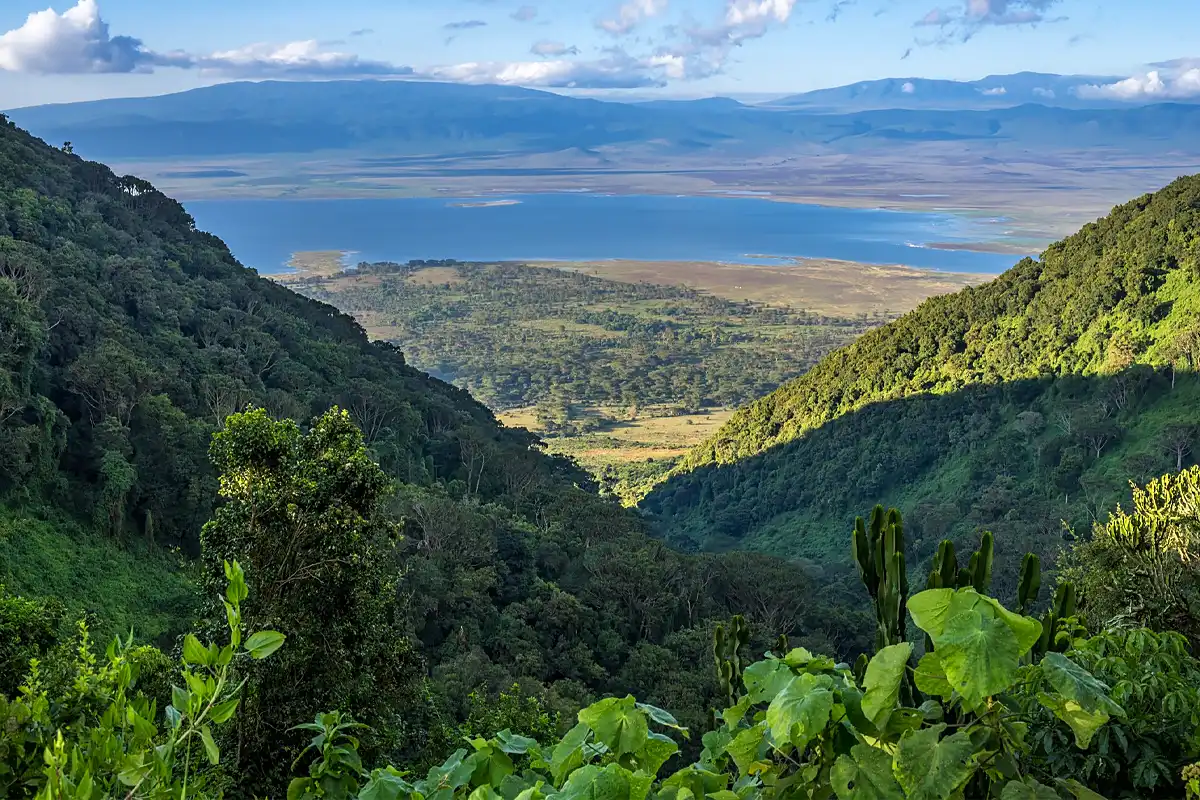
Choose lodges with level paths, rooms close to the main area, and good beds. Tell us about any needs, such as a ground-floor room or a walk-in shower. Many tented camps have steps or raised decks; staff can help with luggage. Note that the Ngorongoro rim is high (about 2,200–2,300 m), so nights are cold and some people notice the altitude slightly. Karatu, lower down, can be a comfortable alternative.
Health and insurance
- See your doctor before you travel, especially about vaccinations, malaria prevention and any conditions.
- Travel insurance with medical cover and emergency evacuation is essential; check age limits and pre-existing conditions.
- Bring enough medication for the whole trip, in your hand luggage, plus copies of prescriptions.
- Stay hydrated and use sun protection: the equatorial sun is strong.
Comfort on game drives
- Bring a cushion if you are sensitive to bumpy roads, and dress in layers.
- Ask your guide to drive gently on rough sections.
- Toilet stops are at picnic sites and gates; tell your guide when you need one.
- Binoculars make a big difference: you see more without moving closer.
Kilimanjaro and walking
Kilimanjaro climbs are physically demanding at any age, and you should consult your doctor. Gentle walking safaris in Arusha National Park or a cultural walk in Mto wa Mbu are easier ways to explore on foot.
Add the beach
A few days in Zanzibar after the safari is a wonderful way to relax. Choose a hotel with easy beach access on the north coast, where tides are smaller.
Read about accessible safaris and what to expect on your first safari, or see the relaxed 3 Days Tarangire, Ngorongoro & Lake Manyara. Tell us what you need, and we will plan the pace around you.
A sample relaxed itinerary
| Day | Plan |
|---|---|
| 1 | Arrive; rest at a garden lodge near Arusha |
| 2 | Drive to Tarangire; afternoon game drive |
| 3 | Morning game drive; afternoon at the lodge |
| 4 | Drive to Karatu via Lake Manyara |
| 5 | Ngorongoro Crater |
| 6 | Fly from Lake Manyara airstrip to the Serengeti |
| 7–8 | Serengeti game drives with rest time in the afternoons |
| 9 | Fly back to Arusha or to Zanzibar |
Short drives, two nights in each place, rest time every day, and a flight to and from the Serengeti make this comfortable for most travellers.
Grandparents on safari
Safaris are wonderful for three generations travelling together. Grandparents, parents and children share the excitement of a first lion or elephant, and a private vehicle lets everyone travel at a comfortable pace. Many lodges have family rooms or connecting tents. See our family safaris.
Staying comfortable in the heat and cold
Tanzania's climate varies with altitude. The Ngorongoro rim is cold at night and in the early morning, while the lower parks such as Tarangire can be hot in the middle of the day. Dress in layers, bring a warm jacket for early drives, wear a wide-brimmed hat and drink plenty of water. Plan rest in the hottest hours, when animals rest too.
Why travelling slowly is better
Older travellers often enjoy the best safaris, because they take their time. Sitting quietly at a waterhole for an hour, watching an elephant family, can be more rewarding than rushing from sighting to sighting. A slower pace also means more time to talk with your guide, who will share stories and knowledge that make the trip richer.
Choosing the right season
The dry season, from June to October, has the most comfortable roads and pleasant temperatures, though early mornings are cold. December to February is warm and good for the beach. The long rains in April and May can make roads muddy and slower, so we usually suggest avoiding them for travellers who prefer comfort. See the Tanzania month-by-month guides.
Frequently asked questions
Is a safari suitable for older travellers?
Yes. Most of a safari is spent in a vehicle, and with a relaxed pace, comfortable lodges and short drives, it suits travellers of all ages.
Is there an age limit for a safari?
No age limit for game drives. Some activities, such as balloon flights or climbs, may have health requirements, and insurance may have age conditions.
Should I fly or drive to the Serengeti?
Flying saves a long drive and is often more comfortable. Small planes have steps, so ask us if boarding may be a problem.
What health precautions should I take?
See your doctor before you travel about vaccinations, malaria prevention and any conditions, and take out travel insurance with medical cover and evacuation.
How long should a safari be for older travellers?
Five to eight days with two or three nights in each place is comfortable. Add a few days of beach to relax.
Can older travellers go on a balloon safari?
Often yes, depending on health and mobility. Balloon operators have their own rules, and passengers need to climb into the basket and handle a bumpy landing. Ask us.
Are the roads very bumpy?
Some are, especially inside the parks. We plan shorter driving days and can arrange flights for longer distances.
Is a private safari better for older travellers?
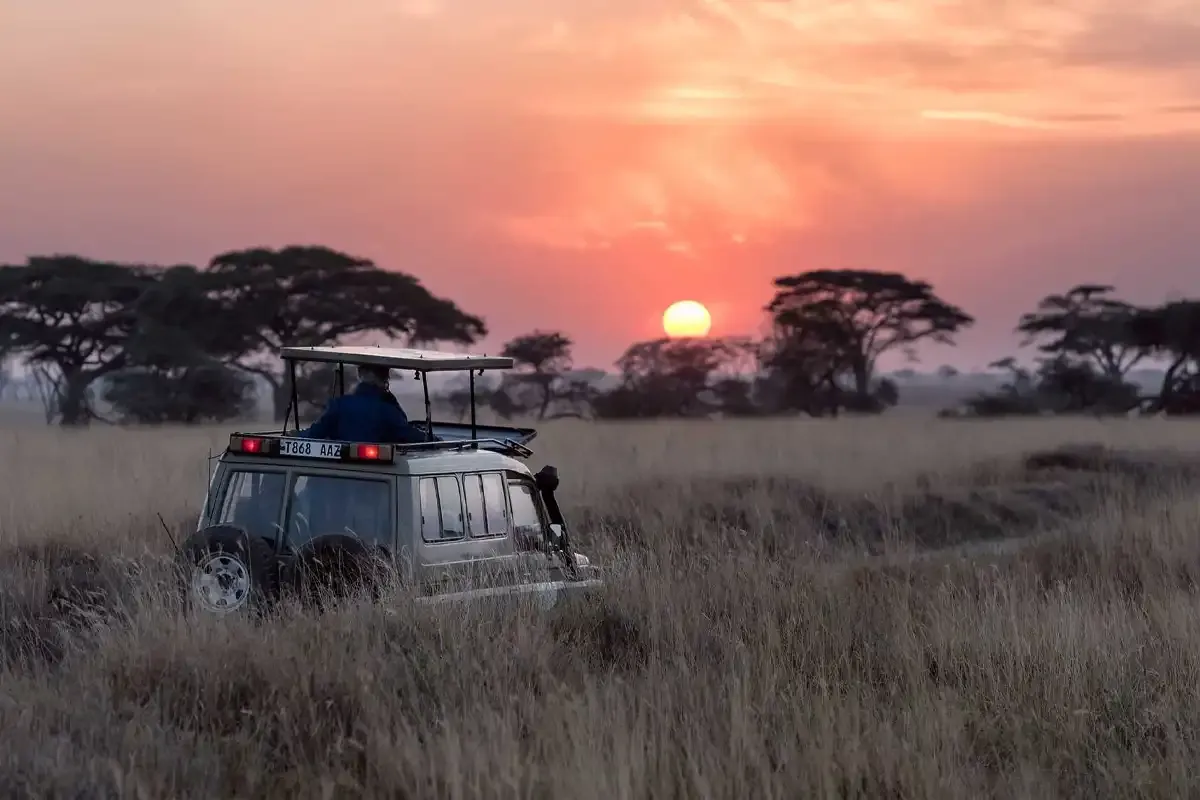
Yes. A private vehicle lets you set the pace, stop when you need to and rest whenever you like.
Are safari lodges comfortable for older travellers?
Many are very comfortable, with good beds and en-suite bathrooms. Tell us about any needs, such as a ground-floor room or fewer steps, and we will choose accordingly.
Do I need to be fit for a safari?
No special fitness is needed for game drives. Being able to climb into a 4×4 vehicle and walk short distances around lodges is enough for most safaris.
Can I go on safari with a heart condition or diabetes?
Many people do. Talk to your doctor first, carry your medication and a medical letter, and tell us so we can plan around your needs.
What should older travellers pack?
Layers for cold mornings and hot afternoons, a warm jacket, a sun hat, comfortable shoes, binoculars, any medication with copies of prescriptions, and a small cushion for bumpy drives.
Can older travellers visit Zanzibar after a safari?
Yes. Choose a hotel with easy beach access and few steps, ideally on the north coast where the tides are smaller.