Accessible Safaris in Tanzania: Travelling with Limited Mobility
A safari is possible for many travellers with limited mobility. What to ask about vehicles, lodges, flights and parks, and how we plan an accessible trip.
A safari is mostly spent in a vehicle, which means that many travellers with limited mobility, including some wheelchair users, can enjoy one. Tanzania's tourism infrastructure is still developing in accessibility, so honest planning matters. Here is what to consider and what to ask.
Every traveller's needs are different. Please tell us exactly what you need, and we will be honest about what is possible.
The good news
- Game drives happen in the vehicle. You see the wildlife without walking.
- Private safaris let you set the pace, take breaks when you need them and choose shorter drives.
- The northern parks are close together: Tarangire, Lake Manyara and the Ngorongoro Crater can be visited with short travel days.
- Some lodges have rooms with level access, wider doors or walk-in showers.
Things to plan carefully
Vehicles
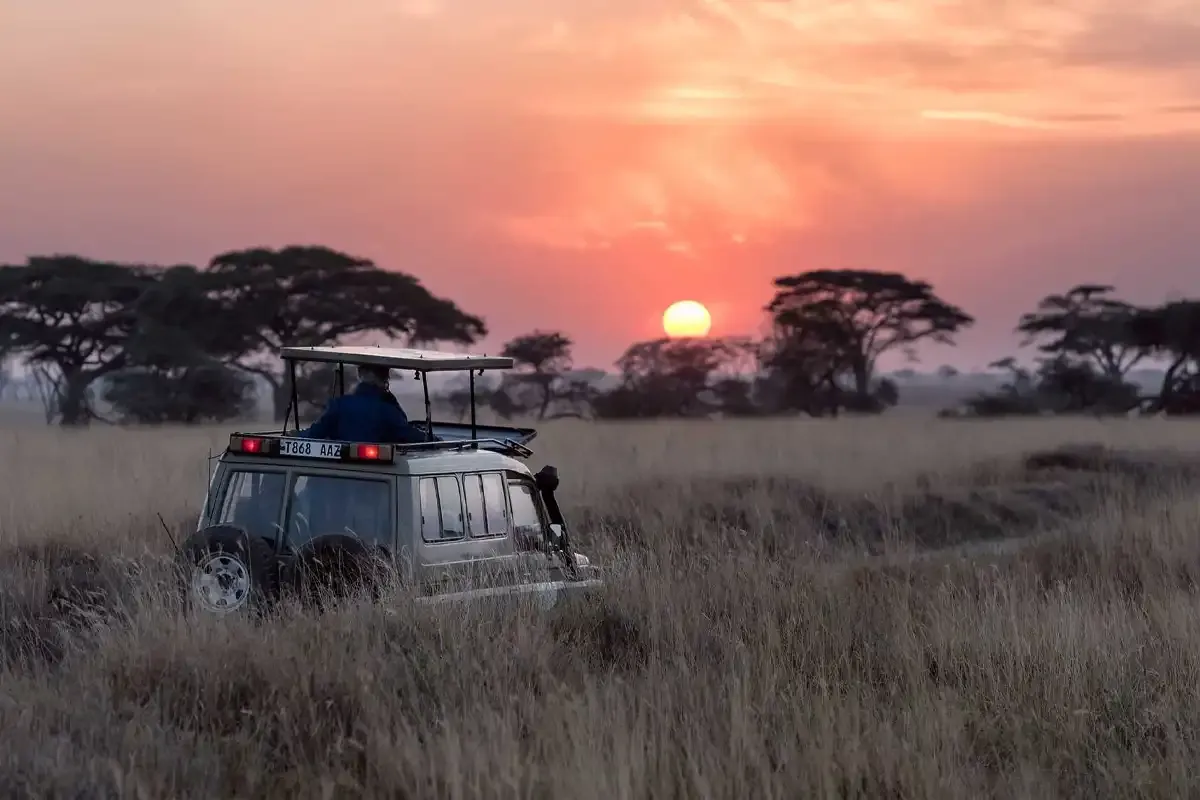
Standard safari vehicles are 4×4s with a high step and pop-up roofs. Getting in and out can be difficult. Ask about:
- a portable step or help from your guide;
- seats close to the door;
- whether the vehicle can carry a folding wheelchair or mobility aid.
Specially adapted vehicles with lifts are rare in Tanzania.
Accommodation
Ask for: ground-floor rooms, level paths from the main area, distance from the parking area, bathroom layout (walk-in shower, grab rails), and whether tented camps have steps or raised decks. Many tented camps are built on platforms with stairs, while some lodges have more accessible rooms.
Roads and comfort
Some park roads are bumpy and dusty, which can be tiring. Shorter driving days, a well-padded seat and regular stops help.
Flights
Light aircraft into the parks use small planes with steep steps; boarding may require assistance. Driving between parks may be easier for some travellers.
Toilets
On game drives, toilet stops are at picnic sites and gates; facilities vary. Plan drives around lodge stops if needed.
Which parks are easiest?
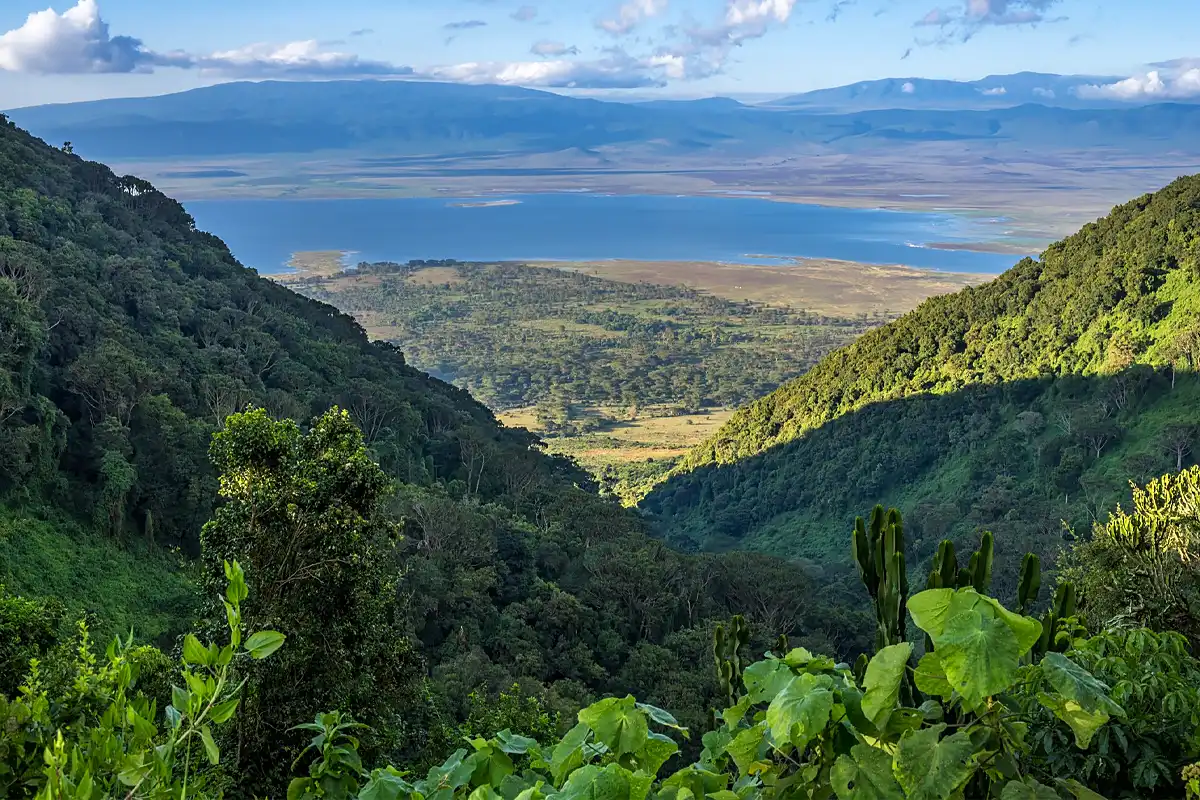
- Ngorongoro Crater: a full wildlife day with the crater floor reached by vehicle; lodges are close by.
- Tarangire and Lake Manyara: close to Arusha, with good roads to the gates.
- Arusha National Park: a short trip from Arusha, good for a first day.
- The Serengeti is possible, but involves longer drives; flying in can reduce the road time if boarding the small plane is manageable.
Our approach
We plan accessible safaris one traveller at a time: we ask about your needs, check lodges and vehicles, and tell you honestly where there may be difficulties. We don't promise what we can't deliver.
Practical tips
- Bring your own mobility aids, and check airline rules for transporting them.
- Travel insurance that covers your medical needs is essential.
- Pack medication in hand luggage and bring extra.
- Allow rest days and avoid very early starts every day.
Read about what to expect on your first safari and our tips for older travellers, then tell us about your needs.
A sample accessible itinerary
| Day | Plan |
|---|---|
| 1 | Arrive at Kilimanjaro Airport; rest at a lodge near Arusha with accessible rooms |
| 2 | Short game drive in Arusha National Park; back for lunch |
| 3 | Drive to Tarangire (about 2 hours); afternoon game drive |
| 4 | Morning in Tarangire; drive to Karatu |
| 5 | Full day in the Ngorongoro Crater |
| 6 | Rest morning; drive back to Arusha |
This keeps drives short, includes rest time, and visits some of the best wildlife areas close to Arusha.
Questions to ask before you book
- How many steps are there between the vehicle, the main area and my room?
- What is the bathroom like (shower or bath, grab rails, step-in)?
- Can the vehicle carry my wheelchair or walking aid?
- Is there help available to get in and out of the vehicle?
- What are the toilet options on long drives?
- How bumpy are the roads on this route?
We ask these questions for you, and tell you the honest answers.
Sensory and other needs
Accessibility is not only about mobility. If you have hearing or visual impairments, need a specific diet, or have other needs, tell us. Guides can describe what they see in detail, lodges can adapt meals, and we can plan quieter, calmer days. A private safari is the most flexible way to travel with any special requirement.
Travelling with a companion or carer
Many travellers with limited mobility travel with a companion or carer who helps with transfers and daily tasks. Private vehicles and rooms can be arranged to suit you. If you need particular equipment, such as a shower chair, ask in advance; some lodges may be able to provide it.
Getting to Tanzania
Most international travellers fly into Kilimanjaro International Airport for the northern safari circuit. Ask your airline in advance for assistance at departure, transfer and arrival airports, and check how your wheelchair or mobility aid will be handled. On arrival, your guide meets you and helps with luggage and the transfer to your lodge. If you are travelling to Zanzibar afterwards, a short domestic flight is usually on a larger aircraft than the small safari planes.
Medical considerations
Talk to your doctor before travelling about your condition, vaccinations and malaria prevention. Bring a letter describing your needs and medication, and enough supplies for the whole trip plus extra. Medical facilities are available in Arusha and Moshi, while the parks are remote, so good insurance with emergency evacuation is essential.
Frequently asked questions
Can wheelchair users go on safari in Tanzania?
Many can, with careful planning. Game drives are in vehicles, but getting in and out, accommodation and toilets need to be checked in advance. Tell us your needs and we will be honest about the options.
Are there wheelchair-accessible safari vehicles in Tanzania?
Specially adapted vehicles with lifts are rare. Standard 4×4s can work for some travellers with assistance and a portable step.
Which parks are best for travellers with limited mobility?
The Ngorongoro Crater, Tarangire, Lake Manyara and Arusha National Park, which have short travel times from Arusha.
Are lodges accessible?
Some lodges have rooms with level access and walk-in showers; many tented camps have steps. We check each property before booking.
Can I fly to the Serengeti with limited mobility?
Light aircraft have steep steps, so boarding may need assistance. Driving may be easier for some travellers.
Can I bring my own wheelchair on safari?
Yes, usually. A folding wheelchair can travel in the safari vehicle. Tell us the size and weight in advance so we can plan.
Is a private safari better for accessibility?
Yes. A private vehicle and guide let you set the pace, take breaks and adapt the day to your needs.
Can I do a short safari if long drives are difficult?
Yes. Tarangire, Lake Manyara and the Ngorongoro Crater are close to Arusha and can be visited with short travel days.
Is Zanzibar accessible for wheelchair users?
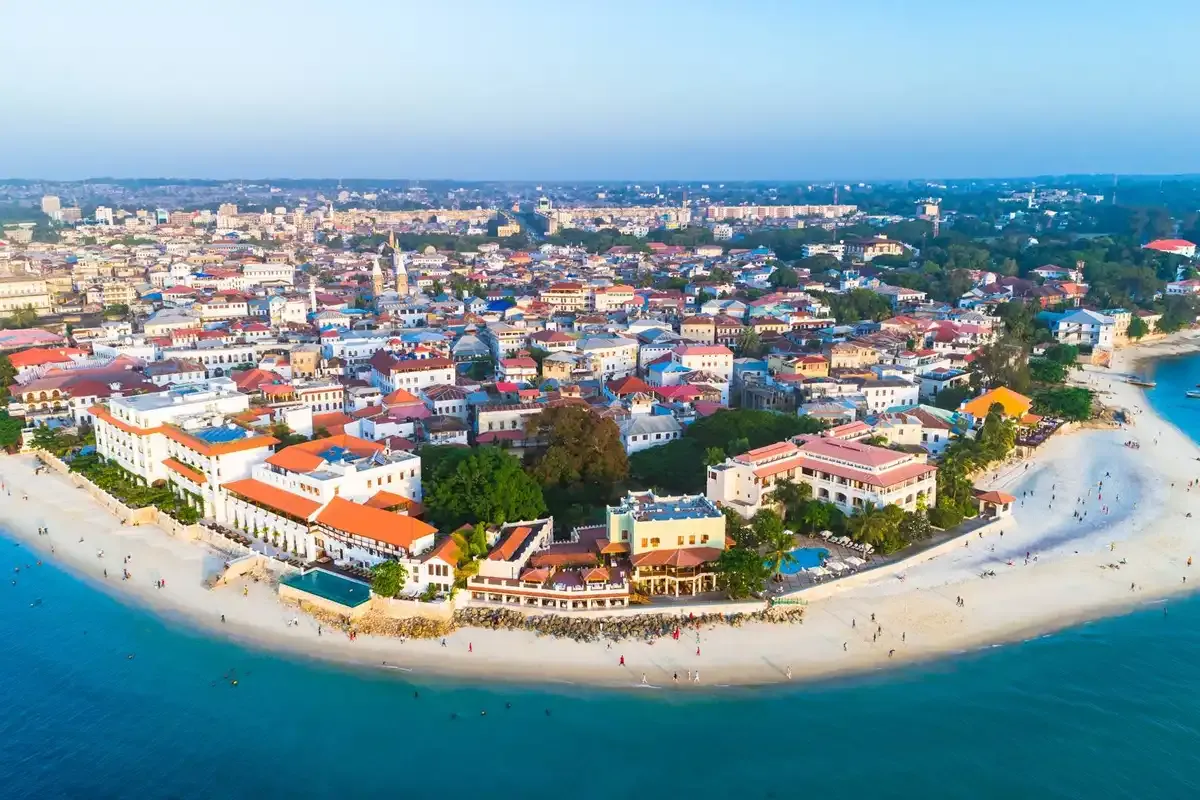
Some beach hotels have accessible rooms and level paths, but Stone Town's narrow streets and the sand can be difficult. We check hotels for you.
Can a carer travel with me on safari?
Yes. A companion or carer can share your private vehicle and room, and we plan the trip around your needs together.
Can you arrange a safari for travellers with hearing or visual impairments?
Yes. Private guides can adapt how they describe and share sightings, and we plan the pace and activities around your needs.