
Kilimanjaro Climbing
Kilimanjaro Full Moon Climb: Summit Night by Moonlight
Climbing to Uhuru Peak under a full moon, with the glaciers glowing silver: what a full moon climb is like, how to time it, and the pros and cons.


Climbing to Uhuru Peak under a full moon, with the glaciers glowing silver: what a full moon climb is like, how to time it, and the pros and cons.
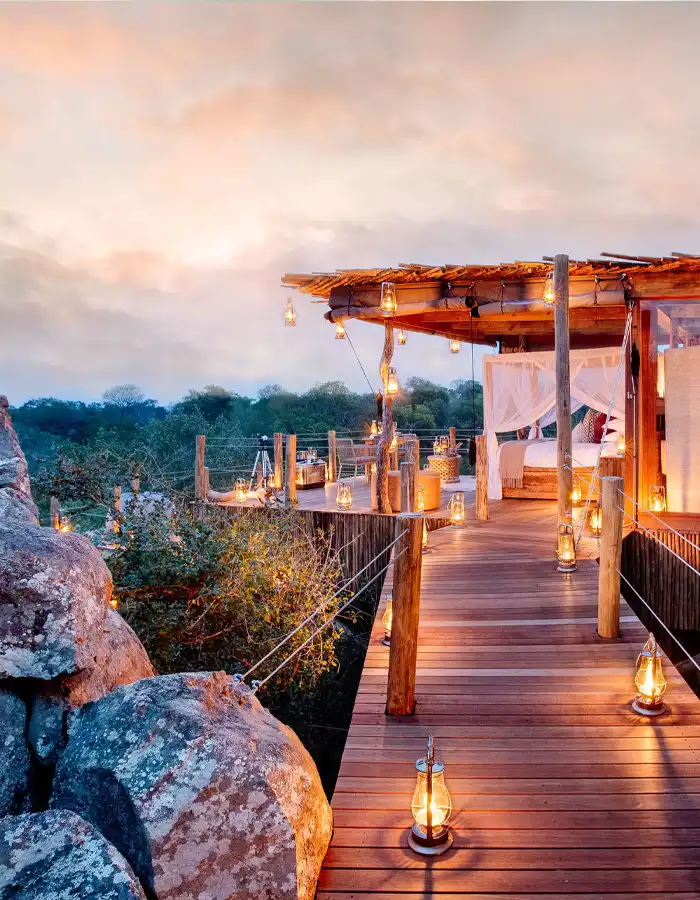
Two of the world's most famous treks. One reaches a summit at 5,895 m, the other a base camp at about 5,364 m. Here is how they compare.
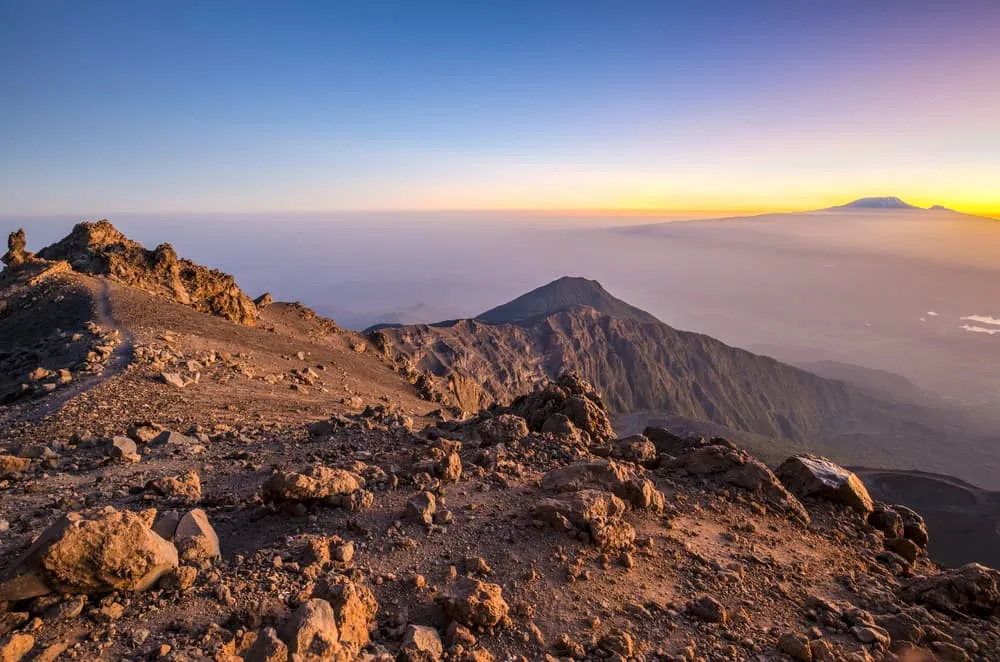
Standing at 4,566 metres, Mount Meru is Tanzania’s second highest peak and Africa’s fifth highest mountain — a genuinely serious trekking objective t…
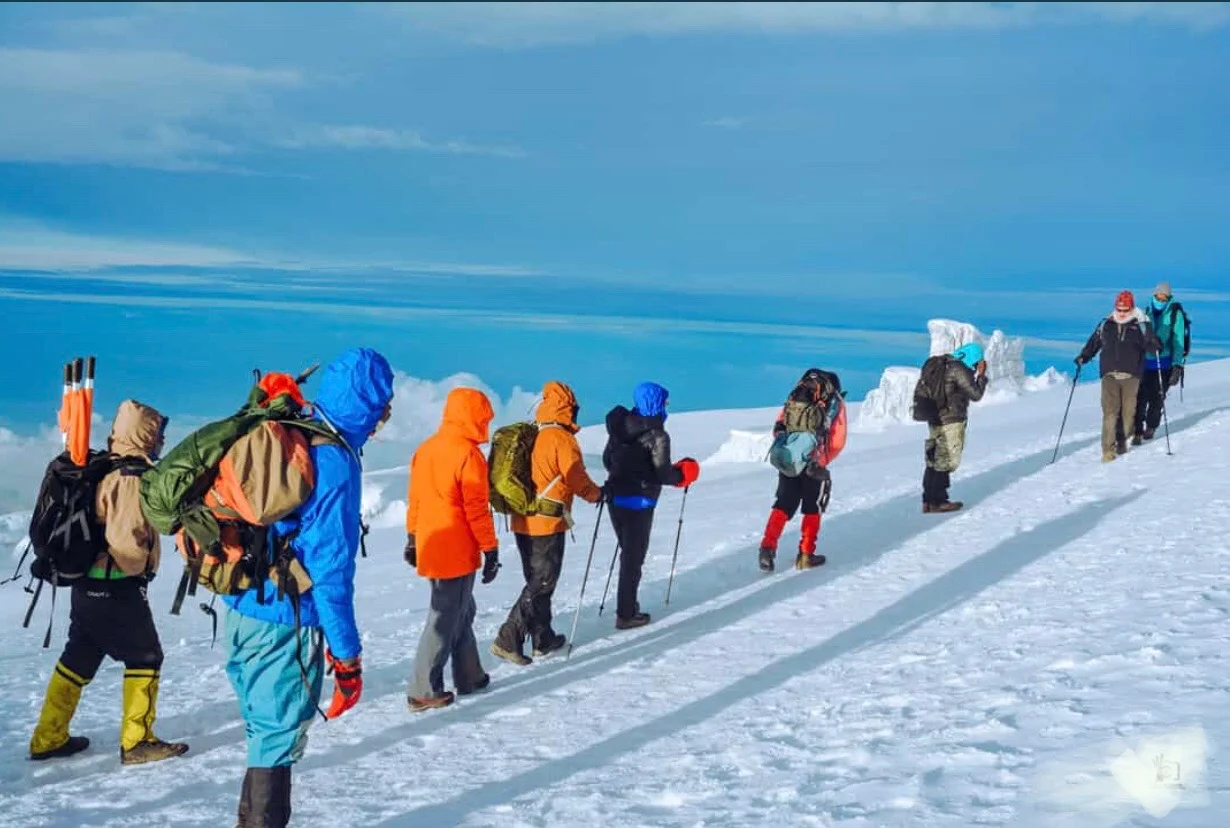
While fitness alone does not guarantee a successful Kilimanjaro summit — altitude tolerance plays a larger role than most people expect — proper phys…
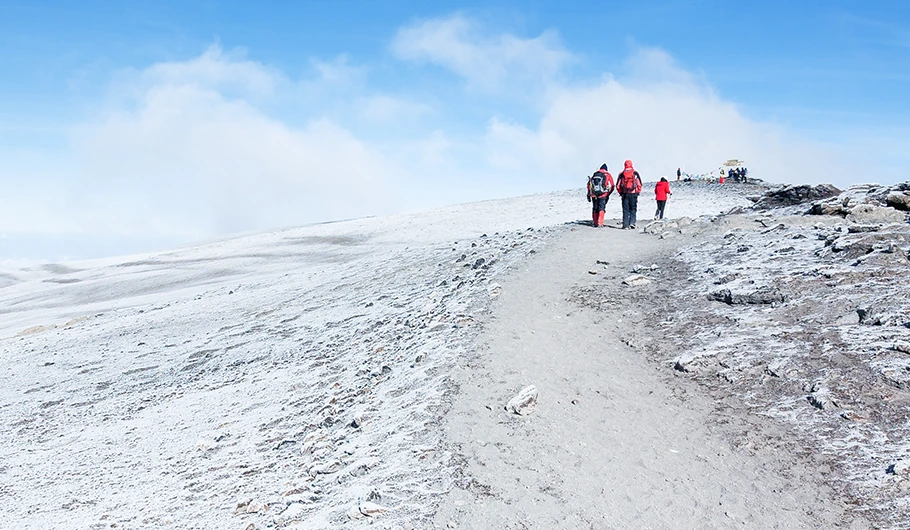
Climbing Kilimanjaro alone, in the sense of having no fixed travel companion, is one of the most common and genuinely rewarding ways to attempt the m…

The difference between a genuinely safe Kilimanjaro climb and a risky one often comes down to safety protocols that are invisible to climbers until t…
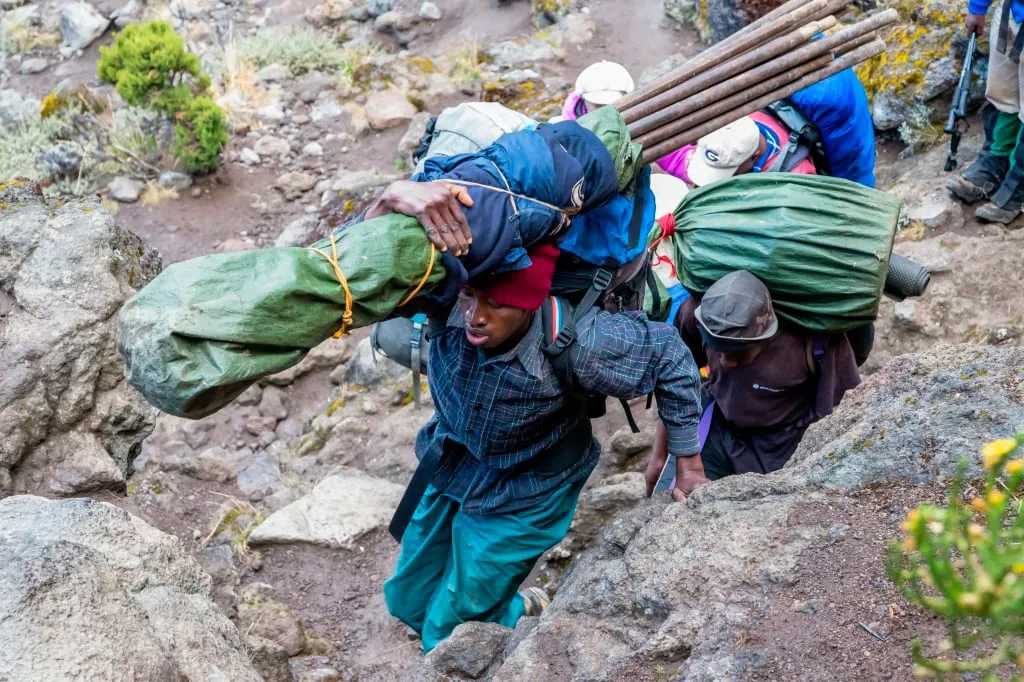
The team that supports your Kilimanjaro climb — guides, assistant guides, cooks, and porters — makes your summit attempt possible through extraordina…

Across all routes and operators, Kilimanjaro’s overall summit success rate sits at approximately 65%, meaning roughly one in three climbers who attem…

Altitude sickness is the single greatest factor determining whether a Kilimanjaro climber reaches the summit. Unlike physical fitness, which matters …

While the vast majority of Kilimanjaro climbers approach from the south or west, the Rongai Route quietly offers something genuinely different — an a…