There is a moment that happens to almost every first-time safari traveller in Tanzania. It usually comes early — on the first morning game drive, when the light is still low and golden and the engine is quiet. A lion steps out of the long grass fifty metres away and regards your vehicle with complete indifference. And something shifts. Something that no photograph, no documentary, and no description could have prepared you for.
Tanzania does this to people. Consistently, reliably, profoundly.
Planning the trip that gets you to that moment is what this guide is for. We have covered everything — the parks, the seasons, the experiences, the costs, the practicalities, and the decisions that make the difference between a good safari and an extraordinary one. Read it end to end, or jump to the section that matters most to you right now.
We are Northern Masailand Safaris — a locally owned and operated safari company based in northern Tanzania. This country is our home. Everything in this guide comes from years of living, guiding, and travelling here. We hope it helps.
Why Tanzania?
Africa offers many safari destinations. Tanzania is not simply one of them — it is in a category of its own. Here is why.
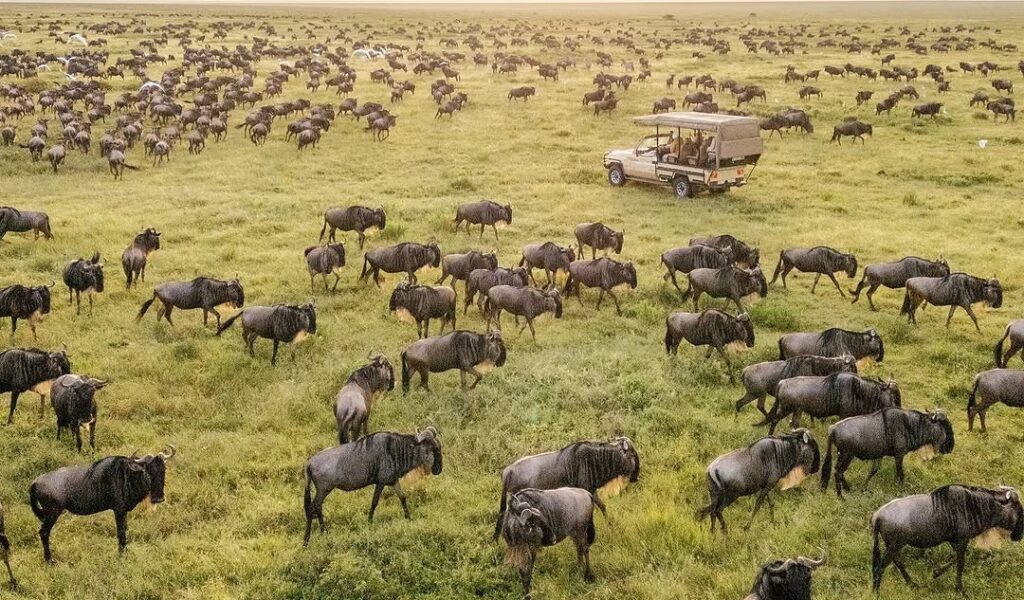
Tanzania protects more land for wildlife than almost any country on Earth. Over a third of the country’s total area — more than 300,000 square kilometres — is designated as national parks, game reserves, conservation areas, or marine parks. The Serengeti National Park alone covers 14,763 square kilometres of open savannah. The Selous Game Reserve is one of the largest protected areas on the African continent.
The wildlife density in Tanzania’s major parks is extraordinary — particularly during the dry season, when animals concentrate around permanent water sources and game viewing is as reliable and spectacular as anywhere in Africa. The Big Five — lion, leopard, elephant, buffalo, and black rhino — are present across the Northern Circuit. The Great Migration, which moves through Tanzania for most of the year, is the largest overland wildlife movement on Earth.
Beyond the wildlife, Tanzania offers a diversity of experiences that no single-destination safari can match. The summit of Kilimanjaro. The spice-scented lanes of Zanzibar’s Stone Town. The remote, trackless wilderness of Ruaha and Katavi. The cultural richness of Maasai communities on the Ngorongoro plains. The flamingo-lined shores of Lake Manyara.
Tanzania is not a destination you see once and feel you have understood. It is a country that calls you back.
Tanzania’s Safari Regions
The Northern Circuit
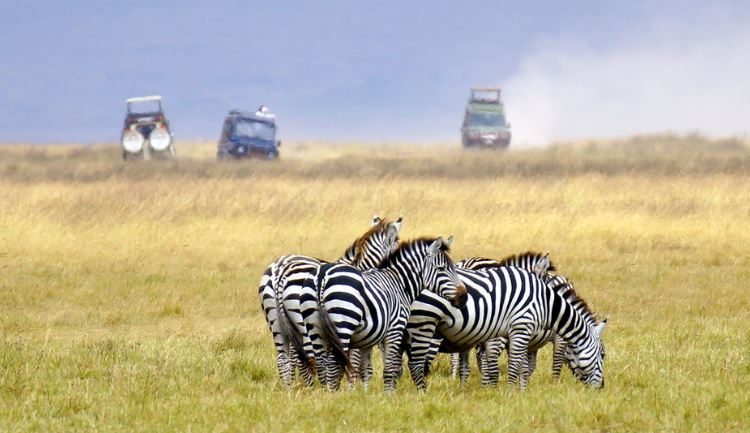
The Northern Circuit is Tanzania’s most visited safari region — and for very good reason. The concentration of iconic parks within a relatively compact area makes it easy to design a multi-destination itinerary of five to eight days that covers extraordinary ground without spending half your time in transit.
Serengeti National Park is the centrepiece — arguably the most famous wildlife destination on Earth. Vast, ancient, and endlessly varied, the Serengeti offers extraordinary year-round game viewing with the added spectacle of the Great Migration between July and October. Lion, leopard, cheetah, elephant, and giraffe are reliably present throughout the year.
The Ngorongoro Crater is one of Africa’s most astonishing natural features — a collapsed volcanic caldera 19 kilometres across, its enclosed floor trapping a permanent population of wildlife that includes the Big Five and some of the best predator viewing in East Africa. The crater floor at dawn, with mist rising from the soda lake and lions moving through the long grass, is one of the defining images of African wildlife travel.
Tarangire National Park is the Northern Circuit’s best-kept secret. Less famous than Serengeti or Ngorongoro, it quietly delivers some of the finest dry-season game viewing in Tanzania — enormous elephant herds, towering baobab trees, and an extraordinary diversity of bird life that rewards birdwatchers and photographers alike.
Lake Manyara National Park rounds out the Northern Circuit beautifully — compact, diverse, and consistently rewarding. Famous for its tree-climbing lions, vast flamingo flocks on the alkaline lake, and forest-fringed groundwater springs, it is an excellent introduction to Tanzania’s wildlife for first-time visitors.
The Southern Circuit
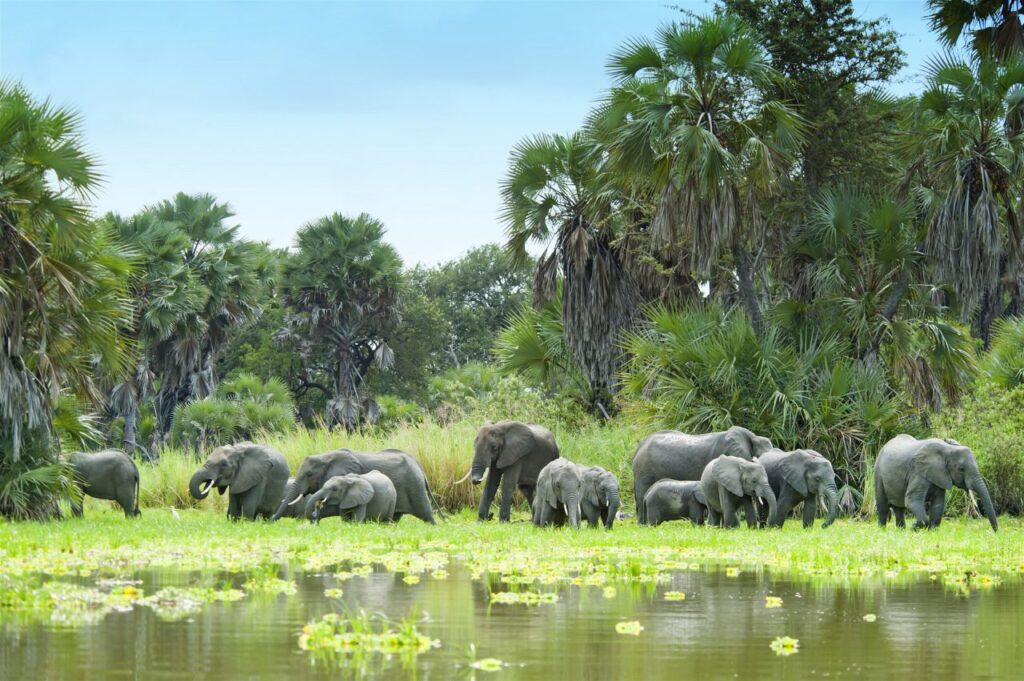
Tanzania’s southern parks represent some of the finest and least-visited wilderness in Africa. For travellers on a second or third safari — or those who specifically value solitude and raw wildness over convenience — the southern circuit delivers an experience that the more-developed north cannot always match.
Ruaha National Park is Tanzania’s largest national park and one of the continent’s great hidden treasures. Ancient baobab forests, the seasonal Great Ruaha River, enormous lion prides, and a genuine sense of remoteness make it a destination that safari veterans return to again and again. The bird list here exceeds 570 species.
The Selous Game Reserve — now partly reclassified as Nyerere National Park — is one of Africa’s largest protected areas and one of its most biologically diverse. Boat safaris on the Rufiji River, walking safaris through ancient miombo woodland, and some of the most impressive hippo and crocodile concentrations in Africa make it a uniquely multi-dimensional experience.
Katavi National Park, in Tanzania’s remote far west, is for the genuinely adventurous. Almost entirely off the tourist map, Katavi offers an extraordinary dry-season spectacle — hippo pools so crowded that the animals pile on top of each other, buffalo herds thousands strong, and predator activity of staggering intensity. Very few travellers ever see it. Those who do rarely forget it.
The Zanzibar Archipelago
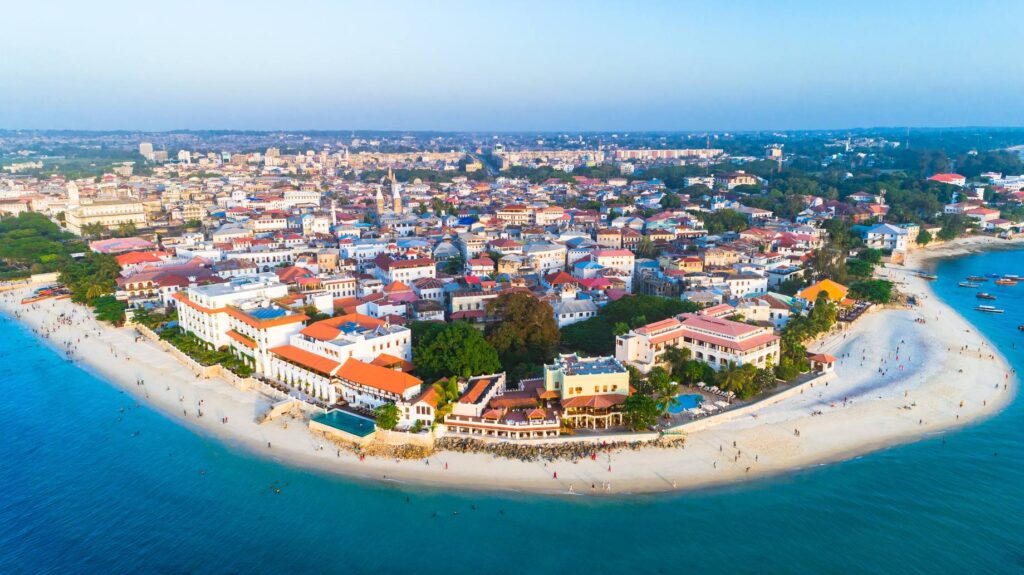
Most Tanzania safaris end — or begin — with time on Zanzibar’s white sand beaches. The island sits just off the Tanzanian coast in the Indian Ocean — a place of turquoise water, powder-soft sand, centuries of Swahili-Arab-Portuguese history, and some of the finest seafood in East Africa.
The contrast between the intensity of a bush safari and the gentle rhythm of Zanzibar’s coastline is one of the great travel pleasures. Three to five days on the island at the end of a safari allows you to decompress, swim, explore Stone Town, and leave Tanzania feeling that you have experienced both of its most extraordinary faces.
Tanzania’s Safari Parks at a Glance
| Park / Reserve | Region | Best For | Best Season |
|---|---|---|---|
| Serengeti National Park | Northern Circuit | Big Five; Great Migration; year-round game viewing | June – October (Migration); Jan – Feb (calving) |
| Ngorongoro Crater | Northern Circuit | Big Five; rhino; dense wildlife; predators | Year-round; June – October (peak) |
| Tarangire National Park | Northern Circuit | Elephant herds; baobab landscape; birdlife | June – October (dry season) |
| Lake Manyara National Park | Northern Circuit | Tree-climbing lions; flamingos; forest drives | Year-round; November – April (birdlife) |
| Ruaha National Park | Southern Circuit | Lion prides; elephant; wild dog; wilderness feel | June – October |
| Selous Game Reserve | Southern Circuit | Boat safaris; walking; hippo and crocodile | June – October |
| Katavi National Park | Southern Circuit (remote west) | Solitude; hippo concentrations; raw wilderness | June – October |
| Zanzibar | Coast / Island | Beach; history; culture; seafood; snorkelling | June – October; December – February |
The Best Time to Go on a Tanzania Safari
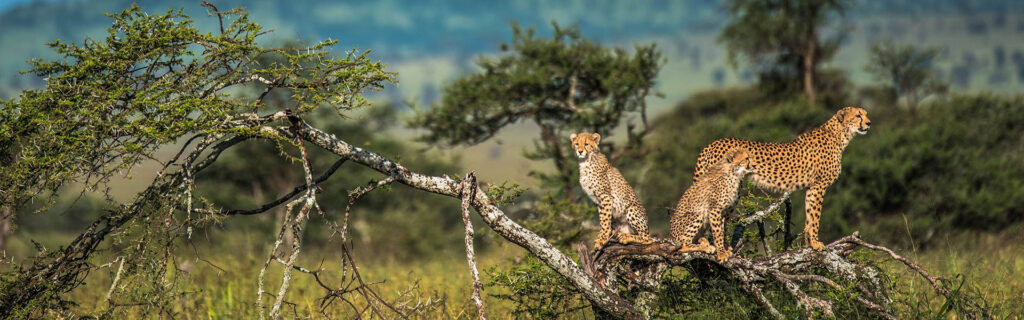
Tanzania has seasons, and choosing the right one for your trip makes a genuine difference to what you experience. There is no truly bad time to visit — every season has something remarkable to offer — but understanding the rhythm of the year helps you match your trip to your priorities.
| Season | Months | Conditions | Best For |
|---|---|---|---|
| Long Dry Season (Peak) | June – October | Dry, clear, cool mornings; vegetation low; animals concentrated at water | Best overall game viewing; Great Migration river crossings; Kilimanjaro; all parks |
| Short Dry Season | January – February | Dry and warm; relatively quiet; residual green from short rains | Wildebeest calving (Serengeti south); Ngorongoro; Tarangire; fewer crowds |
| Short Rains (Vuli) | November – December | Brief afternoon showers; vivid green landscapes; migratory birds arrive | Birdwatching; photography; lower prices; fewer visitors |
| Long Rains (Masika) | March – May | Wetter; some camps close; tracks can be challenging | Intrepid travellers; solitude; best value; lush green scenery |
For a detailed month-by-month breakdown of what to expect across every park and experience type, read our complete guide to the best time to visit Tanzania.
Tanzania Safari Experiences
A Tanzania safari is not one thing. It is a collection of experiences — some iconic, some intimate, some entirely unexpected — that together build into something greater than the sum of their parts. Here are the experiences that define what Northern Masailand Safaris does best.
Game Drives
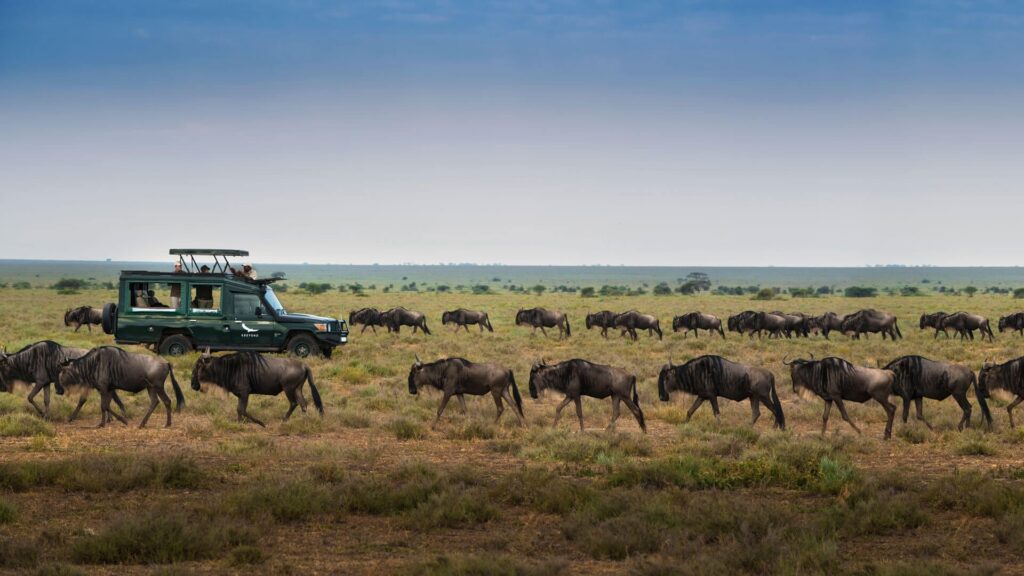
The classic safari game drive — your guide at the wheel of a 4WD with the roof open to the sky — is the heartbeat of every Tanzania safari. Morning drives in the golden hour, afternoon drives as the predators begin to move, full-day drives with a bush picnic in the middle. No two drives are alike, and no drive is ever routine.
The Great Migration
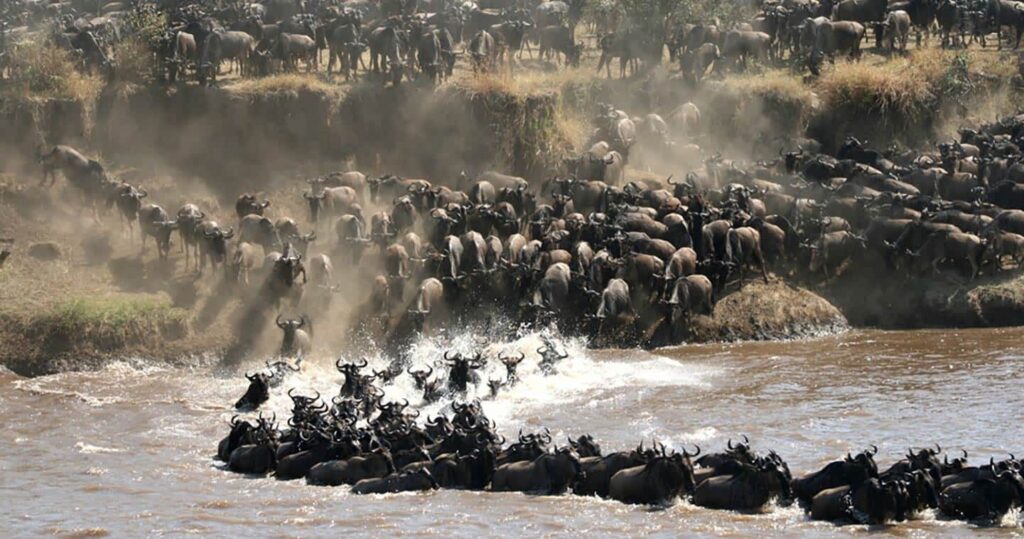
The movement of 1.5 million wildebeest across the Serengeti ecosystem is the greatest wildlife spectacle on Earth. Our Great Migration safari is designed to put you in exactly the right place at the right time — whether that is the calving grounds of the southern Serengeti in January and February, the Grumeti River crossings in May and June, or the thundering Mara River crossings between July and October.
Hot Air Balloon Safari
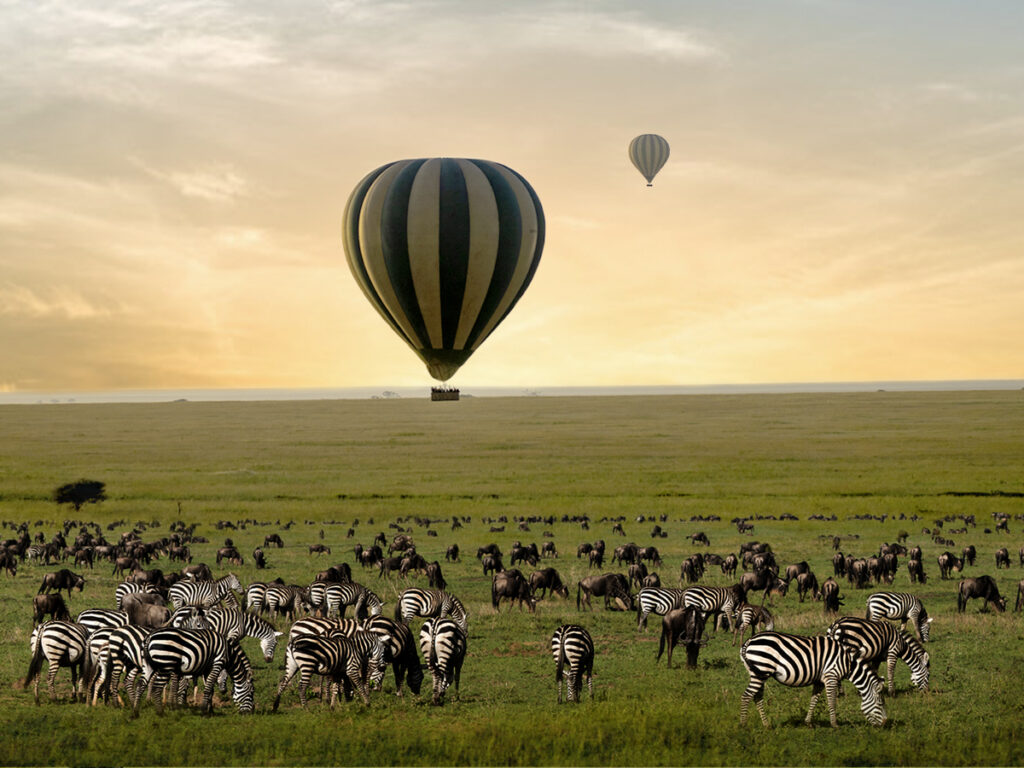
An hour before sunrise, the Serengeti darkness fills with the roar of a balloon inflating above you. You climb in, the ground falls away, and silence takes over. A balloon safari over the Serengeti is one of the finest single hours in all of travel — ending with champagne breakfast in the bush as the sun climbs over the plains.
Walking Safari
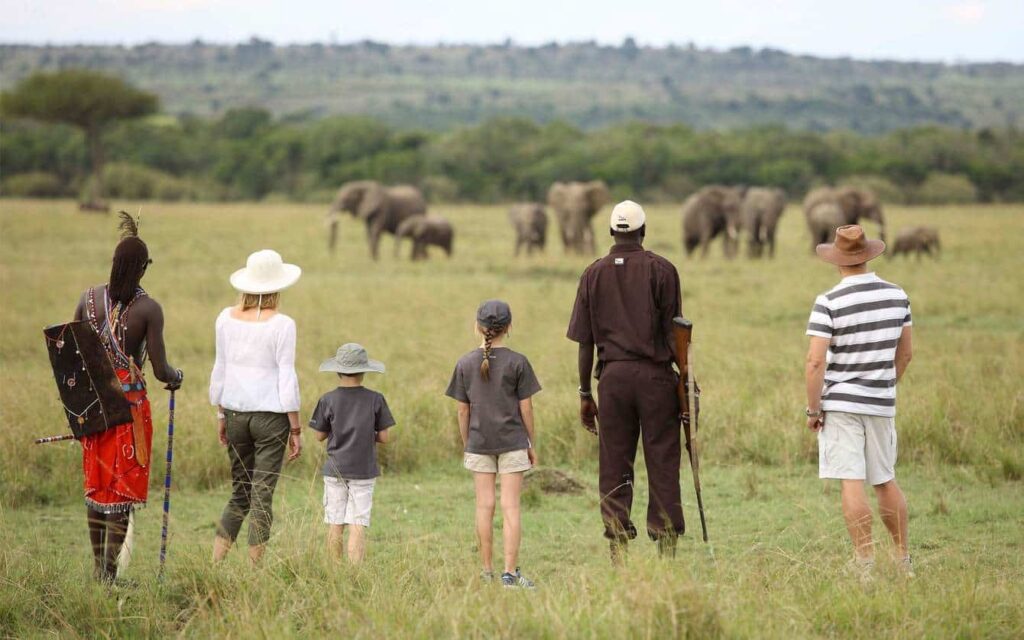
Remove the vehicle. Put your feet on the earth. A walking safari changes your relationship with the African bush completely — slowing everything down, sharpening your senses, and revealing a world of detail that game drives cannot offer. Available in the Serengeti’s private conservancies, Ruaha, and the Selous.
Photographic Safari
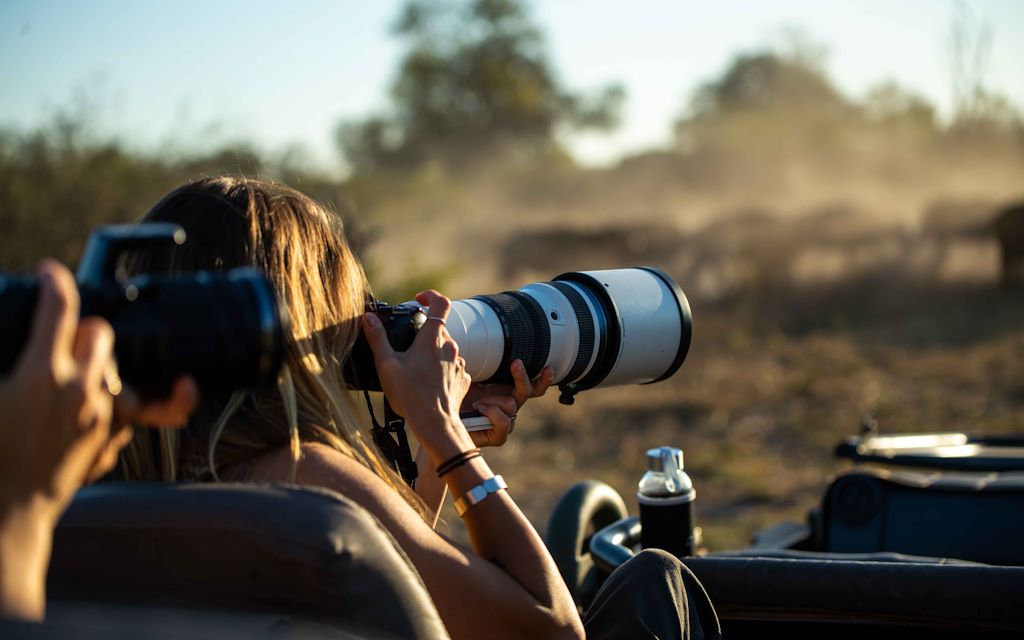
Tanzania’s light is extraordinary — particularly in the golden hours at either end of the day, when the savannah glows in tones that no filter can replicate. Our photographic safari is designed around capturing the best possible images, with vehicles positioned for optimal angles and game drives timed to the finest light.
Cultural Safari
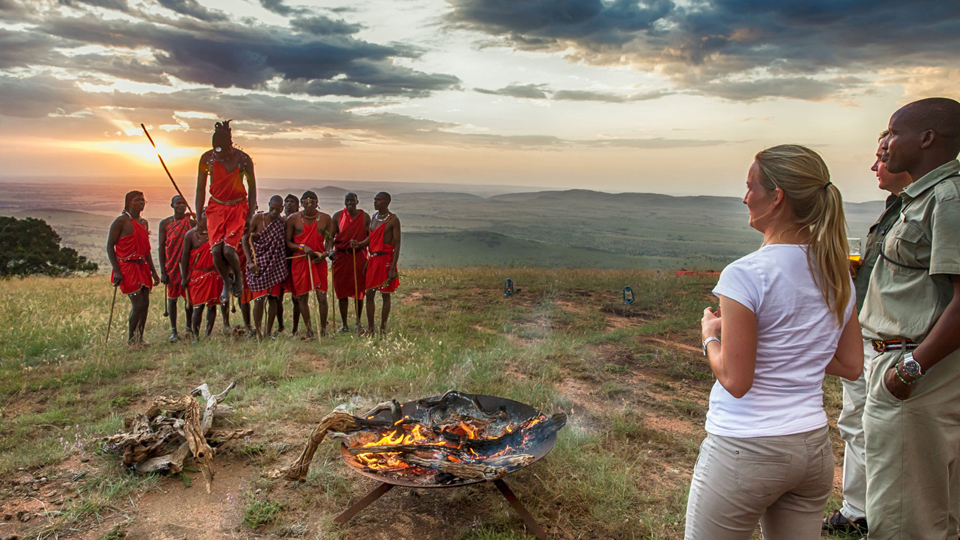
Tanzania is home to more than 120 ethnic groups. A cultural safari takes you beyond the wildlife and into the human story of this remarkable country — including visits to Maasai communities in the Ngorongoro region, where an ancient pastoral culture has coexisted with Tanzania’s wildlife for centuries.
Family Safari
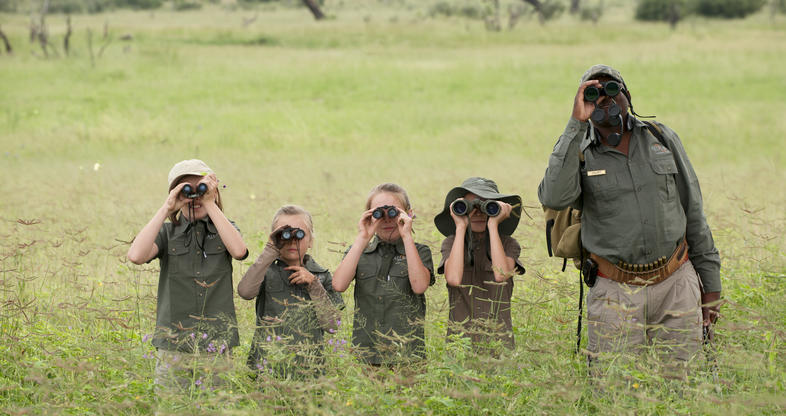
Tanzania is an outstanding family destination. Our family safari experiences are designed around the needs and rhythms of travelling with children — flexible scheduling, age-appropriate wildlife interpretation, family-friendly camps, and guides who know how to make the bush come alive for young travellers.
Honeymoon Safari
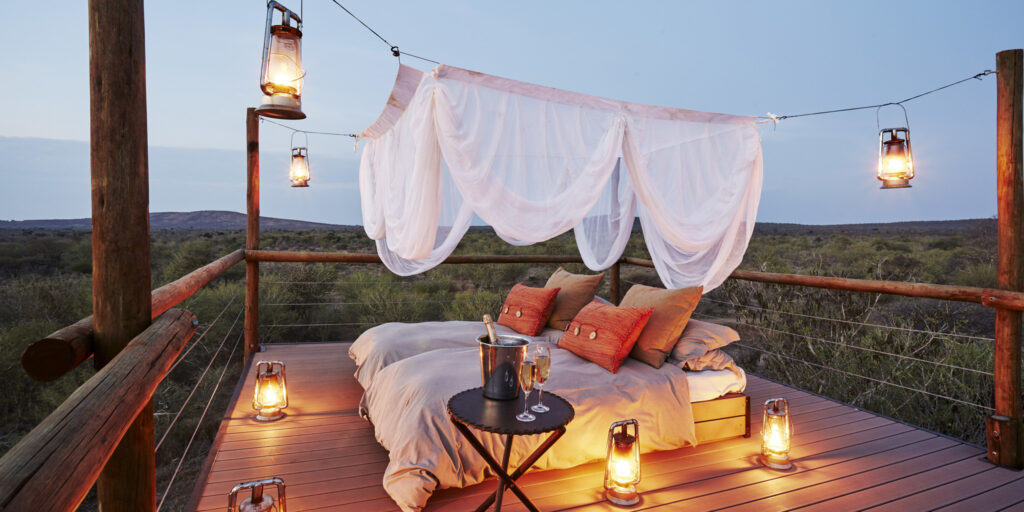
There is no more romantic setting on earth than the African bush at night — a fire burning low, the stars unpolluted by city light, the Serengeti all around you. Our honeymoon safari combines extraordinary wildlife, genuine luxury, and the kind of romantic intimacy that a city hotel can never offer.
Adventure Safari
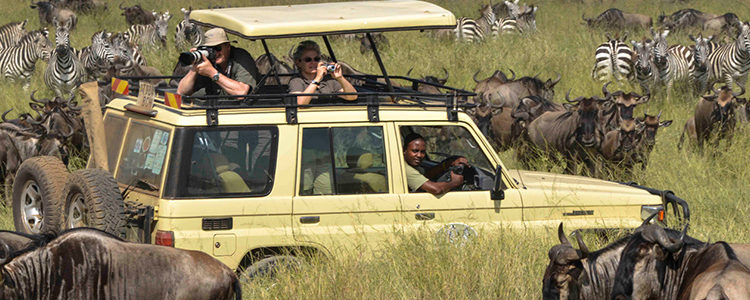
For those who want to push beyond the conventional, our adventure safari takes you into Tanzania’s most demanding and rewarding terrain — remote parks, challenging drives, and experiences that require a spirit of genuine adventure.
Climbing Mount Kilimanjaro
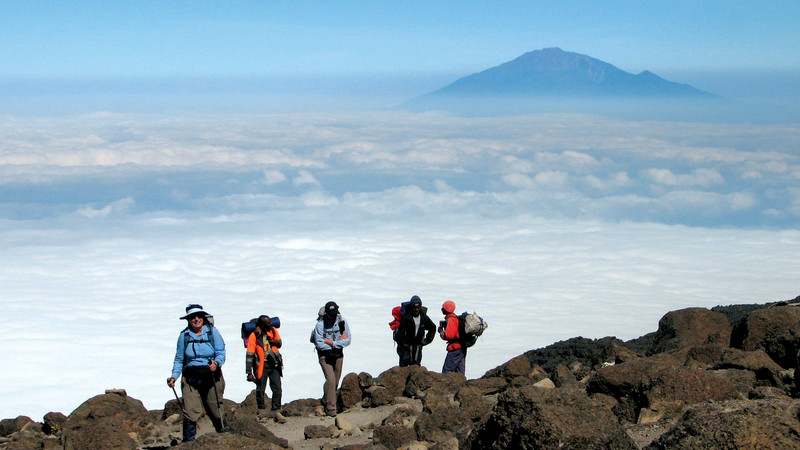
At 5,895 metres, Kilimanjaro is the highest free-standing mountain on Earth and Africa’s undisputed rooftop. Summiting it — standing at Uhuru Peak as the sun rises over a carpet of cloud — is one of the most profound physical and emotional experiences a human being can have.
Kilimanjaro is a trekking peak. It requires no technical climbing skills, no ropes, no ice axes. What it requires is fitness, determination, and the right route for your acclimatisation profile. We offer guided climbs on all major routes:
| Route | Duration | Difficulty | Best For |
|---|---|---|---|
| Lemosho Route | 7 – 8 days | Moderate – Challenging | Best all-round experience; excellent acclimatisation; most recommended |
| Northern Circuit Route | 9 – 10 days | Moderate (best acclimatisation) | Highest summit success rate; finest views; most scenic |
| Machame Route | 6 – 7 days | Moderate – Challenging | Most popular overall; varied scenery; good acclimatisation |
| Marangu Route | 5 – 6 days | Moderate | Hut accommodation; most accessible entry point |
| Rongai Route | 6 – 7 days | Moderate | Quiet northern approach; dry conditions; solitude |
| Umbwe Route | 6 – 7 days | Challenging | Steep and direct; experienced trekkers seeking a challenge |
| Shira Route | 7 – 8 days | Moderate – Challenging | High-altitude plateau start; experienced climbers |
| Western Breach Route | 7 – 8 days | Challenging – Strenuous | Technical crater rim approach; experienced and confident climbers |
Many of our guests combine a Kilimanjaro climb with a post-summit safari — one of the most satisfying and dramatic travel contrasts imaginable. Explore all Kilimanjaro options here.
Extending Into East Africa
Tanzania sits at the heart of East Africa’s greatest wildlife region. Extending your trip across its borders opens up experiences that complement and deepen everything a Tanzania safari offers.
Kenya and the Masai Mara National Reserve form the northern half of the greater Serengeti ecosystem. During the Migration season, combining the Serengeti with the Mara gives you the full sweep of the most extraordinary wildlife movement on Earth. Kenya also offers remarkable standalone destinations including Amboseli National Park — with its iconic views of Kilimanjaro framing elephant herds — Samburu National Reserve, Lake Nakuru National Park, Tsavo National Parks, and Nairobi National Park.
Uganda is home to some of East Africa’s most dramatic wildlife experiences — gorilla trekking in Bwindi Impenetrable National Park, chimpanzee tracking in Kibale National Park, the thundering power of Murchison Falls, tree-climbing lions in Queen Elizabeth National Park, and the remote wilderness of Kidepo Valley National Park. For wildlife lovers, Uganda is one of East Africa’s most underrated destinations.
Rwanda offers gorilla trekking in Volcanoes National Park — widely considered the finest gorilla trekking destination in Africa — alongside chimpanzee tracking in Nyungwe Forest National Park, wildlife viewing in Akagera National Park, and the serene beauty of Lake Kivu.
We design multi-country East Africa itineraries seamlessly — handling all cross-border logistics, permits, and transfers so you experience the journey without the friction.
Tanzania Safari Costs
What does a Tanzania safari actually cost? The honest answer is that it varies enormously — from around $150 per person per day at the budget end to $1,500 or more at the luxury level. The biggest cost driver is accommodation, which typically accounts for 50–70% of the total safari budget.
| Budget Level | Per Person Per Day | What to Expect |
|---|---|---|
| Budget | $150 – $350 | Basic tented camps; shared facilities; older vehicles; simpler guiding |
| Mid-range | $350 – $700 | Comfortable permanent camps; en-suite; well-maintained vehicles; experienced guides |
| Luxury | $700 – $1,500+ | Lavish tented suites; private plunge pools; senior guides; private conservancy access |
For a complete breakdown of costs — including what is and is not included in a package, tipping guidance, and how to get the best value at every budget level — read our honest guide to Tanzania safari cost.
Tanzania Safari Planning Essentials
Getting the practical details right before you travel makes everything else easier. Here is a summary of the key planning items — each linked to a full guide where you can read more.
Visa
Most nationalities require a Tanzania visa. The e-Visa — applied for online at immigration.go.tz — is the recommended route, taking 3–10 business days to process. Apply at least three to four weeks before travel. For everything you need to know about types, fees, exempt nationalities, and the East Africa Tourist Visa, read our complete Tanzania visa guide.
Travel Requirements
Passport validity, Yellow Fever certificate, proof of onward travel, and confirmation of accommodation are the core entry requirements. Our Tanzania travel requirements guide covers every document you need and includes a complete pre-departure checklist.
Travel Insurance
Comprehensive travel insurance including emergency medical evacuation is non-negotiable. Tanzania’s remote parks mean that a serious medical emergency without evacuation cover can cost tens of thousands of dollars. Read our Tanzania travel insurance guide to understand what your policy must cover and what to watch out for.
Health and Safety
Malaria prophylaxis, Yellow Fever vaccination, and a handful of other recommended vaccines are the foundation of staying healthy in Tanzania. Our Tanzania travel safety guide covers health preparation in full, alongside wildlife safety, road safety, and everything else you need to travel with confidence.
What to Pack
Neutral-coloured clothing, a wide-brimmed hat, quality insect repellent, binoculars, and a soft-sided bag are the foundations of a well-packed safari kit. Our Tanzania safari packing list covers every item in detail — including experience-specific packing advice for walking safaris, family trips, and Kilimanjaro climbers.
Food
Tanzania’s food culture is a genuine pleasure — from bush breakfasts in the Serengeti to spiced seafood on Zanzibar’s waterfront. Our Tanzania food guide covers what to eat, where to eat it, and what to expect at safari camps and lodges.
Things To Do
Game drives, the Great Migration, hot air balloons, walking safaris, Kilimanjaro, gorilla trekking, cultural visits, beach time on Zanzibar — Tanzania’s range of experiences is staggering. Our things to do in Tanzania guide covers all of them with the detail they deserve.
Frequently Asked Questions
From “which park is best for a first safari?” to “will I see the Big Five?”, our Tanzania safari FAQ answers the questions that every traveller asks — honestly and in full.
Sample Tanzania Safari Itineraries
| Itinerary | Duration | Parks and Experiences | Best For |
|---|---|---|---|
| Classic Northern Circuit | 6 – 8 days | Tarangire, Serengeti, Ngorongoro Crater | First-time visitors; reliable Big Five viewing |
| Northern Circuit + Zanzibar | 9 – 12 days | Tarangire, Serengeti, Ngorongoro + Zanzibar beach | First-time visitors wanting safari and beach |
| Great Migration Safari | 7 – 10 days | Northern Serengeti + Masai Mara (Kenya) | River crossing drama; July – October |
| Kilimanjaro + Safari | 12 – 16 days | Kilimanjaro climb + Northern Circuit safari | Trekkers and wildlife lovers combined |
| Southern Circuit Wilderness | 7 – 10 days | Ruaha, Selous (Nyerere), Katavi | Repeat visitors; solitude; walking safaris |
| Honeymoon Signature | 10 – 14 days | Luxury Serengeti + Ngorongoro + balloon + Zanzibar | Couples; romance; luxury |
| Family Safari | 8 – 10 days | Tarangire, Ngorongoro, Serengeti + Zanzibar | Families with children aged 6+ |
| Ultimate East Africa | 14 – 21 days | Tanzania safari + Kilimanjaro + gorilla trekking Uganda/Rwanda | Bucket-list travellers; comprehensive East Africa |
Why Travel With Northern Masailand Safaris
Northern Masailand Safaris is a locally owned and operated safari company based in northern Tanzania. We are not a booking platform, a middleman, or an international agency with a Tanzania desk. We are people who live here — who grew up near these landscapes, who have spent their careers understanding the animals, the seasons, and the hidden corners that make the difference between a good safari and an extraordinary one.
When you book with us, your money stays in Tanzania. It pays the wages of our guides and drivers, supports the communities around our operating areas, and contributes to the conservation efforts that keep Tanzania’s wildlife intact for future generations.
Our guides are among the most experienced in northern Tanzania. They are licensed professionals who know the parks not as tourists but as locals — and that knowledge is not something any visiting operator can replicate. They know where the leopard dens, which waterholes draw lions at dusk, and where to find a sunrise that nobody else will see that day.
We build every itinerary from scratch around you. There is no catalogue. There are no fixed packages. There is only your trip — designed around your budget, your interests, your travel dates, and the specific moments you most want to experience.
Explore our full range of Tanzania safari experiences, read about who we are on our about page, or go straight to our trip planning page to start the conversation. Our FAQ page answers the most common questions, and our team is always available to discuss yours directly.
Tanzania is waiting. Contact Northern Masailand Safaris today and let us start building your safari.