You’ve trained for months. You’ve packed your gear. You’ve chosen your route. But have you thought about what happens if something goes wrong on the mountain?
Climbing Mount Kilimanjaro is one of the most exhilarating experiences on earth — and one of the most physically demanding. At 5,895 metres above sea level, Uhuru Peak sits in a world where oxygen is thin, weather is unpredictable, and the human body is tested like never before. Travel insurance isn’t a box to tick — it’s the invisible safety net that lets you focus on every single step forward.
At Northern MasaiLand Safaris, we’ve guided hundreds of climbers to the summit and back. In that time, we’ve seen what goes wrong when people are uninsured — and what goes right when they’re prepared. This guide gives you everything you need to know, straight from the people who live and breathe Kilimanjaro.
Why Kilimanjaro Travel Insurance Is Non-Negotiable
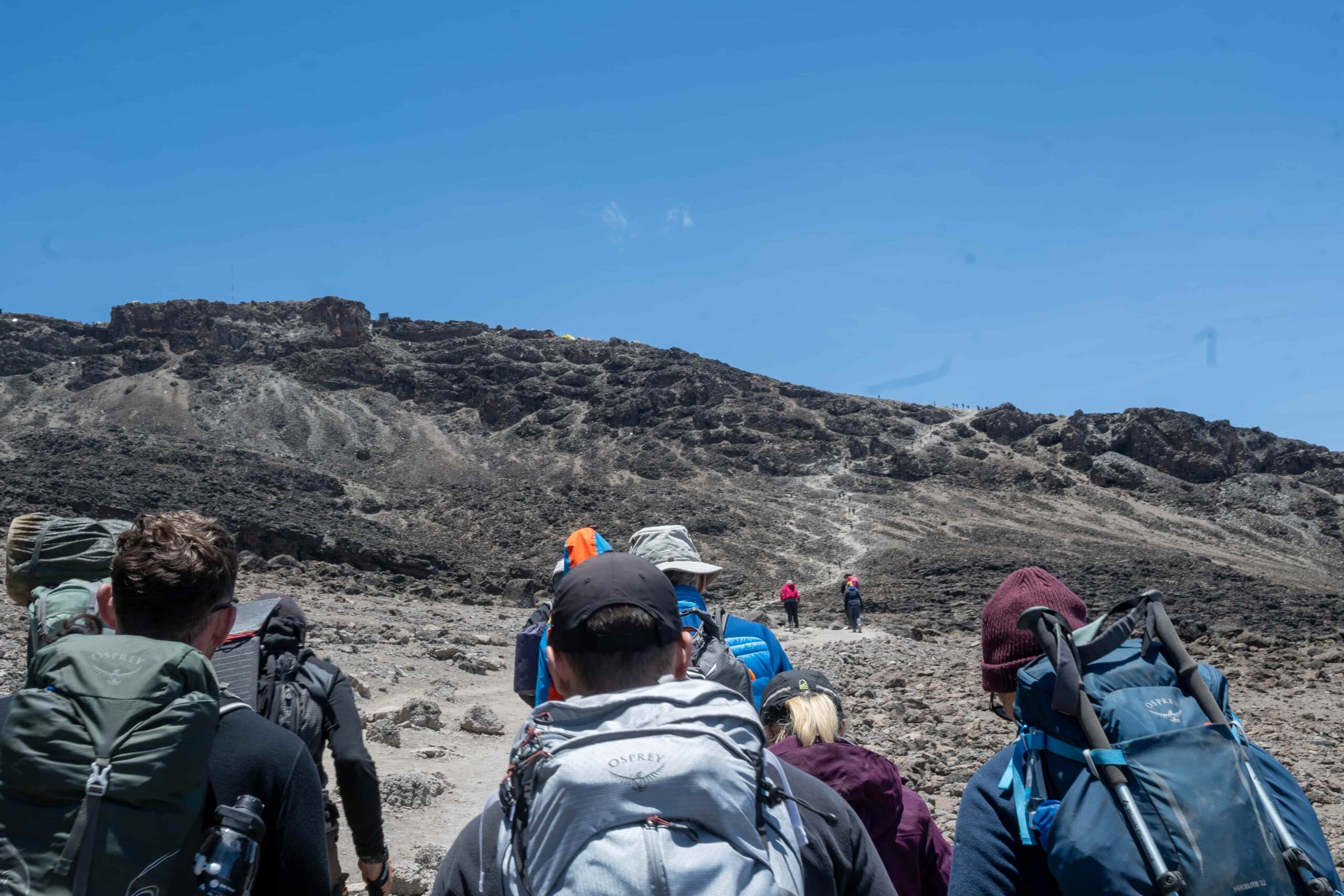
Let’s be direct: Kilimanjaro is not a casual hike. Altitude sickness affects climbers regardless of fitness level. Emergency helicopter evacuations from the mountain can cost upwards of $10,000–$30,000 USD. Without the right insurance, that bill lands entirely on you.
Beyond medical emergencies, life is unpredictable. A family illness before departure, a delayed flight, lost luggage with your carefully assembled gear — any of these can derail a trip you’ve invested months preparing for. Good travel insurance protects your investment, your health, and your peace of mind.
Here’s the key insider truth most people miss: standard travel insurance does NOT cover high-altitude trekking. You need a policy that specifically covers trekking above 4,000 metres (ideally up to 6,000 metres), and one that includes emergency evacuation.
What Your Kilimanjaro Insurance Must Cover
Not all travel insurance is created equal. When reviewing policies for a Kilimanjaro climb, here is exactly what to look for:
1. High-Altitude Trekking Coverage
This is the single most important clause. Confirm that your policy covers trekking at altitude — specifically up to at least 5,895 metres. Many standard policies cap out at 2,000–4,000 metres, which would leave you completely unprotected on Kilimanjaro’s upper slopes. Always read the fine print, or call the insurer directly to confirm.
2. Emergency Medical Evacuation
If you develop severe altitude sickness — including High Altitude Pulmonary Oedema (HAPE) or High Altitude Cerebral Oedema (HACE) — you may need to be evacuated urgently. Our team is trained in Kilimanjaro rescue procedures, but helicopter evacuation costs are substantial. Your policy must cover emergency evacuation, ideally with no upper limit.
3. Medical Treatment & Hospitalisation
Treatment at hospitals in Moshi or Arusha following a mountain emergency needs to be covered. Look for policies with a minimum of $100,000 USD in medical coverage. Our guide on Kilimanjaro health and medications walks you through what medical preparation looks like before you even set foot on the trail.
4. Trip Cancellation & Interruption
Life happens. A sudden illness, a family emergency, or even an unforeseen event in Tanzania could force you to cancel or cut short your climb. Trip cancellation coverage reimburses your pre-paid, non-refundable costs — including your climb package, flights, and accommodation. This is especially important given how far in advance most climbers book their trips.
5. Lost, Stolen, or Delayed Baggage
Your Kilimanjaro kit isn’t cheap. Quality boots, layered clothing, sleeping bags, and trekking poles represent a significant investment. Make sure your policy covers the replacement value of your gear if it’s lost or stolen in transit.
6. Search and Rescue
In some scenarios, search and rescue operations may be required. Confirm your policy explicitly includes this — it’s sometimes excluded as a separate category even when medical evacuation is covered.
7. Adventure Sports / Hazardous Activities Rider
Some insurers classify high-altitude trekking as a hazardous activity, requiring an add-on rider. Always declare your planned activities when purchasing your policy — failing to do so can void your entire claim.
Insider Tips From Our Kilimanjaro Guides
After years of guiding climbers on every major route — from the popular Machame Route to the remote Northern Circuit — here is what our experienced team wants every climber to know:
Buy Insurance Before You Pay for Anything Else
The moment you make your first non-refundable payment — whether for your climb package or your flights — your trip cancellation risk begins. Buy insurance at the same time, so you’re covered from day one. If you wait until a week before departure, a pre-existing medical condition that arose in the interim may not be covered.
Declare Everything
Disclose any pre-existing medical conditions honestly. Insurers can deny claims if they discover undisclosed conditions, even unrelated ones. If you have a health concern and you’re wondering whether you’re ready for the climb, our health and medications guide is a great place to start — and always consult your doctor.
Carry Your Policy Documents on the Mountain
Keep a printed copy and a digital copy (downloaded offline) of your insurance documents, including your policy number and the 24-hour emergency assistance phone number. In an emergency, your guide will need these details immediately. We recommend storing them in your summit pack alongside your acclimatization notes.
Check the Insurer’s Evacuation Partner
Some policies have agreements with specific evacuation providers in Tanzania. Ask your insurer which air ambulance or evacuation company they work with in East Africa. Well-established providers operating in the region include AMREF Flying Doctors and AAR Health Services.
Higher Routes = Longer Time at Altitude = Higher Risk
The longer you spend at altitude, the greater the potential exposure to mountain health challenges. Routes like the Lemosho Route (8 days) or the Northern Circuit (9 days) offer better acclimatization profiles and higher success rates, but factor in the number of insured days carefully. Ensure your policy covers the full duration of your trip, including any post-climb safari or beach extension.
How Much Does Kilimanjaro Travel Insurance Cost?
As a general benchmark, comprehensive adventure travel insurance for a Kilimanjaro climb typically costs between 5–10% of your total trip cost. For a two-week Tanzania trip including a climb and a safari, you might pay $150–$400 USD depending on your age, nationality, and the level of coverage selected.
That said, compare this to the cost of an uninsured helicopter evacuation or a hospital stay — insurance is, without question, the best investment you’ll make for your trip. For a broader picture of what your Kilimanjaro adventure will cost in total, see our honest breakdown of Kilimanjaro climb prices.
Recommended Insurance Providers for Kilimanjaro
We don’t endorse specific insurers, but these are names that consistently appear among climbers who have been well-served in East Africa:
- World Nomads — Popular with independent travellers, covers high-altitude trekking, and offers flexible policies.
- Battleface — Strong adventure sports coverage, often competitive for high-altitude activities.
- Allianz Travel — Well-established, strong medical and evacuation provisions.
- IMG Global — Frequently recommended for expedition-level coverage.
- SafetyWing — A good option for longer-term travellers or those combining multiple destinations.
Always verify coverage details directly with the provider. Policies and terms change, and what worked for a friend last year may differ from what’s available today.
What Happens If You’re Not Insured?
We’ve seen it. A climber reaches 4,800 metres and develops pulmonary oedema. They need immediate evacuation. Without insurance, the family scrambles to wire emergency funds from overseas, sometimes taking critical hours. In a mountain emergency, time is everything.
Our guides and porters are trained to respond swiftly, and our rescue protocols are among the most thorough on the mountain. But financial barriers can slow the process. Insurance removes that barrier entirely.
Planning Your Climb With Northern MasaiLand Safaris
When you climb with us, you’re not just hiring a guide — you’re joining a team that has your back from the moment you land in Tanzania to the moment you return home. We’ll walk you through everything: your training plan, your packing list, the best time to climb, and yes — making sure your insurance is sorted before you fly.
Our most popular Kilimanjaro packages include:
- 7 Days Kilimanjaro — Machame Route (the most scenic route)
- 8 Days Kilimanjaro — Lemosho Route (best acclimatization profile)
- 9 Days — Northern Circuit Route (highest success rate)
- 6 Days — Marangu Route (the classic “Coca-Cola Route”)
- 6 Days — Umbwe Route (for experienced trekkers)
And if you want to extend your adventure after the summit, we offer world-class Tanzania safari experiences — from the Serengeti and Ngorongoro Crater to the white sands of Zanzibar.
Ready to Climb? Let’s Talk.
The summit is waiting. And with the right preparation — including solid travel insurance — there’s nothing standing between you and one of the greatest achievements of your life.
Visit our trip planning page to get started, browse our FAQs for answers to common questions, or reach out directly through our contact page. Our team is based in Arusha, Tanzania — right at the foot of Kilimanjaro — and we’re ready to help you plan every detail.
Climb smart. Climb safe. Climb with Northern MasaiLand Safaris.
Related Reading
- The Complete Kilimanjaro Climbing Guide
- Kilimanjaro Altitude Sickness — What You Need to Know
- Kilimanjaro Acclimatization Guide
- How to Train for Kilimanjaro
- The Kilimanjaro Gear List
- Best Time to Climb Kilimanjaro
- Kilimanjaro Summit Success Rates
- How Long Does It Take to Climb Kilimanjaro?
- Tanzania Travel Insurance Guide
- Tanzania Visa — Everything You Need to Know