People ask us all the time: “How fit do I need to be to climb Kilimanjaro?” It is one of the most important questions you can ask — and one of the most commonly misunderstood.
The honest answer is this: Kilimanjaro does not require elite athletic ability. Thousands of people in their 50s, 60s, and 70s reach Uhuru Peak every year. But it does demand a genuine, sustained fitness base. The climbers who struggle most on this mountain are not the unfit ones who prepared accordingly — they are the reasonably fit ones who assumed the mountain would be easier than it is.
This guide gives you a clear, practical, honest training programme built around what Kilimanjaro actually requires. Follow it, and you will arrive at the gate in the best possible shape for everything that follows.
From Our Guides: After thousands of climbs, the pattern is clear — clients who arrive having followed a structured 10–12 week programme summit at significantly higher rates than those who did casual exercise for a few weeks before departure. Preparation is the single most controllable factor in your success.
Does Fitness Actually Matter on Kilimanjaro?
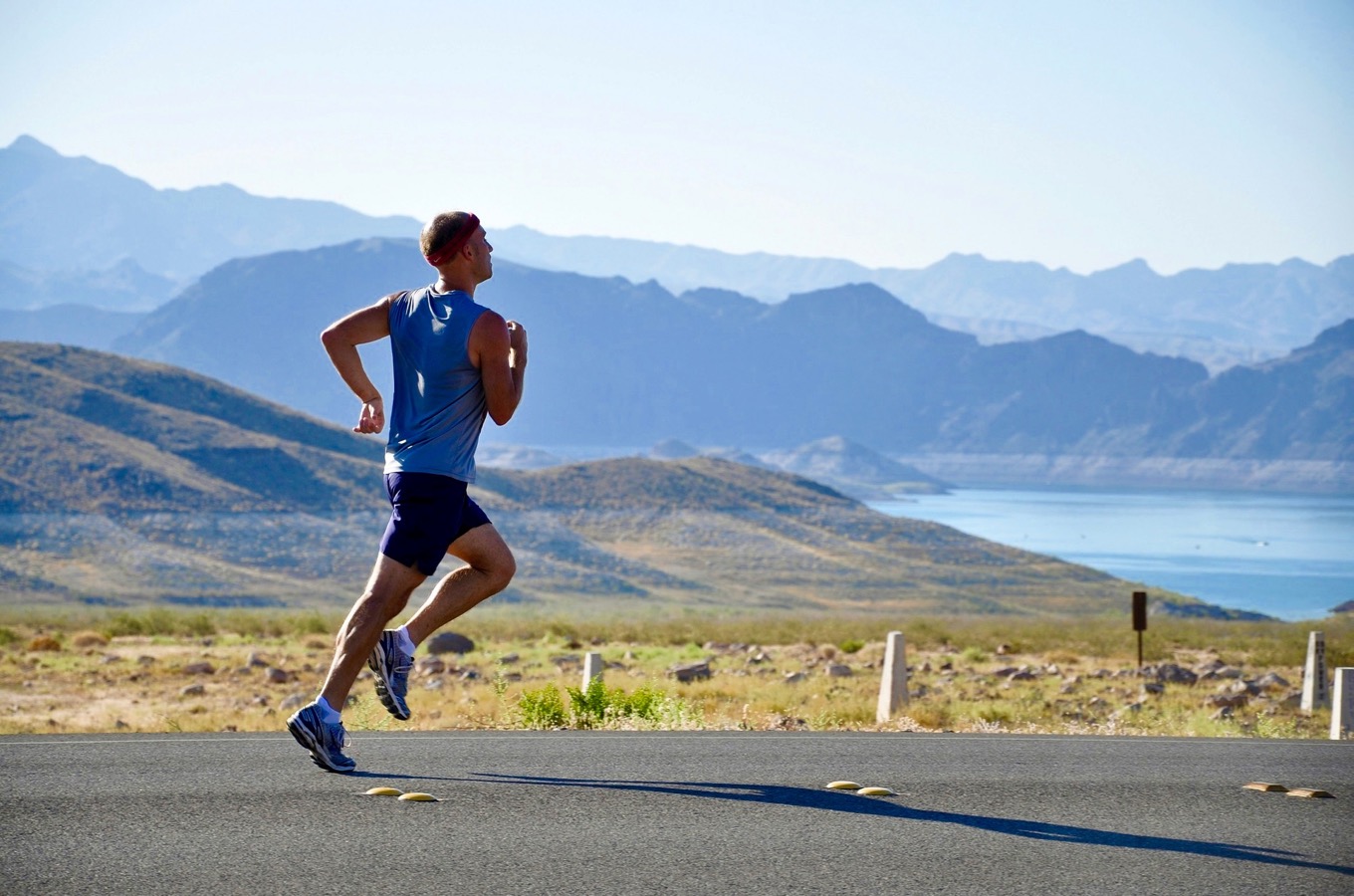
Yes — but perhaps not in the way you expect. Kilimanjaro’s trails are not technically difficult. There is no rock climbing, no glacier navigation on the standard routes, and no specialist mountaineering skills required. What the mountain is, from a physical standpoint, is a very long, very sustained uphill walk at progressively higher altitude, repeated across multiple days.
The physical demands are cumulative. Day one feels manageable. By day four, your body is already carrying the fatigue of previous days, the disruption of sleeping at altitude, and a reduced appetite that makes proper fuelling harder. By summit night, you are ascending 1,200 metres in a single push at 5,000 metres above sea level, starting at midnight, in sub-zero temperatures, after five or six days of continuous exertion.
That is what you are training for. Not a sprint — an accumulation.
The good news is that this kind of endurance is trainable. You do not need to be an athlete. You need to be consistent.
What the Mountain Actually Demands
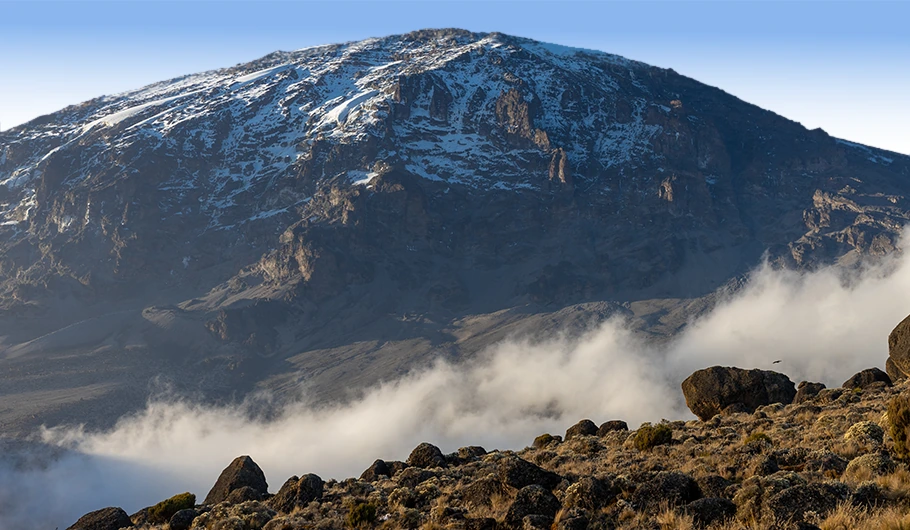
Before designing a training plan, it helps to understand the specific physical challenges Kilimanjaro places on your body.
Daily hiking duration
Depending on your route, you will hike between 4 and 8 hours per day. Distances range from around 7 km to 16 km per stage, mostly on uneven trail. Your route choice significantly affects the daily load — one reason we discuss this carefully with every client during planning.
Elevation gain
Kilimanjaro stands at 5,895 metres. Over the course of your climb, the cumulative elevation gain is enormous. Your legs — particularly your quadriceps on descents and your glutes and calves on ascents — will be under sustained load in ways that flat running or gym work does not replicate.
Pack weight
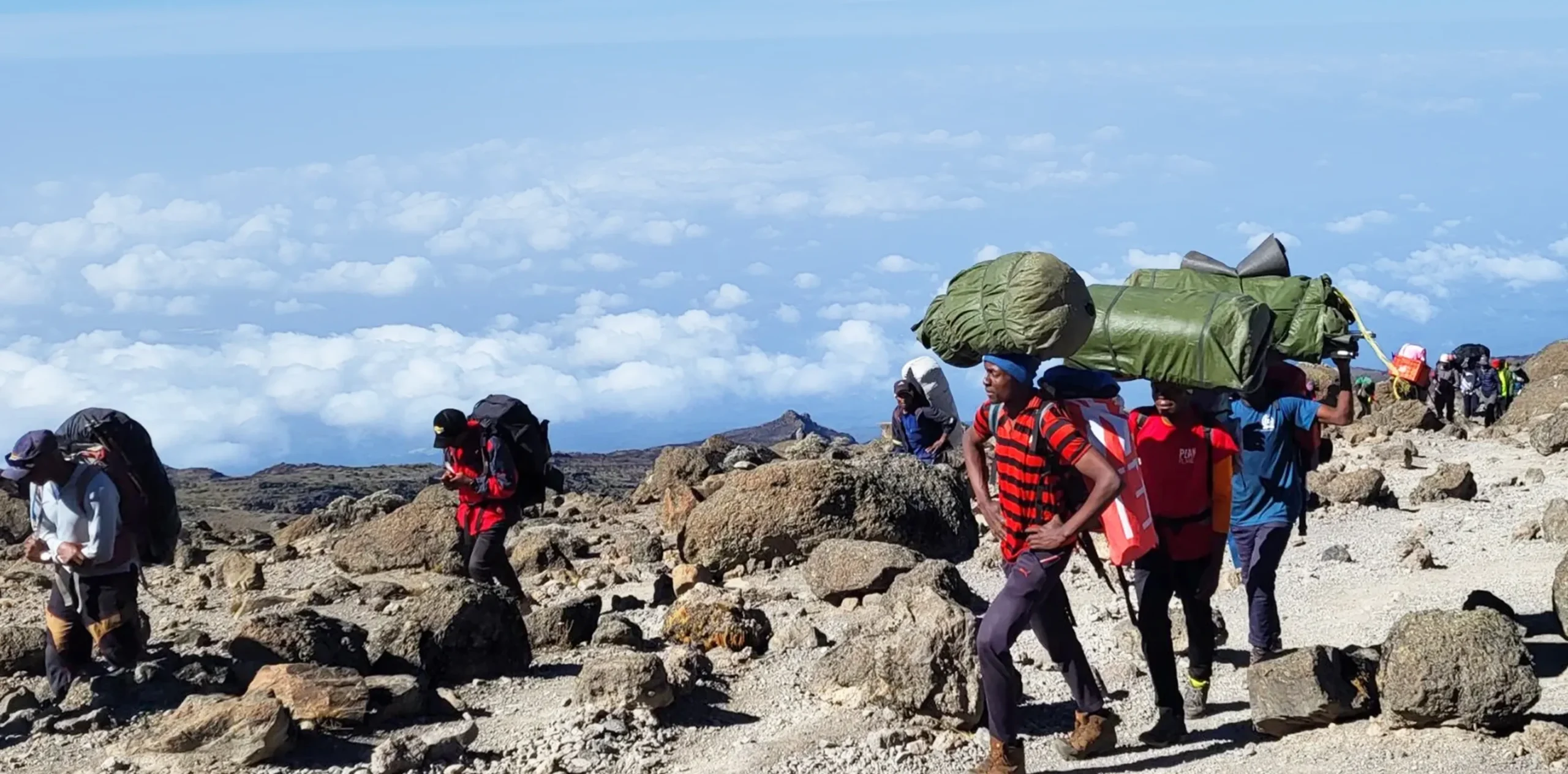
You will carry a daypack of approximately 5–8 kg throughout each hiking day. This is not heavy, but it is constant — and over 6–9 days it adds meaningful stress to your shoulders, hips, and lower back. Your Kilimanjaro porters carry your main duffel, but your daypack is yours.
Altitude effects
Everything above is harder at altitude. At 5,000 metres, your body is working with roughly half the oxygen available at sea level. Simple tasks feel laboured. Your heart rate at rest is elevated. Altitude sickness can reduce appetite, disrupt sleep, and leave you fatigued even on rest days. Fitness does not prevent altitude sickness — but good cardiovascular conditioning means your body handles the physical demands better under reduced oxygen.
Multi-day fatigue
This is the factor most people underestimate. A single long day hike is within reach of most people who exercise occasionally. Six consecutive days of it, at altitude, with disrupted sleep, is an entirely different proposition. Your training needs to build not just peak fitness but sustainable endurance — the ability to keep going day after day.
How Long Should You Train?
Our strong recommendation is a minimum of 10–12 weeks of structured training before your climb. For clients who are starting from a low fitness base, 16–20 weeks is a better target.
If your departure is fewer than 8 weeks away, do not panic — focus on the highest-impact activities (long hikes and cardiovascular base work) and be realistic about your expectations. A well-chosen, longer route with a great guiding team still gives you a strong chance of success.
The training framework below is built around a 12-week window. If you have more time, simply extend the early phases. If you have less, compress carefully — prioritising hiking over gym work.
Cardiovascular Training

Aerobic fitness is the foundation of everything. Your cardiovascular system is responsible for delivering oxygenated blood to your muscles — and at altitude, where oxygen is scarce, a strong aerobic base means your body extracts and uses every available molecule of oxygen more efficiently.
The best cardio activities for Kilimanjaro training
- Hiking — the most specific training you can do. Hilly terrain, with a loaded pack, is almost identical to the demands of the mountain. Prioritise this above all else.
- Running and jogging — excellent for building cardiovascular base, especially on trails. If you are new to running, build gradually to avoid injury.
- Cycling — low impact and highly effective for building aerobic capacity. Both road and mountain biking are excellent.
- Swimming — outstanding for cardiovascular conditioning with minimal injury risk. Particularly good for cross-training between harder days.
- Rowing — engages the whole body, builds both aerobic capacity and upper body endurance relevant to hiking with a pack.
- Stair climbing — underrated and highly specific. If you live in a city without easy access to hills, stair machines or tall buildings are a legitimate substitute.
Target heart rate zones
The majority of your training — roughly 70–80% — should be at a conversational pace. You should be able to speak in full sentences while exercising. This is Zone 2 training, and it is where your aerobic base is built. Save harder efforts for the remaining 20–30% of your weekly volume.
Weekly cardio targets by phase
| Phase | Weeks | Weekly Cardio Target | Focus |
|---|---|---|---|
| Foundation | 1–4 | 3–4 sessions, 30–45 min each | Build base, establish routine |
| Build | 5–8 | 4–5 sessions, 45–75 min each | Increase duration and hilly terrain |
| Peak | 9–11 | 4–5 sessions, including one long hike of 5–7 hrs | Multi-day hikes, sustained effort |
| Taper | 12 | 2–3 shorter, easy sessions | Rest and recover before travel |
Strength and Stability Training

Cardiovascular fitness will get you up the mountain. Strength and stability will keep your joints healthy throughout the climb and allow you to descend safely — which is where most overuse injuries occur.
You do not need to become a weightlifter. What you need is functional lower body strength, core stability, and enough upper body endurance to carry your daypack comfortably for six or more hours.
Key exercises to prioritise
Lower body
- Squats and goblet squats — build quadriceps and glute strength directly relevant to ascending and descending.
- Lunges and reverse lunges — replicate the single-leg loading of stepping up and down on uneven terrain.
- Step-ups with a weighted pack — the most specific strength exercise you can do. Use a bench or a set of stairs, add pack weight progressively.
- Romanian deadlifts — build posterior chain strength (hamstrings, glutes, lower back) essential for long descents.
- Calf raises — often overlooked. Your calves are under enormous load on steep ascents. Build them deliberately.
Core and stability
- Plank variations — anterior and lateral core stability that protects your lower back under pack load.
- Single-leg balance work — improves proprioception and ankle stability on uneven trail. Simply standing on one leg for 30–60 seconds is a legitimate exercise.
- Glute bridges and hip thrusts — activate the posterior chain and reduce knee stress on downhill sections.
Upper body and posture
- Rows (cable, dumbbell, or resistance band) — counteract the forward lean of pack carrying and strengthen the upper back.
- Shoulder press variations — build endurance in the shoulder girdle for sustained pack wear.
- Dead hangs and pull-up progressions — develop grip and upper back strength, particularly relevant for any scrambling sections.
How often to strength train
Two sessions per week is sufficient for most climbers. Three is ideal if you can manage it without compromising your hiking and cardio work. Keep sessions to 45–60 minutes and focus on compound movements rather than isolation exercises.
Hiking-Specific Preparation
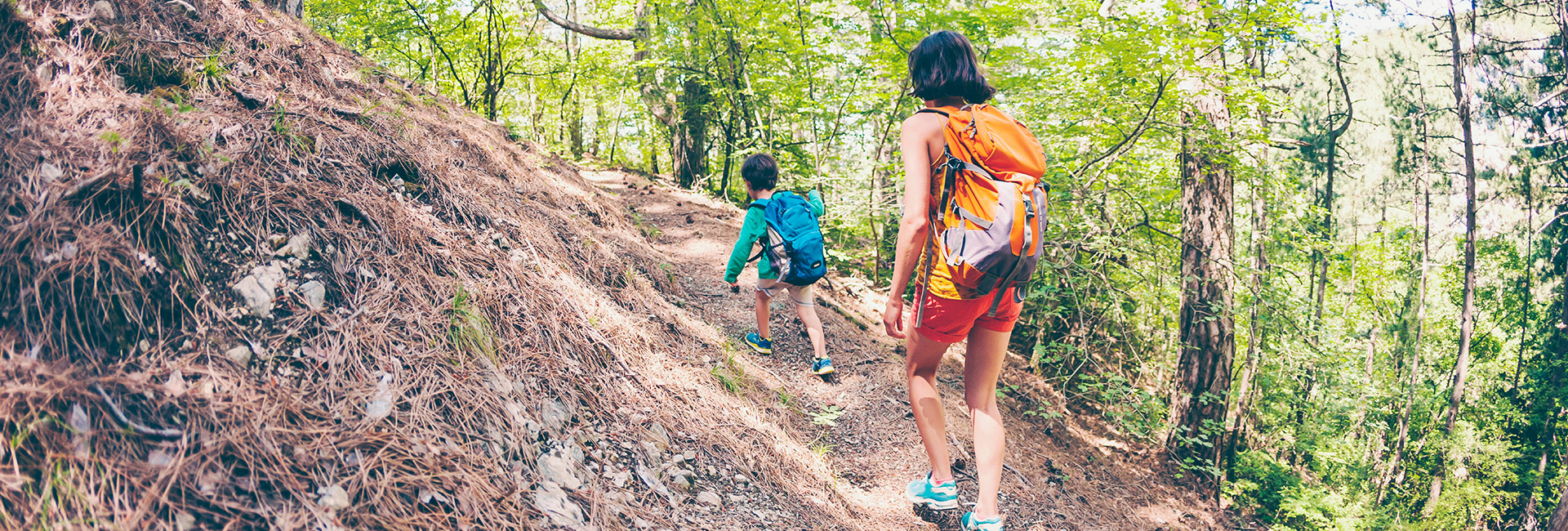
No amount of gym work fully replicates what your body goes through on a multi-day mountain trek. Hiking with a loaded pack on uneven terrain engages stabiliser muscles, trains your feet and ankles, and mentally acclimatises you to the rhythm of long days on your feet. It is the most important thing you can do.
Build up your long hiking days progressively
- Weeks 1–4: 2–3 hour hikes on varied terrain, with a 4–5 kg daypack. Focus on getting comfortable in your boots and with your pack.
- Weeks 5–8: Extend to 4–5 hour hikes on hilly terrain. Increase pack weight to 6–7 kg. Include at least one hike per week with meaningful elevation gain.
- Weeks 9–11: Target at least one 6–8 hour hike per week. If possible, plan a two-day overnight hiking trip — this is the closest simulation to consecutive Kilimanjaro days available to most climbers.
Back-to-back hiking days
One of the most valuable things you can do in your preparation is hike on consecutive days. Go for a long hike on Saturday, then a shorter but still meaningful hike on Sunday. This teaches your body to recover while continuing to perform — which is exactly what the mountain will ask of you.
Break in your boots early
Kilimanjaro in new boots is a recipe for blisters that derail your summit bid. Your boots should be fully broken in — meaning worn on multiple long days with no hot spots — at least 4 weeks before your climb. Check our full Kilimanjaro gear list for specific footwear recommendations.
Train on inclines whenever possible
If you live in a flat area, use treadmill incline, stair machines, or parking structures. Deliberately hiking down steep sections matters as much as going up — descending is where knees take the most punishment and where many climbers struggle by day six or seven.
A 12-Week Training Framework
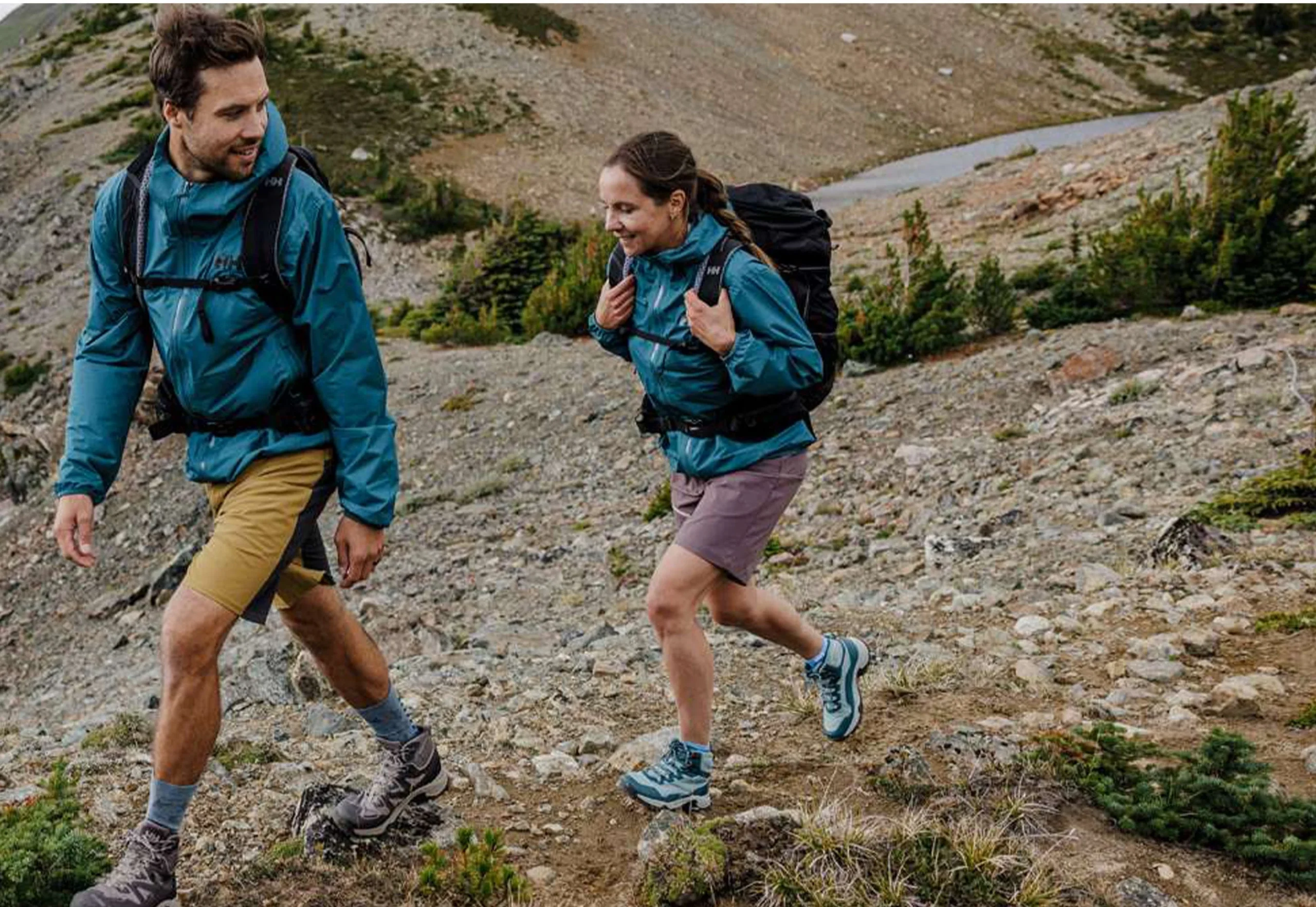
This is a general framework rather than a rigid prescription. Adjust based on your current fitness level, available time, and any existing injuries. If in doubt, do less and recover fully rather than accumulating fatigue.
| Week | Long Hike | Cardio Sessions | Strength Sessions | Notes |
|---|---|---|---|---|
| 1 | 2 hrs, light pack | 2 × 30 min | 2 × 45 min | Establish baseline, assess weak areas |
| 2 | 2.5 hrs, light pack | 3 × 30 min | 2 × 45 min | Focus on form and posture |
| 3 | 3 hrs, 4 kg pack | 3 × 35 min | 2 × 50 min | Introduce hilly terrain |
| 4 | 3.5 hrs, 4 kg pack | 3 × 40 min | 2 × 50 min | Easy recovery week — reduce intensity |
| 5 | 4 hrs, 5 kg pack | 3 × 45 min | 2–3 × 50 min | Start back-to-back weekend hikes |
| 6 | 4.5 hrs, 5 kg pack | 4 × 45 min | 2–3 × 50 min | Include one stair or steep incline session |
| 7 | 5 hrs, 6 kg pack | 4 × 45 min | 2 × 55 min | Begin step-ups with loaded pack |
| 8 | 5 hrs, 6 kg pack | 3 × 40 min | 2 × 45 min | Recovery week — reduce volume by 30% |
| 9 | 6 hrs, 7 kg pack | 4 × 50 min | 2 × 55 min | Peak phase begins — push duration |
| 10 | 7 hrs, 7 kg pack | 4 × 50 min | 2 × 55 min | Overnight hiking trip if possible |
| 11 | 6 hrs, 7 kg pack | 3 × 45 min | 2 × 45 min | Begin gradual taper |
| 12 | 2–3 hrs, easy | 2 × 30 min, easy | 1 × light session | Full taper — arrive rested, not tired |
Training for Altitude

This is the part of Kilimanjaro preparation that most guides are honest about: you cannot fully train for altitude at sea level. The physiological adaptations your body makes above 3,000 metres — increased red blood cell production, changes in breathing chemistry, shifts in how your muscles use oxygen — only happen at altitude.
What you can do is arrive in the best possible cardiovascular condition so that your body handles the physical demands well under reduced oxygen. And there are a few specific strategies that help.
Altitude pre-acclimatisation options
- Arrive in Tanzania early. Spending one or two nights in Arusha at 1,400 metres before your climb begins gives your body a gentle introductory stimulus. We always recommend this to our clients — read more about it in our acclimatisation guide.
- Climb another high-altitude peak beforehand. If you have the time and budget, spending a few days at 3,000–4,000 metres on another mountain or plateau before Kilimanjaro gives meaningful pre-acclimatisation. This is not accessible for everyone, but it is the gold standard preparation where possible.
- Altitude tents (hypoxic tents). These simulate high-altitude sleeping conditions at home by reducing the oxygen concentration in a tent-like enclosure. They are expensive and require a structured protocol, but the evidence for their effectiveness is solid. Consult a sports physician before using one.
- Breath training. Practices like diaphragmatic breathing, breath-hold training, and high-intensity interval work that stresses your respiratory system can improve your body’s tolerance of low-oxygen conditions. These are supplementary tools, not replacements for cardiovascular base training.
For a full understanding of what your body goes through above 3,700 metres — and how our guides manage it — read our detailed guide to Kilimanjaro altitude sickness.
Medication
Many Kilimanjaro climbers use Diamox (acetazolamide) as a prophylactic against altitude sickness. This is a conversation to have with your doctor before departure. Our health and medications guide covers dosage, side effects, and who it is and is not appropriate for.
Mental Preparation
Summit night on Kilimanjaro is as much a mental challenge as a physical one. You will be awake at midnight, cold, at 4,800 metres, facing a 1,200-metre ascent in the dark. Everything in your body will be asking you why. The climbers who make it to Uhuru Peak are not always the most physically capable — they are the ones who kept going when the logical part of their brain was making a compelling case to stop.
What helps on summit night
- Know it will be hard. Expectation management is everything. If you have been told it is easy, the difficulty feels like failure. If you have been told it is genuinely challenging, you can meet it with resolve rather than panic.
- Develop a mantra. Simple, repeatable phrases — pole pole, one step at a time, I have trained for this — give your mind something to hold onto when your body is struggling.
- Practice discomfort in training. Deliberately finish long training hikes when you are tired, in the dark, or in poor weather. Getting comfortable with discomfort in a low-stakes context builds genuine resilience.
- Trust your guides. You will not have to make decisions on summit night. Your Northern Masailand guide will set the pace, monitor your health, and make the call if anything needs to change. Your job is to walk and breathe. Let us handle the rest.
- Visualise the summit. Athletes across every discipline use visualisation — not because it is mystical, but because your nervous system responds to vivid mental rehearsal. Spend time imagining the moment you arrive at the sign at Uhuru Peak. Make it specific and sensory. Return to that image when summit night gets hard.
The Final Two Weeks Before You Fly
What you do in the two weeks before your departure can be as important as the twelve weeks of training before them — if you get it wrong.
What to do
- Taper properly. Reduce training volume by 40–50% in the final two weeks. Maintain some activity to stay sharp, but the goal is to arrive rested, not to squeeze in last-minute fitness gains. Fitness improvements from training take 2–3 weeks to manifest — you will not get fitter in the final fortnight, but you can arrive exhausted if you keep training hard.
- Prioritise sleep. Sleep debt accumulates and undermines physical and mental performance. Protect your sleep rigorously in the final two weeks.
- Review your gear. Everything on our Kilimanjaro gear list should be assembled, tested, and packed. Your boots should already be fully broken in.
- Confirm your insurance. Check that your Kilimanjaro travel insurance covers emergency evacuation and high-altitude trekking. Do this now, not on the day before departure.
- Check Tanzania entry requirements. Review our Tanzania travel requirements guide and confirm your visa and vaccination documentation is in order. Our Tanzania visa guide covers the e-visa process step by step.
What to avoid
- No new activities. The final two weeks are not the time to try trail running for the first time or attempt a new gym programme. Injury risk from unfamiliar movements is real.
- No alcohol in excess. Alcohol impairs sleep quality and recovery. Moderate consumption is fine socially, but heavy drinking in the lead-up to your climb is counterproductive.
- Avoid illness exposure where possible. Crowded public transport, sick colleagues, large gatherings — none of these are worth the risk of arriving in Tanzania with a cold or chest infection.
Questions We Hear Most Often
I have never hiked before. Can I still climb Kilimanjaro?
Yes — but you need to begin your preparation earlier and commit fully to the training programme. We have guided first-time hikers to the summit on the Lemosho and Northern Circuit routes. The longer routes give your body the acclimatisation time that compensates for a lower initial fitness base. Start your training 16–20 weeks out and build slowly.
I am a regular runner. Is that enough?
Running builds an excellent cardiovascular base, but it does not prepare your legs for the specific demands of downhill hiking under load over multiple consecutive days. Add significant hiking — particularly downhill on uneven terrain with a pack — to your programme. Your knees will thank you on day seven of the descent.
What about age? Am I too old to train effectively for this?
The oldest person to summit Kilimanjaro was in their 80s. Age is rarely the limiting factor — accumulated wisdom and patience with pace often make older climbers more successful, not less. Adjust the intensity of your training for your recovery capacity, allow more recovery time between hard sessions, and prioritise joint health in your strength work. Read our Kilimanjaro facts guide for more on who climbs this mountain and how.
How important is the route I choose for my training needs?
Very important. Shorter routes like the Marangu demand that you arrive fitter, because there is less time for acclimatisation to offset physical fatigue. Longer routes like Lemosho or the Northern Circuit give your body more time to adapt. The route you choose should reflect both your training level and the experience you want. Talk to our team — we can help match you to the right option. See our full guide to Kilimanjaro routes for a detailed comparison.
How do I know if I am ready?
A practical test: can you complete a 6-hour hike on hilly terrain with a 6–7 kg pack and still feel capable of doing it again the next morning? If yes, you are in good shape. If that sounds daunting, you have more training to do — and that is useful information to have before you are on the mountain. Our guide on Kilimanjaro summit success rates gives you honest context about what preparation level correlates with success.
What will the climb actually cost?
Our honest breakdown of Kilimanjaro climb prices explains what you are paying for at different price points and why the experience and safety of your guiding team matter more than the headline number.
Climb With People Who Know This Mountain
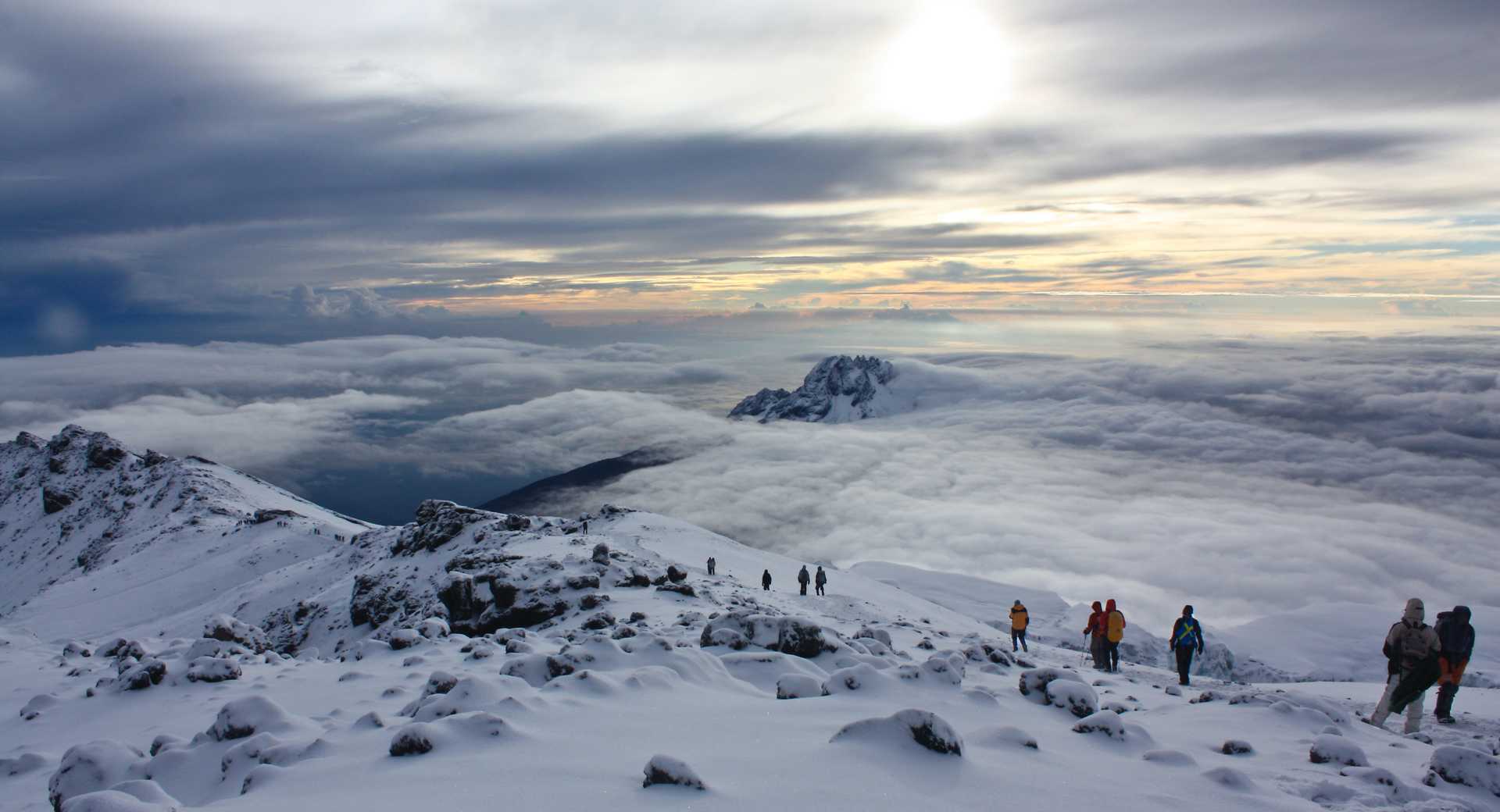
Training gets you to the gate in the best possible condition. What happens above 4,000 metres depends on the team walking with you. Northern Masailand Safaris is a locally owned company based in Arusha. Our guides have spent years on this mountain — learning its conditions, its altitude patterns, and how to read the people climbing it.
We conduct twice-daily health monitoring on every climb. We carry emergency medication and supplemental oxygen. We set the pace, we watch your oxygen saturation, and we make decisions based on your health — not on a schedule. When you train well and climb with us, you give yourself the best possible chance of standing at Uhuru Peak and looking out over all of Africa.
Start planning your climb today. Tell us your timeline and your current fitness level, and we will build the right itinerary around you.
- Explore all Kilimanjaro routes
- 9-Day Northern Circuit package
- 8-Day Lemosho Route package
- 7-Day Machame Route package
- Talk to our team directly
Continue Preparing
- Kilimanjaro altitude sickness: the worry-free guide
- The complete Kilimanjaro gear list
- Best time to climb Kilimanjaro
- Kilimanjaro health and medications guide
- Kilimanjaro acclimatisation explained
- Kilimanjaro summit success rates
- Kilimanjaro travel insurance guide
- Kilimanjaro climb price guide
- Full Kilimanjaro climbing guide