Zanzibar & coast
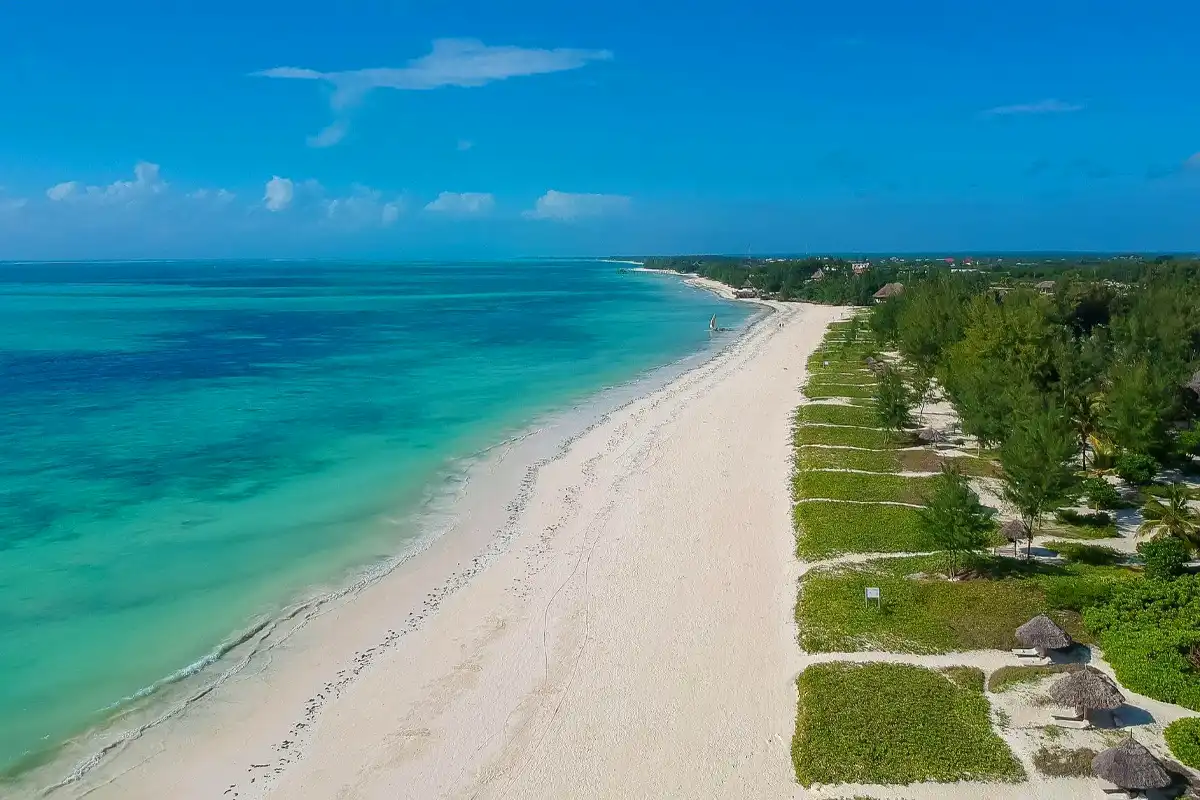
Zanzibar’s White Sand Beaches
White sand, warm turquoise water and a UNESCO-listed old town: the perfect way to end a Tanzania safari, and …

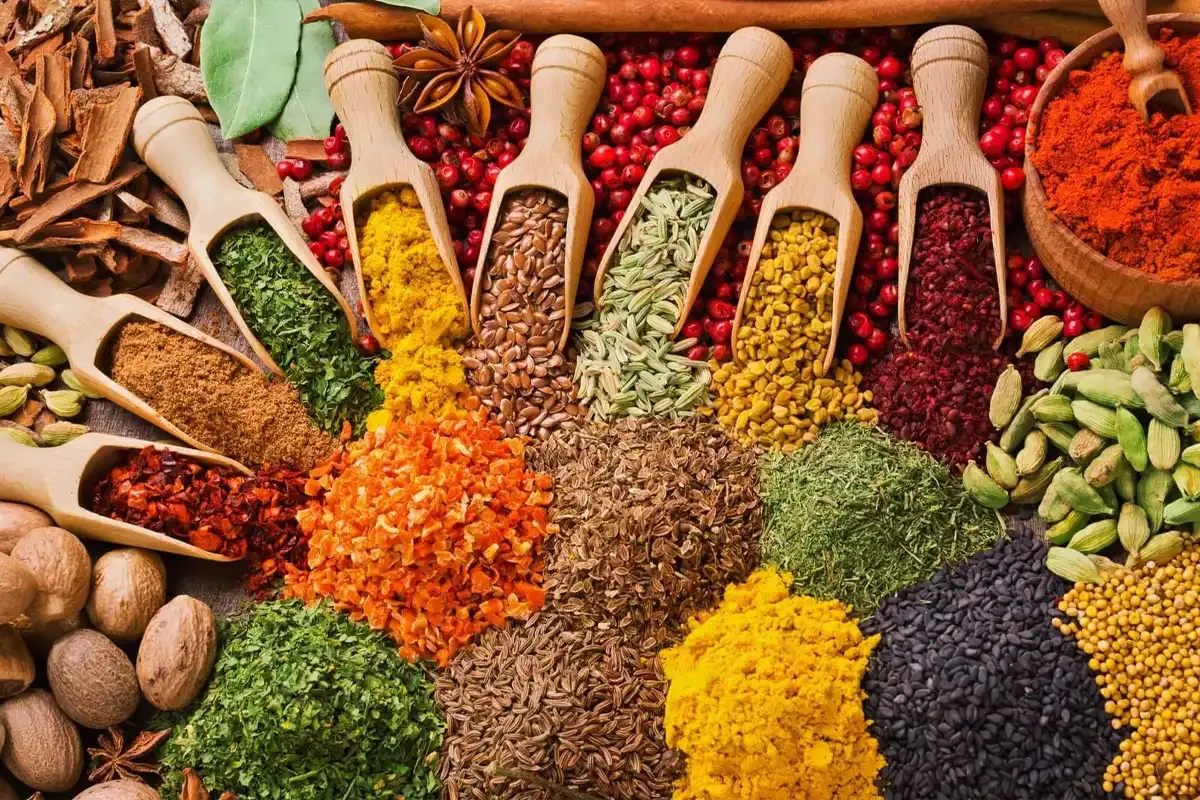
See, smell and taste the spices that made Zanzibar famous: cloves, cinnamon, nutmeg and vanilla, fresh from the plants on a farm outside Stone Town.
Zanzibar was once known as the Spice Island. In the 19th century cloves from Zanzibar and Pemba were traded around the world, and spices still grow on small farms all over the island. A spice tour takes you to one of these farms outside Stone Town, where a guide shows you the plants behind the spices in your kitchen.
You walk slowly through the farm with a guide who picks leaves, bark, seeds and fruit for you to smell and taste, and asks you to guess what they are. You will likely see:
Local farm workers sometimes climb a coconut palm while singing, and weave baskets, hats or ties from palm leaves for the visitors. At the end you can buy fresh spices, soaps and oils.
Spices are everywhere in Zanzibar cooking: pilau rice with cloves, cinnamon and cardamom; biryani; octopus curry with coconut; and spiced tea and coffee. Read more about the island in our Zanzibar guide, and about Tanzanian food in local food to try on safari.
Add a spice tour to your beach stay: tell us your dates.
Arab and Persian traders came to the East African coast for centuries before cloves arrived. In the early 19th century the Omani sultans moved their capital to Zanzibar and planted clove plantations on Unguja and Pemba, and the islands became one of the world's biggest producers. That wealth was built on the labour of enslaved people, a history explained at the former slave market memorial in Stone Town. Today cloves are still grown, mostly on Pemba, alongside many other spices on small family farms.
White sand, warm turquoise water and a UNESCO-listed old town: the perfect way to end a Tanzania safari, and …
About 3–4 hours including transfers from Stone Town. Many guests combine it with a Stone Town tour on the same day.
Cloves, cinnamon, nutmeg, black pepper, vanilla, ginger, turmeric, cardamom and lemongrass, among others.
Yes. Children usually enjoy smelling and guessing the spices and tasting the fruit.
Yes. Most farms sell fresh spices, soaps and oils at the end of the tour.
Yes. The farms are in the centre of the island, so the transfer from the north or east coast takes longer, about 1 hour or more.

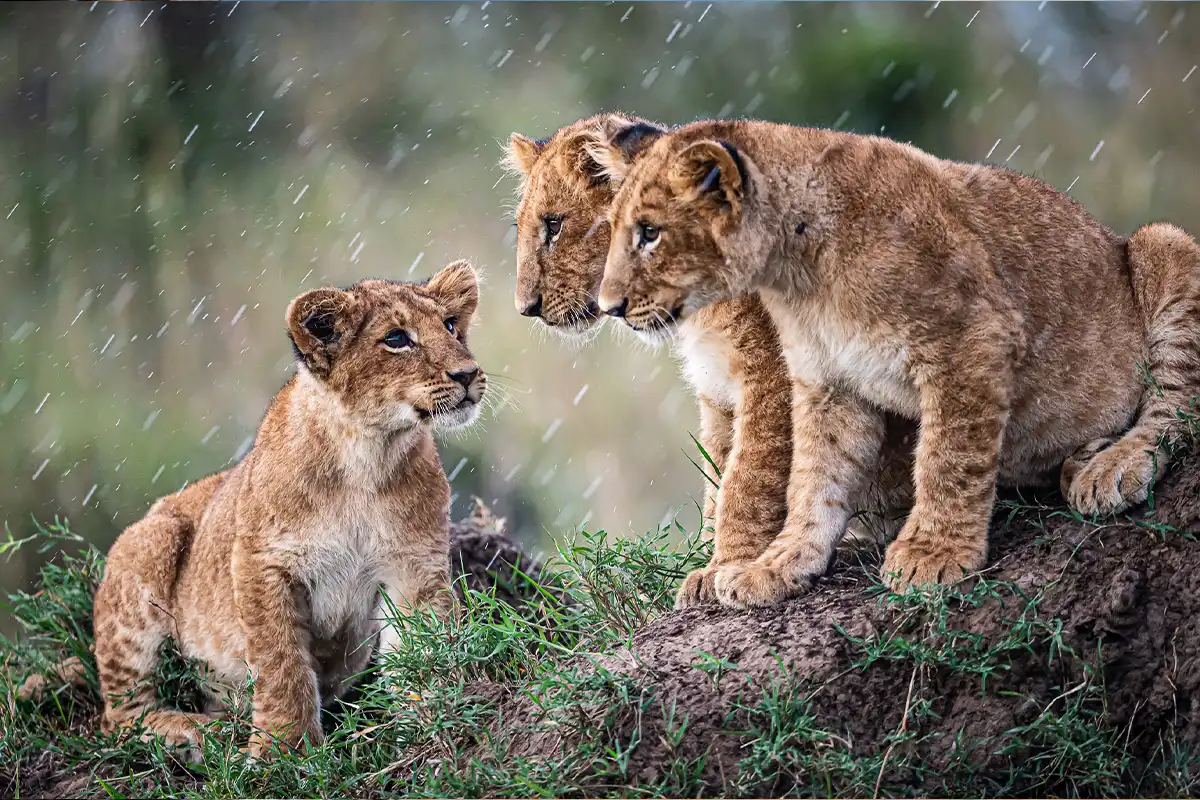
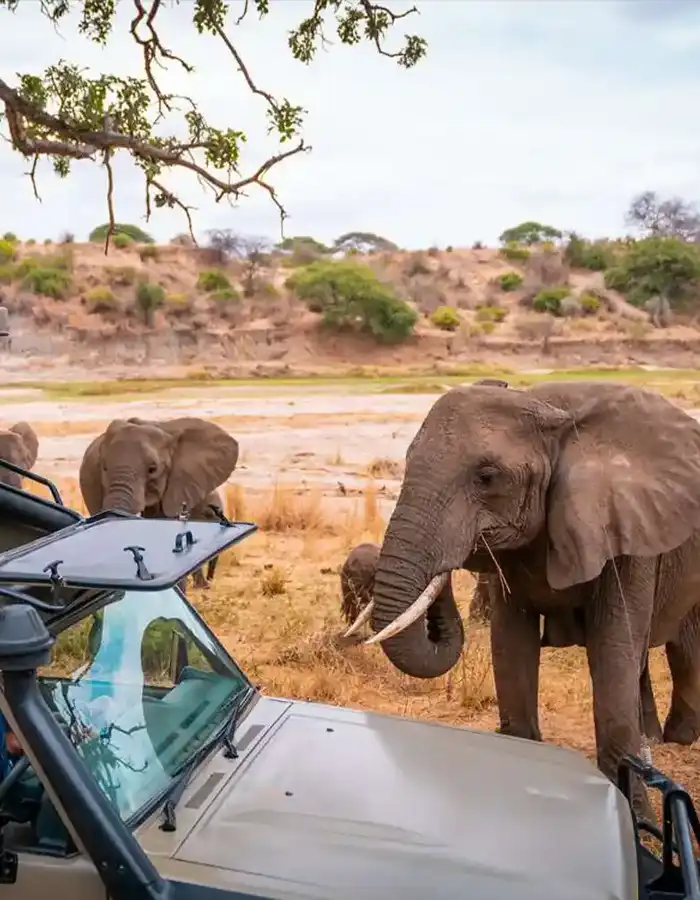
The heart of every safari: hours on the tracks with your guide in a pop-up roof 4×4, looking for lions, elephants and everything in between.

Glide along the Rufiji River past hippos, crocodiles and elephants coming down to drink: a quiet, different way to see Africa's wildlife.
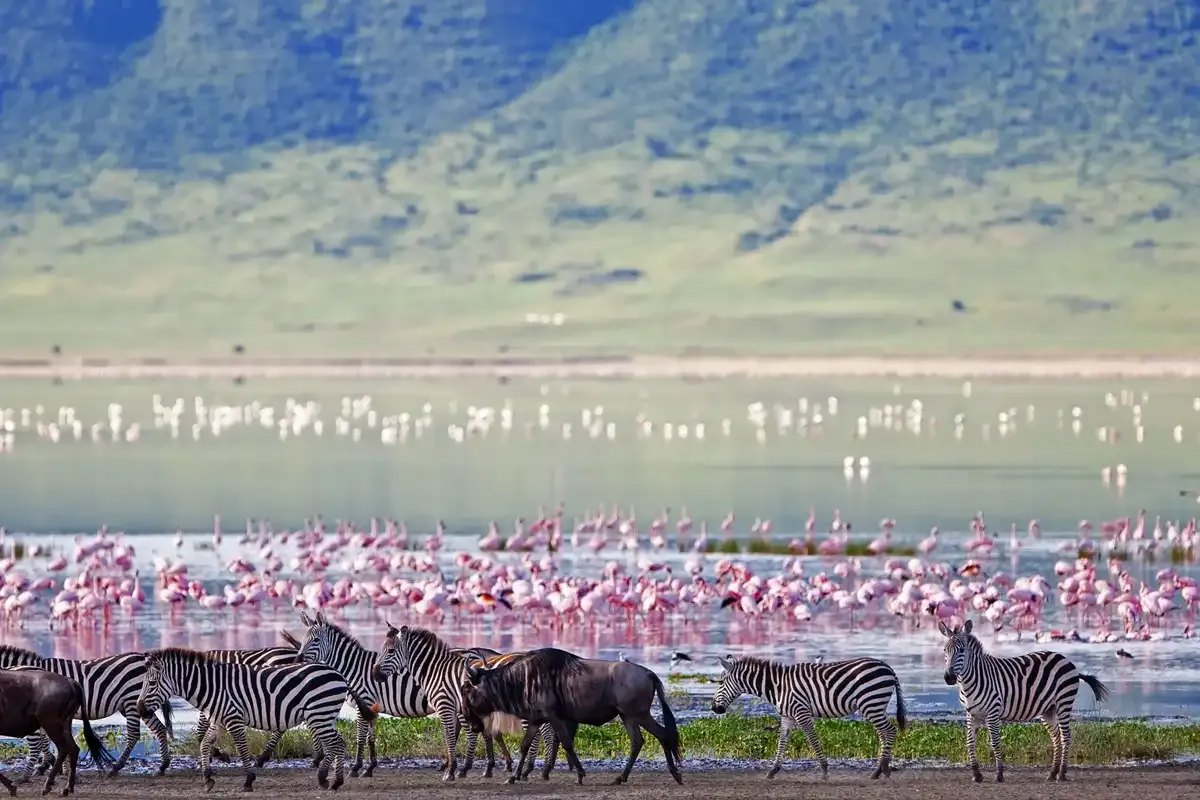
Paddle quietly across a lake in Arusha National Park, past water birds and giraffes, with Mount Meru rising behind you.
Ask us anything. We will reply by email with ideas for your trip.