Zanzibar & coast
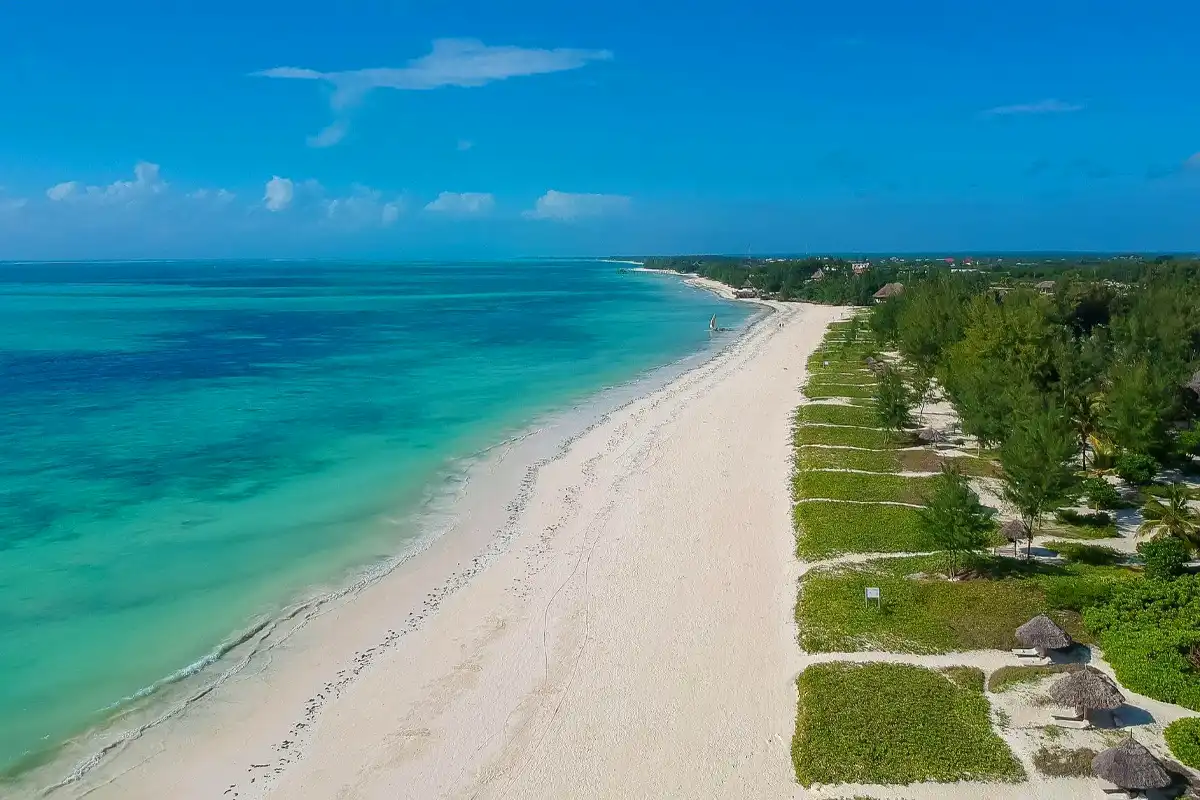
Zanzibar’s White Sand Beaches
White sand, warm turquoise water and a UNESCO-listed old town: the perfect way to end a Tanzania safari, and …

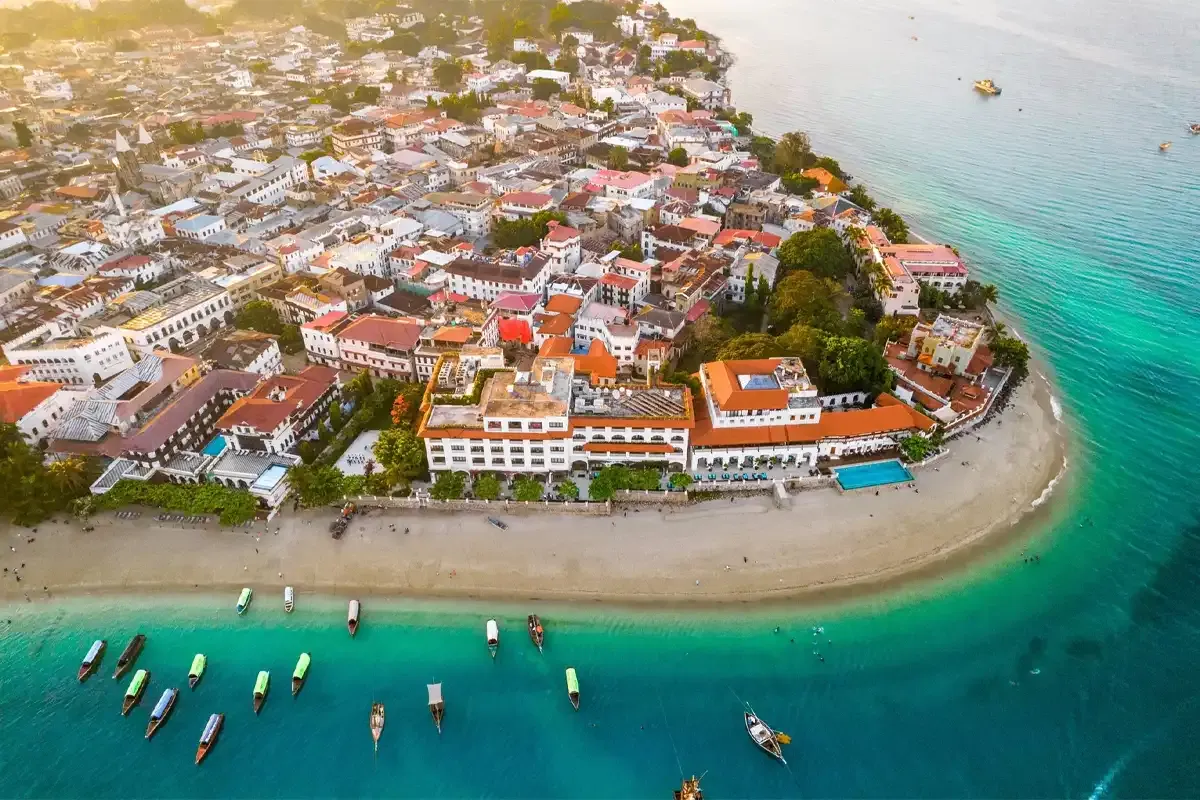
Narrow alleys, carved wooden doors, markets and centuries of Swahili, Arab, Indian and European history in Zanzibar's UNESCO-listed old town.
Stone Town, the old quarter of Zanzibar City, is a maze of narrow streets, crumbling coral-stone houses, mosques, churches, Indian shops and busy markets. It has been a UNESCO World Heritage Site since 2000, recognised as an outstanding example of a Swahili trading town shaped by African, Arab, Indian and European influences. With a local guide, a two- to three-hour walk brings its history to life, and helps you find your way back out.
In the evening, food stalls fill the Forodhani Gardens on the seafront. Try Zanzibar pizza (a thin, filled and fried pancake, savoury or sweet), grilled seafood skewers, urojo soup and fresh sugarcane juice with ginger and lime. Agree on the price before you order.
A spice tour the same day, a sunset dhow cruise, a visit to Prison Island's giant tortoises, and then a few days on the beach: see our Zanzibar guide and snorkelling at Mnemba.
Tell us your dates and we will plan your Zanzibar days after the safari.
For centuries traders sailed to Zanzibar on the monsoon winds from Arabia, Persia and India. In the 19th century the Sultan of Oman moved his court here, and Stone Town grew into the richest trading city of the East African coast, dealing in spices, ivory and, tragically, enslaved people. Later it became a base for European explorers and missionaries, and the town's buildings mix all these influences: Arab houses with inner courtyards, Indian shops with balconies, and colonial offices.
White sand, warm turquoise water and a UNESCO-listed old town: the perfect way to end a Tanzania safari, and …
About 2–3 hours. Many guests combine it with a spice tour on the same day.
It isn't required, but a local guide explains the history and makes it much easier to find your way through the narrow streets.
Light clothes that cover your shoulders and knees. Stone Town is a mainly Muslim community, and modest dress is appreciated.
Yes, generally. Use normal care with valuables, and take a licensed taxi or walk with your guide at night.
Early morning and late afternoon are coolest. Stay for the evening to see the Forodhani night food market.


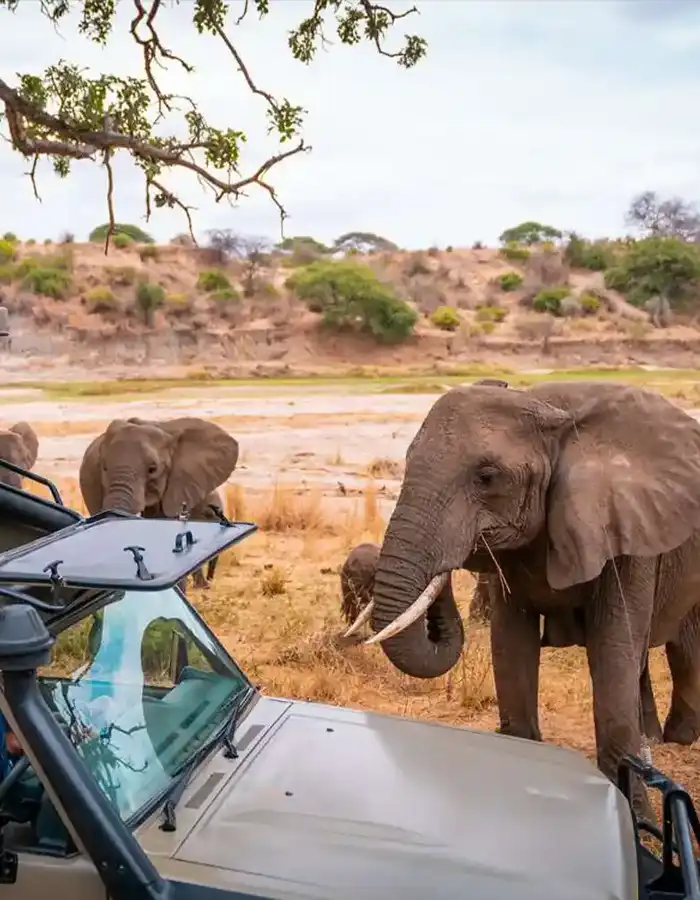
The heart of every safari: hours on the tracks with your guide in a pop-up roof 4×4, looking for lions, elephants and everything in between.

Glide along the Rufiji River past hippos, crocodiles and elephants coming down to drink: a quiet, different way to see Africa's wildlife.
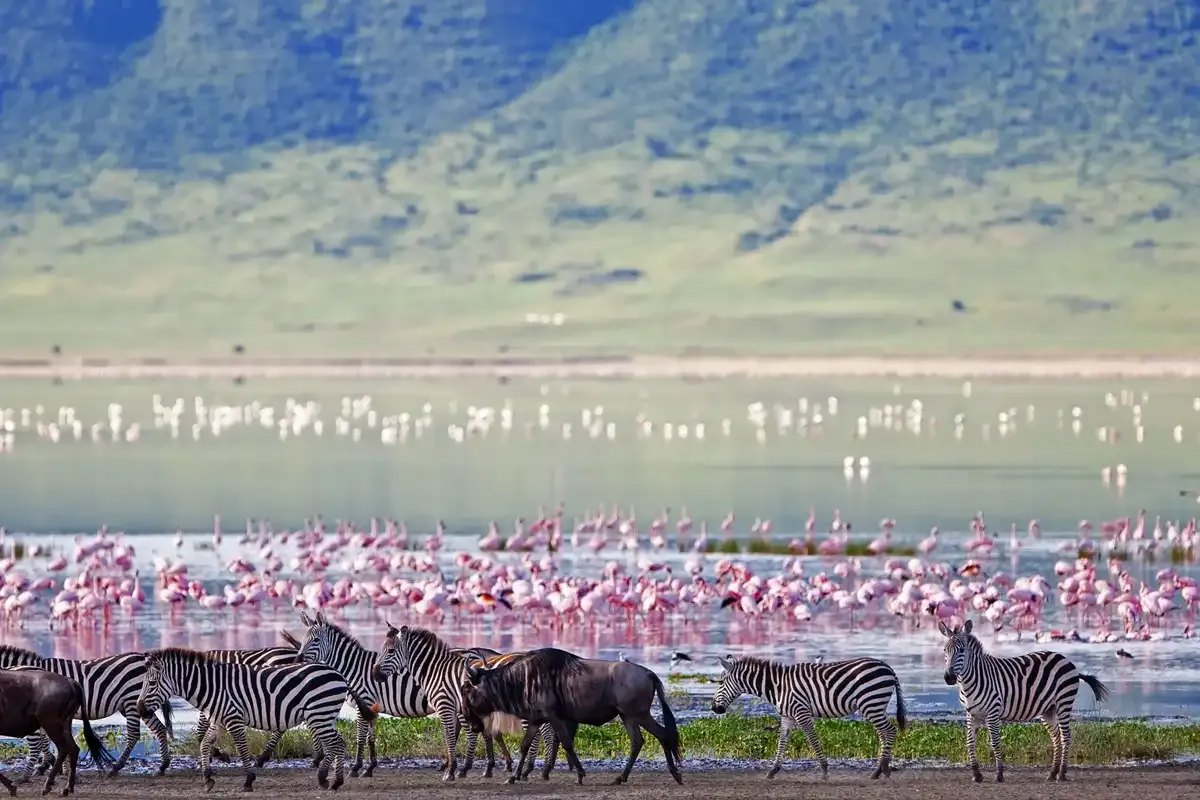
Paddle quietly across a lake in Arusha National Park, past water birds and giraffes, with Mount Meru rising behind you.
Ask us anything. We will reply by email with ideas for your trip.