Nobody plans to need a rescue on Kilimanjaro. But understanding how the mountain’s rescue system works — and what happens if something goes wrong — is one of the most important things you can do before you climb. At Northern MasaiLand Safaris, we believe informed climbers are safer climbers. This guide covers everything: how rescues work, what they cost, who carries them out, and exactly how we prepare every client before they set foot on the mountain.
Does Kilimanjaro Have a Rescue Service?
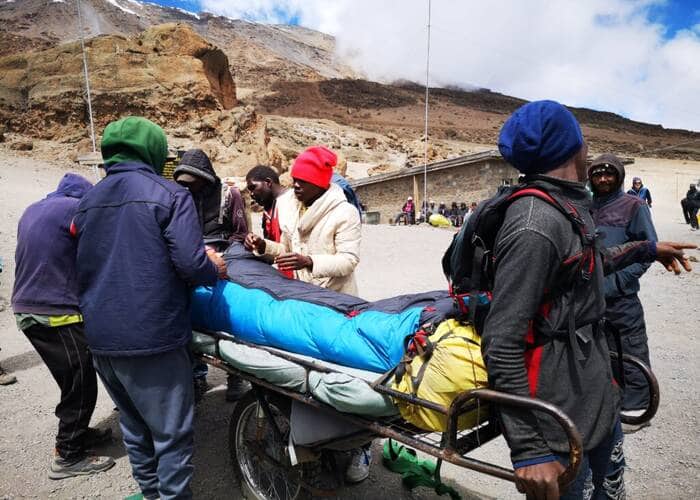
Yes — but it works very differently from what most people imagine. There is no permanent helicopter rescue service on standby at Kilimanjaro the way you might find at European alpine resorts or Himalayan base camps. The mountain’s rescue system is ground-based, managed by the Kilimanjaro National Park Authority (KINAPA), and relies heavily on the mountain crew — guides and porters — to carry or assist distressed climbers down to lower elevations and eventually to the gate.
KINAPA maintains a rescue team at the park headquarters and can deploy personnel to assist with serious emergencies. There is also a stretcher system in place on most routes, and designated rescue huts at several camps. However, the most critical first response always comes from your guiding team on the mountain — which is why the quality, training, and certification of your guides matters enormously.
The honest truth: On Kilimanjaro, your guide is your first responder. Their ability to recognise altitude sickness, make the right call at the right moment, and manage a descent safely is the single most important safety factor on the mountain. This is one of the key reasons we only work with KINAPA-certified, experienced guides. Learn more about how we run our climbs.
The Most Common Reasons for Evacuation on Kilimanjaro
The vast majority of Kilimanjaro evacuations are related to altitude — specifically Acute Mountain Sickness (AMS) and its more severe progressions. Here are the most common medical reasons a climber may need to descend or be evacuated:
- Acute Mountain Sickness (AMS): Headache, nausea, dizziness, and fatigue that does not improve with rest and hydration. The standard treatment is immediate descent.
- High Altitude Pulmonary Oedema (HAPE): Fluid buildup in the lungs. A serious and potentially fatal condition that requires urgent descent and medical treatment. Symptoms include breathlessness at rest, a persistent cough, and extreme fatigue.
- High Altitude Cerebral Oedema (HACE): Fluid on the brain — the most dangerous altitude condition. Symptoms include severe headache, loss of coordination, confusion, and eventually unconsciousness. Requires immediate descent and evacuation.
- Hypothermia: Most common on summit night, when temperatures can drop to −20°C and wind chill makes conditions far colder. Inadequate gear is the primary cause.
- Falls and injuries: Twisted ankles and falls on the scree descent from the summit are relatively common. Serious falls are rare but do occur, particularly on the Western Breach Route.
- Pre-existing conditions: Undisclosed or unmanaged health conditions — particularly cardiovascular issues — that become apparent under altitude stress.
Understanding these risks before you go is part of what we cover in our pre-departure briefings. Our Tanzania travel safety guide gives a broader overview of staying safe in Tanzania.
How a Kilimanjaro Rescue Actually Works
When a climber becomes distressed on the mountain, the response follows a clear sequence. Here is how it typically unfolds:
Step 1 — Guide Assessment
Your lead guide will assess the climber’s condition using pulse oximetry (blood oxygen monitoring), symptom evaluation, and altitude sickness scoring. At Northern MasaiLand Safaris, every guide carries a pulse oximeter and checks every climber’s readings at camp each morning and evening. This monitoring is non-negotiable on all our climbs.
Step 2 — Decision to Descend
If symptoms are serious, the guide will make the call to descend — immediately, regardless of how close the climber is to the summit. No summit is worth a life. Descent of even 300–500 metres can produce a dramatic improvement in symptoms within minutes. Our guides are empowered to make this call without pressure from the client or the operator.
Step 3 — Assisted or Stretcher Descent
Depending on the severity of the situation, the climber will either walk down assisted by guides and porters, be supported between two crew members, or be placed on a wheeled rescue stretcher (a “Piggyback” or “Cascade” rescue device) for a rapid descent. KINAPA rescue stretchers are stationed at key camps on most routes.
Step 4 — Emergency Oxygen
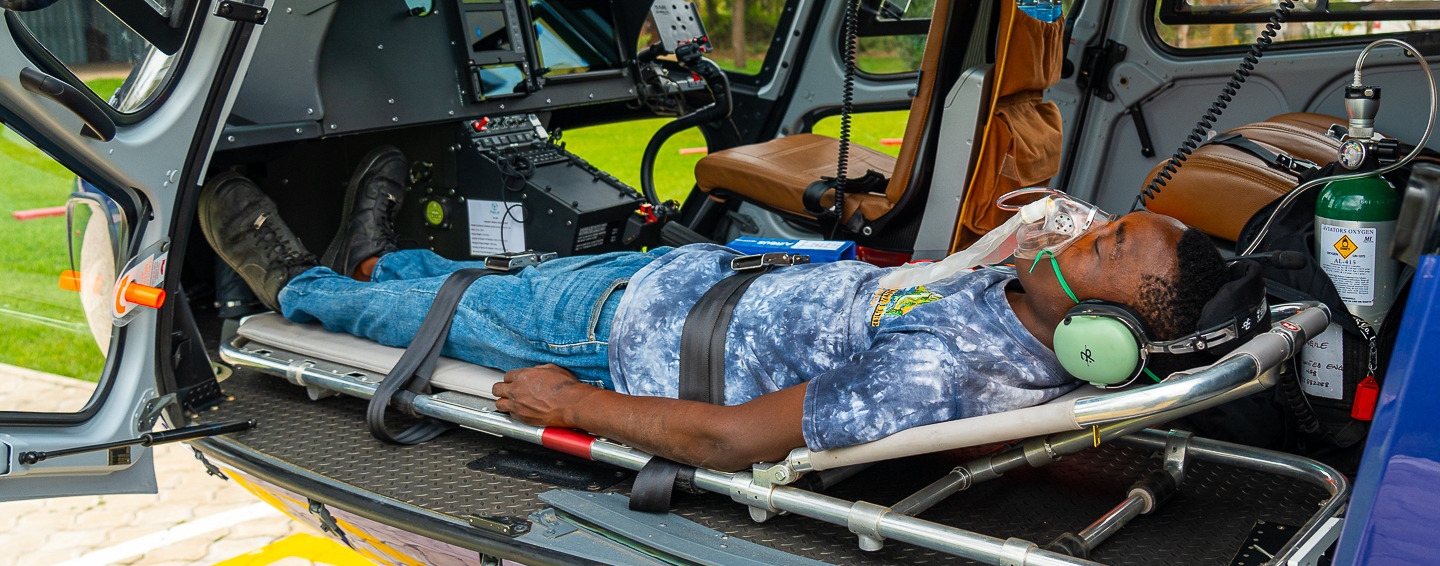
All Northern MasaiLand Safaris climbing teams carry emergency oxygen cylinders. If HACE or HAPE is suspected, supplemental oxygen is administered during descent. This can be critical in buying time before the climber reaches lower altitude.
Step 5 — Park Gate and Medical Handover
Once the climber reaches the gate, they are assessed by park medical personnel and, if necessary, transported by vehicle to the Kilimanjaro Christian Medical Centre (KCMC) in Moshi — the nearest hospital with the capability to treat serious altitude-related conditions.
Step 6 — Helicopter Evacuation (If Required)
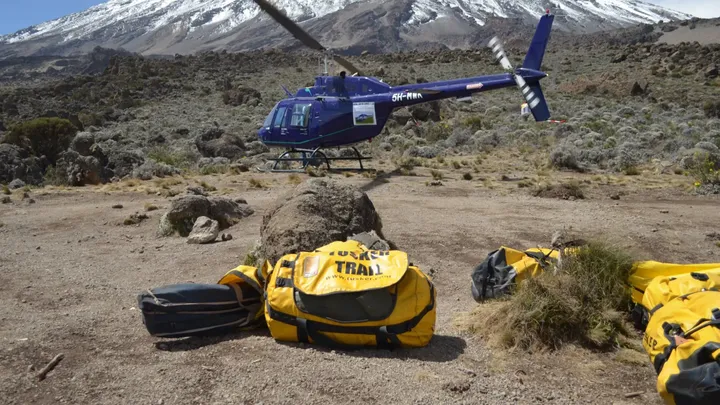
Helicopter evacuations from Kilimanjaro are possible but not routine. They are used in the most severe cases — typically HACE, HAPE, or serious trauma — and are coordinated through KINAPA and the relevant insurance provider. The cost of a medical helicopter evacuation in Tanzania can run to $10,000–$25,000 USD or more. This is precisely why travel insurance with helicopter evacuation cover is not optional — it is essential.
The Cost of a Kilimanjaro Rescue — and Why Insurance Is Non-Negotiable
This is the part of the conversation that nobody wants to have, but everyone needs to hear. A Kilimanjaro rescue — particularly one involving helicopter evacuation and hospital treatment — can be extraordinarily expensive:
| Type of Rescue / Treatment | Estimated Cost (USD) |
|---|---|
| Ground evacuation by stretcher to the gate | $300 – $800 |
| KINAPA rescue team deployment fee | $500 – $1,500 |
| Hospital treatment at KCMC Moshi | $500 – $5,000+ |
| Medical helicopter evacuation | $10,000 – $25,000+ |
| Medical repatriation to home country | $20,000 – $80,000+ |
| With comprehensive travel insurance | $0 out of pocket |
Your travel insurance policy must explicitly cover:
- High-altitude trekking above 5,000 metres (5,895m for the summit)
- Emergency medical evacuation including helicopter
- Medical repatriation to your home country
- Trip cancellation or curtailment due to medical emergency
Read the small print carefully. Many standard travel policies exclude trekking above 4,000 or 4,500 metres. Our full Tanzania travel insurance guide explains exactly what to look for and what questions to ask your insurer before you book.
How Northern MasaiLand Safaris Keeps You Safe
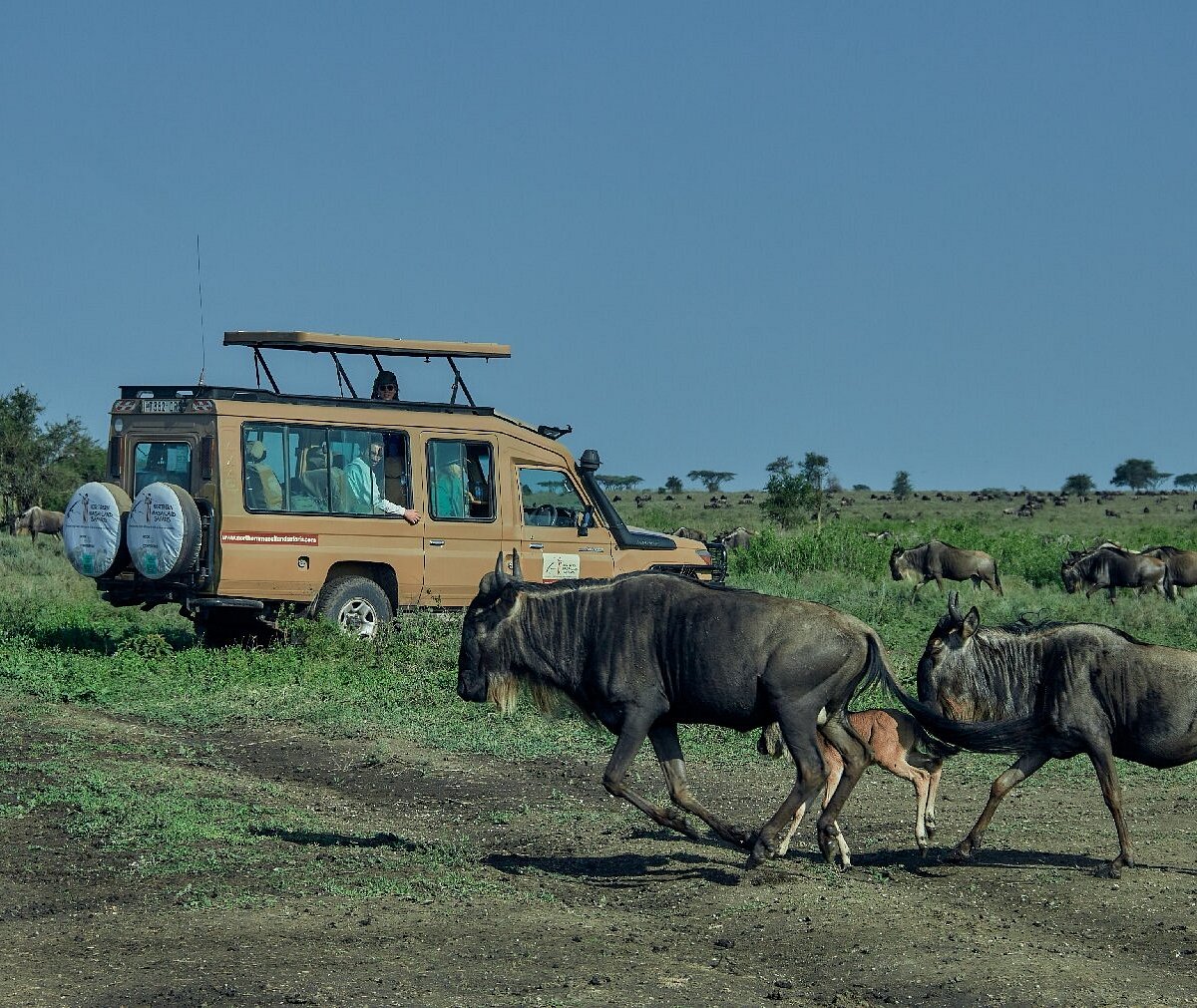
Safety is not a box we tick — it is the foundation of how we operate. Here is what every Northern MasaiLand Safaris climb includes as standard:
- KINAPA-certified guides: All our lead guides hold valid Tanzania National Parks climbing certifications and undergo regular first aid and wilderness medicine refreshers.
- Daily health monitoring: Pulse oximetry readings and symptom checks at every camp, morning and evening. We track each climber’s blood oxygen saturation and heart rate throughout the climb.
- Emergency oxygen: Every team carries supplemental oxygen cylinders — not as a precaution but as a ready-to-deploy medical tool if HAPE or HACE is suspected.
- Crew ratios: We maintain proper guide-to-climber ratios and never overload our teams. A distressed climber needs hands available — not a stretched crew already managing too many people.
- Pre-departure briefing: Every client receives a full briefing before the climb covering altitude sickness recognition, the “pole pole” approach, hydration requirements, and what to expect on summit night.
- Empowered guides: Our guides are trained and supported to make the descent call without client pressure overriding their judgment. The summit is the goal — coming home safely is the mission.
Want to understand our approach in more detail? Visit our FAQs or get in touch directly — we are happy to talk through any concerns before you book.
Choosing the Right Route to Reduce Rescue Risk
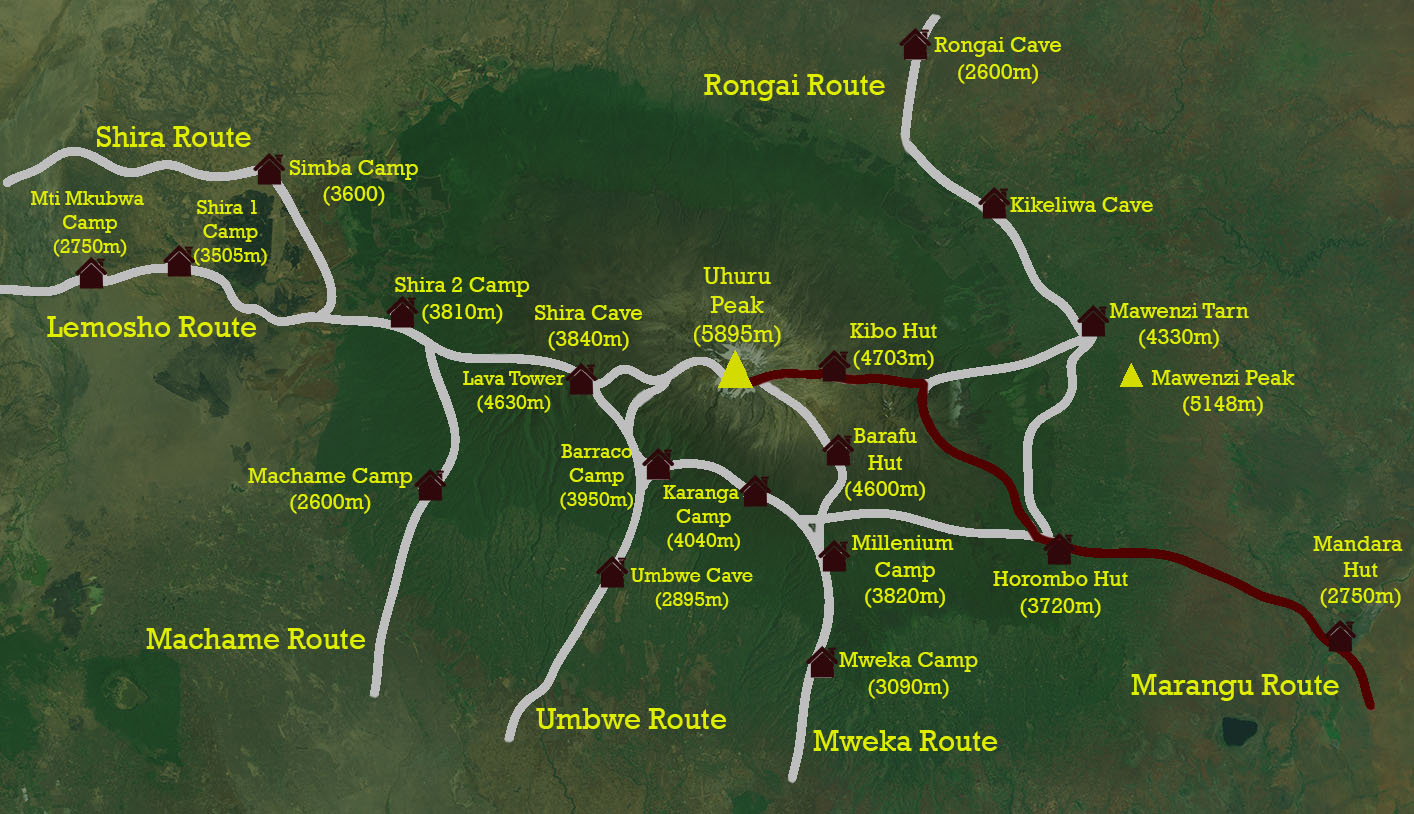
Route selection is one of the most effective ways to reduce your risk of needing a rescue on Kilimanjaro. The fundamental principle is simple: more days on the mountain means better acclimatisation, and better acclimatisation means dramatically lower risk of altitude sickness severe enough to require evacuation.
Here is how our routes compare from a safety and acclimatisation standpoint:
- Lemosho Route (8 days): Our most recommended route for safety. The extended itinerary and “climb high, sleep low” profile give the body maximum time to acclimatise. Highest success and lowest evacuation risk.
- Northern Circuit Route (9 days): The longest route on the mountain — and consequently the one with the best acclimatisation profile of all. Ideal for cautious or first-time high-altitude trekkers.
- Machame Route (7 days): Excellent acclimatisation and very strong success rates. A reliable choice for fit, well-prepared climbers.
- Rongai Route (7 days): Good acclimatisation profile and quieter than Machame. The drier northern approach makes it a sensible choice in shoulder seasons.
- Marangu Route (5–6 days): The shortest commonly used route. Lower success rates and a higher incidence of AMS than the longer options. We recommend the 6-day variation at minimum.
- Umbwe Route (6 days): The steepest and most direct route. Rapid altitude gain increases AMS risk significantly. Not recommended for first-time Kilimanjaro climbers.
Our full route comparison guide covers each option in detail to help you choose the route that best matches your experience level and risk tolerance.
What to Do If You Feel Unwell on the Mountain
If you are on the mountain and experiencing symptoms, these are the rules to live by:
- Tell your guide immediately. Never hide symptoms. AMS caught early is manageable; AMS ignored can become HAPE or HACE within hours.
- Never ascend with a headache. A persistent headache at altitude is AMS until proven otherwise. Rest, hydrate, and inform your guide.
- Descend if symptoms worsen. Loss of coordination, confusion, breathlessness at rest, or a wet cough are emergency signs. Descent must happen immediately — not in the morning, not after one more rest stop.
- Trust your guide over your ambition. Summit fever is real. The desire to push through after weeks of planning is powerful. Your guide’s call overrides it.
- Hydrate constantly. Aim for 3–4 litres of water per day. Dehydration at altitude accelerates AMS and impairs decision-making.
Before You Go: Preparation That Reduces Rescue Risk
The best rescue is the one that never happens. Here is what you can do before you arrive in Tanzania to stack the odds firmly in your favour:
- Get a pre-climb medical check: Consult your doctor at least 4–6 weeks before departure. Discuss altitude trekking, your personal health history, and whether Diamox (acetazolamide) is appropriate for you. See our Tanzania travel requirements page for health documentation guidance.
- Train properly: Long uphill hikes with a loaded pack are the closest simulation to Kilimanjaro. Cardiovascular fitness matters — but so does time on your feet on uneven terrain.
- Pack the right gear: Inadequate clothing is one of the most preventable causes of hypothermia and early turnaround. Our complete packing guide tells you exactly what you need.
- Sort your insurance before you leave home: Once you are at the gate, it is too late. Check your policy covers above 5,000m and includes helicopter evacuation. Our travel insurance guide explains what to look for.
- Choose the right route and duration: We cannot say this enough — more days on the mountain is the single most effective thing you can do to reduce altitude sickness risk. Talk to us about which route fits your timeline.
Frequently Asked Questions About Kilimanjaro Rescue
Is there a helicopter rescue service on Kilimanjaro?
There is no permanently stationed helicopter rescue service. Helicopters can be arranged in serious emergencies through KINAPA and your insurance provider, but they are not on standby. Ground evacuation by stretcher and crew assistance is the primary rescue mechanism. This is why comprehensive travel insurance — including helicopter evacuation cover — is essential before you climb.
Who pays for a Kilimanjaro rescue?
The climber is responsible for all rescue and medical costs unless covered by travel insurance. KINAPA charges fees for deploying rescue personnel, and hospital treatment, helicopter evacuation, and repatriation costs can run into tens of thousands of dollars. Never climb without valid insurance that explicitly covers high-altitude trekking. Read our Tanzania travel insurance guide for the details.
What happens if I have to turn back — can I get a refund?
Park fees, guide fees, and crew wages are non-refundable once the climb has commenced — this is a KINAPA and industry-wide policy. However, a good travel insurance policy should cover trip curtailment costs. Contact us before you book and we will explain our cancellation and curtailment policy clearly.
Are porters insured on Kilimanjaro?
Reputable operators — including Northern MasaiLand Safaris — carry mandatory crew insurance as required by KINAPA. This covers mountain crew in the event of injury or illness on the climb. When you book with an ethical operator, part of what you are paying for is the assurance that the people carrying your gear and keeping you safe are also protected. See our FAQs for more detail on crew welfare.
Can I climb Kilimanjaro if I have a heart condition or other health issue?
Some pre-existing conditions do not preclude a Kilimanjaro climb, but many require careful assessment. Always consult a physician experienced in altitude medicine well in advance of your trip. Our team can also discuss your specific situation and recommend routes and pacing strategies accordingly. Get in touch with us here.
Climb Confidently — We Have You Covered
Kilimanjaro is a safe mountain when climbed correctly, with the right team, the right preparation, and the right respect for what altitude does to the human body. The risks are real, but they are manageable — and the vast majority of climbers who come prepared, go slowly, and listen to their guides reach Uhuru Peak and come home safely.
At Northern MasaiLand Safaris, safety is not a feature we advertise — it is the way we operate. From your first enquiry to your summit certificate, we are with you every step of the way.
👉 Explore all Kilimanjaro routes
👉 Start planning your climb
👉 Talk to our team before you book