The Maasai People: Culture, Traditions and Life Today
Who the Maasai are, how cattle shape every part of life, what the red shukas and beadwork mean, and how families balance tradition and change today.
Drive anywhere in northern Tanzania and you will meet the Maasai: tall herders in red and blue shukas walking with their cattle across the plains, women in bright beadwork, children with goats beside the road. They are among the best-known peoples of Africa, and their land includes many of the parks and conservation areas you visit on safari. Our own company takes its name from Maasailand.
This is a short introduction to who the Maasai are, how they live, and how to meet them respectfully.
Who are the Maasai?
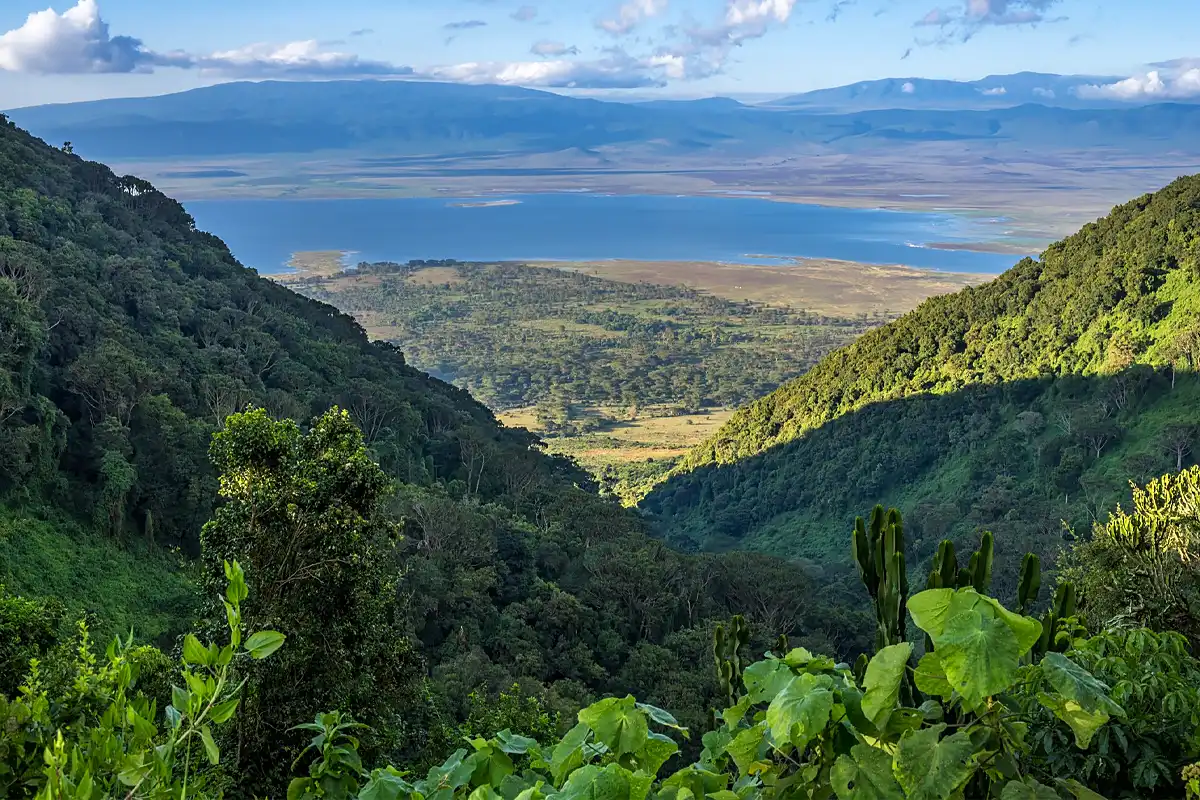
The Maasai are a Nilotic people living in northern Tanzania and southern Kenya. They speak Maa, and many also speak Swahili and sometimes English. Traditionally semi-nomadic pastoralists, they moved with their herds in search of water and grass, across a land that stretches from the Rift Valley to the Serengeti.
Cattle at the centre of life
For the Maasai, cattle are far more than animals. They are food (milk, and on special occasions meat and blood), wealth, status and a link between families through bride-wealth. A common greeting asks after the health of your cattle and your children. Many Maasai believe that Engai, their god, gave all cattle to the Maasai.
The boma (homestead)
A family lives in a boma: a circle of low houses surrounded by a fence of thorny branches that keeps the cattle safe at night. The houses are built by the women from a frame of wooden poles, filled with mud, sticks, grass and cow dung. Inside they are small, dark and cool, with a fire for cooking.
Age sets: from boy to elder
Maasai society is organised by age. Boys become young men through ceremonies and enter the stage of moran, often called warriors, who traditionally protected the community and its cattle. Later they become elders, who make decisions for the community. Each age set shares responsibilities and close friendship for life.
Dress and beadwork
The red shuka (a cloth wrapped around the body) is the most famous Maasai garment, though blue, purple and checked patterns are common too. Women, and also men, wear intricate beadwork: necklaces, collars, earrings and bracelets. Colours and patterns can say something about age, marital status and identity.
Songs and the adumu
At ceremonies, Maasai men perform the adumu, the famous jumping dance in which young men jump high from a standing position while others sing in deep, rhythmic voices. On a village visit, families often welcome guests with songs and dances.
Maasai life today
Life is changing fast. Many children go to school, many Maasai now combine herding with farming, business or jobs in towns and tourism, and mobile phones are common even in remote bomas. At the same time, families face pressure on land and water, droughts and the challenge of living beside wildlife. Many work hard to keep their language, ceremonies and values while adapting to the modern world.
Visiting the Maasai respectfully
A visit to a Maasai boma is one of the most memorable parts of a safari when it is done well. Please:
- Go with a local guide who knows the family and explains the customs.
- Ask before taking photos, especially of women and children.
- Do not give money or sweets to children.
- Buy crafts directly from the makers if you like them.
- See it as an exchange: ask questions and share a little of your own life.
Read more on our Maasai village visit page, see the Mto wa Mbu & Maasai Cultural Day Tour, or our cultural safaris.
Maasai and wildlife
For centuries, the Maasai have shared their land with wildlife. Because they traditionally ate little wild meat, large animals could live alongside their herds. Today, the Ngorongoro Conservation Area is one of the few places where people, cattle and wildlife share the same landscape under one management. This brings real challenges: lions may attack livestock, elephants damage crops, and land and grazing are under pressure. Many conservation projects now work with Maasai communities so that wildlife becomes a benefit rather than a threat.
Food and daily routine
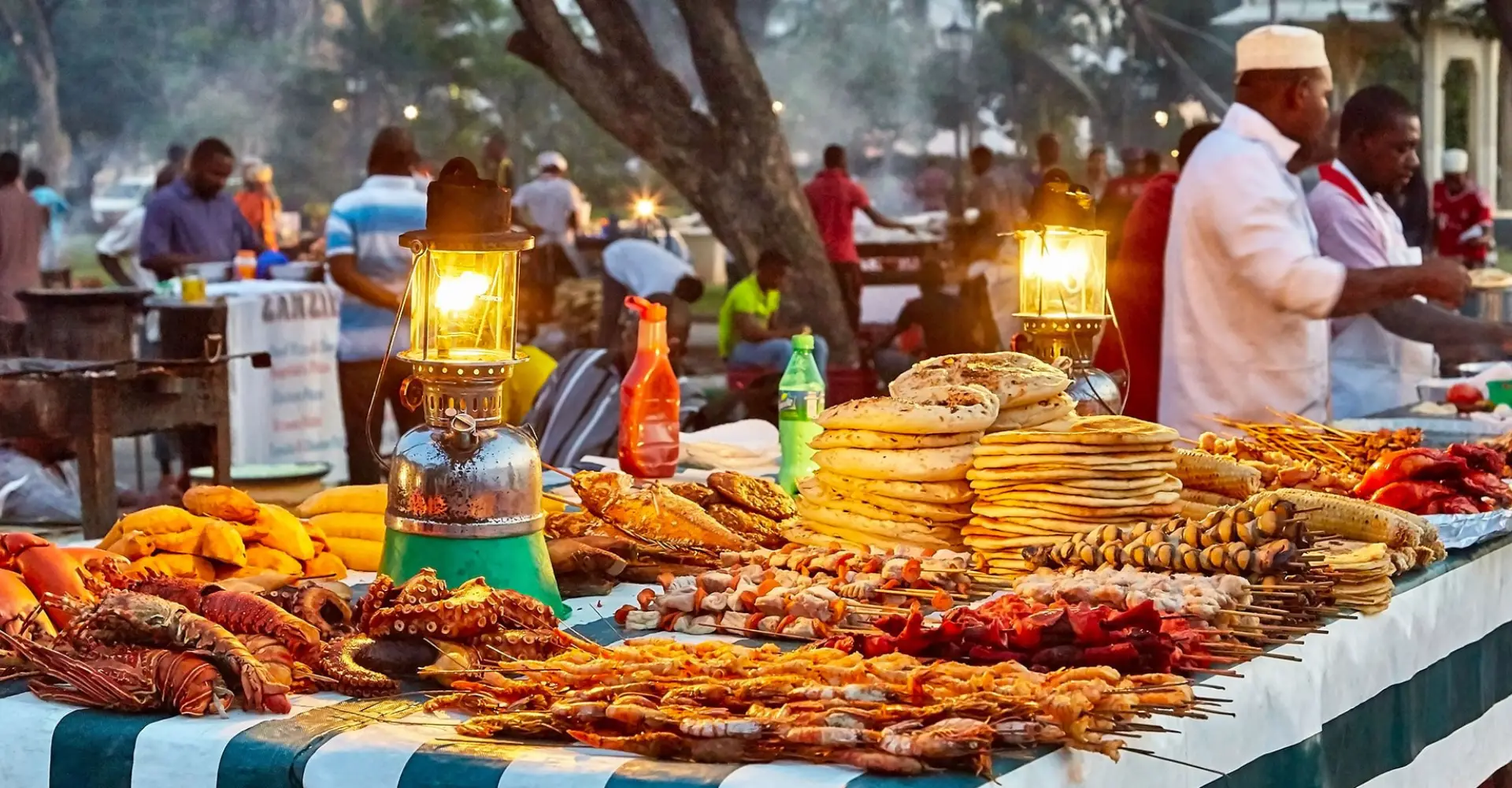
Traditionally, the Maasai diet was based on milk, meat and sometimes blood from their cattle, with maize, beans and other foods becoming more common today. Women milk the cattle in the morning and evening, fetch water and firewood, and look after the home and children. Young boys herd goats and calves near the boma, while older boys and young men take the cattle further out to find grazing and water.
Where to meet the Maasai on your safari
- In the Ngorongoro highlands on the way to the crater or the Serengeti.
- Around Lake Natron, where life is harsher and more traditional.
- Near Tarangire and Mto wa Mbu, often combined with a cultural walk.
Ceremonies and milestones
Maasai life is marked by ceremonies that move people from one stage of life to the next: from childhood to the warrior age set, from warrior to elder, and important family events such as marriage. Many of these ceremonies involve the whole community, with songs, dancing and the sharing of food. Some are private and not open to visitors. If you are invited to a celebration, it is a special privilege; follow your host's guidance on photos and behaviour.
Maasai words to know
A few words in Maa or Swahili go a long way:
- Sopa (Maa): a common greeting.
- Jambo or Habari (Swahili): hello / how are you.
- Ashe oleng (Maa): thank you very much.
- Asante sana (Swahili): thank you very much.
Read more in our Swahili phrases guide.
Frequently asked questions
Where do the Maasai live?
In northern Tanzania and southern Kenya, including the areas around the Ngorongoro Crater, the Serengeti, Lake Natron and the Maasai Mara.
What language do the Maasai speak?
Maa. Many also speak Swahili, and some speak English.
Why do the Maasai wear red?
The red shuka is the best-known Maasai garment. Red is a traditional colour, though many other colours and patterns are worn today.
Can I visit a Maasai village on safari?
Yes. A visit to a Maasai boma is easy to add to most northern safaris, usually near the Ngorongoro Crater or Lake Natron.
Is visiting a Maasai village ethical?
It can be, when the visit is arranged with the family, the fees go to the community, and visitors behave respectfully.
Do the Maasai still live traditionally?
Many families keep cattle and live in bomas, while also going to school, farming, running businesses or working in towns. Life combines tradition and change.
What is the adumu?
The jumping dance performed by young Maasai men at ceremonies, while others sing in deep, rhythmic voices.
Can I buy Maasai beadwork?
Yes. Buying directly from the women who make it, for example during a village visit, supports their families.
Are the Maasai the only people in northern Tanzania?
No. Northern Tanzania is home to many communities, including the Iraqw, the Chagga, the Arusha, the Hadzabe and the Datoga, among others.
How can I support Maasai communities?
Buy crafts directly from the makers, choose visits that share their fees with the community, and ask us about local projects such as schools.
Do Maasai children go to school?
Many do. Schooling has become much more common, and many families balance education with herding and household work.