Your gear will not get you to the summit of Kilimanjaro. But the wrong gear can absolutely stop you from reaching it. Wet feet from leaking boots, a sleeping bag that cannot handle minus temperatures, or a cotton base layer that soaks with sweat and stays cold — these are not minor inconveniences at 5,000 metres. They are genuine health and safety concerns.
This guide is built from the collective experience of our guides at Northern Masailand Safaris — people who have watched thousands of climbers arrive at the gate, seen what works, and seen what fails. We have written it to be honest, specific, and practical. You will not find vague suggestions here. You will find exactly what to bring, why it matters, and where you can make smart compromises.
A Note on Weight: Your main duffel bag — carried by your Kilimanjaro porter — has a maximum weight limit of 15 kg. This is a firm rule, not a guideline. It protects the porters who carry your bag and ensures the whole team moves at the right pace. Pack with this limit in mind from the start.
How Gear Works on Kilimanjaro
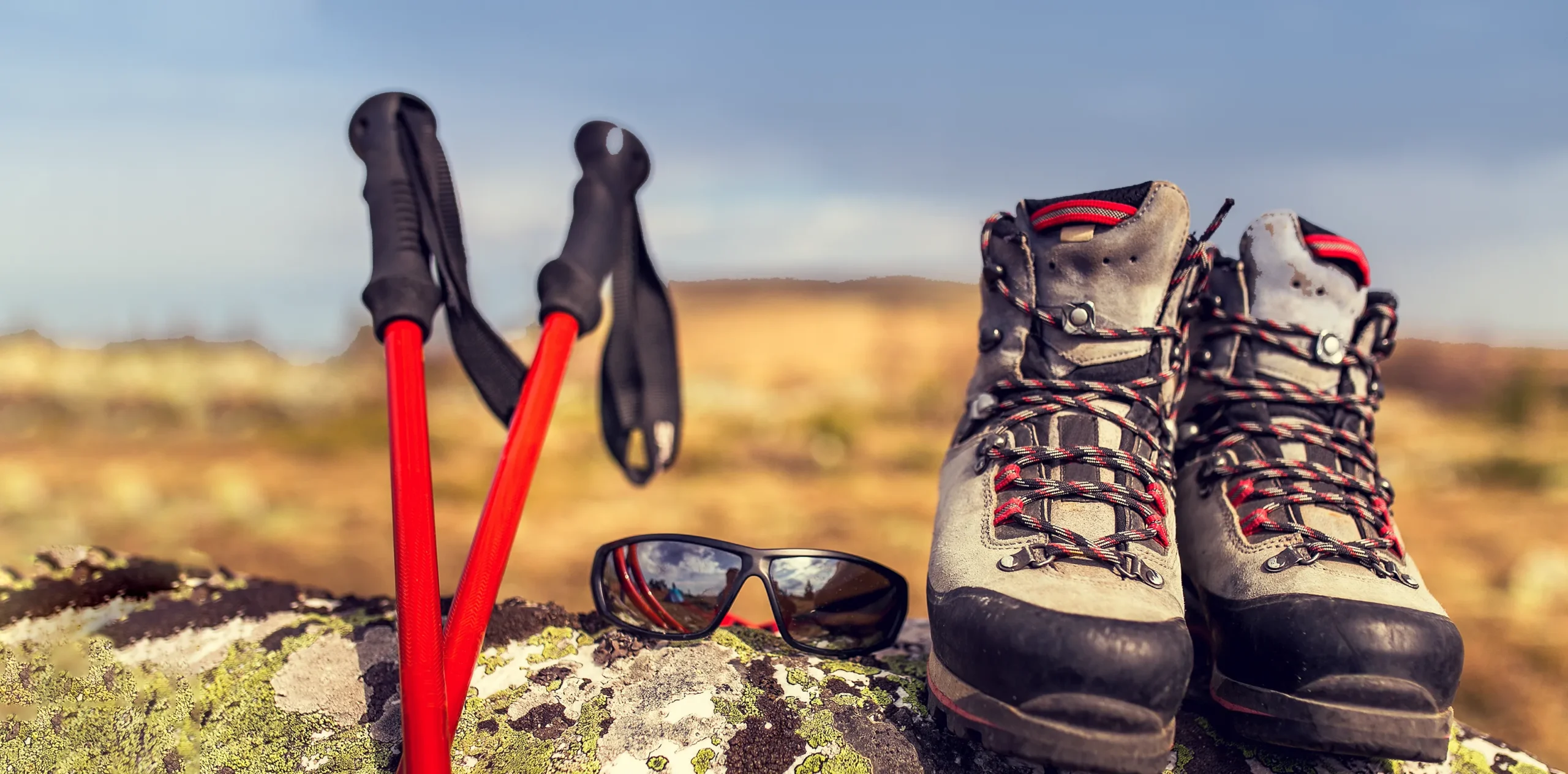
Kilimanjaro passes through five distinct ecological zones on the way from the gate to the summit. You begin in dense tropical rainforest at around 1,800 metres — humid, warm, and occasionally wet — and finish at the Arctic summit zone at 5,895 metres, where temperatures can drop to minus 20°C on summit night and wind chill makes it feel colder still.
This range is extraordinary and it is what makes Kilimanjaro packing genuinely challenging. You need gear that handles equatorial heat at the start and sub-Arctic cold at the top — and everything in between. The solution is a disciplined layering system, not simply packing more clothes.
Understanding the temperature ranges at each camp is the single most useful thing you can do before you start packing. We strongly recommend reading that guide alongside this one.
Two bags, two purposes
You will carry two bags on Kilimanjaro. Your main duffel bag (maximum 15 kg) is carried by a porter between camps and contains everything you do not need during the hiking day. Your daypack (approximately 20–30 litres) stays on your back during each day’s hike and contains everything you need immediate access to — water, snacks, a warm layer, rain gear, sunscreen, and your camera.
Packing discipline — knowing what goes in which bag — is as important as having the right gear in the first place.
The Layering System Explained
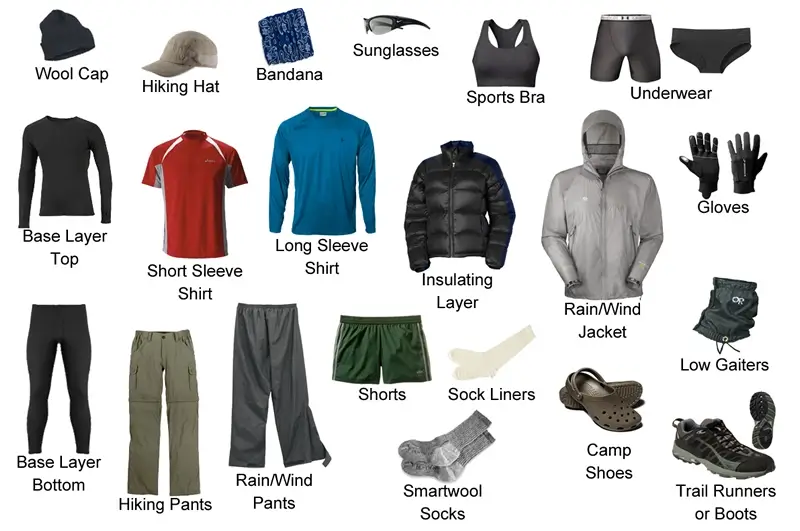
The layering system is the foundation of dressing for variable mountain conditions. It consists of three layers, each with a specific job, that can be added or removed as conditions change throughout the day.
Base layer — moisture management
The base layer sits against your skin. Its job is to move (wick) sweat away from your body and dry quickly. This is non-negotiable: cotton kills at altitude. Cotton absorbs moisture and stays wet, drawing heat away from your body. On a warm day in the rainforest zone this is uncomfortable. On summit night it is dangerous. Every base layer on Kilimanjaro should be merino wool or synthetic (polyester). No exceptions.
Mid layer — insulation
The mid layer traps body heat. Fleece is the classic choice — lightweight, warm, and quick-drying. Down is warmer for its weight but loses its insulating properties when wet; synthetic insulation is a safer choice for the lower zones where rain is possible. You will likely need two mid layers: a lighter fleece for hiking days and a heavier insulated jacket for camp evenings and summit night.
Outer layer — weather protection
The outer layer blocks wind and rain. It needs to be both waterproof and breathable — meaning it keeps water out while allowing sweat vapour to escape. A non-breathable waterproof is worse than nothing for active hiking because it traps moisture inside. Look for jackets and trousers with a minimum 10,000 mm hydrostatic head rating and proper taped seams.
Clothing Checklist
Upper body
| Item | Quantity | Notes |
|---|---|---|
| Merino wool or synthetic base layer (long sleeve) | 2 | No cotton. Merino is more comfortable; synthetic dries faster. |
| Merino wool or synthetic base layer (short sleeve) | 2 | For warmer lower zones and as an inner layer at altitude. |
| Lightweight fleece or mid-layer top | 1 | For hiking days when temperatures drop. |
| Heavyweight fleece or insulated jacket | 1 | Essential for evenings at camp and summit night. Down or synthetic fill. |
| Waterproof shell jacket (hardshell) | 1 | Waterproof and breathable. Taped seams. Lives in your daypack every day. |
| Summit down jacket or expedition parka | 1 | For summit night only. This is the warmest layer you own — do not compromise here. |
Lower body
| Item | Quantity | Notes |
|---|---|---|
| Moisture-wicking hiking trousers | 2 | Zip-off convertible trousers are practical for the warm lower zones. |
| Thermal base layer leggings | 1–2 | Merino or synthetic. Worn under hiking trousers from around 3,500 m upwards. |
| Waterproof shell trousers (overtrousers) | 1 | Must fit over your hiking trousers and thermals. Full-length zips make putting on easier. |
| Hiking shorts | 1 | Optional but useful in the rainforest and moorland zones on warm days. |
Hands and head
| Item | Quantity | Notes |
|---|---|---|
| Lightweight liner gloves | 1 pair | For hiking at altitude. Also act as a glove liner inside thicker mitts. |
| Heavyweight insulated gloves or mittens | 1 pair | Waterproof and heavily insulated. Essential for summit night. Mittens are warmer than gloves. |
| Warm hat (beanie) | 1–2 | Merino wool or fleece. You will wear this every evening and on summit night. |
| Balaclava or neck gaiter | 1 | Critical for summit night wind chill. A balaclava protects face and neck simultaneously. |
| Sun hat or wide-brim hat | 1 | UV radiation is intense at altitude. Essential during hiking days in the upper zones. |
Socks and underlayers
| Item | Quantity | Notes |
|---|---|---|
| Merino wool hiking socks (medium weight) | 4–5 pairs | Merino resists odour and regulates temperature far better than synthetic. |
| Heavyweight merino socks (for summit night) | 1–2 pairs | Thicker than your regular hiking socks. Ensure your boots still fit comfortably with these on. |
| Moisture-wicking underwear | 4–5 pairs | Merino or synthetic. Cotton underwear causes chafing on long hiking days. |
| Sports bra (if applicable) | 2–3 | Synthetic or merino. Comfort on long days matters more than style. |
Footwear and Foot Care
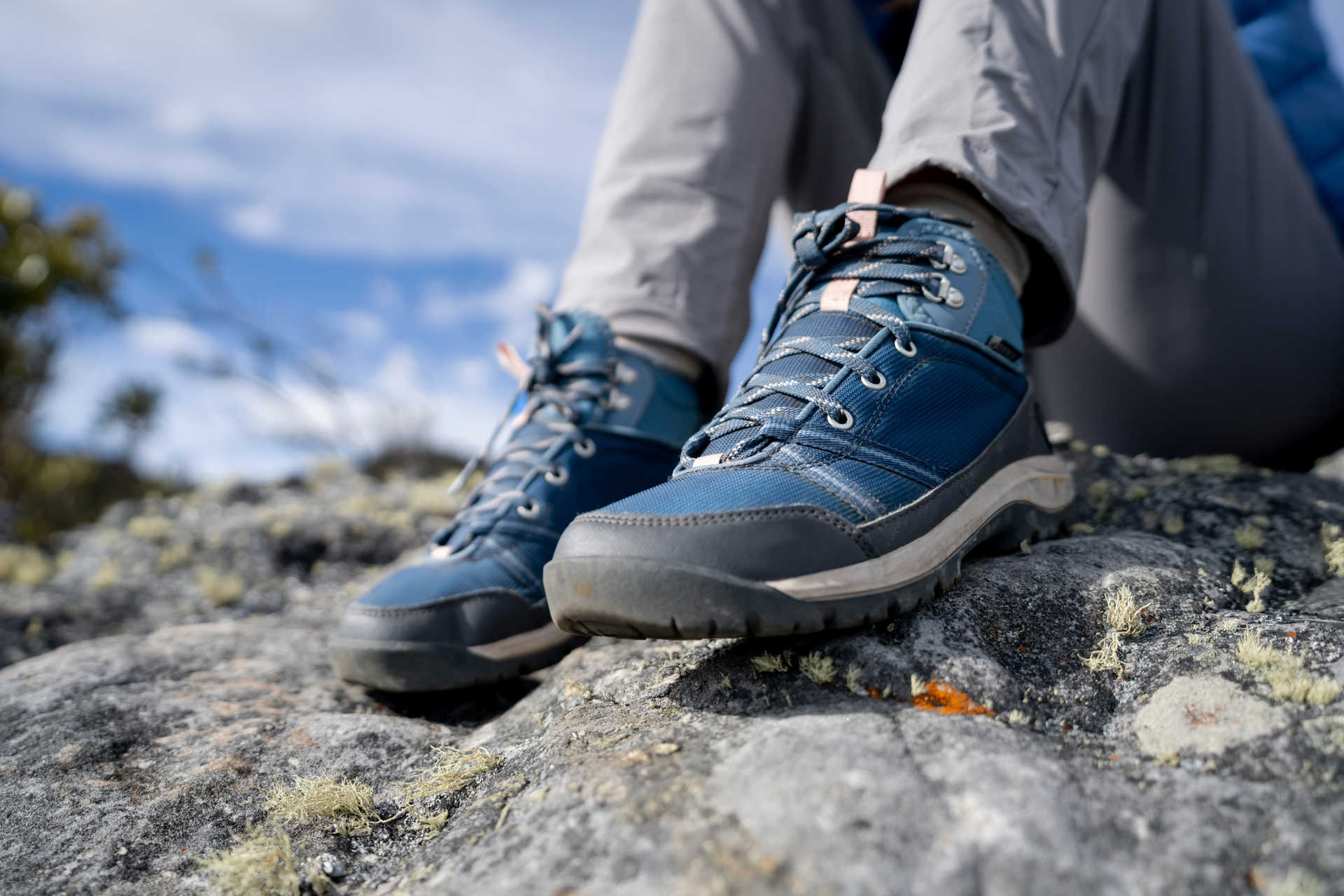
Your boots are the most important piece of gear on this list. Get them wrong and no amount of excellent preparation will save your summit bid. Get them right and your feet will carry you to Uhuru Peak without drama.
Boots
You need a waterproof, ankle-supporting hiking boot with a stiff enough sole to handle rocky, uneven terrain and the cold of summit night. Lightweight trail runners are not appropriate for Kilimanjaro — the ankle support, waterproofing, and thermal protection are insufficient above 4,000 metres.
Specific requirements:
- Full waterproofing — Gore-Tex or equivalent membrane lining
- Ankle support — mid or high-cut boot, not a low-cut trail shoe
- Stiff midsole — flex the boot: it should resist twisting and bending
- Compatible with gaiters — check that your gaiters fit over the boot
- Fully broken in before you arrive — this cannot be overstated
Break In Your Boots: Every year our guides see climbers arrive with brand new boots that have never been worn on a long day. Blisters form by day two, worsen by day four, and by summit night the climber is in genuine distress. Your boots must have at least 4–6 long hiking days in them before you land in Tanzania. See our training guide for how to incorporate this into your preparation.
Camp shoes or sandals
After a long hiking day, your feet need relief. Lightweight sandals (Crocs or similar) or camp shoes are a genuine morale booster at camp and protect your feet from tent-floor cold. Keep them in your main duffel — they have no place in your daypack.
Gaiters
Low gaiters keep scree, pebbles, and mud out of your boots on the upper mountain — particularly on the scree slopes above Barafu and on the summit descent. They are not essential but are highly recommended. Your porter team will appreciate you not tracking half the mountain into your tent.
Foot care kit
- Blister plasters (Compeed or equivalent) — carry more than you think you need
- Moleskin or blister prevention tape
- Small nail scissors or clippers
- Foot powder or anti-chafe balm
Sleeping Gear
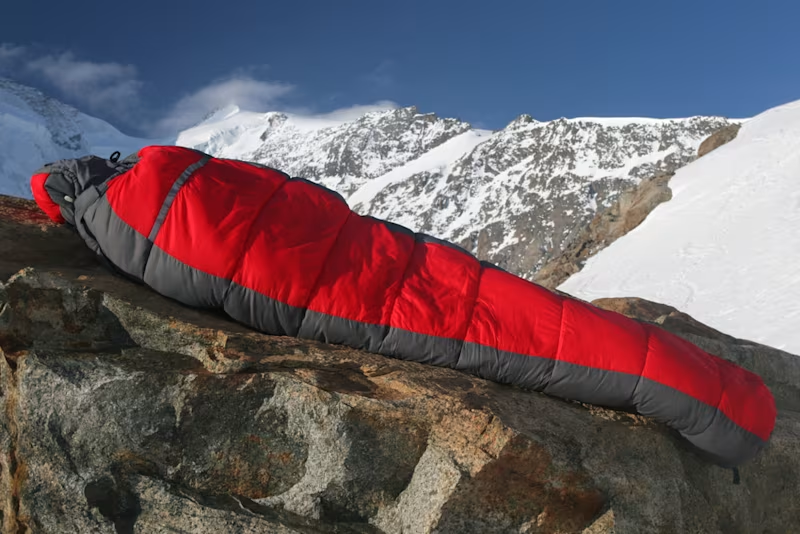
Sleeping bag
This is the second most important item after your boots. Kilimanjaro nights at high altitude are genuinely cold. At Barafu Camp (4,673 m), night temperatures regularly drop to minus 10°C and below. Your sleeping bag needs to be rated for these conditions.
Our recommendation: a sleeping bag with a comfort rating of at least minus 15°C (not the lower limit — the comfort rating). This gives you a genuine margin. A bag rated to 0°C will leave you cold and your sleep will suffer, which worsens altitude sickness symptoms.
- Down fill: warmer for its weight, compresses smaller, more expensive. Excellent if you keep it dry.
- Synthetic fill: retains warmth when slightly damp, more affordable, heavier and bulkier. A practical choice.
If purchasing a sleeping bag for Kilimanjaro is not in your budget, quality sleeping bags are available to hire in Arusha. See the hire section below.
Sleeping bag liner
A silk or merino liner adds 3–5°C of warmth to your sleeping bag, packs small, and keeps your bag clean across multiple nights. It is one of the best value additions to your kit list.
Sleeping mat
Sleeping mats are provided in the tents on all Northern Masailand Safaris climbs. You do not need to bring your own.
Daypack and Main Duffel
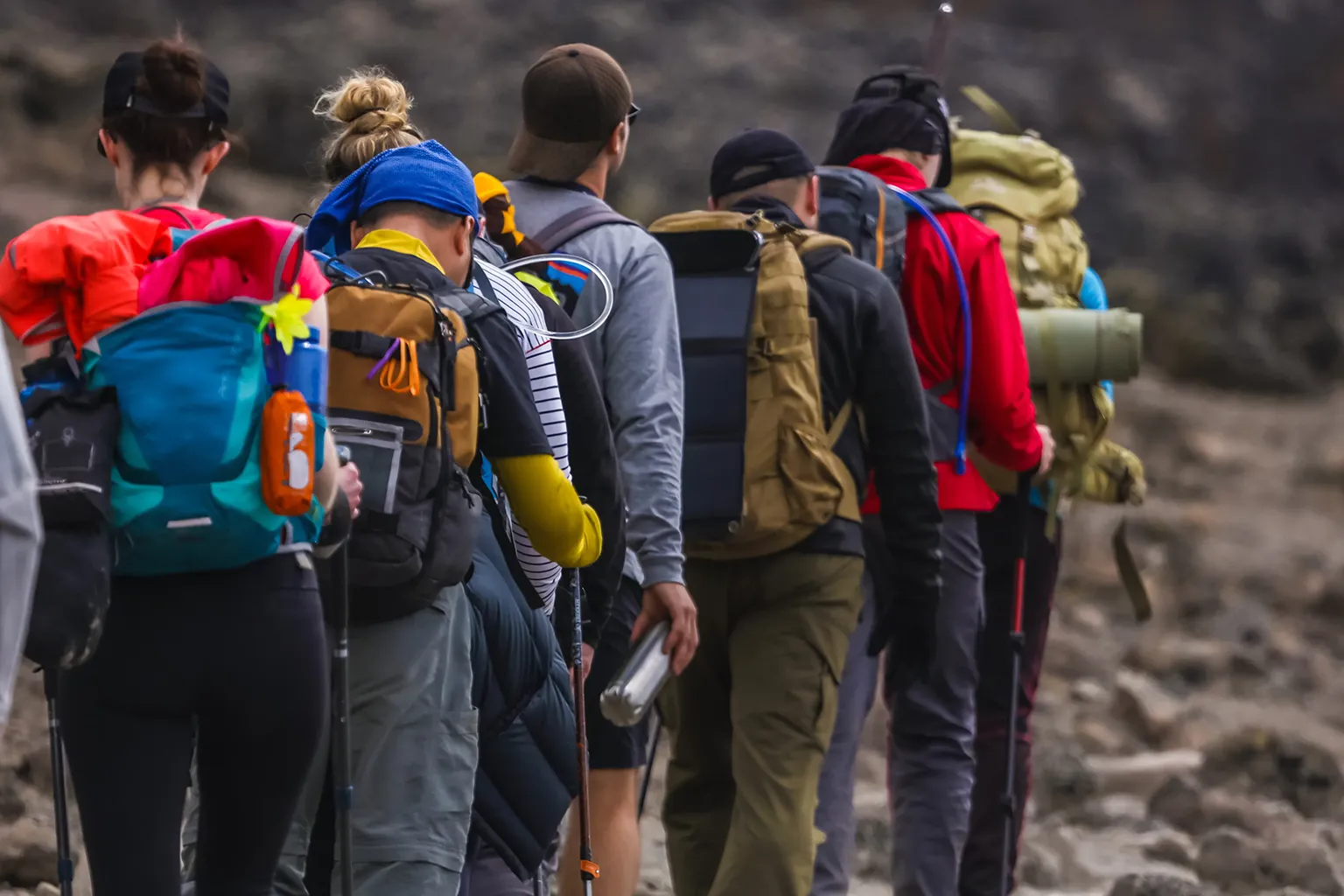
Daypack — 20 to 35 litres
Your daypack is on your back for 4–8 hours every day. Fit and comfort matter enormously. Look for:
- A padded, adjustable hip belt — this transfers weight to your hips, not your shoulders
- An internal hydration sleeve or external water bottle pockets
- A rain cover (built-in or separate)
- Compression straps to stabilise the load as you empty snacks and layers throughout the day
20–25 litres is sufficient for most climbers. 30–35 litres gives more flexibility if you run cold and want to carry extra layers. Do not go larger — a cavernous daypack encourages overpacking, and extra weight on your back across six to nine days accumulates into fatigue.
Main duffel bag — 70 to 90 litres
A duffel, not a backpack. It needs to be robust, with strong zips and handles, and it must be lockable or have lockable zips. The maximum weight is 15 kg — this is enforced. A padded duffel is preferable as porters occasionally need to set bags down on rocks. Waterproofing or a rain cover is highly recommended — even on routes with little rain, morning dew and condensation can dampen an unprotected bag.
Trekking Poles
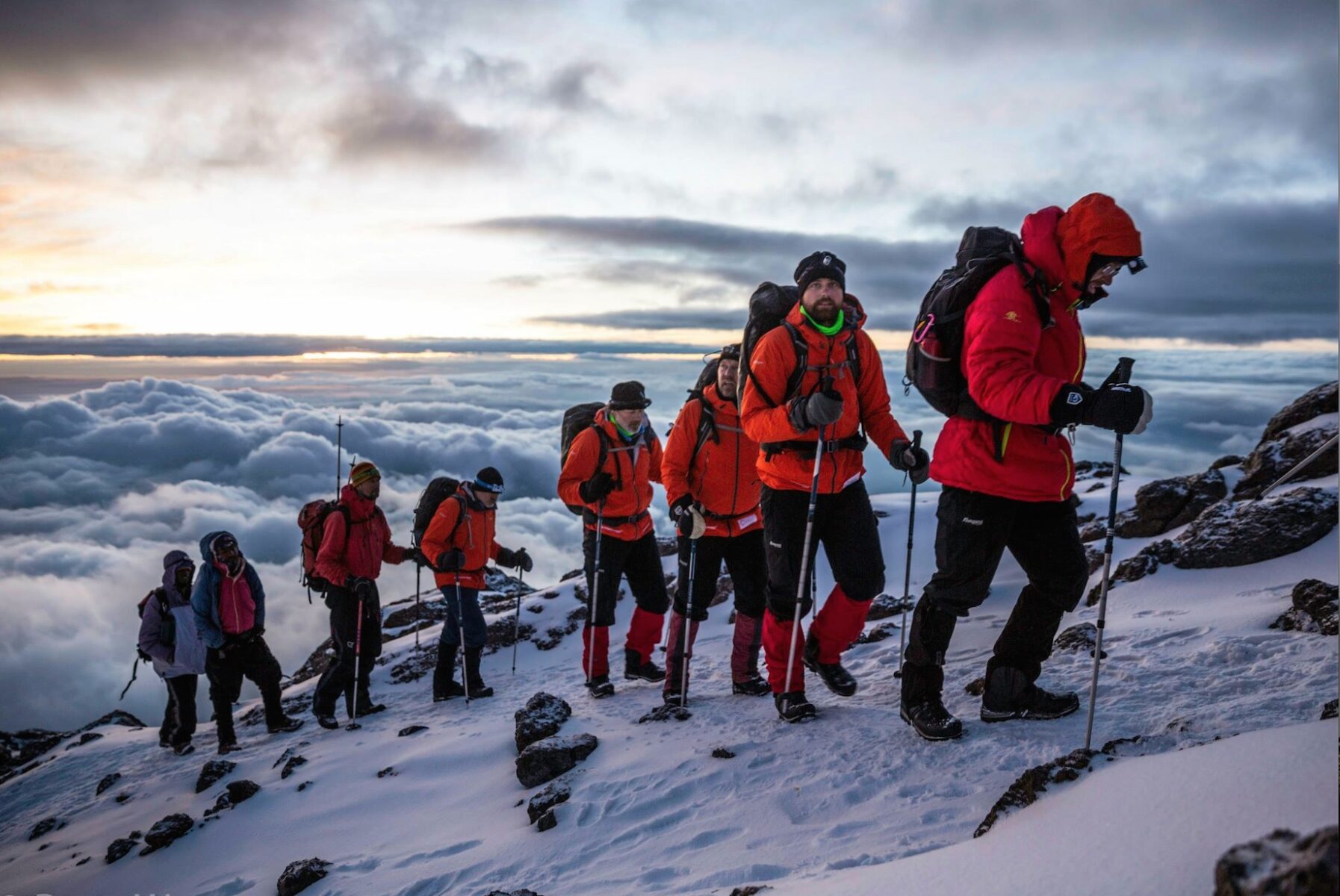
Trekking poles are not mandatory on Kilimanjaro. They are, however, one of the most effective pieces of kit you can bring — and we recommend them to almost every client.
On ascent, poles reduce the load on your legs by distributing effort into your arms and core — measurably reducing cardiovascular strain. On descent, particularly on the steep scree slopes below the crater, they protect your knees by providing braking force with each step. On summit night, they provide a stability reference when fatigue, cold, and altitude affect coordination.
- Collapsible or folding poles are more practical for air travel and pack more easily
- Avoid twist-lock mechanisms — they have a higher failure rate in cold and wet conditions than lever-lock systems
- Rubber tips are better than bare metal tips for rocky volcanic terrain
- Trekking poles are available to hire in Arusha if you do not own a pair
Health and Safety Items
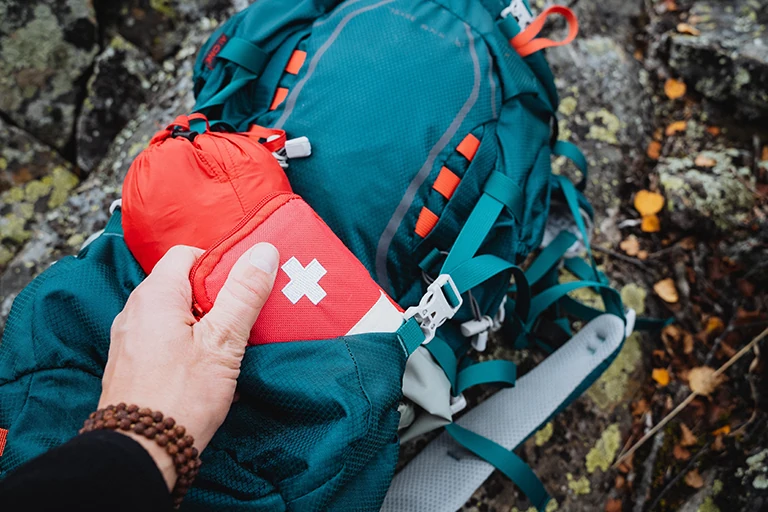
Your Northern Masailand guide team carries a comprehensive emergency medical kit including a pulse oximeter, emergency oxygen, dexamethasone, and a Gamow bag for severe altitude emergencies. However, every climber should carry a personal health kit for day-to-day needs.
Personal medical kit
- Diamox (acetazolamide) if prescribed — see our health and medications guide for dosage and suitability
- Ibuprofen and paracetamol — for headache and general pain management
- Antihistamines — for allergic reactions and as a mild sleep aid at altitude
- Immodium and rehydration sachets — gastrointestinal disruption is common at altitude
- Throat lozenges — the dry air at high altitude is hard on the throat and airways
- Lip balm with SPF — lips crack badly at altitude, compounding discomfort
- Blister treatment — covered in the footwear section above
- Personal prescription medications in quantities sufficient for the full trip plus a buffer
Sun and UV protection
UV radiation at high altitude is intense — significantly more so than at sea level. Snow blindness is a real risk above the snowline. Do not underestimate this.
- Sunscreen — SPF 50 minimum. Reapply every two hours on summit day. Bring more than you think you need.
- Sunglasses — must have UV400 or CE EN ISO 12312-1 certification. Wrap-around style reduces peripheral exposure.
- Glacier glasses or goggles — for summit night and any icy conditions. Optional but recommended for the summit push.
Hygiene and sanitation
- Hand sanitiser — use before every meal. Stomach illnesses compound altitude symptoms severely.
- Biodegradable wet wipes — for personal hygiene between washing opportunities
- Small trowel and biodegradable toilet paper — for off-trail use in the wilderness zones
Electronics and Lighting
Headlamp
Your headlamp is non-negotiable. Summit night begins in complete darkness and you will hike for several hours before dawn. A failed or dim headlamp on summit night is a serious safety issue.
- Minimum 200 lumens — 300+ recommended for summit night
- Red light mode — preserves night vision during dark ascent
- Spare batteries — cold temperatures drain batteries rapidly. Carry two full sets and keep one set inside your sleeping bag at night to maintain charge
- Test your headlamp before departure and replace batteries regardless of charge level
Camera and photography
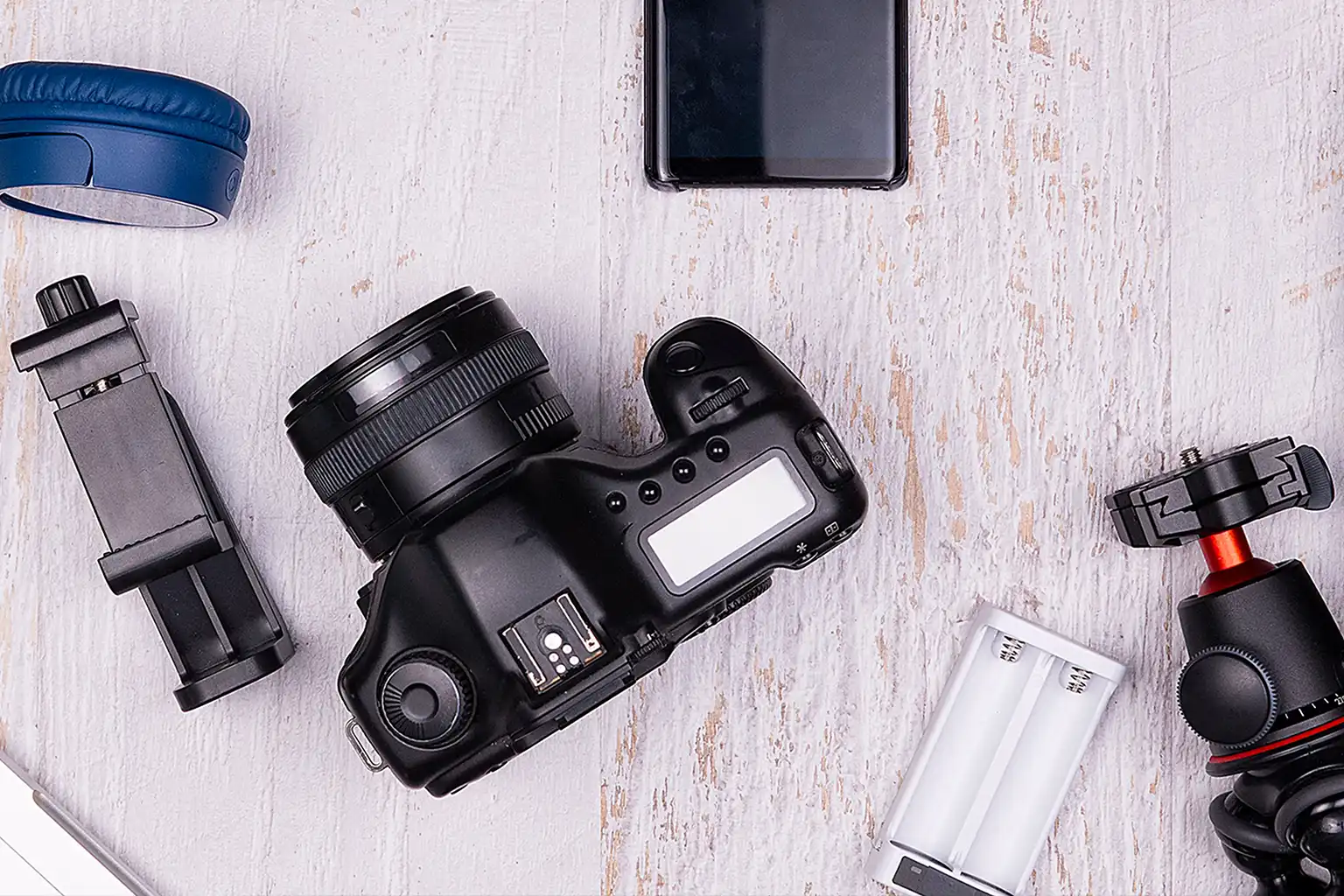
Kilimanjaro offers extraordinary photographic opportunities across all five ecological zones. For photographic preparation, our photographic safari guide covers how to capture African wilderness effectively.
- Camera or smartphone — both work well in the lower zones. Cold temperatures at altitude drain smartphone batteries very rapidly; keep your phone close to your body.
- Spare batteries or a power bank — essential. Charging facilities are not available on the mountain.
- Dry bag or waterproof case for your camera — rain and condensation are constant threats in the lower zones
Power and charging
- Power bank (high capacity — 20,000 mAh recommended) — for charging phone, headlamp batteries, and camera
- Universal travel adapter — for use in your Arusha hotel before the climb
- All charging cables for your devices
Optional electronics
- GPS watch or fitness tracker — useful for tracking elevation gain and heart rate, which can serve as an informal altitude health indicator
- Satellite communicator — for climbers who want off-grid emergency communication capability beyond what the guiding team carries
- Lightweight e-reader — for evenings at camp. Far lighter than physical books for a multi-day expedition.
Toiletries and Personal Care
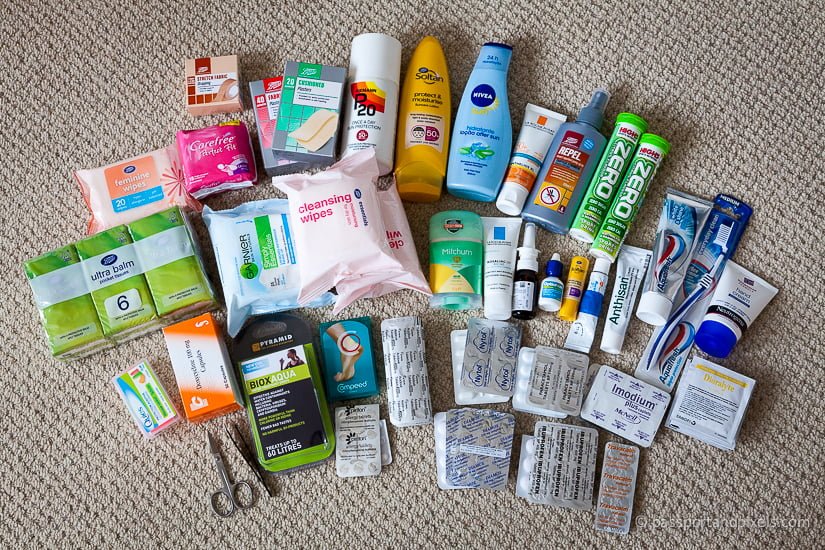
Keep toiletries minimal. Weight in your main duffel should be reserved for warm layers and sleeping gear, not full-size bottles of things available at any pharmacy in Arusha.
- Toothbrush and toothpaste (travel size)
- Biodegradable soap and shampoo — used near water sources, biodegradable formulas are required
- Deodorant (small)
- Toilet paper — camps have basic facilities but supply is not guaranteed
- Small microfibre towel — quick-drying and lightweight
- Menstrual products as needed — waste is packed out, so bring appropriate disposal bags
- Nail clippers
Private Toilet Facilities: Northern Masailand Safaris offers private toilet tents on Kilimanjaro for clients who prefer not to use the shared camp facilities. This is one of those small comfort upgrades that makes a meaningful difference across a 7–9 day climb — ask us about it when planning your trip.
Food, Water, and Hydration
Water
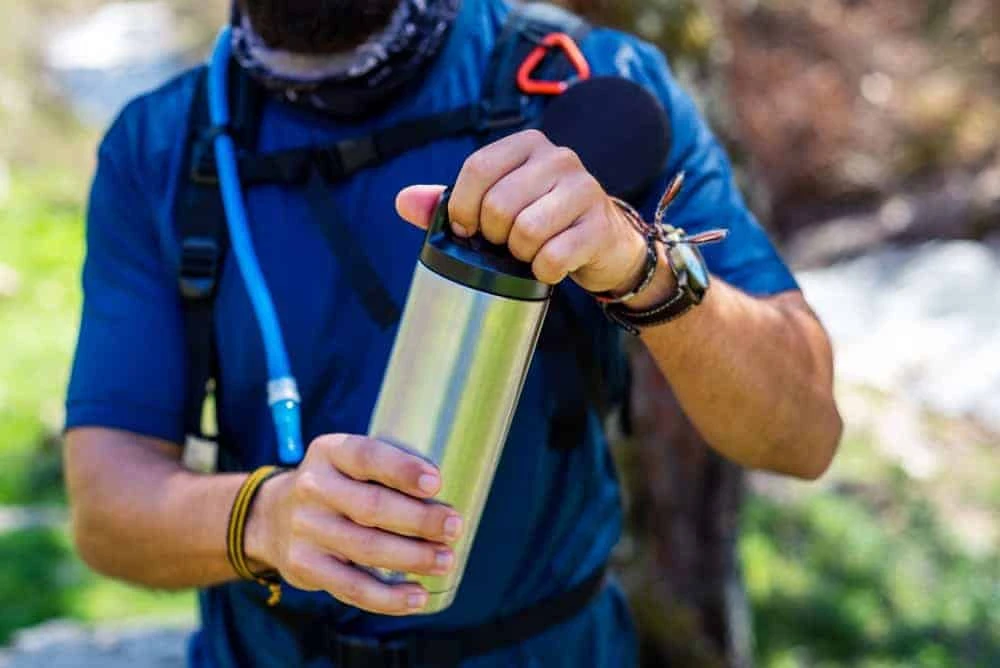
You need to drink 3–4 litres of water per day on Kilimanjaro. Dehydration significantly worsens altitude sickness symptoms and is one of the most common and preventable causes of deterioration on the mountain.
- Hydration bladder (2–3 litre) — keeps water accessible without stopping to open your pack. The drinking tube insulation sleeve is important; at altitude and in cold conditions the tube freezes quickly without it.
- Two insulated water bottles (1 litre each) — as backup and for overnight use. At summit camp, fill them with boiling water before sleep and they double as a sleeping bag heat source.
- Water purification tablets or a filter — clean water is provided at all camps by our team, but purification tablets are a sensible backup for any mountain environment.
Snacks
Appetite suppression is a real altitude symptom. Many climbers find it hard to eat much above 4,000 metres. High-calorie, easy-to-eat snacks that appeal even when your appetite is low are valuable.
- Energy gels and chews
- Nuts and trail mix
- Chocolate and energy bars
- Dried fruit
- Crackers and nut butter sachets
- Electrolyte tablets or powders — add to water to support hydration and replace sodium lost through sweating
Northern Masailand Safaris provides three full cooked meals per day on all Kilimanjaro climbs. Your snack supply is for the hiking day — between meals and on summit night when cooking is not possible.
What to Hire in Arusha
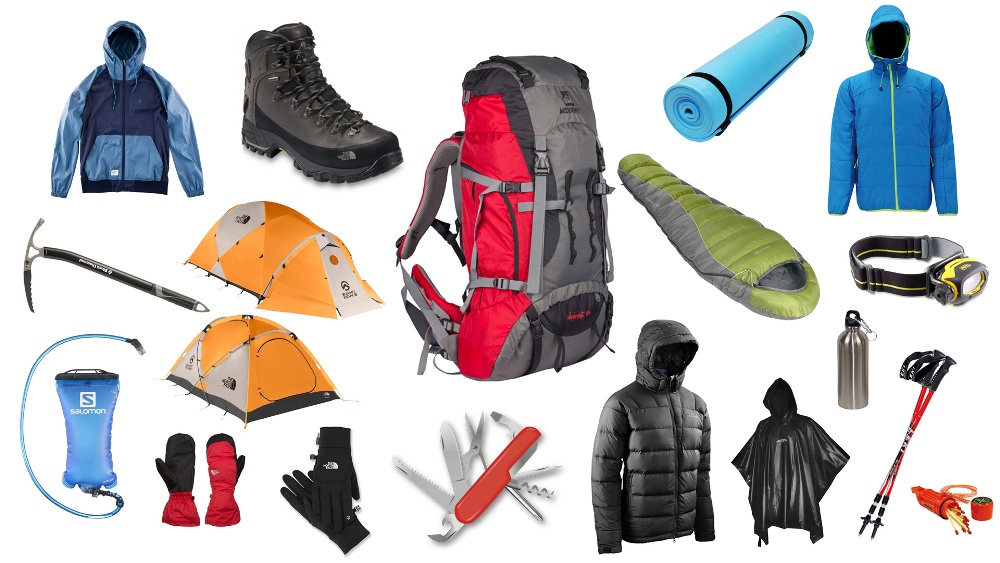
Not everyone needs to purchase every item on this list. Arusha has a well-established gear hire market catering to Kilimanjaro climbers, and the quality of available equipment has improved significantly in recent years. Hiring makes particular sense for large, expensive, infrequently used items.
Good items to hire locally
- Sleeping bag — high-quality down bags rated to minus 15°C are widely available. Hiring saves significant luggage weight and purchase cost.
- Trekking poles — if you do not own poles and are not planning to use them regularly after Kilimanjaro, hiring a pair in Arusha is practical and affordable.
- Gaiters — low-use item that hires well.
- Duffel bag — if yours is undersized or overweight, duffels are available to hire.
Items we recommend you bring from home
- Boots — hire boots are rarely broken in to your foot. This is the one item where personal ownership and proper break-in is non-negotiable.
- Base layers and socks — personal hygiene items that should be your own.
- Headlamp — a critical safety item. Know it works, know its battery life, trust it completely.
- Summit jacket — fit and warmth matter enormously here. A hired jacket that does not seal at the wrists or allows cold air in at the collar is a real problem at minus 20°C.
Northern Masailand Safaris can arrange gear hire in Arusha as part of your pre-climb logistics. Ask us when you contact our team to plan your climb.
What to Leave at Home
Over-packing is as common a problem as under-packing — and the 15 kg duffel limit makes it consequential. These are the items our guides most commonly see climbers carry unnecessarily.
- Jeans or heavy cotton clothing — heavy, slow to dry, cold when wet. Leave every piece of cotton clothing at home.
- Large towels — a small microfibre towel is all you need.
- Full-size toiletries — decant into travel-size containers or buy small sizes in Arusha.
- Too many changes of clothes — you are on a mountain, not a cruise ship. Two to three changes of base layers, washed as needed, is sufficient.
- Hardback books — bring an e-reader or a single paperback.
- Hair dryers or styling tools — there is no power on the mountain.
- Excessive electronics — one camera, one phone, one power bank. Everything else is weight.
- Perfume or heavily scented products — at altitude, strong scents can trigger nausea in yourself and nearby climbers.
- Jewellery or valuables — leave anything you would be distressed to lose in your hotel safe in Arusha.
Gear Questions We Hear Most Often
Can I rent gear in Arusha rather than bringing everything from home?
Yes — see the hire section above. The key items to always bring from home are your boots, headlamp, and personal clothing layers. Everything else can potentially be sourced or hired in Arusha with advance arrangement.
Do I need a specific type of daypack?
Any well-fitting 20–35 litre pack with a hip belt works. The most important thing is that it fits your torso length correctly and distributes weight to your hips. If you are buying new, go to a specialist outdoor retailer and have it fitted properly. A pack that sits on your shoulders rather than your hips will cause back and shoulder pain over a six-hour hiking day.
Is a four-season sleeping bag really necessary?
Yes, for summit camps. At Barafu and Crater Camp, temperatures regularly reach minus 10°C to minus 15°C overnight. A three-season bag rated to 0°C will leave you cold, disrupt your sleep, and worsen any altitude symptoms you are managing. Cold nights at altitude are not the time to economise on sleeping bag quality. If purchasing a four-season bag is not possible, hire one in Arusha.
How warm does it actually get in the lower zones?
The rainforest zone can be warm and humid — 20–25°C during hiking hours is not unusual. The moorland zone is pleasant, typically 10–18°C during the day. From the alpine desert zone (above 4,000 m) onwards, daytime temperatures range from 5–15°C with strong sun, dropping sharply once the sun sets. Our Kilimanjaro temperature guide gives detailed zone-by-zone breakdowns.
What route will I be on and does that affect what I pack?
Route choice affects duration and some conditions — for example, the Rongai Route on the drier northern side sees less rain than the Machame or Lemosho approaches. However, the core gear list remains the same regardless of route. Every climber needs waterproofing, warm layers, and summit-appropriate kit. See our full Kilimanjaro routes guide for a comparison.
Should I bring trekking poles if I have never used them before?
Yes — and start using them during your training hikes before you leave. They take an hour or two to feel natural and make a meaningful difference on both ascent and descent. Do not leave them unused in your duffel because they feel awkward on day one. Your knees will thank you on the descent from summit.
How do I prepare for the rest of my Tanzania trip beyond Kilimanjaro?
Many of our clients combine their Kilimanjaro climb with a Tanzania safari or a stay on Zanzibar. Our Tanzania safari packing list covers everything you need for the post-climb portion of your trip. We also have a complete trip planning guide to help you put the full itinerary together.
Climb Well-Equipped With Northern Masailand Safaris
The right gear, properly packed, is the foundation of a comfortable and safe Kilimanjaro climb. But gear alone is not what gets you to Uhuru Peak. What gets you there is preparation, the right route, and a guide team that knows this mountain intimately.
Northern Masailand Safaris is a locally owned company based in Arusha, Tanzania. Our guides have spent years on Kilimanjaro — learning its conditions, managing altitude safely, and delivering the kind of personalised experience that turns a challenging expedition into the most memorable journey of a lifetime.
When you book with us, we send you a detailed pre-departure kit briefing tailored to your route and the season you are climbing in. Nothing on this list will surprise you by the time you land in Tanzania.
- Explore all Kilimanjaro routes
- 9-Day Northern Circuit package
- 8-Day Lemosho Route package
- 7-Day Machame Route package
- 6-Day Marangu Route package
- Talk to our team directly
Continue Preparing
- Training for Kilimanjaro: the complete fitness plan
- Kilimanjaro altitude sickness: the worry-free guide
- Best time to climb Kilimanjaro
- Kilimanjaro health and medications guide
- Kilimanjaro acclimatisation explained
- Kilimanjaro temperature by zone and camp
- Kilimanjaro summit success rates
- Kilimanjaro travel insurance guide
- Kilimanjaro porters: who they are and how they work
- Kilimanjaro climb price guide
- Full Kilimanjaro climbing guide
- Tanzania safari packing list