You have trained, you have planned, and you are ready to stand on the Roof of Africa. But somewhere in your research, a phrase keeps appearing: altitude sickness. The internet responds with dramatic tales of evacuation helicopters and climbers who turned back at midnight. We are here to give you the honest, calm, expert version of that story.
Altitude sickness on Kilimanjaro is real. It affects nearly every climber to some degree. But it is also well understood, highly manageable, and when you are with the right team — people who have guided thousands of climbers up this mountain — it almost never has to end your summit bid.
This is everything you need to know. Consider it the conversation you would have with your lead guide on the first evening in camp.
A Note From Our Guides: At Northern Masailand Safaris, our guides are trained wilderness first-responders who conduct twice-daily health checks using pulse oximeters and the Lake Louise Score throughout every climb. Your safety is our responsibility — not just our reassurance.
What Is Altitude Sickness, Exactly?
Altitude sickness — medically called Acute Mountain Sickness (AMS) — occurs when your body ascends faster than it can adapt to the thinner air at elevation. As you climb higher, the atmosphere contains less oxygen per breath. Your body needs time to compensate: by breathing more deeply, producing extra red blood cells, and adjusting blood chemistry.
On Kilimanjaro, this process is complicated by the mountain’s sheer vertical gain. You begin near 1,800 metres at the gates and reach 5,895 metres at Uhuru Peak — all within a matter of days. That is an enormous elevation change, and the speed of that ascent is what makes altitude management one of the most important decisions in your Kilimanjaro preparation.
AMS is not a sign of weakness or poor fitness. Elite athletes and young, healthy climbers can experience it just as readily as older or less active trekkers. It respects no one.
Recognising the Symptoms
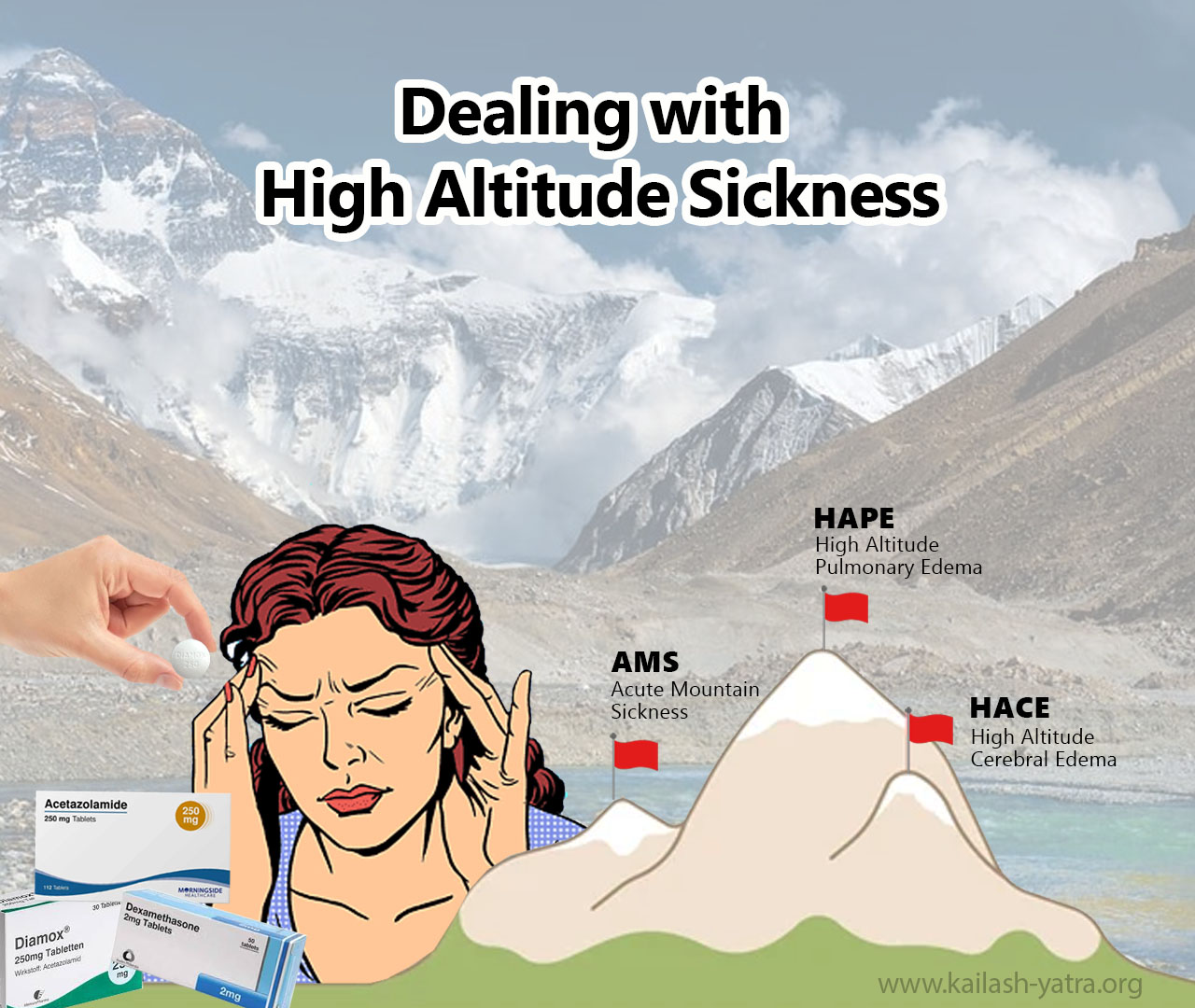
Understanding the three levels of AMS allows you to communicate clearly with your guide team — and gives you confidence that you are not catastrophising a mild headache, nor dismissing something that needs attention.
Mild AMS
- Headache (dull, frontal)
- Mild fatigue
- Loss of appetite
- Slight dizziness
- Disturbed sleep
Moderate AMS
- Persistent, worsening headache
- Nausea or vomiting
- Severe fatigue
- Breathlessness at rest
- Difficulty walking straight
Severe AMS — HACE & HAPE
- Extreme confusion or disorientation
- Inability to walk a straight line
- Persistent dry or wet cough
- Gurgling or rattling breathing
- Loss of consciousness
Know These Two Conditions: HACE (High Altitude Cerebral Edema) is fluid on the brain — characterised by severe confusion and inability to walk straight. HAPE (High Altitude Pulmonary Edema) is fluid in the lungs — listen for a wet, rattling cough. Both are medical emergencies requiring immediate descent. Neither is common, and both are effectively managed when caught early — which is exactly what our twice-daily health checks are designed to do.
The Golden Rule: Acclimatise, Don’t Rush
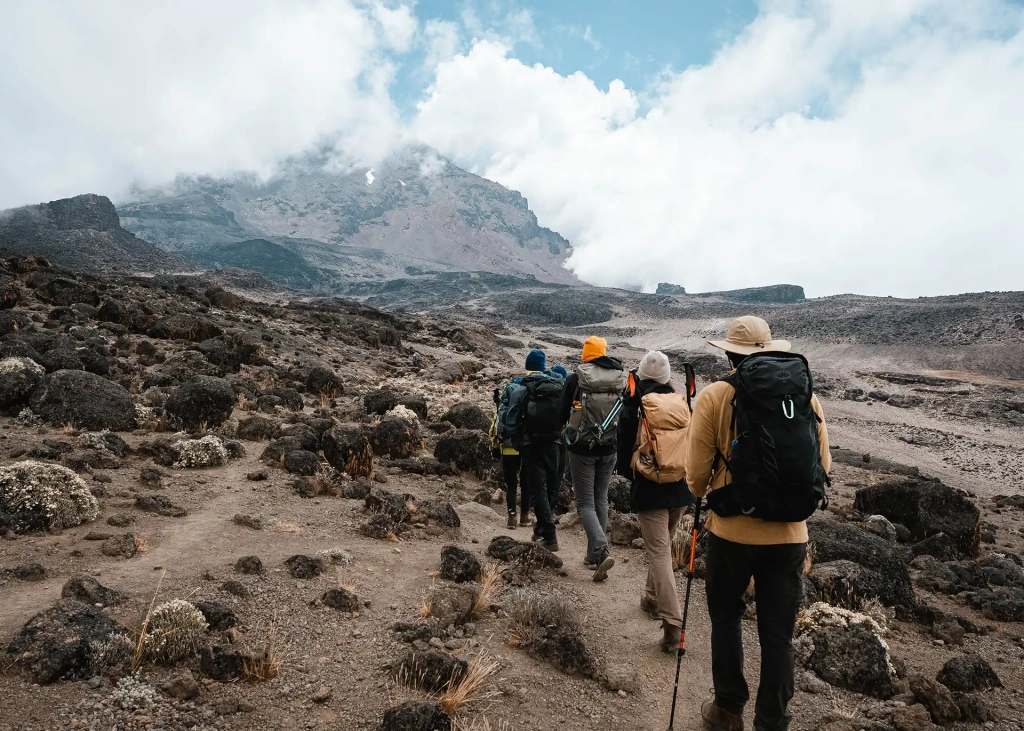
The most powerful tool against altitude sickness is not medication. It is time. The mountaineer’s mantra — climb high, sleep low — captures the science perfectly: your body acclimatises most effectively when you ascend during the day but sleep at a lower elevation.
Every Kilimanjaro acclimatisation strategy is built around this principle. It is also the primary reason we at Northern Masailand Safaris strongly advocate for longer route options when clients ask about their best chance of reaching the summit.
“The most common reason climbers fail to summit has nothing to do with fitness and everything to do with the route they chose. A 5-day climb gives your body almost no margin. An 8- or 9-day route gives it the time it actually needs.”
— Lead Guide, Northern Masailand Safaris
How Your Body Actually Adapts
When you ascend to altitude, your breathing rate increases even at rest. Within 24–48 hours, your kidneys begin excreting bicarbonate to compensate for changes in blood chemistry. Over days, your body produces more red blood cells and restructures how oxygen binds to haemoglobin. The process takes time — which is exactly why rushing altitude is the single biggest mistake most Kilimanjaro climbers make.
We walk deliberately slowly. Our guides set a pace called pole pole — Swahili for “slowly, slowly” — not because the trail demands it, but because your acclimatisation does. Learn more about this philosophy in our Tanzania language and Swahili guide. Pole pole is more than a phrase; it is a strategy that saves summits.
How Your Route Choice Changes Everything
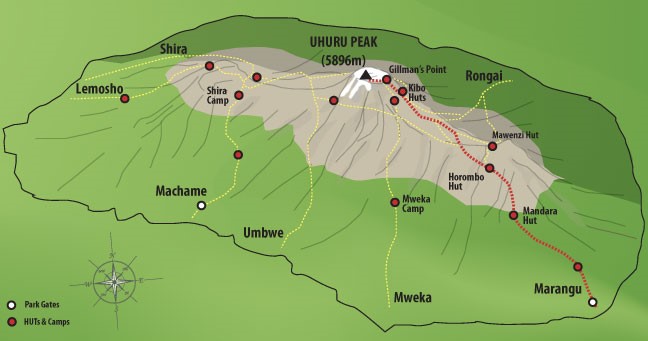
Not all Kilimanjaro routes are equal in their altitude profiles — and this directly affects your acclimatisation window and summit odds. Here is an honest comparison of the main routes we offer and their altitude sickness implications.
| Route | Duration | Acclimatisation Quality | AMS Risk |
|---|---|---|---|
| Northern Circuit | 9 days | Excellent — longest altitude profile on the mountain | Lower |
| Lemosho | 8 days | Very good — gradual western approach | Lower |
| Machame | 7 days | Good — includes an acclimatisation day | Moderate |
| Rongai | 7 days | Moderate — drier, northern approach | Moderate |
| Marangu | 5–6 days | Limited — faster ascent profile | Higher |
| Umbwe | 6 days | Minimal — very steep, rapid altitude gain | Higher |
Our most recommended route for first-time climbers is the Lemosho Route — it combines beautiful scenery with the acclimatisation time your body genuinely needs. The Northern Circuit is the gold standard for anyone who wants to maximise both summit odds and overall experience.
Clients who climb with us on Lemosho or the Northern Circuit consistently achieve among the highest summit success rates on the mountain. Route choice, experienced guides, and daily health monitoring are the difference.
Prevention: The Insider Checklist
These are not generic wellness tips. These are the specific, evidence-based practices our guides have refined over years of leading clients safely to the summit.
Before You Fly to Tanzania
- Train aerobically for at least 8–12 weeks. Good cardiovascular fitness does not prevent AMS, but it means you arrive with respiratory reserves. Our Kilimanjaro training guide provides an exact programme.
- Consult your doctor about Diamox (acetazolamide). This prescription medication accelerates acclimatisation and is widely used on Kilimanjaro. Review our health and medications guide for full details before your appointment.
- Arrive in Tanzania at least 24–48 hours early. Spending a night in Arusha at 1,400 metres before your climb begins gives your body a gentle head start.
- Ensure your travel insurance covers emergency evacuation. Our Kilimanjaro travel insurance guide explains exactly what to look for and what to avoid.
On the Mountain
- Drink 3–4 litres of water per day. Dehydration worsens AMS symptoms dramatically and is easily preventable. Your urine should be pale straw-coloured.
- Walk slowly — always slower than you think necessary. Pole pole is not a suggestion. Our guides will gently correct you every time your pace edges upward.
- Eat at every meal, even when you are not hungry. Appetite suppression is a common early AMS symptom — not a reason to skip meals. Your body is burning far more calories than usual.
- Do not ascend with a worsening headache. A mild headache that resolves after rest and hydration is normal. One that intensifies during ascent is your body asking you to stop and wait.
- Tell your guide immediately if you feel unwell. There is no shame in reporting symptoms. It is information, not weakness — and our team cannot help a symptom they do not know about.
- Avoid alcohol, sedatives, and sleeping pills at altitude. All suppress breathing during sleep — exactly when your body needs to be working hardest to acclimatise.
The Temperature Factor: Kilimanjaro’s temperatures can swing dramatically between day and night, and cold can worsen AMS symptoms. Our temperature guide explains what to expect at each camp, and our gear checklist ensures you are dressed to manage it.
Medication: What Works and What Does Not
Diamox (Acetazolamide)
The only medication with solid evidence for AMS prevention. It works by slightly acidifying your blood, which triggers faster and deeper breathing and accelerates acclimatisation. The typical prophylactic dose is 125–250 mg twice daily, starting 24 hours before ascent. Common side effects include increased urination and tingling in the fingers and toes. It is a sulpha drug — people with sulpha allergies should not take it. Always consult your doctor before your trip. Full details in our health and medications guide.
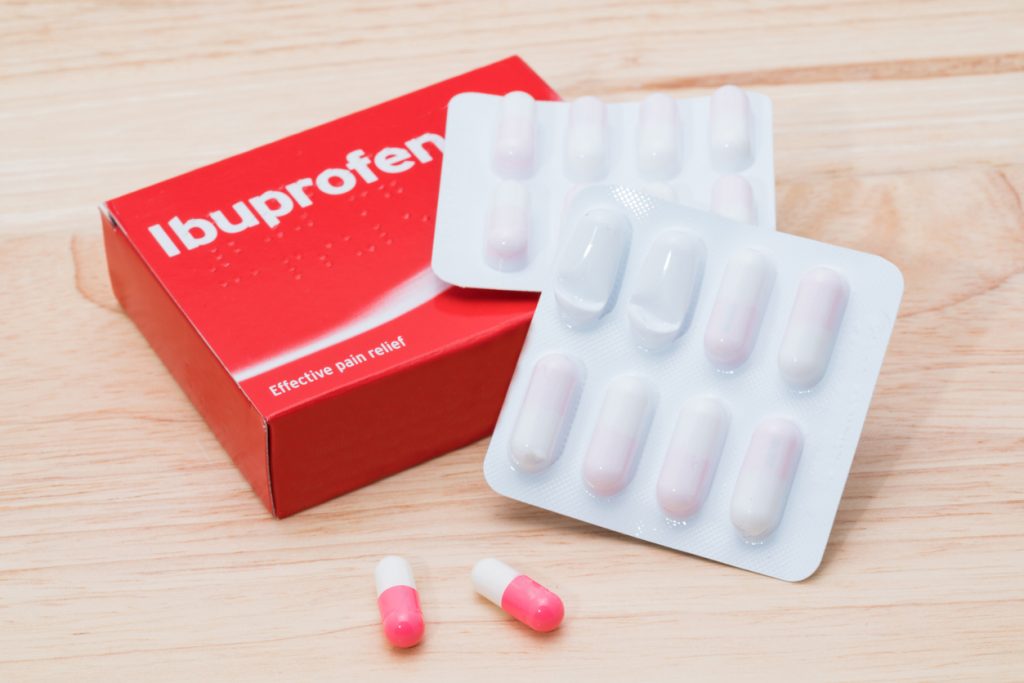
Ibuprofen
Some research suggests ibuprofen may reduce the severity of AMS headaches. While it does not prevent AMS, it can make the experience more manageable. Do not use it to push through symptoms that are telling you to stop.
Dexamethasone
A corticosteroid used as emergency treatment for severe AMS, HACE, and HAPE. Our guides carry dexamethasone on every climb for emergency use. It is not a prevention medication and should not be taken prophylactically.
Herbal Remedies and Supplements
Ginkgo biloba and various supplements circulate widely online. The evidence for most of them in high-altitude environments is limited or mixed. Our advice: do not rely on supplements as your primary strategy. Route choice, acclimatisation pace, and hydration outperform any tablet.
What Your Northern Masailand Guides Do Every Day
When you climb with us, altitude management is not left to chance. This is our standard daily protocol on every Kilimanjaro expedition.
- Morning health check at breakfast. Your lead guide asks about sleep quality, headache, and appetite. Your oxygen saturation and heart rate are recorded with a pulse oximeter. Values are compared against the previous reading to identify any deterioration.
- Pace management throughout the hiking day. Our guides walk with you — at the front setting pace and at the rear ensuring nobody is left alone. The pace is deliberately conservative on ascent days.
- Evening health check before dinner. A full Lake Louise Score assessment is conducted for each climber. This standardised medical questionnaire quantifies AMS severity and determines whether a client continues, rests, or descends.
- Summit night monitoring. The ascent to Uhuru Peak typically begins between midnight and 1 am. On summit night, our guides check in with each climber at regular intervals and carry emergency medication and supplemental oxygen.
- Emergency evacuation protocol. In the event of severe AMS, HACE, or HAPE, our team initiates immediate descent — the single most effective treatment for any altitude illness. We coordinate with our Kilimanjaro rescue services for cases requiring urgent medical intervention.
Summit Night: The Most Critical 12 Hours
The ascent to Uhuru Peak starts in darkness and involves a final 1,200-metre push in a single effort. This is where the accumulated effects of altitude hit hardest. Virtually every climber feels something during summit night — whether it is a dull headache, unusual fatigue, or the disorienting stars swirling overhead at 5,000 metres.
What separates climbers who summit from those who turn back is rarely fitness — it is preparedness and trust. When you know what to expect, the symptoms become manageable. When you trust your guide to make the call if something is wrong, you can focus on one step at a time rather than anxiously monitoring every sensation.
“We tell every client before summit night: your job is to keep walking, breathe deeply, and communicate honestly. You focus on one step at a time. We handle the rest.”
— Northern Masailand Safaris Summit Protocol
If you are planning around timing, our guide on the best time to climb Kilimanjaro covers how season, weather, and moon cycles interact — including our popular full moon climbs, which allow you to ascend by natural light on clear summit nights.
Questions We Hear Most Often
Will I definitely get altitude sickness?
Almost certainly, in some mild form. The majority of Kilimanjaro climbers experience at least headache or disrupted sleep at some point. What the mountain does not have to give you is a summit-ending episode — and that is exactly what preparation, the right route, and the right team are designed to prevent.
I am very fit. Does that help?
Cardiovascular fitness helps with the physical demands of climbing but does not prevent AMS. Some of the fittest athletes in the world have turned back on Kilimanjaro due to altitude. The biology of acclimatisation is largely independent of fitness. That said, being fit means your body is better able to function under physical stress — which is never a disadvantage.
How long does the climb actually take?
On a typical Kilimanjaro climb, the full route takes 6–9 days depending on which route you have chosen. Summit day itself — from camp to peak and back down — takes approximately 12–16 hours.
What is Kilimanjaro’s summit altitude exactly?
At 5,895 metres above sea level, Kilimanjaro is the highest freestanding mountain in the world. At that altitude, you are breathing roughly half the oxygen you would at sea level — which is why everything in this guide matters.
What does it cost to do this properly?
Our honest breakdown of Kilimanjaro climb prices explains what the budget difference between operators actually buys you — and why cutting corners on a mountain of this seriousness is never the right call.
Can I read about Kilimanjaro facts before I decide?
Yes — our Mount Kilimanjaro facts guide covers the mountain’s geography, history, ecology, and what makes it unlike any other high-altitude destination in the world.
The People Who Make the Difference
Everything in this guide — the protocols, the pace management, the medication carried, the twice-daily monitoring — is delivered by the people who walk the mountain with you. Our Kilimanjaro porters and guides are not simply mountain escorts. They are wilderness medics, logistics coordinators, local culture ambassadors, and — on summit night — the most important people in your world.
Northern Masailand Safaris is a locally owned company based in Arusha. Our guides live at the foot of this mountain. They know its moods, its micro-climates, and the way altitude behaves differently on a crisp dry-season morning versus a humid afternoon in March. That knowledge cannot be replicated by a tour brochure. It comes from thousands of ascents and from learning what the mountain teaches about humans at their most physically challenged.
When you choose us, you are choosing that knowledge — and the calm confidence it brings to every step above 5,000 metres.
Plan Your Kilimanjaro Climb With Us
Tell us your timeline, your fitness background, and what kind of experience you are looking for. We will design the right route, the right team, and the right preparation plan around you.
- Explore all Kilimanjaro routes
- 9-Day Northern Circuit package
- 8-Day Lemosho Route package
- 7-Day Machame Route package
- Talk to our team directly