Tanzania is one of the world’s great wildlife photography destinations. The light is extraordinary, the animal density is exceptional, and the sheer variety of subjects — from sweeping Serengeti panoramas to intimate close-up portraits of lion cubs — means that every skill level of photographer comes home with images they are genuinely proud of. But a great photography safari Tanzania experience requires some preparation. Arriving with the wrong lens, the wrong settings mindset, or no dust protection for your gear can turn a dream shoot into a frustrating exercise.
This guide covers equipment, technique, vehicle setup, etiquette, and how to structure your game drives to maximize photographic output. Whether you are shooting on a mirrorless camera with a top telephoto or on a high-end smartphone, the principles apply.
Why Tanzania Is the Ultimate Photography Destination
The quality of light in East Africa is unlike almost anywhere else on earth. The proximity to the equator means the golden hour — that warm, low-angle light that transforms any subject into something magical — comes twice daily, at dawn and dusk. On the open Serengeti plains, these light conditions combine with vast skies, dramatic cloudscapes, and extraordinary animal subjects to create conditions that professional wildlife photographers travel specifically to access.
Add the accessibility of Tanzania’s safari parks — habituated animals that ignore vehicles, excellent guide networks that locate specific subjects, and a range of parks from dense forest to open grassland — and you have a destination that delivers photographic results at every skill level. Our dedicated photographic safari experience page outlines our specialist photography guide options for serious shooters.
Camera Equipment Guide for Tanzania
| Equipment | Recommended Specification | Why It Matters |
|---|---|---|
| Camera body | Mirrorless or DSLR, high ISO performance | Low-light dawn and dusk shooting |
| Primary telephoto | 100–400mm or 200–600mm | Most wildlife at medium-long distance |
| Secondary lens | 24–70mm or 70–200mm | Landscapes, camps, close subjects |
| Beanbag | Long, flat, vehicle-window type | Stability on window lip, no tripod needed |
| Memory cards | Multiple 128GB+ cards, fast write speed | Burst shooting fills cards rapidly |
| Batteries | Minimum 3 per body | Cold mornings drain batteries faster |
| Dust protection | Waterproof bag, dust cloth, lens cloth | Serengeti dust destroys sensors |
| Laptop / tablet | For evening review and backup | Identify keepers, free up card space |
The Beanbag: Your Most Important Accessory
If you only add one piece of equipment specifically for a Tanzania photography safari, make it a beanbag. Traditional tripods are completely impractical in a moving vehicle and are impossible to set up quickly for unexpected sightings. A beanbag draped over the vehicle window lip provides an immediately stable platform for your telephoto lens, allowing you to shoot sharp images at shutter speeds that a handheld position could not achieve.
Good beanbags are flat, long (to span the window width), and filled with a consistent medium-weight material. You can purchase them empty and fill them with dried rice or lentils from a local market on arrival in Arusha. The weight adds essential stability for longer focal lengths.
Camera Settings for Safari Photography
| Situation | Recommended Mode | Shutter Speed | ISO Range |
|---|---|---|---|
| Moving animals (running, chasing) | Shutter Priority (Tv/S) | 1/1600s–1/3200s | Auto, up to 6400 |
| Stationary portraits | Aperture Priority (Av/A) | 1/250s+ | 100–800 |
| Birds in flight | Shutter Priority | 1/2000s–1/4000s | Auto, up to 3200 |
| Dawn / dusk low light | Manual or Auto ISO | 1/400s minimum for moving subjects | 1600–6400 |
| Landscape with sky | Aperture Priority | Any (tripod or beanbag) | 100–400 |
Best Locations for Wildlife Photography in Tanzania
Serengeti: Seronera Valley
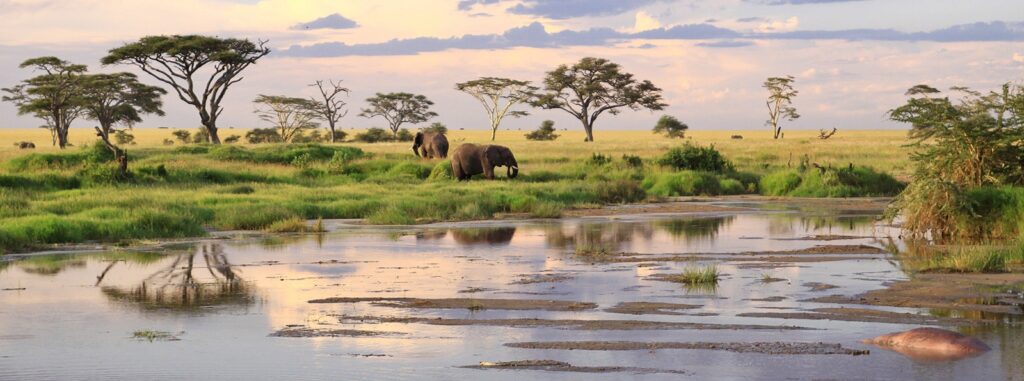
The Seronera Valley is arguably Tanzania’s premier leopard photography location. The fig and sausage trees provide elevated subjects at vehicle-window height, and habituated leopards routinely allow vehicle approach to within 10–15 metres. The morning light from the east illuminates subjects facing the road with warm, directional light. This is where some of Africa’s most celebrated leopard photographs have been taken.
Serengeti: Mara River Crossings
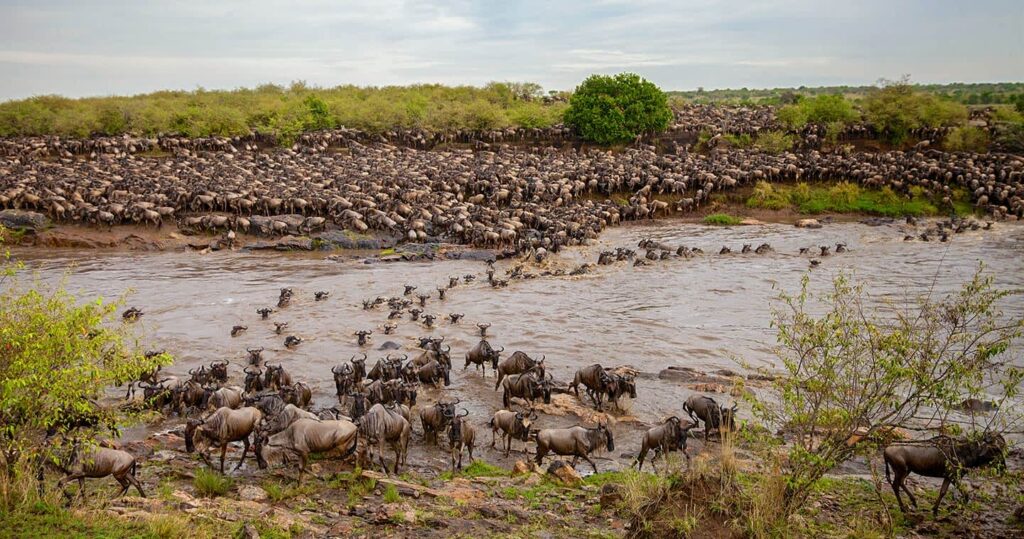
The northern Serengeti’s Mara River crossing points during July and August offer some of the most dramatic action photography opportunities on earth. Tens of thousands of wildebeest crashing into a crocodile-filled river, spraying water, clambering over each other, being taken mid-current — fast burst shooting in continuous autofocus mode is essential. Position your vehicle slightly elevated above the crossing point for the best angle and use your 200–400mm range to fill the frame with the action.
Ngorongoro Crater: Dawn Descent
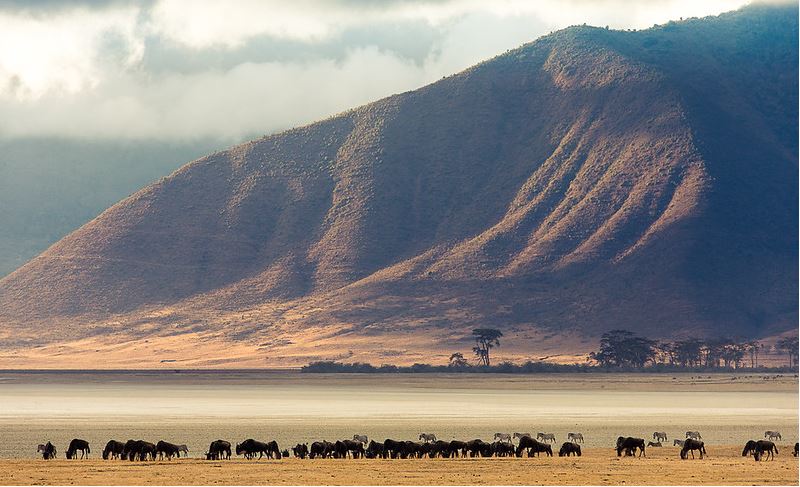
The Ngorongoro Crater at dawn produces extraordinary images. Mist fills the caldera floor, rising in columns above the Lerai forest and the hippo pools. Hyenas and lions move in the low light around active kills. Flamingos congregate on the pink morning lake. A wide-angle lens for the atmospheric mist shots and a telephoto for the predator activity gives you the full range of the scene.
Tarangire: Baobab Silhouettes
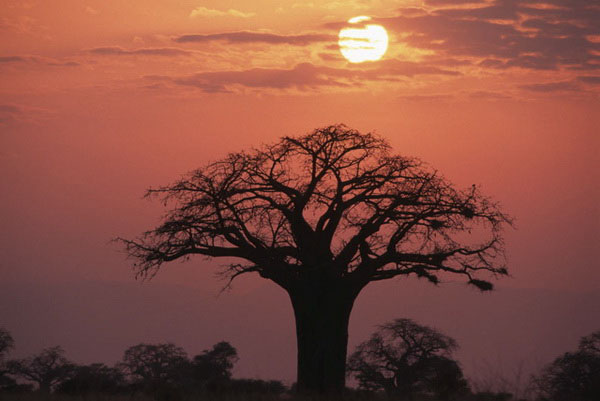
The ancient baobabs of Tarangire National Park are extraordinary photographic subjects. At sunset, their gnarled silhouettes against vivid orange skies create iconic images that are immediately recognisable as African. Position yourself on the western side of a baobab in the late afternoon for the best backlit silhouette conditions.
Photography Etiquette in Tanzania’s Parks
- Never direct your driver to put the vehicle in front of other vehicles at a sighting. Blocking other guests’ views is considered seriously bad form.
- No flash photography near wildlife — it disorients and stresses animals.
- Do not make noise to get an animal to look at the camera. Patient quiet is always more effective.
- Do not ask your guide to approach too close. Minimum distance regulations exist for good reason, and stressed animals produce worse photographs than relaxed ones.
- Ask permission before photographing Maasai people or community members outside the parks. Many accept a small payment for photographs; always confirm first.
Dealing with Dust in the Serengeti
The Serengeti in dry season is exceptionally dusty. Fine red-brown dust penetrates everything — camera bags, lens barrels, clothing, and sensor chambers. It can cause permanent sensor damage if not managed. Practical dust protection measures:
- Never change lenses in the field during dusty conditions. Change in camp with windows and door closed.
- Store cameras in a sealed bag when not shooting.
- Carry lens cloths and a blower brush at all times during drives.
- Use a UV filter on your primary lens as an additional dust barrier.
- At the end of each day, gently clean your sensor with a blower only — avoid contact cleaning in the field.
Frequently Asked Questions
Do I need a professional camera for a Tanzania photography safari?
Not necessarily. Modern mirrorless cameras in the mid-range category (Sony A7 series, Canon R-series, Nikon Z series) produce outstanding wildlife images with a quality telephoto lens. The lens matters more than the body for wildlife work. High-end smartphones with telephoto capabilities can also produce impressive results at shorter ranges. The best camera is always the one you know how to use well.
Can I hire camera equipment in Tanzania?
A limited selection of camera equipment can be rented in Arusha and through some high-end lodges, but availability is unpredictable. It is strongly advised to bring your own gear, particularly telephoto lenses. Some luxury camps offer basic loaner binoculars and cameras for guests who do not want to carry heavy equipment.
Book a Photography Safari Tanzania with Us
Northern Maasailand Safaris can connect serious photographers with specialist photographic guides who understand vehicle positioning, light timing, and animal behaviour at a professional level. Our photographic safari experience explains the dedicated options available. Request a photography safari quote today and we will build an itinerary around your specific photographic goals.