There is a moment, somewhere on the sun-baked banks of the Mara River, when the air itself seems to hold its breath. A column of wildebeest stretches back across the Serengeti plains as far as you can see. The front animals pace nervously at the edge, peering into the churning brown water below. Crocodiles wait, motionless. Then one animal jumps, and within seconds, thousands follow.
This is the Great Migration — and it is one of the most powerful wildlife experiences on the planet. Witnessing it requires planning, timing, and a guide who knows the Serengeti intimately. This guide gives you everything you need.
What Is the Great Migration?
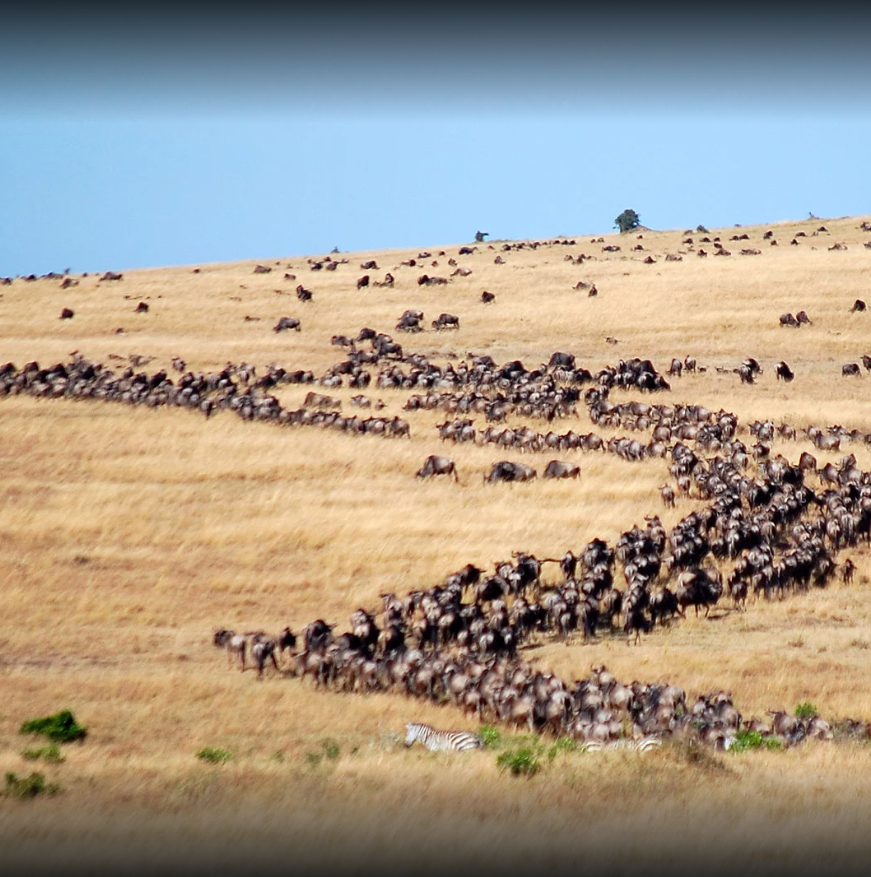
The Great Migration is the continuous circular movement of approximately 1.5 million wildebeest, 300,000 zebras, and 500,000 gazelles across the Serengeti-Mara ecosystem. They follow the rains and fresh grass in a roughly clockwise circuit that spans Tanzania and Kenya, covering around 1,800 kilometres annually.
Unlike migration events elsewhere in the world, this one never truly stops. The animals are always moving somewhere in the ecosystem. What changes month by month is where they are, what they are doing (calving, crossing, grazing), and how accessible they are to visitors.
Month-by-Month Migration Calendar
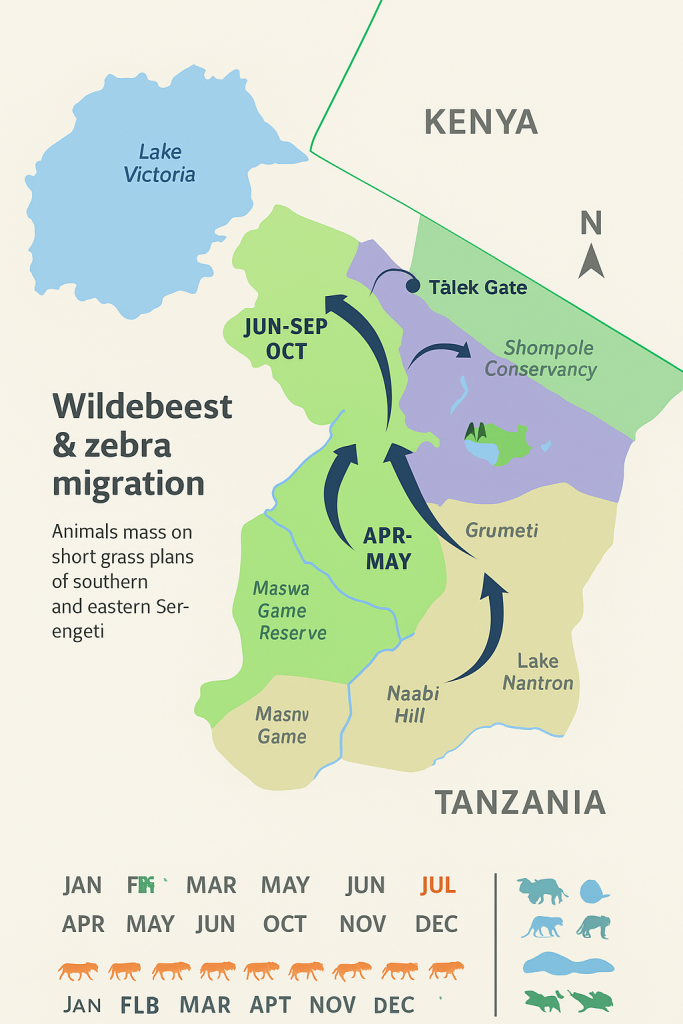
Understanding the approximate annual movement pattern is the foundation of planning a Great Migration safari. Here is a month-by-month breakdown:
| Month | Location | Key Event |
|---|---|---|
| January–February | Southern Serengeti / Ndutu | Calving season — 80,000+ calves born |
| March–April | Central Serengeti | Herds move north, rains begin |
| May–June | Western Corridor / Grumeti | Grumeti River crossings begin |
| July–August | Northern Serengeti / Mara River | Peak Mara River crossings |
| September–October | Masai Mara (Kenya) | Animals graze in Kenya grasslands |
| November–December | Southern Serengeti | Return south as short rains arrive |
No calendar can be exact — the wildebeest follow rainfall, not dates. A drought can shift the entire circuit by weeks. This is why having a knowledgeable local guide who monitors real-time conditions is invaluable on a Great Migration safari.
Calving Season: January and February
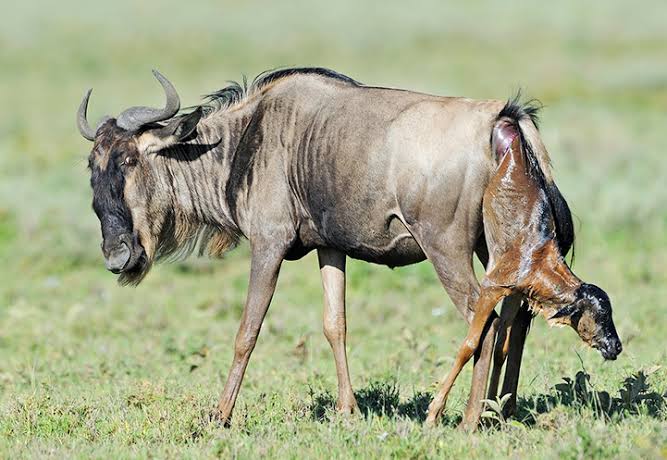
The southern Serengeti, particularly the short-grass plains around Ndutu, hosts one of nature’s most tender spectacles from January through February. Approximately 80,000 wildebeest calves are born within a three-week window — a evolutionary strategy that overwhelms predators through sheer numbers.
New calves can run within minutes of birth. But the predator density is extraordinary during this period. Lion prides, spotted hyena clans, and cheetah mothers all converge on the calving grounds. Game drives during calving season are intensely dramatic, with predator-prey interactions happening constantly across the plains.
This is also one of the best times to see cheetahs in the Serengeti. The open, flat terrain near Ndutu and Lake Masek gives unobstructed views for kilometres.
The Mara River Crossings: July and August
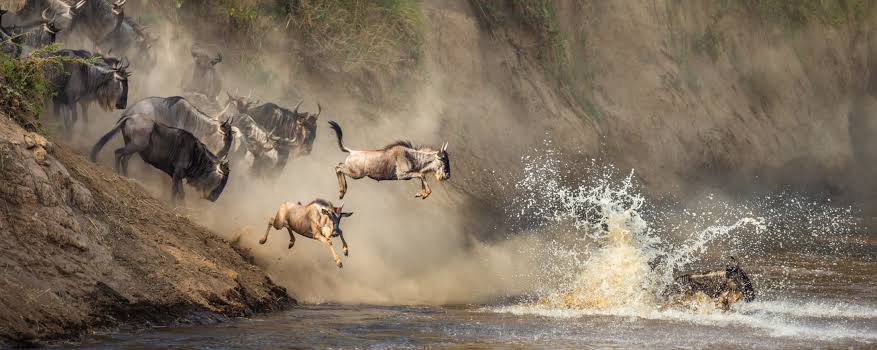
If calving is tender drama, the Mara River crossings are pure adrenaline. As the dry season intensifies and the northern Serengeti’s grass thins, the wildebeest mass on the southern banks of the Mara River. The Kenya side beckons with greener pastures — but the crossing carries enormous risk.
Nile crocodiles, some exceeding four metres, patrol the crossings. Wildebeest drown in the crush. Others are taken mid-current. It sounds brutal, and it is — but it is also one of the most viscerally honest wildlife spectacles available anywhere. The survival of the herd outweighs the loss of individuals, and the sheer scale makes each crossing extraordinary.
A single crossing can take three hours. Some days there are multiple crossings. Some days the animals approach the bank, turn back, and wait. You may spend a morning watching nothing but a river and a gathering herd — and then experience something so raw you will never forget it.
Best Camps for the Great Migration
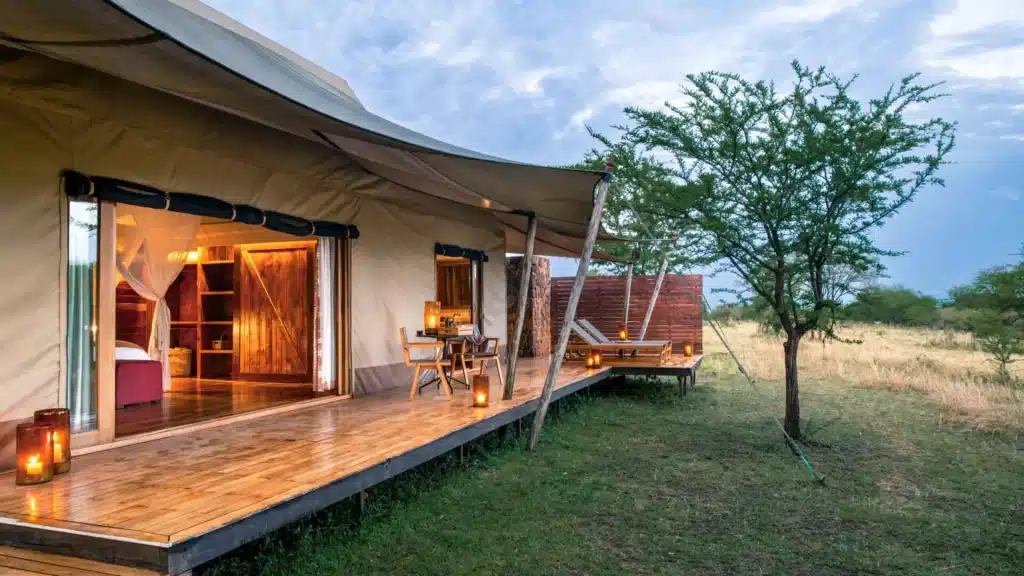
Positioning your camp correctly is critical. During river crossing season, staying in the northern Serengeti means you can be at a crossing point in 20–30 minutes. Staying in the central Serengeti means a 3–4 hour drive each way — which is both exhausting and unreliable.
Top Areas by Season
- Ndutu area (Jan–Mar): Ndutu Safari Lodge, Sanctuary Ndutu, andBeyond Ndutu Under Canvas
- Western Corridor (Jun): Grumeti Serengeti Tented Camp, Kirawira Luxury Tented Camp
- Northern Serengeti (Jul–Sep): Lamai Serengeti, Sayari Camp, Lemala Kuria Hills
Mobile tented camps that follow the migration offer another excellent option. These move seasonally to stay close to the herds, meaning your accommodation shifts in step with the animals rather than you making long drives each day.
Is the Great Migration Guaranteed?
This is the question every operator gets asked, and the honest answer is no. Wildlife cannot be guaranteed. Wildebeest don’t read schedules. What can be managed is positioning — being in the right area at the right time of year, with a guide who is monitoring movement actively.
Some travelers spend three days at the Mara River without seeing a crossing. Others arrive at noon and witness three crossings in two hours. The difference is largely luck. But the broader migration experience — the vast herds, the interaction with predators, the sounds and dust and scale — that is available throughout the annual cycle. You do not need to witness a crossing to have experienced the Great Migration.
Getting There: How to Plan Your Great Migration Safari
Most Great Migration safaris depart from Arusha, which serves as Tanzania’s northern safari hub. Domestic flights connect Arusha to airstrips throughout the Serengeti, cutting out long road drives. A fly-in safari is particularly recommended for the northern Serengeti crossings, where the nearest road from Arusha takes 6–8 hours.
A well-designed 8–10 day itinerary covering the northern Tanzania circuit can follow the migration while also including Ngorongoro Crater, Tarangire, and a Zanzibar beach extension. This kind of combination delivers a genuinely complete East Africa experience.
Great Migration Safari Tips
- Book 12–18 months ahead for July–August. The best northern Serengeti camps sell out fast for crossing season.
- Stay a minimum of 3 nights in the northern Serengeti to maximize crossing odds.
- Fly into the Serengeti rather than drive if your budget allows — it saves 6+ hours of road time each way.
- Ask your guide about movement reports each morning before deciding which crossing points to target.
- Pack neutral colours — khaki, olive, and brown blend into the environment and avoid disturbing animals.
- Bring a dust cloth for your camera. The Serengeti is extremely dusty in the dry season.
Frequently Asked Questions
What months are best for the Great Migration?
For river crossings, July and August offer the best odds. For calving and predator action, January and February in the southern Serengeti near Ndutu is exceptional. Both are peak season with premium pricing.
How long should my Great Migration safari be?
A minimum of 5 days in the Serengeti is recommended. For a comprehensive circuit including multiple parks, plan 8–12 days. This gives enough time to track movement and adapt your game drive locations based on where animals actually are.
Can I see the migration from Kenya?
Yes. The Masai Mara in Kenya offers exceptional crossing views from August through October as the herds enter and return from the north. However, Tanzania offers more of the full annual cycle including calving, which Kenya does not.
Plan Your Great Migration Safari Today
The Great Migration is a once-in-a-lifetime experience that rewards proper planning. Our team at Northern Maasailand Safaris has guided visitors across every stage of the annual cycle, and we know how to position you for maximum impact. Contact us today to start planning your Serengeti migration safari — and let us handle the timing so you don’t have to guess.