
Most people associate Tanzania safaris with open savanna, big cats, and the Great Migration’s endless plains. Far fewer know that Tanzania is also home to one of Africa’s most extraordinary primate trekking destinations — a remote, rainforest-clad national park on the shores of Lake Tanganyika where wild chimpanzees, habituated to human presence through decades of research, can be tracked and observed at remarkably close range. Mahale Mountains National Park offers a chimpanzee trekking experience that ranks among Africa’s finest, alongside Uganda’s Kibale Forest and Rwanda’s Nyungwe Forest.
This is genuinely off-the-beaten-path travel — reaching Mahale requires real commitment and a different kind of itinerary than the northern circuit. For travelers willing to make the journey, the reward is an encounter with our closest living relatives in one of the most beautiful, remote settings imaginable.
Mahale Mountains National Park: Key Facts
| Feature | Details |
|---|---|
| Location | Western Tanzania, shores of Lake Tanganyika |
| Area | 1,613 km² |
| Chimpanzee population | ~800–900 individuals, ~60 habituated |
| Access | Fly to Kigoma, then boat transfer to camps |
| Distance from Arusha | Requires separate flight routing, not on northern circuit |
| Trekking permit fee | Approximately $80–$100 per person per day |
| Best season | May–October (dry season, easier trekking conditions) |
Why Mahale Is Special
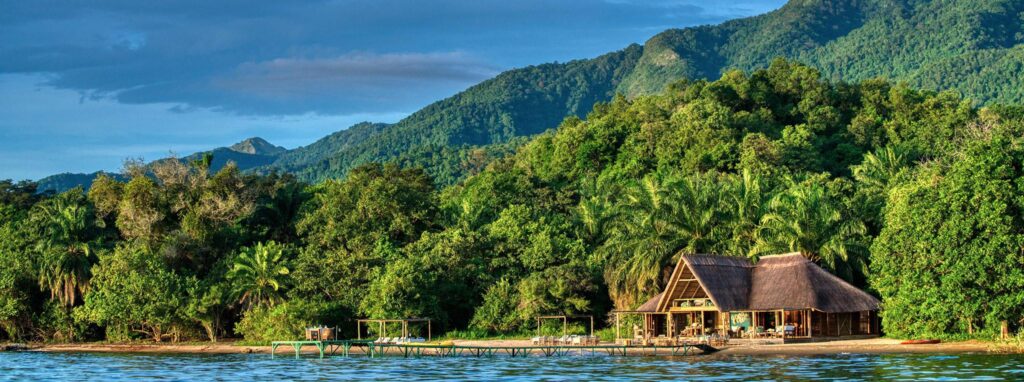
Mahale’s unique geography sets it apart from every other safari destination in Tanzania. The park combines dense, mountainous rainforest with the pristine, white-sand shores of Lake Tanganyika — the world’s second-deepest and second-largest freshwater lake by volume. This means a typical Mahale day might involve a strenuous forest trek tracking chimpanzees in the morning, followed by an afternoon swimming in crystal-clear lake water from a private beach, an experience combination unavailable anywhere else in East Africa.
The chimpanzee research history here also adds genuine scientific significance. Japanese researchers began long-term studies of the M-group chimpanzee community in the 1960s, among the longest-running wild chimpanzee research projects in the world alongside Jane Goodall’s work at nearby Gombe Stream National Park. This research history has produced exceptionally well-habituated chimpanzees, allowing for genuinely close, extended observation during treks.
What Chimpanzee Trekking Involves
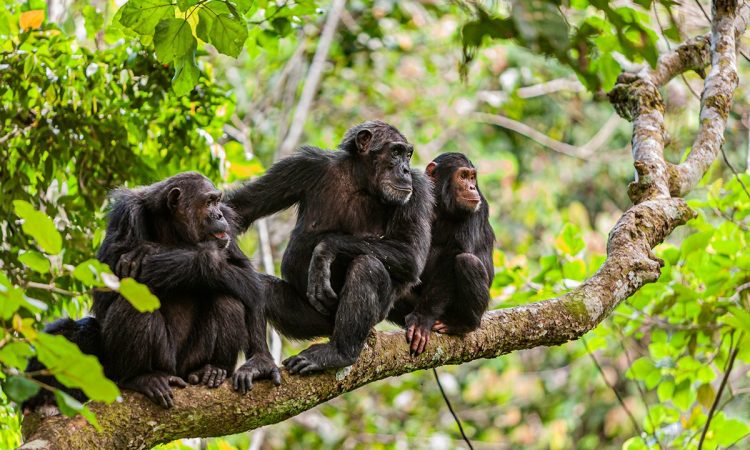
- Early morning departure from your camp, typically 6:30–7:00am, when chimpanzee activity is highest.
- Trackers locate the chimp group using knowledge of recent nesting sites and movement patterns, sometimes following calls through the forest.
- Forest trekking on variable terrain — steep, often muddy mountain trails through dense rainforest. This requires genuine fitness and stamina, distinct from the gentle game drive walks of northern circuit parks.
- One hour with the chimpanzees once located, maintained at a respectful distance (minimum 10 metres per park regulations) to minimise disease transmission risk between humans and chimps, who share over 98% of human DNA and are susceptible to many human illnesses.
- Return trek to your starting point or directly to the lake for an afternoon of relaxation.
Fitness Requirements for Chimpanzee Trekking
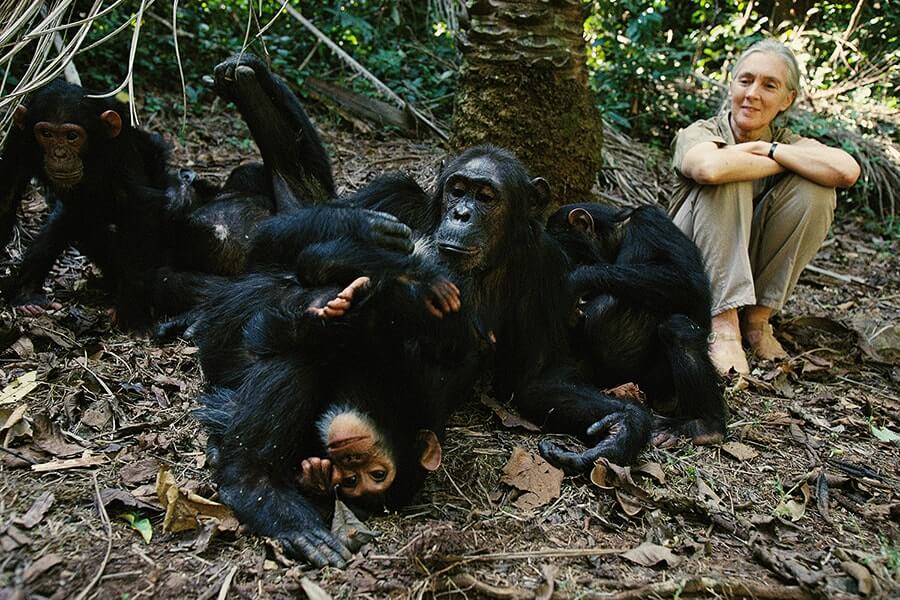
This is genuinely demanding compared to a standard safari activity. Treks can last anywhere from 45 minutes to 5–6 hours depending on where the chimpanzee group is located on a given day, often on steep, uneven mountain terrain through dense vegetation. Reasonable fitness and the ability to hike continuously for several hours is essential. This is not an activity suited to those with significant mobility limitations or very young children.
Mahale vs Gombe Stream: Which Chimp Park?
| Factor | Mahale Mountains | Gombe Stream |
|---|---|---|
| Size | 1,613 km² | 52 km² (much smaller) |
| Accommodation | Comfortable beach lodges | Basic, limited options |
| Famous for | Beach + chimp combination | Jane Goodall’s research legacy |
| Access | Boat from Kigoma (longer) | Boat from Kigoma (shorter) |
| Visitor experience | More immersive, comfortable | More basic, historically significant |
Mahale generally offers the more complete visitor experience with better accommodation options and the unique lake-beach combination. Gombe Stream holds greater historical significance as the site of Jane Goodall’s pioneering chimpanzee research beginning in 1960, appealing particularly to those with a specific interest in primatology history.
Combining Mahale with the Northern Circuit
Mahale’s remote western location means it requires separate flight routing rather than fitting naturally into a northern circuit itinerary. Most visitors combine it as a standalone extension via Dar es Salaam or Arusha, with internal flights to Kigoma followed by a boat transfer to camp. For travelers seeking an exceptionally comprehensive Tanzania experience encompassing savanna safari, mountain trekking, beach relaxation, AND primate trekking, a combined northern circuit plus Mahale itinerary delivers genuinely unmatched variety, though it requires 12–16+ days to do properly.
Frequently Asked Questions
Is chimpanzee trekking in Tanzania worth the extra logistics?
For travelers with a genuine interest in primates, ecology, or a desire to add a completely different dimension to their Tanzania experience, absolutely. It requires more time, budget, and physical commitment than a standard safari, but the encounter with wild chimpanzees in their natural rainforest habitat, combined with the stunning Lake Tanganyika setting, is genuinely unforgettable.
How many chimpanzee treks should I budget for?
Most camps include or offer 2–3 trekking permits over a 3-night stay, recognising that a single trek does not guarantee an extended encounter given the chimps’ mobility through dense forest. Budgeting for at least 2 trekking attempts significantly improves your chances of an extended, rewarding encounter.
Plan Your Mahale Chimpanzee Trekking Adventure
Northern Maasailand Safaris can arrange the full logistics for a Mahale Mountains chimpanzee trekking extension, including flight routing, boat transfers, and lakeside accommodation. Contact us today to discuss adding this extraordinary, off-the-beaten-path experience to your Tanzania itinerary.