There’s a particular kind of excitement that comes with packing for a Tanzania safari. The bags sitting open on your bed, the lists pinned to the wall, the quiet thrill of knowing that in a few days’ time, you’ll be watching elephants move across a golden plain at dusk. We know that feeling well — and we want to make sure nothing gets in the way of it.
Packing for a safari in Tanzania is a little different from packing for any other trip. The wrong gear can mean sunburn on day two, a blurred photograph of a lifetime, or a cold night in the Ngorongoro highlands you weren’t prepared for. The right gear means you arrive at every game drive relaxed, comfortable, and completely present.
At Northern Masailand Safaris, we’ve accompanied hundreds of travellers through the plains, forests, and mountains of Tanzania. This is the packing list we wish every guest had read before they landed. Use it, trust it, and then come and let us take care of the rest.
Before You Start Packing: A Few Golden Rules
Safari vehicles in Tanzania are compact and storage space is limited. Your fellow travellers will thank you for keeping luggage manageable. Most camps and lodges also request soft-sided bags — duffel bags or soft holdalls — rather than hard suitcases, particularly when light aircraft transfers are involved.
- Use a soft-sided duffel bag or holdall as your main luggage (hard cases are not welcome on bush flights)
- Pack a small daypack or backpack for game drives — to hold water, snacks, binoculars, and your camera
- Keep total luggage under 15kg per person where possible — some bush flights enforce a strict 15kg limit including hand luggage
- Lay everything out before packing and ask yourself honestly: will I use this every single day? If not, leave it behind
If you have any questions about what to bring for your specific itinerary — whether you’re heading into the Serengeti, the depths of Ruaha, or combining your safari with a Kilimanjaro climb — our team is always happy to give destination-specific advice. Just get in touch.
Clothing: The Cornerstone of Safari Comfort
Tanzania’s landscapes are wildly varied. On the same trip, you might experience the sweltering midday heat of the Tarangire plains, cool evenings on the rim of the Ngorongoro Crater, and misty mornings in the forests around Lake Manyara. Layering is not just a fashion choice — it’s a survival strategy.
The Colour Question: Why Neutrals Matter
Neutral, earth-toned clothing is strongly recommended for game drives and bush walks. Khaki, olive, tan, dusty brown, and muted green all work beautifully. Avoid white (it shows dust immediately and reflects light), bright colours (they can disturb or alert wildlife), and black or dark navy (they attract tsetse flies in certain regions — an unpleasant experience best avoided).
Your Safari Clothing Checklist
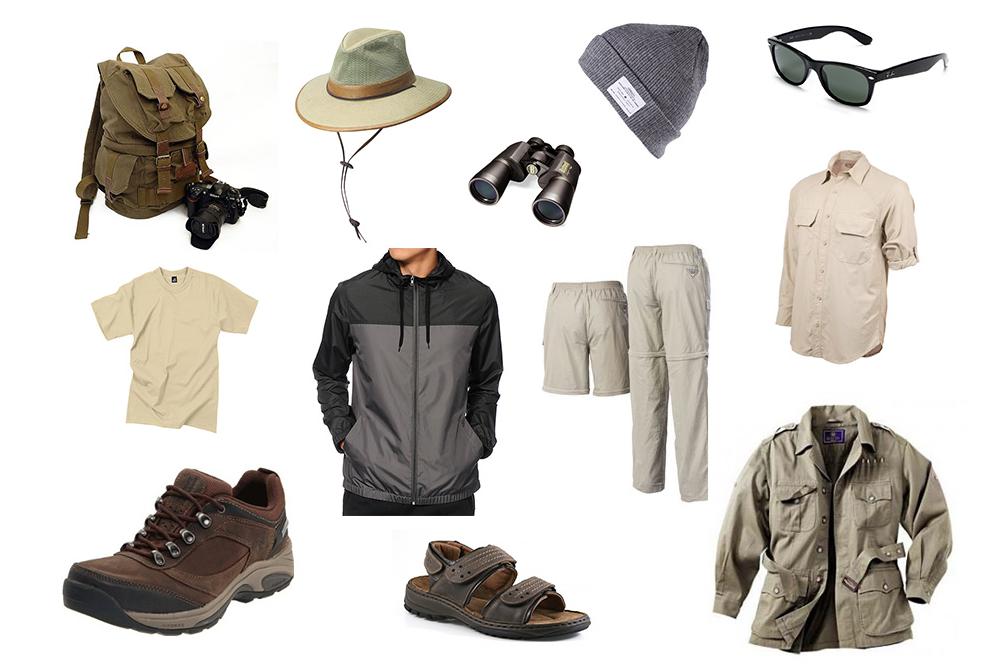
- 3–4 lightweight, long-sleeved shirts in neutral tones — long sleeves protect against sun and insects without the need for constant reapplication of repellent
- 2–3 pairs of lightweight safari trousers or convertible pants — the kind that zip off into shorts are genuinely useful
- 1–2 pairs of comfortable shorts for relaxed afternoons at camp
- A lightweight fleece or mid-layer jacket — mornings and evenings can be surprisingly cold, particularly in the Ngorongoro highlands and during the dry season
- A warm jacket or down vest — essential if your itinerary includes the Ngorongoro Crater floor or early morning drives in June–September
- A waterproof, packable rain jacket — even in the dry season, a brief afternoon shower is not unheard of
- 3–4 pairs of moisture-wicking underwear and socks
- A wide-brimmed hat — non-negotiable. The African sun is relentless and a hat is your best defence
- A lightweight buff or neck gaiter — invaluable on dusty game drives, doubling as sun protection
- Smart-casual evening wear — one or two simple outfits for dinners at camp. Nothing formal required; comfort is the priority
- Swimwear — many camps have plunge pools, and if you’re ending your safari on Zanzibar’s white sand beaches, you’ll be glad you packed it
Footwear
- Sturdy, closed-toe walking shoes or light hiking boots — essential for walking safaris and bush walks
- Comfortable sandals or flip-flops for camp downtime
- Warm socks for cold mornings — seemingly obvious, but easily forgotten
Kilimanjaro climbers: your clothing requirements are substantially different and more extensive. Visit our dedicated pages for the Lemosho Route, Machame Route, Marangu Route, and other routes for specific gear guidance.
Sun, Skin & Health Essentials
Tanzania sits just below the equator. The sun here is not the polite kind. It will burn you in under twenty minutes of unprotected exposure, and at altitude — particularly on a crater rim drive or on Kilimanjaro — it’s even more intense. This section of your kit deserves genuine attention.
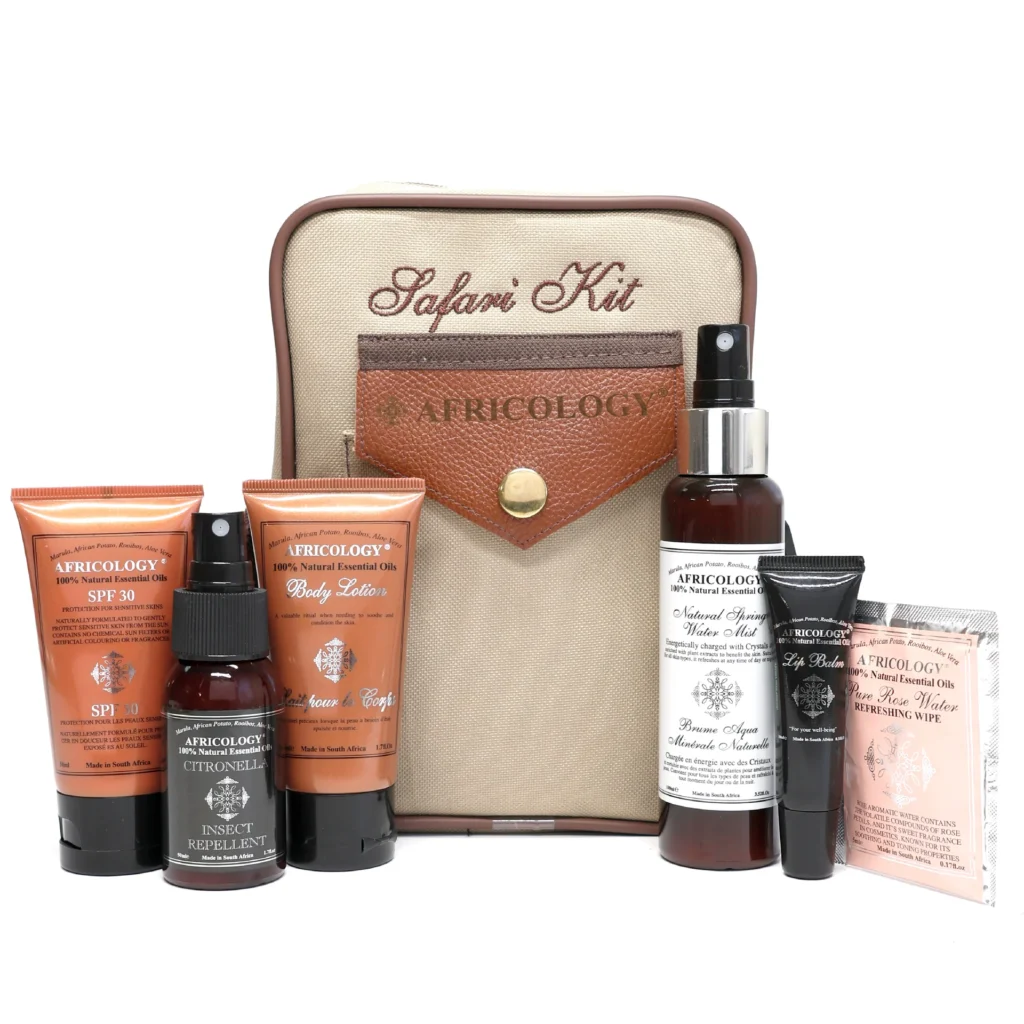
- High-SPF sunscreen (SPF 50+) — bring more than you think you’ll need. Reapply religiously, especially during game drives when you’re sitting in open vehicles
- SPF lip balm — cracked, sunburned lips are miserable on safari
- Insect repellent with DEET — apply every evening and early morning. Malaria prophylaxis is strongly recommended; consult your doctor or travel clinic well before departure
- After-sun lotion or aloe vera gel
- Antihistamine tablets — for dust, pollen, or insect reactions
- Hand sanitiser — facilities vary in remote areas
- Personal prescription medications — bring more than enough, in original packaging, with a doctor’s note if required
- A basic first aid kit — plasters, antiseptic wipes, blister pads (particularly important for walkers and climbers), pain relief, rehydration sachets, and anti-diarrhoea medication
- Altitude sickness medication (Acetazolamide) — for Kilimanjaro climbers only, on prescription
Tanzania requires a Yellow Fever certificate if you’re travelling from certain countries. Check current requirements with your travel clinic and ensure your certificate is in your travel documents. Visit our FAQ page for more entry and health requirement guidance.
Safari Gear: Enhancing Every Moment in the Bush
These are the items that transform a good game drive into an unforgettable one. They’re not luxuries — they’re tools that bring you closer to the wild.
Optics
- Binoculars (8×42 or 10×42 recommended) — the single most important piece of safari equipment after your camera. A lion a kilometre away becomes extraordinary through quality binoculars. Don’t borrow a pair — bring your own
Photography
Tanzania is a photographer’s paradise. Whether you’re shooting on a smartphone or a professional DSLR, a few additions will transform your images. Our Photographic Safari is designed specifically around capturing Tanzania at its finest — but every safari with us is an opportunity for extraordinary images.
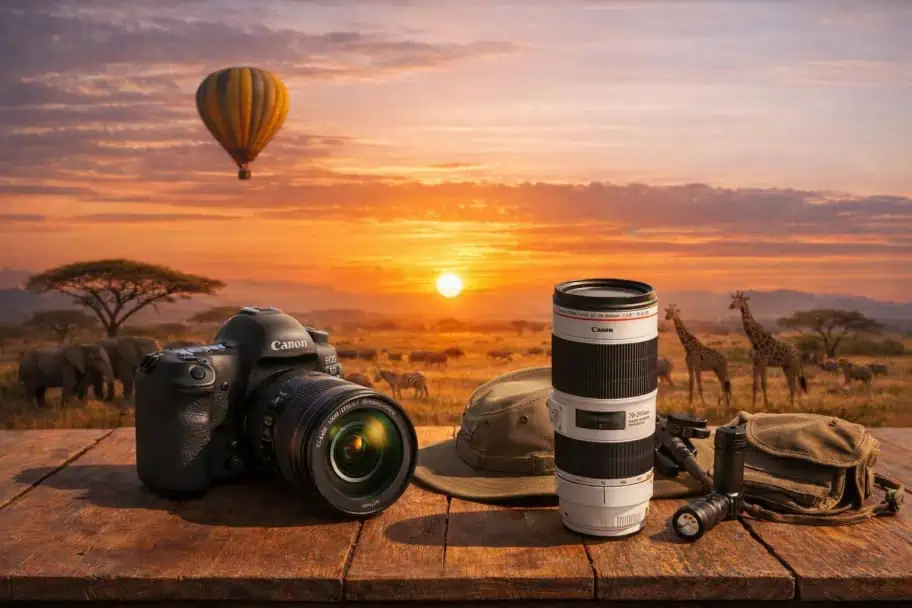
- Your camera body — DSLR, mirrorless, or a modern smartphone with a quality lens
- A telephoto or zoom lens (minimum 200mm recommended) — wildlife rarely poses nearby
- Spare batteries and a multi-port USB charger — most camps offer charging, but long game drives drain batteries fast
- Multiple large memory cards — you will take far more photographs than you expect
- A bean bag or window mount for the vehicle — a surprisingly effective stabiliser for long lenses on game drives
- A dry bag or dustproof camera bag — dust is the enemy of camera equipment on the African plains
- A lens cleaning kit — microfibre cloth and blower brush
Torch and Power Bank
- A headtorch with spare batteries — camps can be dark between your tent and the dining area, and power cuts in remote areas are a reality
- A portable power bank — keep it charged at camp for long days in the vehicle
- A universal travel adaptor — Tanzania uses Type D and Type G sockets; most quality camps have multiple socket types but it’s not guaranteed
Safari Documents & Practical Items
These are the things that seem obvious until the moment you need them and don’t have them.
- Passport — valid for at least six months beyond your travel dates
- Tanzania visa — most nationalities can obtain an e-visa online before travel. Check current requirements
- Yellow Fever certificate — required if travelling from certain countries
- Travel insurance documents — ensure your policy covers medical evacuation. In remote areas like the southern circuit, this is not optional
- Copies of all documents — stored separately from originals, and ideally in a secure cloud folder
- Emergency contact numbers — your Northern Masailand Safaris contact, your country’s embassy in Tanzania, and your insurance emergency line
- Cash in USD — US dollars are widely accepted for tips, market purchases, and smaller expenses. Small bills ($1, $5, $10, $20) are most useful. ATMs are available in Arusha but largely absent in the bush
- A small notebook and pen — for writing down species names, recording remarkable moments, and journalling under canvas at night
Packing for Your Specific Safari Experience
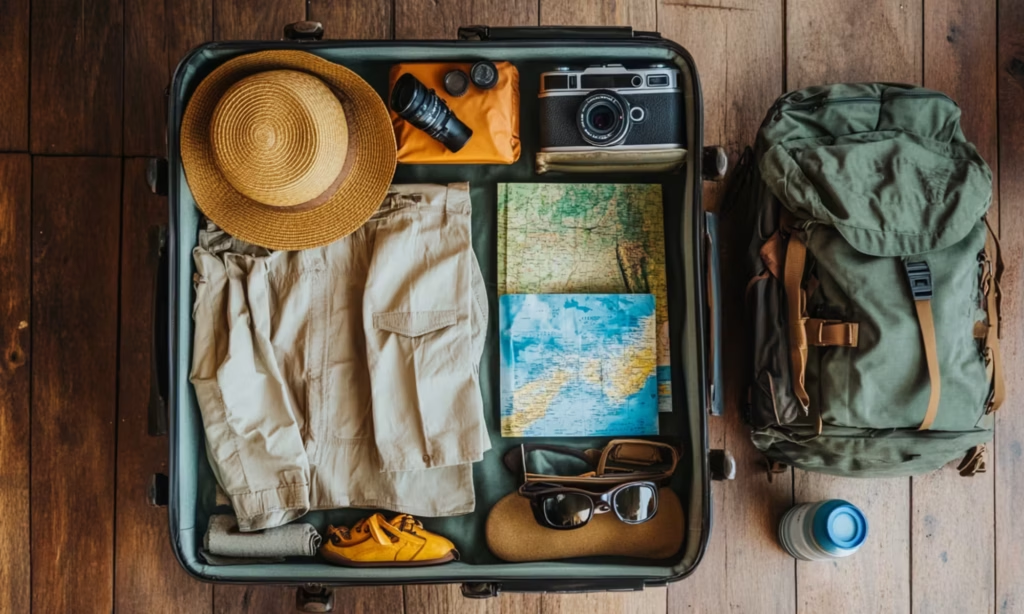
Your packing list should reflect not just the destination but the type of experience you’re having. Tanzania’s diversity of safari styles means different experiences call for slightly different preparation.
Walking Safaris
If you’re joining us for a walking safari, prioritise your footwear above everything else. Broken-in, closed-toe boots with ankle support are essential. A small lightweight daypack, plenty of water, and breathable long-sleeved clothing round out your walking kit. Leave the bulky camera equipment in camp — a smaller mirrorless body is far more practical on foot.
Family Safaris
Travelling with children on our family safari? Pack entertainment for younger children during longer drives — small games, books, or downloaded shows. Children’s sunscreen should be factor 50+, and a loose-fitting long-sleeved shirt in a child’s size will be a constant companion. Binoculars sized for small hands make the wildlife experience immersive and exciting for young travellers.
Honeymoon Safaris
For those joining us on a honeymoon safari, there’s room for a touch of elegance. A simple linen shirt or soft dress for evening dinners around the campfire, and perhaps a bottle of something celebratory to toast the sunset over the Serengeti. The camps will provide almost everything else — we handle the magic, you just need to show up.
Adventure Safaris
Our adventure safari guests should lean into durability. Robust clothing, a solid pair of boots, and gear that can handle both wet and dry conditions will serve you well. A dry bag for protecting electronics and documents is strongly recommended.
Cultural Safaris
If a cultural safari is on your itinerary — including visits to Maasai communities or local villages — modest clothing is both respectful and appropriate. Shoulders and knees covered, and a small gift such as pens or notebooks for community schools is a thoughtful touch many of our guests have found deeply rewarding.
What Not to Pack
As important as knowing what to bring is knowing what to leave at home.
- Hard suitcases — they won’t fit in safari vehicles or light aircraft holds
- Bright or white clothing — impractical and potentially disruptive in the bush
- Heavy perfumes, colognes, or strongly scented products — scent carries in the bush and can affect wildlife behaviour and insect attraction
- Excessive electronics — a safari is one of the great opportunities to disconnect. You won’t regret leaving the laptop behind
- Plastic bags — Tanzania has banned single-use plastic bags. Leave them at home and use fabric totes instead
The Camps Will Handle the Rest
One of the great pleasures of travelling with Northern Masailand Safaris is that you never need to worry about the fundamentals. Our camps and lodges provide bedding, towels, meals (including packed lunches for game drives), and drinking water. Many offer laundry services, which means you genuinely need fewer clothes than you might think.
Our experienced guides carry field guides, first aid kits, and everything needed to keep you comfortable and safe whether you’re watching a lion pride in Serengeti, tracking rhino in Ngorongoro, or cruising the waterways of Selous. Your job is simply to be present — wide-eyed, unhurried, and ready for whatever Tanzania decides to show you.
The rest? Leave it to us.
Ready to Start Planning?
Every safari we design at Northern Masailand Safaris is built around you — your travel style, your dream moments, your pace. Whether it’s your first time in Africa or your tenth, whether you want the drama of the Great Migration, the tranquility of a walking safari in the southern wilderness, or the challenge of summiting Kilimanjaro before breakfast on the plains — we are here to make it happen.
Explore our trip planning page to start building your itinerary, browse our full range of Tanzania safari experiences, and when you’re ready, reach out to our team. We’d love to start this adventure with you.
Have questions before you book? Our FAQ page covers everything from visa requirements to what a typical day on safari looks like. And if you don’t find what you’re looking for there, one of our team will always pick up the phone.
Tanzania is waiting. Pack light, dream big, and let Northern Masailand Safaris take you there.