There are places in this world that don’t simply visit your memory — they take up permanent residence in your soul. Tanzania is one of them. It is a land of jaw-dropping extremes: the largest freestanding mountain on Earth rising above the clouds, the greatest wildlife spectacle ever witnessed by human eyes unfolding on open plains, and a tapestry of indigenous cultures woven with centuries of pride and tradition. Tanzania is not a destination you tick off a bucket list. It is an experience that rewires how you see the world.
At Northern Masailand Safaris, we are not a call centre thousands of miles from the bush. We are a locally owned, locally rooted safari company based in Arusha — the very heart of Northern Tanzania’s safari circuit. Our guides grew up in Maasailand. They know the names of the grasses, the moods of the skies, and the secret waterholes the elephants use at dawn. When you travel with us, you are not buying a package. You are gaining a family of insiders whose entire world is Tanzania.
This guide will take you through the three pillars of the ultimate Tanzania journey: a wildlife safari across iconic national parks, a Kilimanjaro climb that will change you forever, and a cultural immersion that no highlight reel can capture. Read on, and let Tanzania speak to you.
Part One: The Tanzania Safari — Where the Wild Things Are
No written word does justice to the moment a lion lifts its golden head above the grass and looks directly at you. Or when a herd of ten thousand wildebeest pours over a hillside like a living river, the thunder of their hooves shaking the earth beneath your vehicle. A Tanzania safari is not a zoo visit. It is an encounter with nature operating entirely on its own terms — raw, honest, and magnificent.
The Serengeti — The World’s Greatest Stage
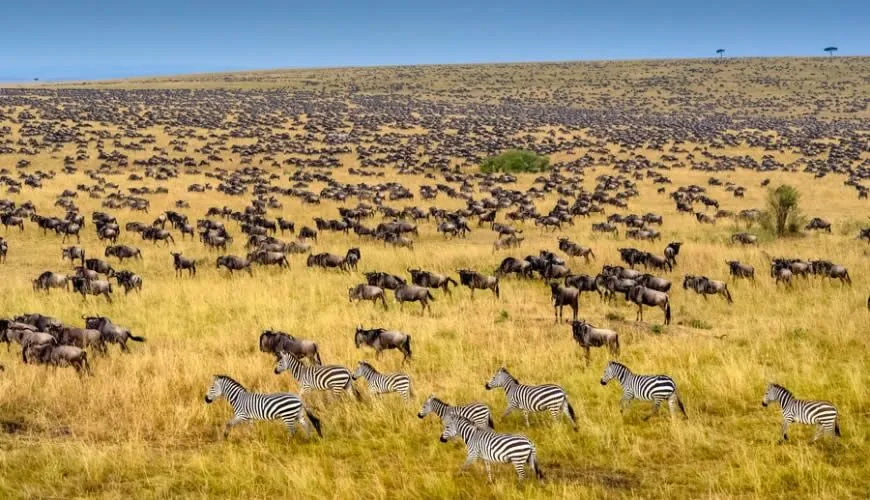
If Tanzania is the crown jewel of African safari, the Serengeti National Park is its centrepiece diamond. Spanning nearly 15,000 square kilometres of open savannah, riverine forest, and kopje-studded plains, the Serengeti hosts one of the most diverse concentrations of wildlife on the planet — year-round. Lions, leopards, cheetahs, elephants, buffaloes, and over 500 species of birds call it home.
But perhaps nothing defines the Serengeti more than the Great Wildebeest Migration — the single largest terrestrial animal movement on Earth. More than 1.5 million wildebeest, alongside hundreds of thousands of zebra and gazelle, circle the Serengeti ecosystem in an endless loop driven by rainfall and grass. The Mara River crossings — where crocodiles lurk and wildebeest leap blindly into churning water — are among the most dramatic wildlife events you will ever witness. Our expert guides know exactly where to position you for a front-row seat.
The Ngorongoro Crater — A World Within a World
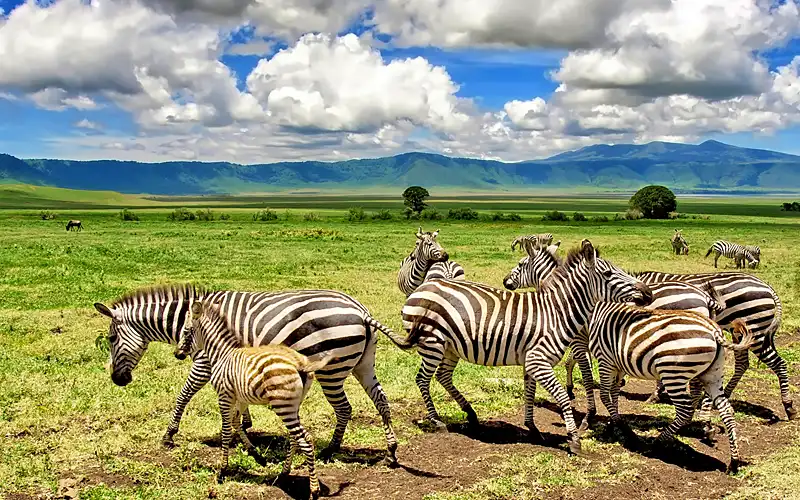
Descend into the Ngorongoro Crater and you enter a self-contained Eden. The world’s largest intact volcanic caldera stretches 19 kilometres across and shelters roughly 25,000 large animals within its walls — including one of Africa’s highest densities of lions and a resident population of black rhino, one of the continent’s most endangered species. There is something surreal about driving down into this ancient crater floor and realising that almost every iconic African animal surrounds you. It is the closest thing to paradise you will find on this planet.
Tarangire — The Elephant Kingdom
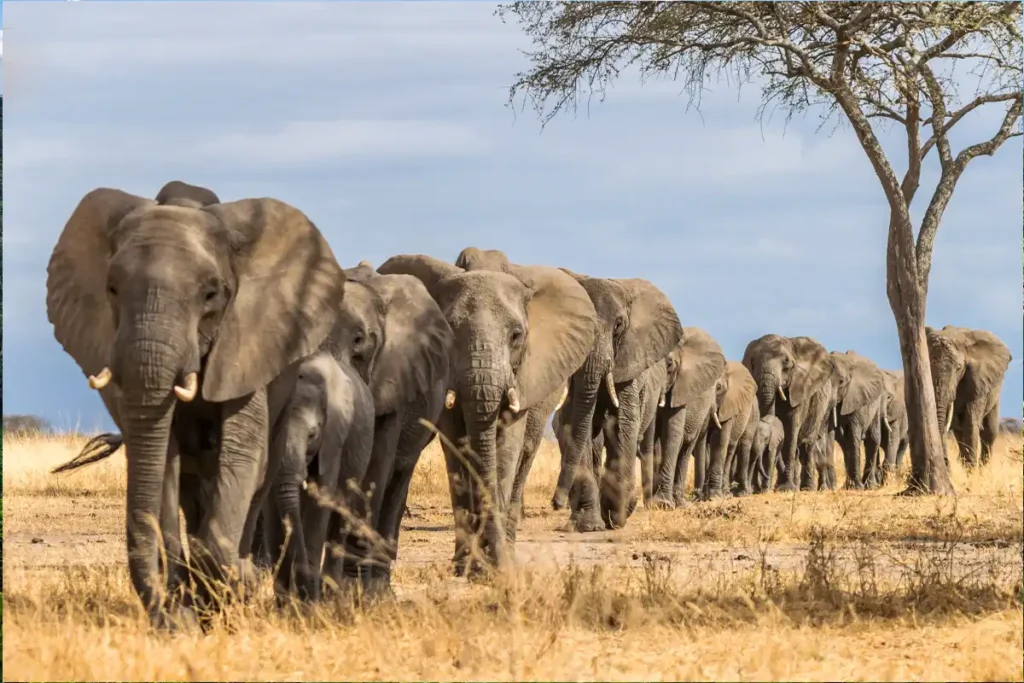
Ask any seasoned safari guide which park surprises visitors most, and many will say Tarangire National Park. During the dry season, the Tarangire River becomes a lifeline and elephants converge here in extraordinary numbers — sometimes hundreds in a single afternoon. Ancient baobab trees punctuate the landscape like sculptures, and the bird life is simply staggering. Tarangire is quieter, less visited, and utterly breathtaking. It is exactly the kind of hidden gem our local knowledge leads you to.
Lake Manyara — Flamingos, Tree-Climbing Lions & More
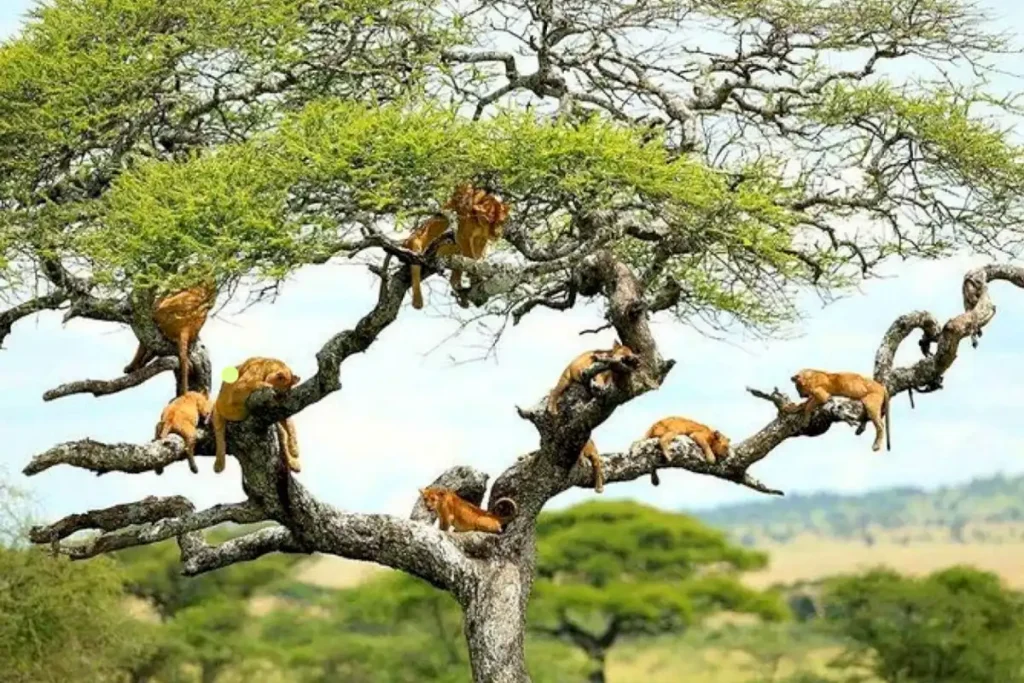
Lake Manyara is compact, but punches far above its weight. The alkaline lake turns flamingo-pink at certain times of year, hippos wallow lazily in the shallows, and Manyara is one of the very few places on Earth where lions are regularly seen resting in the branches of acacia trees — a behaviour so unusual researchers are still debating exactly why they do it. It makes for extraordinary photographs and even more extraordinary memories.
Ruaha & Nyerere — Tanzania’s Wild South
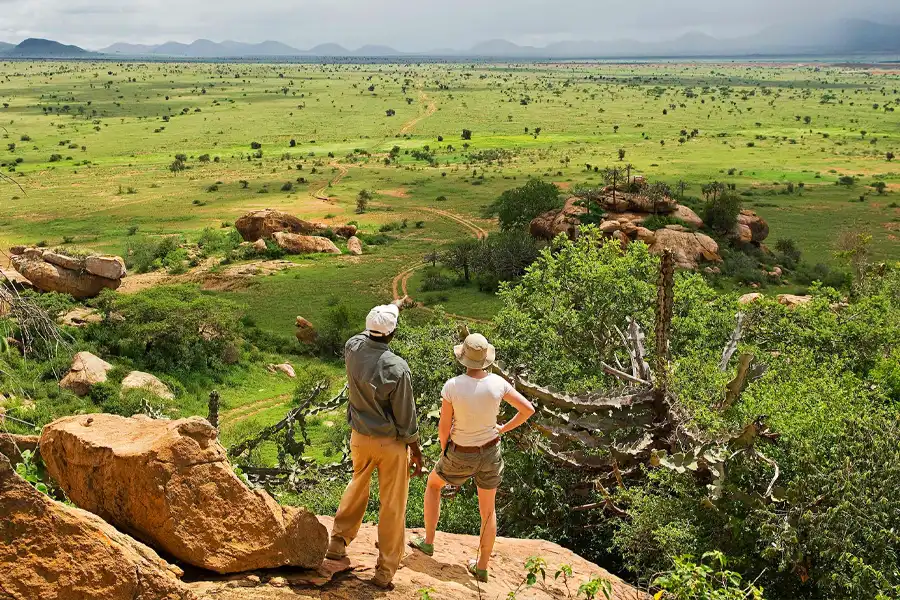
For travellers craving untouched wilderness and near-exclusive game viewing, Tanzania’s southern parks offer something profoundly different. Ruaha National Park is Tanzania’s largest park and one of Africa’s best-kept secrets — an enormous landscape of baobabs, rocky ridges, and the Great Ruaha River teeming with crocodiles and hippos. The Nyerere National Park (formerly Selous) is one of the largest protected areas in the world, offering boat safaris along the Rufiji River that are unlike anything else in East Africa.
We design every itinerary around your pace, your passions, and your timeline. Whether you have six days or three weeks, our team will craft the perfect route. Browse our trip ideas for inspiration, or get a free personalised quote tailored specifically to you.
Part Two: Kilimanjaro — The Roof of Africa Awaits You
At 5,895 metres above sea level, Mount Kilimanjaro is the highest peak in Africa and the tallest freestanding mountain in the world. It is also one of the most accessible high-altitude summits on Earth — no ropes, no technical climbing, no experience required. What it does demand is determination, patience, a good acclimatisation strategy, and the right team beside you.
That team is us. Our Kilimanjaro climbing operation is led by experienced, certified mountain guides who have summited Kili hundreds of times. They know the mountain’s moods — when the clouds roll in, where altitude hits hardest, and how to pace your ascent for the best chance of reaching Uhuru Peak. They will encourage you, support you, and carry you through the hard moments with warmth and expertise that only comes from years on the mountain.
Choosing Your Route
Kilimanjaro offers eight official climbing routes, each with its own character, scenery, and challenge level. Here is an overview to help you choose:
- Marangu Route — Known as the “Coca-Cola Route,” this is the only route with hut accommodation. It is shorter (5–6 days) and considered the most comfortable, though its steeper summit approach makes acclimatisation harder. Best for those who prefer sleeping in beds over tents.
- Machame Route — The most popular route on the mountain for good reason. The “Whiskey Route” is longer (6–7 days), more scenic, and follows a beautiful climb-high-sleep-low acclimatisation profile. Highly recommended for its success rate and stunning varied terrain.
- Lemosho Route — The crown jewel of Kilimanjaro routes. This 7–9 day journey starts on the remote western slopes, passes through pristine rainforest and the dramatic Shira Plateau, and offers the best acclimatisation profile of all routes. Our top recommendation for serious trekkers who want the full Kili experience.
- Rongai Route — The only route that approaches Kilimanjaro from the north, near the Kenyan border. Quieter, drier, and offering a unique perspective of the mountain. A great choice for the dry season or those wanting a more remote experience.
- Northern Circuit Route — At 9–10 days, this is the longest route and the one with the highest success rates on the mountain. It circumnavigates almost the entire northern half of Kili, offering breathtaking panoramas and superior acclimatisation. The route less travelled, and utterly magnificent.
- Umbwe Route — Short, steep, and brutally direct. This is the most challenging route on the mountain, designed for experienced trekkers with strong altitude tolerance. Not for the faint-hearted, but extraordinarily rewarding.
- Shira Route — A classic route joining the Lemosho path across the dramatic Shira Plateau. Starts at high altitude, which is an advantage for fit, experienced trekkers.
- Western Breach Route — The most direct and technical path to the crater rim. This challenging variation requires careful navigation of steep, rocky terrain and is suited only for experienced hikers with expert guidance.
Not sure which route is right for you? Our team will help you choose based on your fitness, timeline, and experience level. Visit our complete Kilimanjaro guide or reach out to us directly — we love talking about this mountain.
What Summiting Kilimanjaro Actually Feels Like
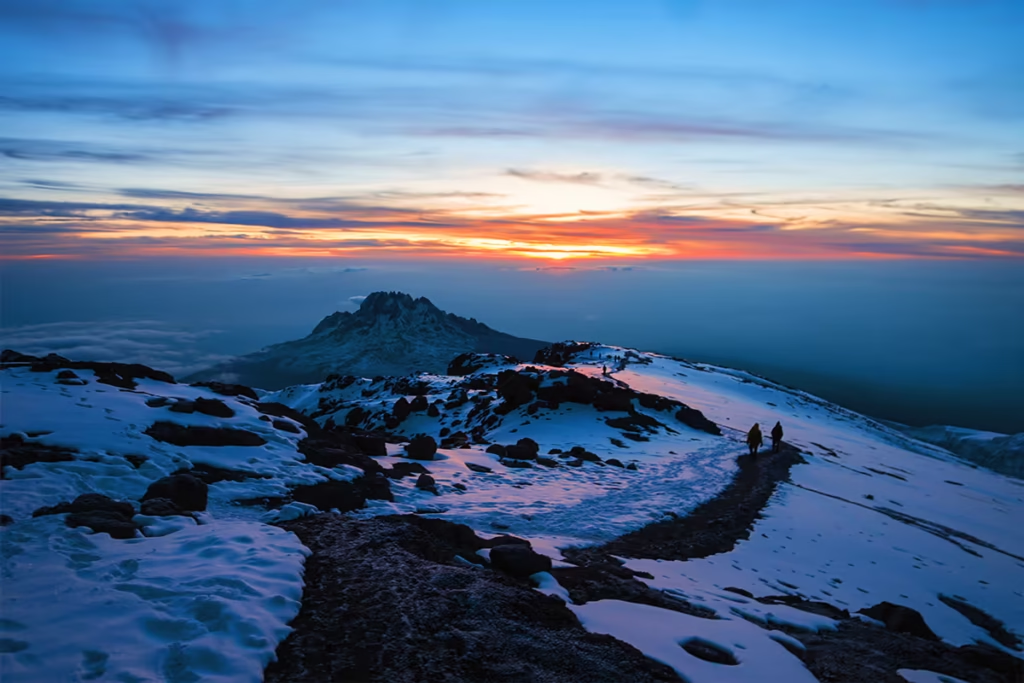
At around midnight on summit night, you will step out of your tent into a sky ablaze with stars, strap on your headlamp, and begin the final push. The air is thin. Each step requires real effort. Your guide will walk beside you, steady and encouraging, setting a slow and deliberate pace. And then — as the first brushstrokes of dawn paint the horizon pink and gold — you will cross Stella Point and look out over the glaciers and the curvature of the Earth below.
Uhuru Peak. The Roof of Africa. You are standing on it.
No photograph captures what that moment feels like. That is exactly why you must come and stand there yourself.
Part Three: The Soul of Tanzania — Culture, People & Community
A Tanzania journey is profoundly incomplete without time spent among the people who have shaped this land for millennia. Tanzania is home to more than 120 distinct ethnic groups, and each carries its own language, traditions, art, and relationship with the natural world. Of all these cultures, none is more iconic — or more misunderstood by the outside world — than the Maasai.
The Maasai — Warriors, Pastoralists & Living Legends
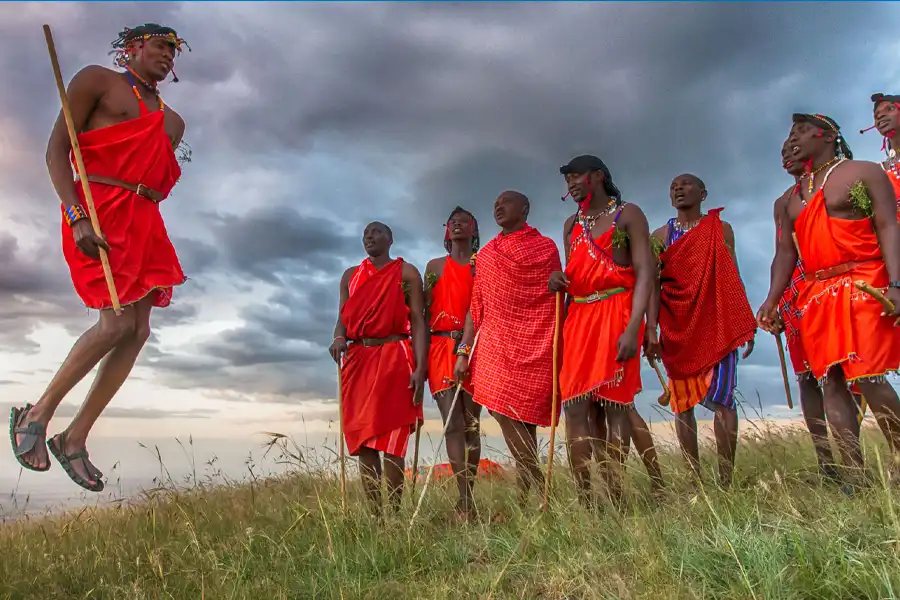
The Maasai are a semi-nomadic pastoralist people who have inhabited the savannahs and highlands of northern Tanzania and southern Kenya for centuries. Their striking red shukas (blankets), beaded jewellery, and tall, lean figures make them immediately recognisable worldwide. But their culture runs far deeper than any visual impression.
The Maasai have coexisted with wildlife for generations — they do not hunt lions for sport, but young Maasai warriors (morani) once earned their status through lion encounters that tested their courage and their bond with the natural world. Today, many Maasai communities are at the forefront of conservation, demonstrating that indigenous stewardship and wildlife protection are not opposing forces, but natural allies.
Our cultural safari experiences take you directly into Maasai villages — not as a tourist gazing over a fence, but as a welcomed guest. You will sit with elders, share chai, watch the hypnotic jumping dance of the morani, learn to start fire from friction, and hear stories passed down through generations. Our Northern Masailand Safaris team is itself rooted in Maasailand, which means our cultural introductions are genuine, reciprocal, and deeply respectful.
The Chagga — Kilimanjaro’s Mountain People
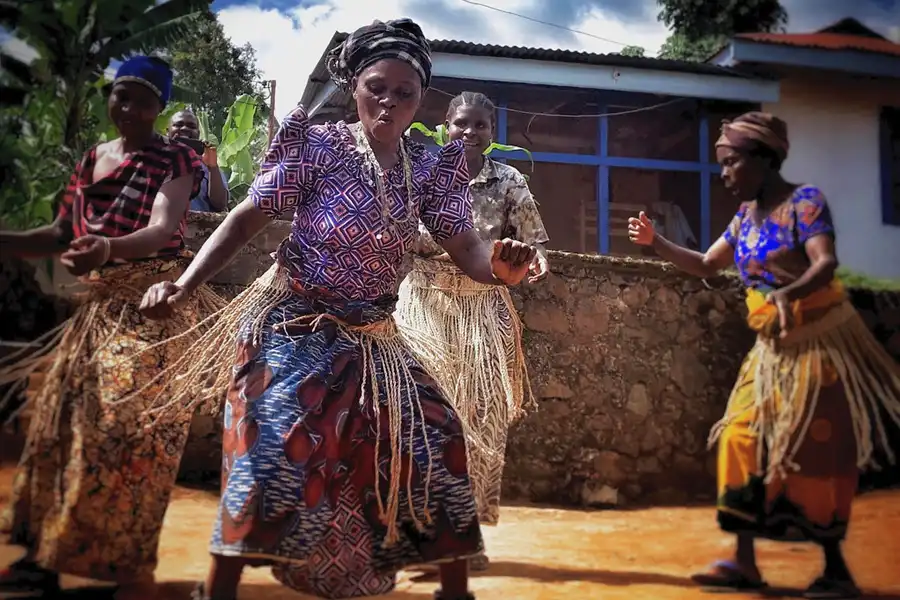
On the fertile slopes of Kilimanjaro live the Chagga people — skilled farmers and traders who have cultivated the mountain’s rich volcanic soil for centuries. The Chagga developed one of Tanzania’s most sophisticated agricultural systems, including an intricate network of irrigation furrows that still channels water from Kili’s glaciers to their farms today. On a Kilimanjaro climb with Northern Masailand Safaris, you are not simply hiking a mountain — you are walking through Chagga history.
Zanzibar — Swahili Culture & Island Soul
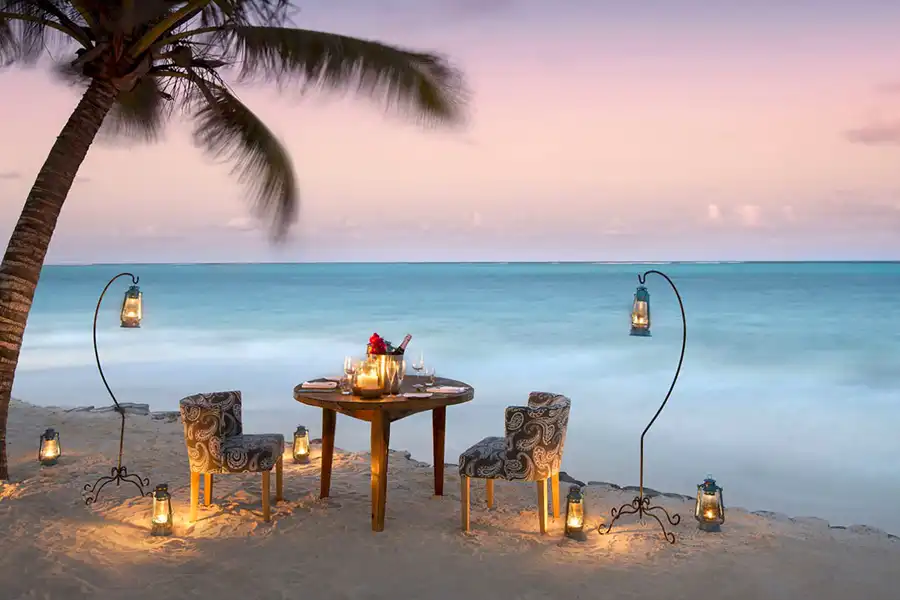
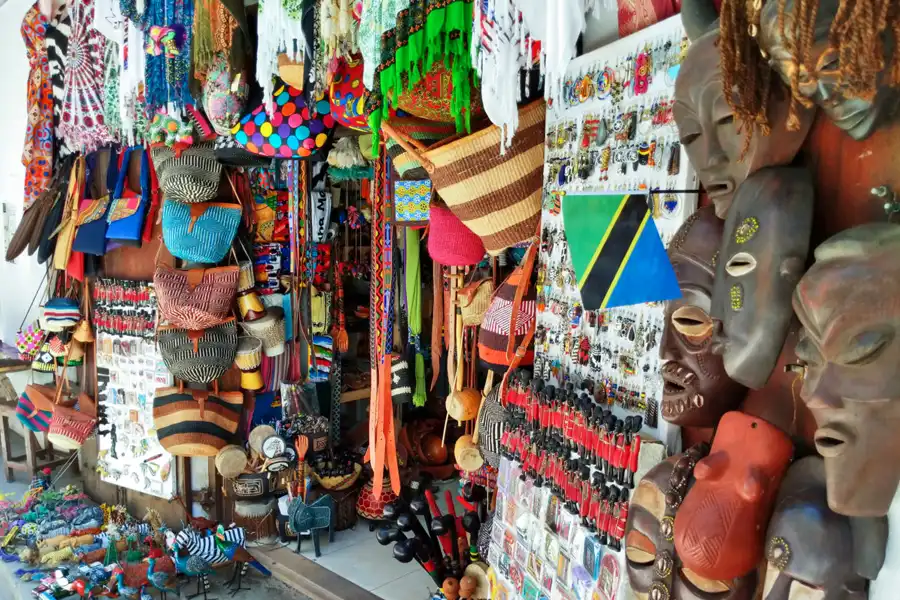
No Tanzania journey is complete without time on Zanzibar’s white sand beaches and in the narrow lanes of Stone Town, a UNESCO World Heritage Site where Arab, Persian, Indian, and African cultures have collided and merged over a thousand years of trade. The call to prayer echoes over terracotta rooftops. The smell of cloves — Zanzibar was once the world’s leading clove exporter — drifts through the old streets. Fresh seafood is grilled over charcoal at the famous Forodhani night market as dhow sails catch the Indian Ocean breeze.
Zanzibar is the perfect postscript to a safari or Kilimanjaro climb: a place to rest, reflect, and let the warmth of the island and its people settle into your bones.
Responsible Tourism — Why It Matters
When you choose Northern Masailand Safaris, your travel directly benefits the communities we operate within. We employ local guides, porters, cooks, and drivers. We work with community-owned campsites and local lodges where possible. And we operate with a strong commitment to environmental stewardship — minimising waste, supporting conservation initiatives, and educating every client about the fragility and importance of the ecosystems they are visiting.
Travel is a privilege, and we believe it carries responsibility. We take that seriously — so you can explore freely, knowing your presence is a force for good.
Why Northern Masailand Safaris — Not Just Another Safari Company
There are hundreds of safari operators in Tanzania. What separates the memorable from the merely adequate? In our experience, it comes down to three things: people, knowledge, and genuine care.
We are 5-star rated on TripAdvisor and Google, with over 110 verified reviews from travellers who came as clients and left as friends. We have spent more than a decade crafting safari experiences that go beyond the obvious — digging into the details that turn a good trip into a life-defining one. Our guides are not simply drivers who know the parks. They are naturalists, storytellers, and ambassadors for the world they love.
We offer bespoke experiences for every kind of traveller:
- Family safaris designed to ignite a child’s sense of wonder
- Honeymoon safaris crafted for romance, privacy, and unforgettable moments
- Photographic safaris that position you perfectly for world-class wildlife images
- Walking safaris that bring you closer to nature than any vehicle ever could
- Balloon safaris drifting silently over the Serengeti at sunrise
- Adventure safaris that push boundaries and reward the bold
Still have questions? Our FAQ page covers everything from visa requirements to what to pack, and our trip planning guide walks you through every step of the process. And if you want to understand exactly what makes us different, our Why Choose Us page lays it out plainly.
Tanzania Is Calling. Take the Call.
Some trips are pleasant. Others are transformative. A Tanzania safari — especially one woven together with a Kilimanjaro climb and genuine cultural exchange — belongs to a rare third category: the kind that divides your life into before and after.
You will return home with more than photographs. You will return with a new understanding of scale — of just how vast and ancient and generous this planet is. You will carry the sound of the Serengeti at dawn, the silence of Kilimanjaro’s summit glaciers, and the laughter of Maasai children with you for the rest of your life.
We are ready when you are. Our team at Northern Masailand Safaris is standing by to help you plan every detail. Request your free personalised quote today, and let’s start building the adventure of your lifetime — together.
Tanzania is not just a destination. It is a calling. We will help you answer it.
Ready to begin?
📞 Call us: +255 754 982 525
📧 Email: info@northernmasailandsafaris.com
🌍 Contact us online — we respond within 24 hours.